Explore
Strasbourg is a historic, dynamic, and architecturally appealing city in the heart of Europe. The city is a beautiful blend of French and German, having changed hands between the two many times over the centuries. Strasbourg serves as the official seat of the EU and a hotbed of culture, architecture, museums, theaters, and festivals. It’s easy to fall in love with this captivating medieval destination.
A Brief History
Founded by the Romans around 12 BC, Strasbourg initially served as a Roman military outpost called Argentoratum. Over the centuries, it evolved into a bustling medieval city and a prominent center for trade and commerce.
During the Middle Ages, Strasbourg played a key role in the Hanseatic League, a medieval trading alliance. The city’s distinctive cathedral, Notre-Dame de Strasbourg, was constructed between the 12th and 15th centuries and stands as a masterpiece of Gothic architecture. In 1681, Louis XIV annexed Strasbourg to France following the Treaty of Westphalia, ending the Thirty Years’ War.
The city’s history is marked by a blend of French and German influences due to its location in the historically disputed region of Alsace. Strasbourg was annexed by the German Empire in 1871 after the Franco-Prussian War but returned to French control after World War I. During World War II, Strasbourg faced significant damage, but post-war reconstruction efforts preserved its historical charm.
Today, Strasbourg stands as a symbol of Franco-German reconciliation and cooperation, serving as the official seat of the European Parliament. Its well-preserved medieval architecture, charming canals, and vibrant cultural scene make it a UNESCO World Heritage Site and a captivating destination that reflects the unique blend of French and German heritage in the heart of Europe.
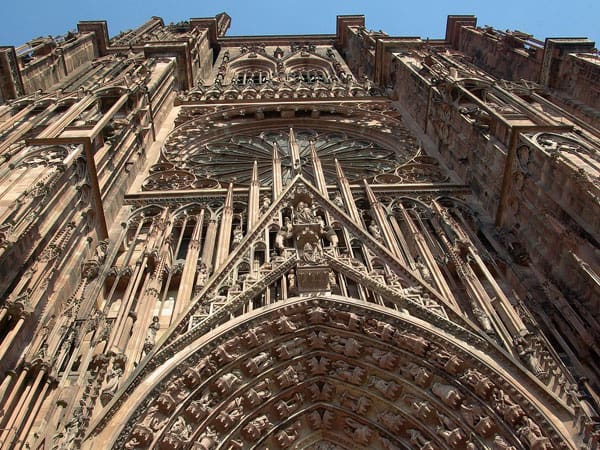
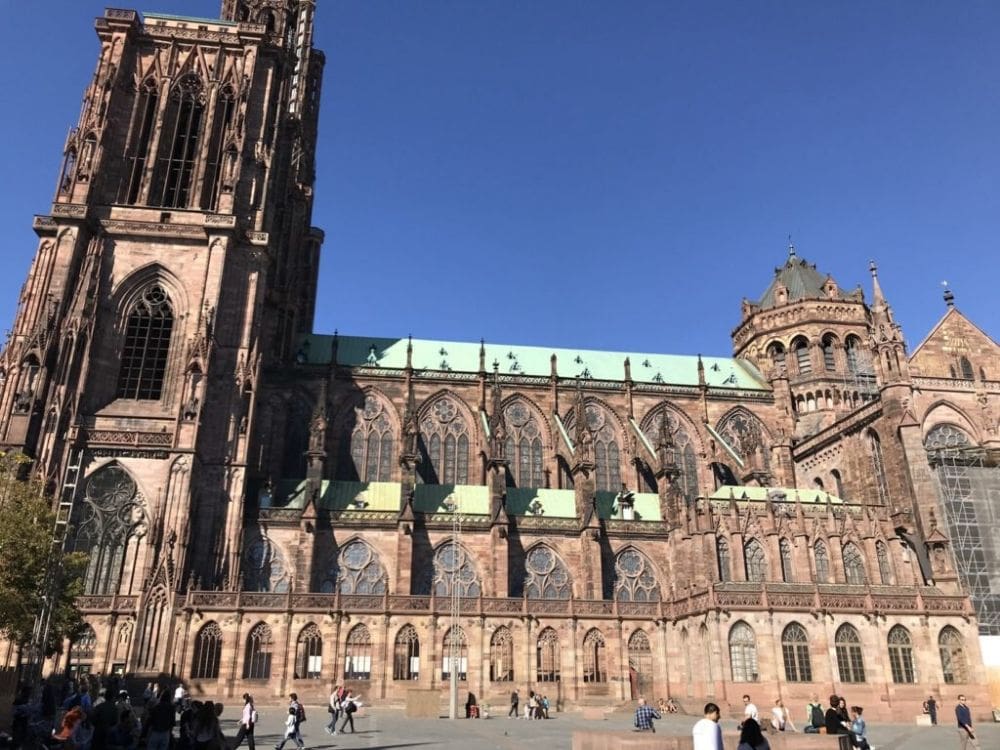
An outstanding masterpiece of Gothic art, Strasbourgโs Romanesque Cathedral is one of the most storybook churches you will ever see. The grand structure towers over the surrounding cityscape and nearly every square inch of the building is ornately carved. Go to the top of the cathedral platform for unparalleled views of the city.
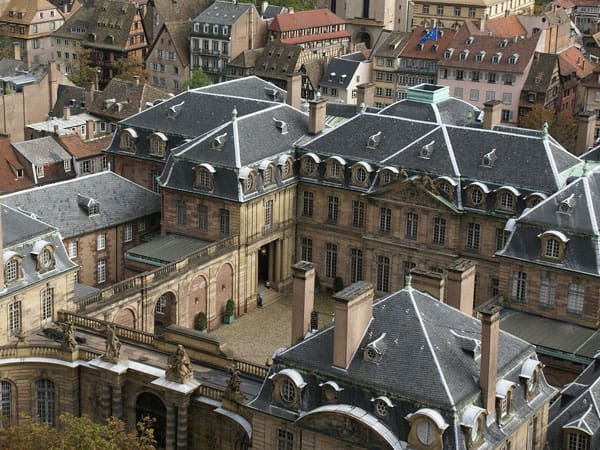
Designed by a royal architect, Rohan Palace is some of the best preserved 18th century French architecture that exists today. The great palace was named after Cardinal Rohan, a French bishop, and houses not one but three museums: Archaeological Museum, Museum of Decorative Arts, and Museum of Fine Arts.
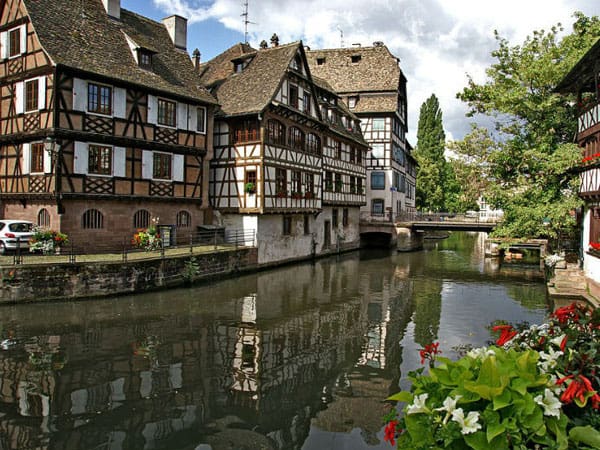
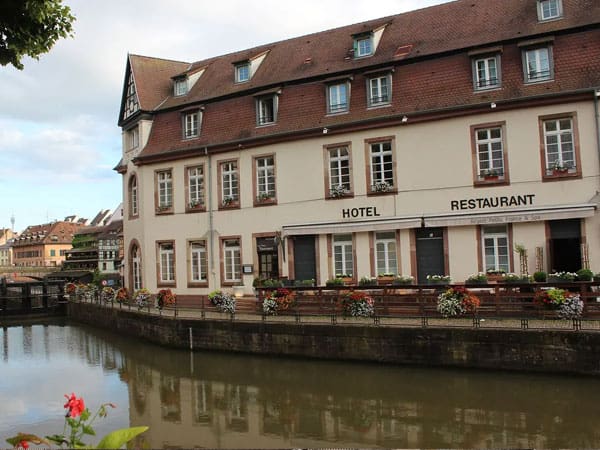
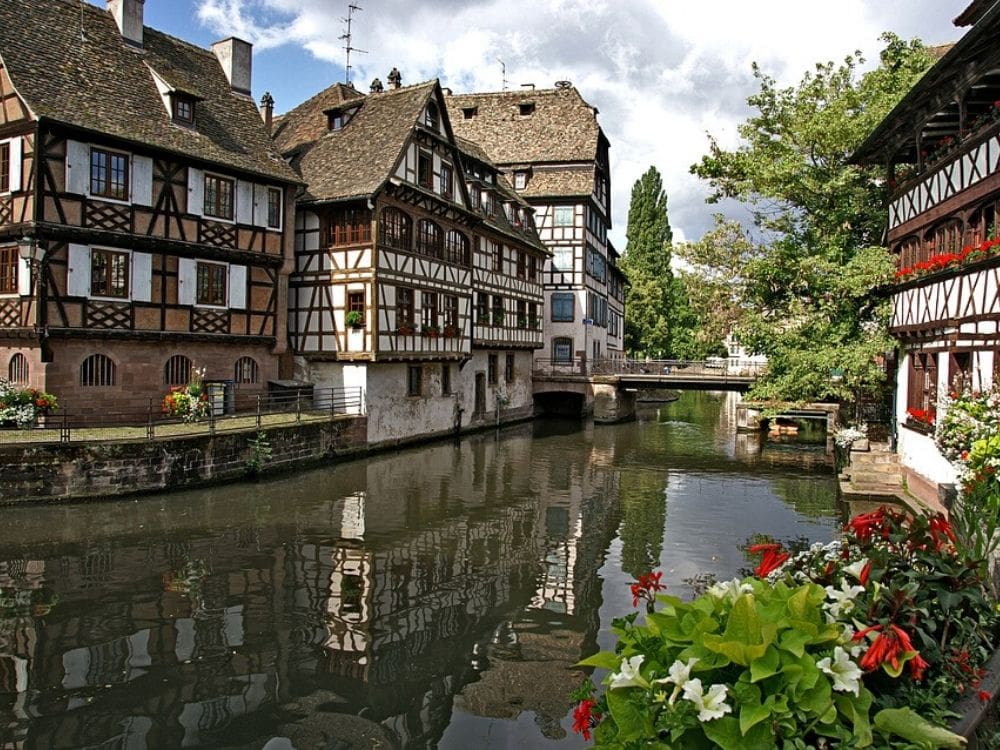
Petite France or โLittle Franceโ is a charming piece of Strasbourg that itself is a UNESCO World Heritage Site. Colorful half-timbered houses, bridges, canals, cobblestone streets, cute cafes, bridges and plazas define this charming area of the city that you should not miss.
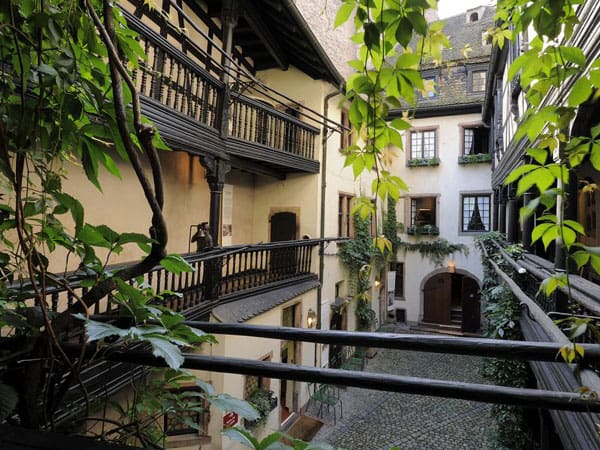
Alsacien is a museum that will show you what life was like in medieval France before the industrial age of the 18th and 19th centuries. Inside are traditional clothing, mortuary items, furniture, and toys of yesteryear depicting the many periods that formed what Strasbourg is today.
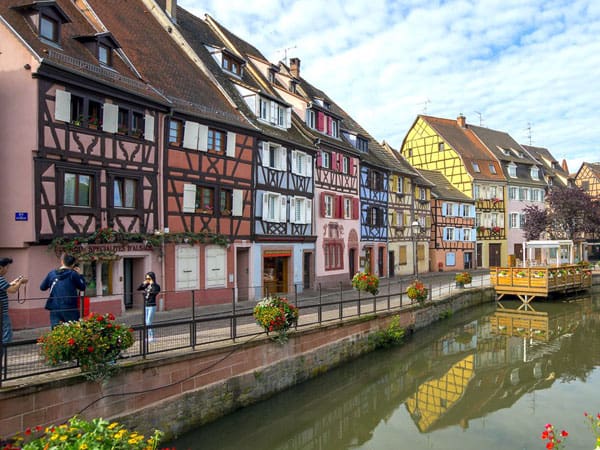
Less than an hour away from Strasbourg via train, Colmar is dubbed as โLittle Veniceโ because of its many canals. The old town of Colmar is
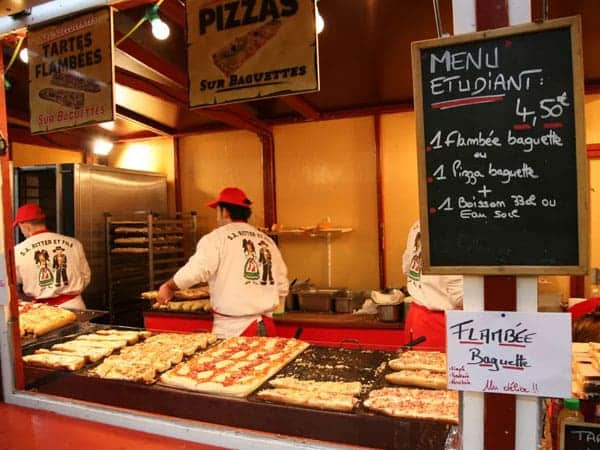
Alsatian dishes (local dishes of Alsace) include Sauerkraut with meat (Kassler, frankfurter, smoked Alsace sausage, salt pork, smoked bacon & potatoes), Knuckle of Ham Braised in Pinot Noir (sautรฉ potatoes & green salad), duck Foie Gras and SโKaechele Snails with Roquefort Cheese.

S’kaechele is run by a couple serving delicious traditional Alsatina dishes. It is best to book in advance as this restaurant is a popular place.
If youโre staying in Strasbourg you would be best served staying either close to the Cathedral inside the historic center, or near the train station for easy access in and out of the city.
Virtual Tours
Strasboug, Alsace, France
36 Hours in Strasbourg, France
Strasbourg Cathedral, France
Le Palais Rohan – Region Alsace


Jackโs Favorite Moment
Strasbourg and the Black Forest
Serving as the official seat of the EU Parliament, Strasbourg is a historic, dynamic, and architecturally gorgeous city. It surprised me with its lively side, and I discovered the city serves as a hotbed of culture, museums, theaters, operas, concert halls, and festivals. The bustling city is completely walkable with everything youโd want to see and do within easy reach. Whether youโre looking for local restaurants, attractions, or entertainment, thereโs no doubt that youโll soon fall in love with this captivating medieval destination.
I arrived in Strasbourg via train which lies on the western edges of the city. Only a short walk it didnโt take me long to reach the historic center. And then BAM. There it was. The imposing Strasbourg Cathedral.
Most travelers will approach the same way along the main thoroughfare running up to the front of the cathedral and will be awestruck by its sheer size and grandeur. The magnificent structure towers over the surrounding cityscape and nearly every square inch of the building is ornately carved. Here we are in the 21st century with 1,000 foot skyscrapers in our modern cities and I am still awed by buildings that were built 500-1,000 years ago. Can you imagine how the people of that time felt? They must have been completely dumbfounded seeing it for the first time.
ย
An outstanding masterpiece of Gothic art, Strasbourg Cathedral is one of the finest images of the Middle Ages that you will ever see. The construction of the Romanesque cathedral began in 1015, but only the crypt and original footprint remain. The current structure is made of pink sandstone which changes color according to the time of day, and the lighting effects around the cathedral are simply magical to watch, especially on summer evenings. I took time to explore the interior and then proceeded to climb up the 465 ft spire overlooking the city.
ย
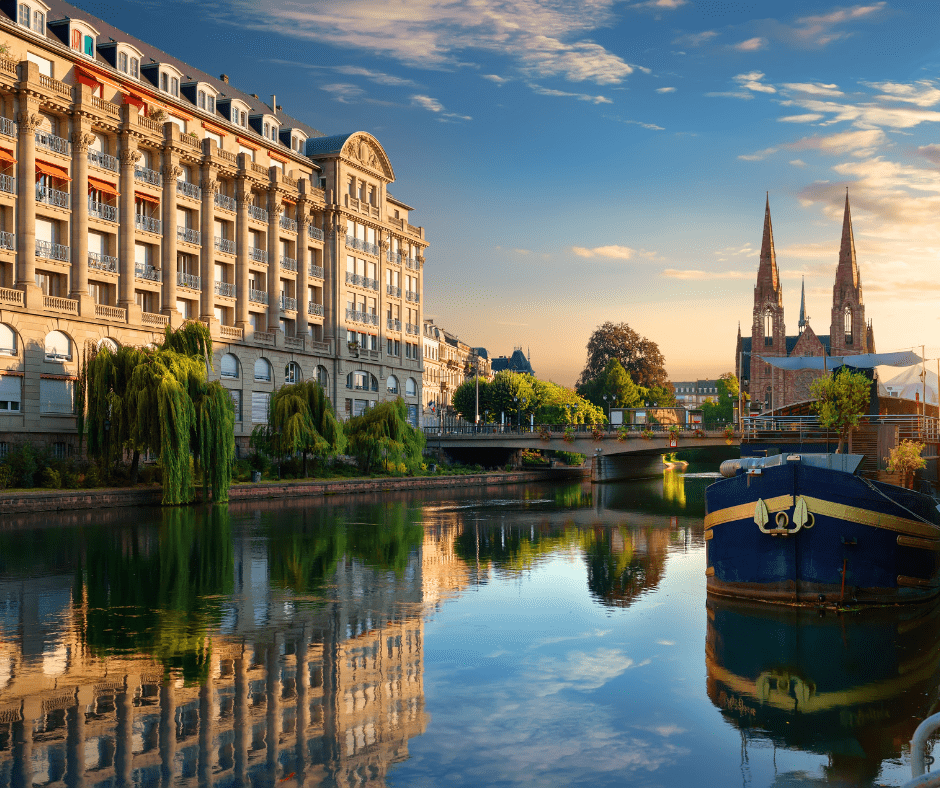
Encircled by the River Ill, Strasburg has mirrored the changing fortunes of France and the Alsace region for hundreds of years. Itโs easy to explore Strasbourgโs different districts on foot, each of which has its own distinct identity intimately related to its history and locals.ย You will notice some parts of the city seem typically German, while others feel very French.
ย
Strasbourg has changed hands many times between the two countries over the centuries, even as recently as WWII when it was occupied by Germany. This gives the city a distinct flavor that is unique and refreshing. Must sees for history and architecture lovers include, of course, Strasbourg Cathedral dominating the cityscape, but also La Petite France and Rohan Palace; home to three museums; Museum of Decorative Arts, Museum of Fine Arts, and the Archaeological Museum.
ย
After I walked the historic center, saw the major sights, and immersed myself in the beauty of the ancient city, I headed for the little district with magnificent half-timbered houses and wooden galleries; La Petite France. La Petite France is perhaps the most famous district in Strasbourg, dating back to the 16th and 17th centuries. I was just amazed at how well preserved the buildings were and it really felt like I had stepped back in time to old Europe. After I soaked it all up and took an adequate amount of photos, I stopped to have lunch at one of the local restaurants.
ย
Just a short drive from Strasbourg lies the legendary Black Forest. Located in a large mountain range in Southwest Germany, the Black Forest or Schwarzwald in German, is home to the nationโs outdoor destination, the inspiration for the Grimm Brothersโ fairytales, and world-renowned thermal spas. Black Forest is a popular vacation spot for locals and tourists alike. With the Rhine valley to the west and south, this area is defined by its many hills, large valleys, wide rivers, dense forests, and quaint villages. I spent a day here hiking while visiting a friend in Germany, but you could easily spend several days in this one region alone. Thereโs plenty to see and do, and just taking the time to soak it all up is what itโs all about.
ย
Places of note in the Black Forest are Hausach, located in the Kinzig valley on the Westweg (West Trail) which is the most well-known and most popular long-distance hiking trail in the Black Forest. If youโre into waterfalls the Triberg waterfalls are worth a visit, the highest in Germany. Another popular spot is Gutach, home of the Bollenhut, a traditional ladiesโ hat topped with pom-poms, which is a symbol for the Black Forest as a whole. If you want more German culture you can head into Schiltach, home of old half-timbered houses, raftsmen, and, local tanners. This village was first mentioned as a parochial village in 1275 and stretches far back into medieval history.
ย
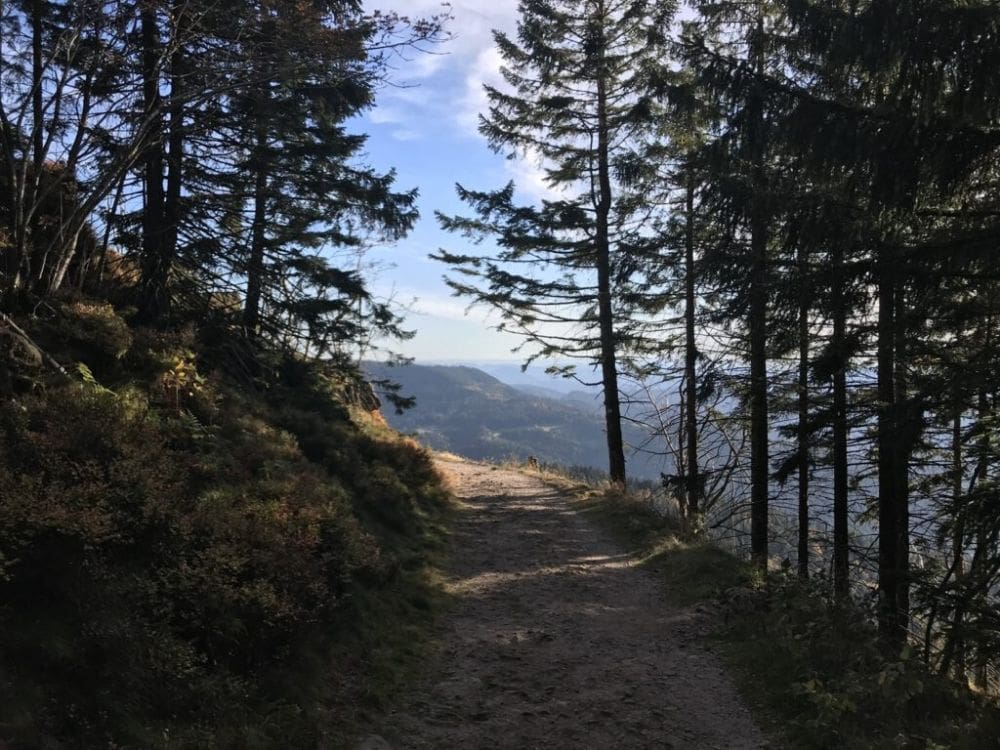
I spent most of my day in the Black Forest hiking around the area and stopping in a few little villages. If youโre wondering where the Black Forest got its name just take a walk through the woods and youโll understand. The trees are packed so tightly together that even on a bright sunny day the denseness of the forest makes it appear almost black with the lack of sunlight. This also means wildlife is less abundant than a typical forest which creates an almost eerie silence. The dramatic scenery combined with the natural mystery surrounding the area makes it easy to see how all the fairy tales and folklore were created over the years.
Jack Bauman
Founder of Guidester
DISCOVER
Interactive Maps
Walk around the old town
Wander La Petite-France
TESTIMONIALS
What Our Clients Say…
LET US HANDLE THE DETAILS
Plan Your European Trip with Confidence
Planning a European trip can be overwhelming. Guidester helps you turn ideas into a seamless itinerary, so you can spend less time researching and more time looking forward to the journey.
Guidester simplifies international travel by assisting with itinerary planning, hotel and airfare coordination, and curated tours.
Our team helps you avoid common mistakes and build a trip that flows seamlessly from arrival to departure.
…or click here to explore more European destinations!