
Best Time to Visit Spain at a Glance
Spain Travel by the Numbers
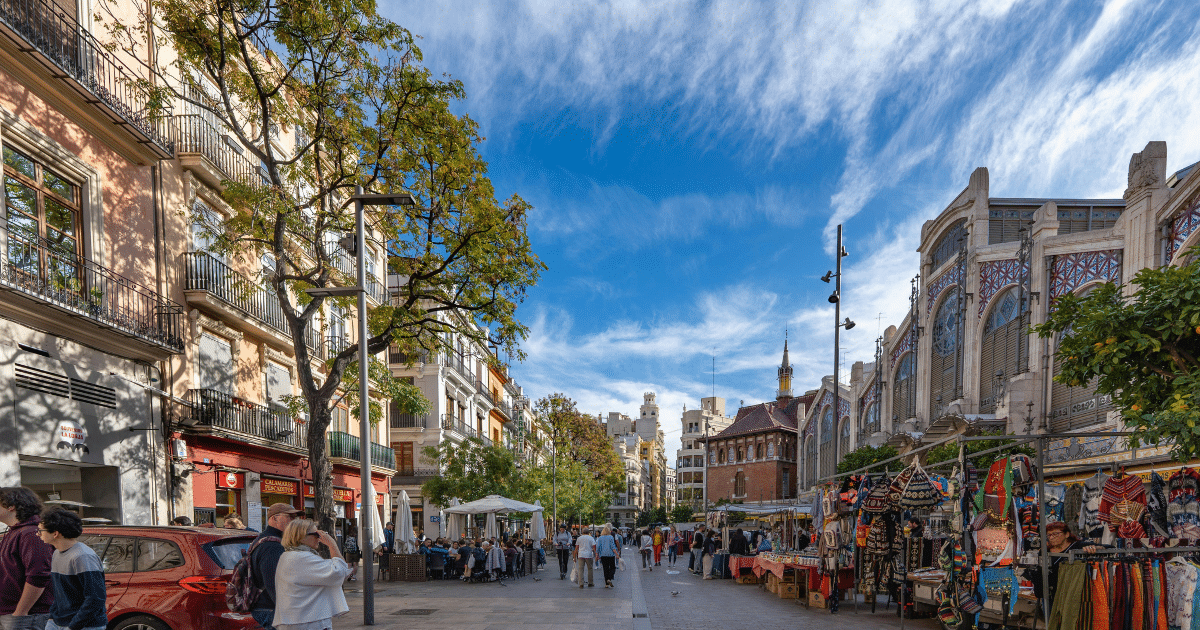
Spain isn’t just popular—it’s one of the most visited countries in the world, and the numbers reflect that. In 2025, Spain welcomed a record 96.8 million international visitors, according to the National Statistics Institute, continuing a steady rise in tourism year over year.
This level of demand shapes the travel experience in real ways. Peak summer months bring the highest concentration of visitors, especially in coastal regions and major cities like Barcelona and Madrid. At the same time, tourism plays a major role in the country’s economy, contributing over 12% of Spain’s GDP and driving everything from infrastructure to seasonal pricing.
What this means for your trip is simple: timing matters. The difference between traveling in peak season versus shoulder season can completely change how Spain feels—whether that’s navigating crowded streets in August or enjoying a more relaxed pace in late spring or early fall.
Jack’s Favorite Time to Visit Spain

Spain by Season
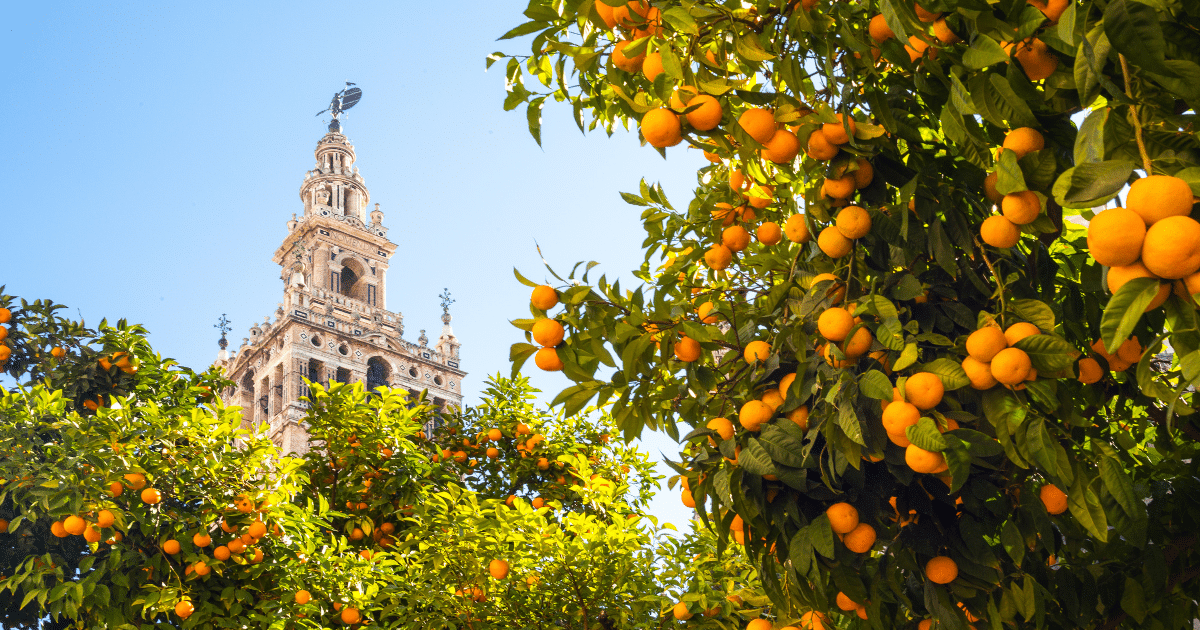
Spring (March–June): Best for Sightseeing and Culture
Spring is one of the best times to visit Spain, especially for first-time travelers. Temperatures are mild, the landscapes begin to bloom, and cities take on a renewed sense of energy after the quieter winter months.
This is an ideal season to explore major cities like Barcelona and Madrid or head south into Andalusia, where culture, architecture, and local traditions are on full display.
Spring also brings some of Spain’s most iconic cultural moments. Events like Seville’s Feria de Abril and Córdoba’s patio festival transform entire cities with music, color, and a strong sense of local pride.
Summer (July–August): Best for Beaches and Coastal Energy
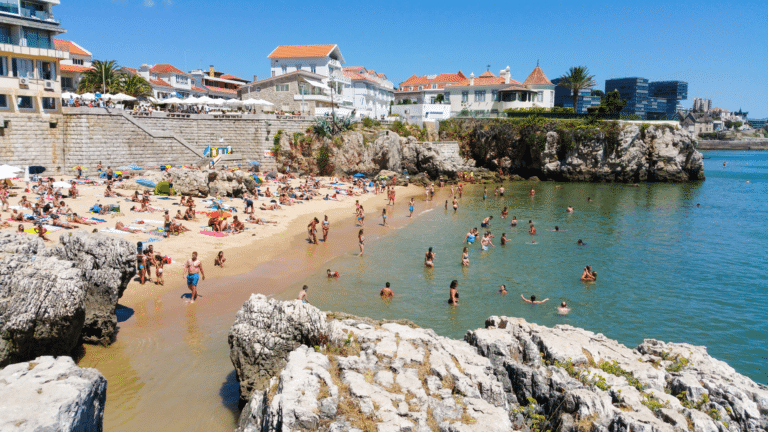
Summer is peak travel season in Spain, bringing long sunny days, vibrant coastal energy, and packed city centers. Coastal regions are at their best during this time, especially along the Mediterranean and in destinations like Mallorca, Ibiza, and the Costa del Sol, where beach culture and nightlife are in full swing.
Inland cities, however, can become intensely hot. In places like Madrid and Seville, daytime sightseeing often slows significantly, with activity shifting to early mornings and late evenings when temperatures are more manageable.
Because of this, planning ahead becomes essential. Hotels fill quickly, prices rise, and transportation options become more limited as demand increases.
As the heat lingers into the evening, the rhythm of the day shifts. Locals and travelers move toward rooftops, where a breeze, a drink, and a skyline view offer a completely different way to experience the city.
Fall (September–November): The Sweet Spot
For many travelers, fall is the best time to visit Spain.
Temperatures remain warm, the crowds begin to thin, and the overall travel experience becomes more enjoyable. You can move through cities and regions more easily while still enjoying vibrant local life.
This is also one of the best times for food and wine experiences. In regions like La Rioja, harvest season brings vineyard tours, wine tastings, and seasonal festivals that add depth to your trip.
At the same time, cooler temperatures make fall ideal for getting outdoors. From coastal paths to mountain landscapes, it’s one of the most comfortable seasons to explore Spain on foot
Winter (December–February): Quiet and Local
Winter offers a quieter, more local experience in Spain. While coastal areas may slow down, cities remain active and culturally rich.
This is a great time to explore museums, historic neighborhoods, and local dining scenes without the pressure of crowds. Southern Spain, particularly Andalusia, still enjoys relatively mild temperatures.
Winter also brings festive traditions such as Christmas markets and the Three Kings celebrations in early January, giving travelers a more authentic look at Spanish culture.
Best Time to Visit Spain by Travel Style

Traveling through Spain looks different depending on your priorities, from fast-paced city hopping to slower, more immersive experiences.
- For first-time visitors: April–June or September
- For beaches and coastal trips: June–September
- For hiking and outdoor adventure: May–June or September–October
- For food and wine experiences: September–October
- For fewer crowds and better prices: Late fall and early spring
Biggest Mistakes When Choosing When to Visit Spain

One of the biggest mistakes travelers make is assuming Spain has a uniform climate. In reality, temperatures and conditions vary widely between regions.
Another common mistake is visiting major cities in peak summer without adjusting expectations. The heat can make daytime sightseeing uncomfortable, especially in inland destinations.
Travelers also tend to underestimate how crowded coastal areas become in July and August. This often leads to higher costs and limited availability.
Choosing the right time is not just about avoiding bad weather. It is about avoiding a trip that feels rushed, crowded, or exhausting.
What Most Travelers Get Wrong About Timing a Trip to Spain

Most travelers focus only on weather when deciding when to visit Spain. That is only part of the picture.
What really shapes your experience is how crowds, pace, and local culture come together during your visit.
For example, peak summer offers great weather but often comes with packed attractions and limited flexibility. Shoulder seasons provide a more balanced experience where you can actually enjoy each destination.
The biggest difference is not just when you go. It is how that timing affects the way your trip unfolds day by day.
When Should You Visit Spain?

The best time to visit Spain ultimately comes down to your priorities.
If you want great weather and a balanced experience, aim for spring or fall. If you are drawn to beaches and energy, summer delivers but requires planning. If you prefer a quieter and more local experience, winter offers a different perspective.
Spain rewards travelers who plan thoughtfully. The right timing can turn a good trip into one that feels effortless.
FAQ: Best Time to Visit Spain
What is the best month to visit Spain?
The best month to visit Spain is typically May or September, when the weather is warm and crowds are manageable.
Is Spain too hot in the summer?
Yes, especially in inland cities where temperatures can exceed 95°F (35°C). Coastal areas are more moderate but still busy.
When is Spain least crowded?
Spain is least crowded in April–May and late September–October, making it easier to explore major destinations.
What is the cheapest time to visit Spain?
The cheapest time to visit Spain is during winter, particularly January and February, when travel demand is lower.
Is Spain good to visit in winter?
Yes. Winter is ideal for cultural travel, with fewer crowds and a more local experience, especially in cities and southern regions.
When is the best time for hiking in Spain?
Spring and fall are the best times for hiking, offering comfortable temperatures and scenic landscapes.
Plan Your Spain Trip with Confidence
Spain is not just about choosing where to go. It is about knowing when to go and how to structure your trip so it actually feels enjoyable.
Most travelers try to do too much at the wrong time of year, which changes the experience entirely.
The difference between a rushed trip and one that feels effortless comes down to timing, route, and local insight.
If you want help planning a trip that flows seamlessly, we can help you design it from start to finish.