Quick Guide · Total Solar Eclipse Spain 2026
Why the “Sunset Angle” is Your Biggest Planning Priority
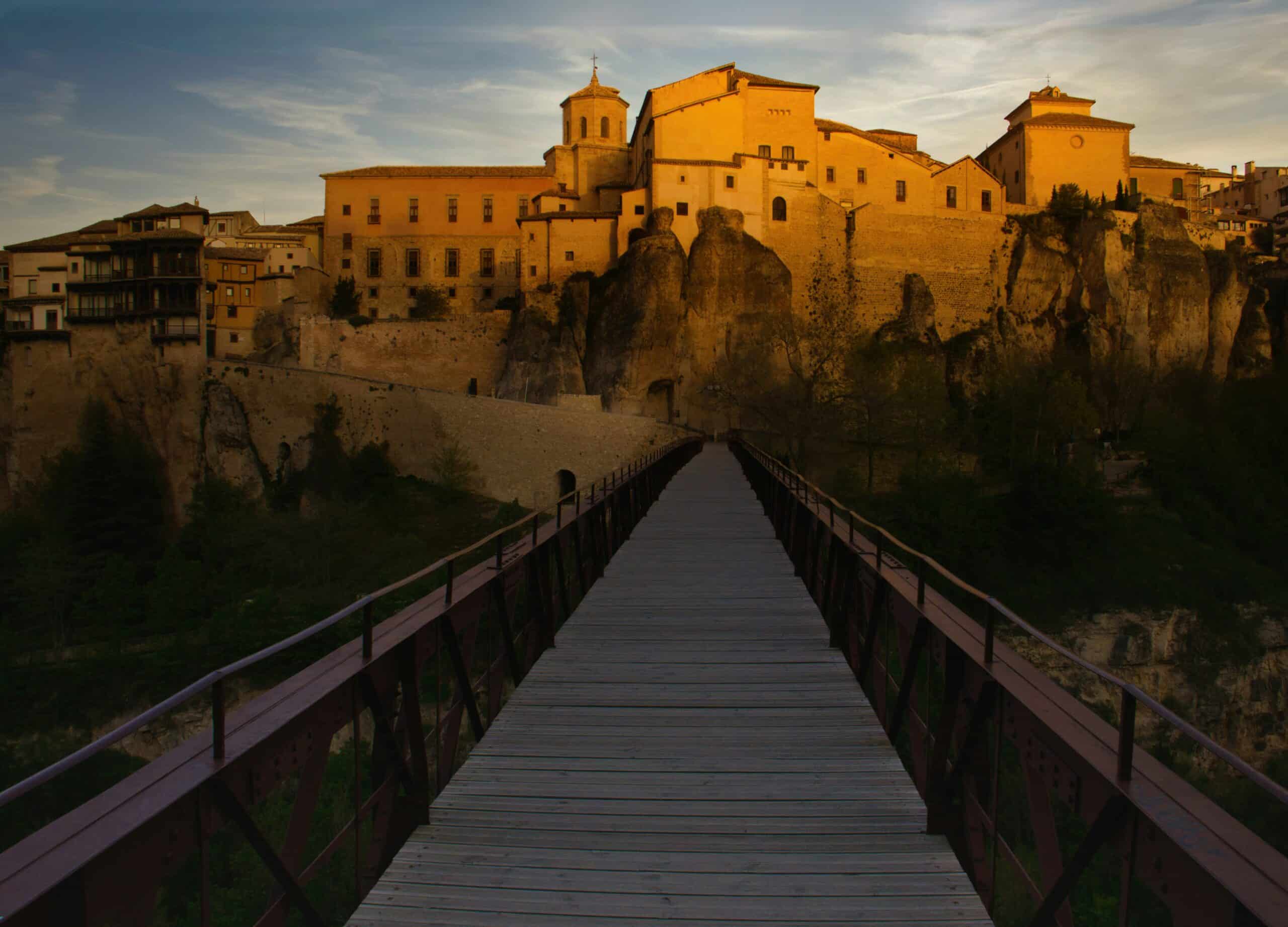
Most eclipse guides assume the sun will be high overhead. This one won’t be.
For the total solar eclipse Spain 2026, the sun will be very low above the horizon during totality—roughly in the 8°–12° range depending on your exact location. That low angle creates an extraordinary atmosphere, but it also introduces a harsh reality: if you have a hill, building, or even a line of tall trees in the wrong direction, you can miss the moment entirely.
This is why eclipse planning for 2026 isn’t about finding a pretty location. It’s about finding a pretty location with an unobstructed horizon.
Most eclipse guides assume the sun will be high overhead. This one won’t be.
For the total solar eclipse Spain 2026, the sun will be very low above the horizon during totality—roughly in the 8°–12° range depending on your exact location. That low angle creates an extraordinary atmosphere, but it also introduces a harsh reality: if you have a hill, building, or even a line of tall trees in the wrong direction, you can miss the moment entirely.
This is why eclipse planning for 2026 isn’t about finding a pretty location. It’s about finding a pretty location with an unobstructed horizon.
The Obstacle Audit (do this the night before)
The most professional move you can make is simple: check your viewing location at the same time the night before.
Stand in your exact planned spot around 8:20 PM the evening before eclipse day and look toward the sun’s setting direction. If anything blocks the horizon—cathedrals, hills, apartments, tree lines—move your viewing plan now, not on eclipse day.
Guidester Tip
With a sunset eclipse, a “great view” isn’t enough — you need a clean window to the horizon.
Check your exact viewing location the night before at the same time totality will occur.
Coastal Drama vs. Inland Certainty: Choosing Your Viewing Zone
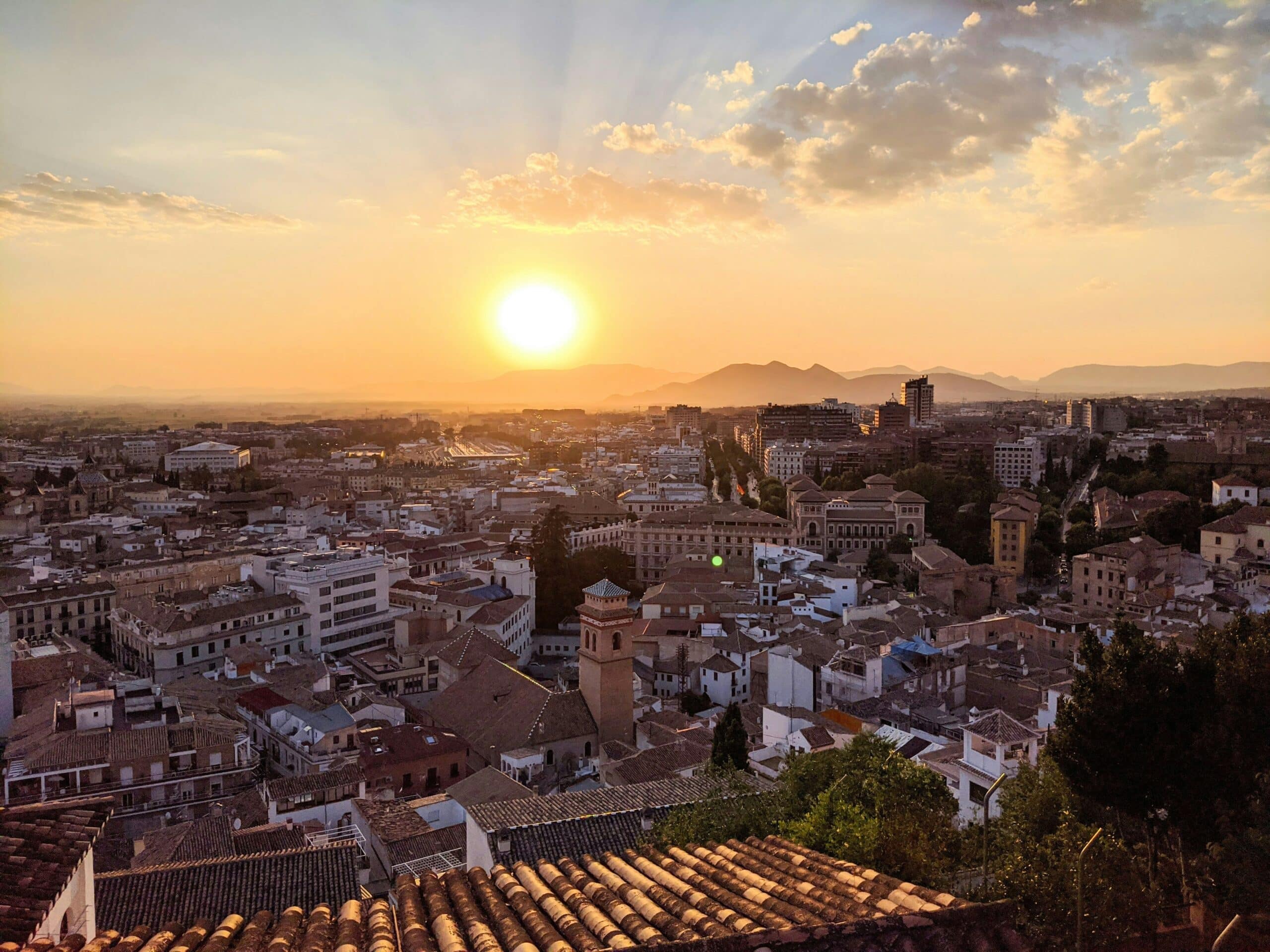
Northern Spain gives you two strong strategies. Both can be incredible—but they create different tradeoffs.
The Green Coast (Asturias + Galicia): best for atmosphere and cinematic scenery
If you want your eclipse experience wrapped in coastline drama—cliffs, beaches, salt air, and wide horizons—the northern coast is unforgettable. These areas are also ideal if you’re building a full vacation around the event: city strolling, seafood dinners, and scenic drives.
The tradeoff is weather. Coastal Northern Spain can bring mist and cloud variability, which means you’ll want a stronger backup plan.
Best for: travelers who value scenery, coastal energy, and a travel-publication feel
Smart move: keep an inland backup location ready
The High Plateau (Castile and León): best for sky reliability and open horizons
If your top goal is maximizing visibility, your best play is inland. The Castilian Plateau—known as the Meseta—is high, dry, and wide open. That combination matters during a sunset eclipse because you want two things at once: clear skies and flat horizons.
This inland band is what many eclipse travelers will treat as the “Golden Zone.”
Best for: travelers who care most about seeing totality clearly and comfortably
Smart move: choose a base with easy access and minimal skyline obstruction
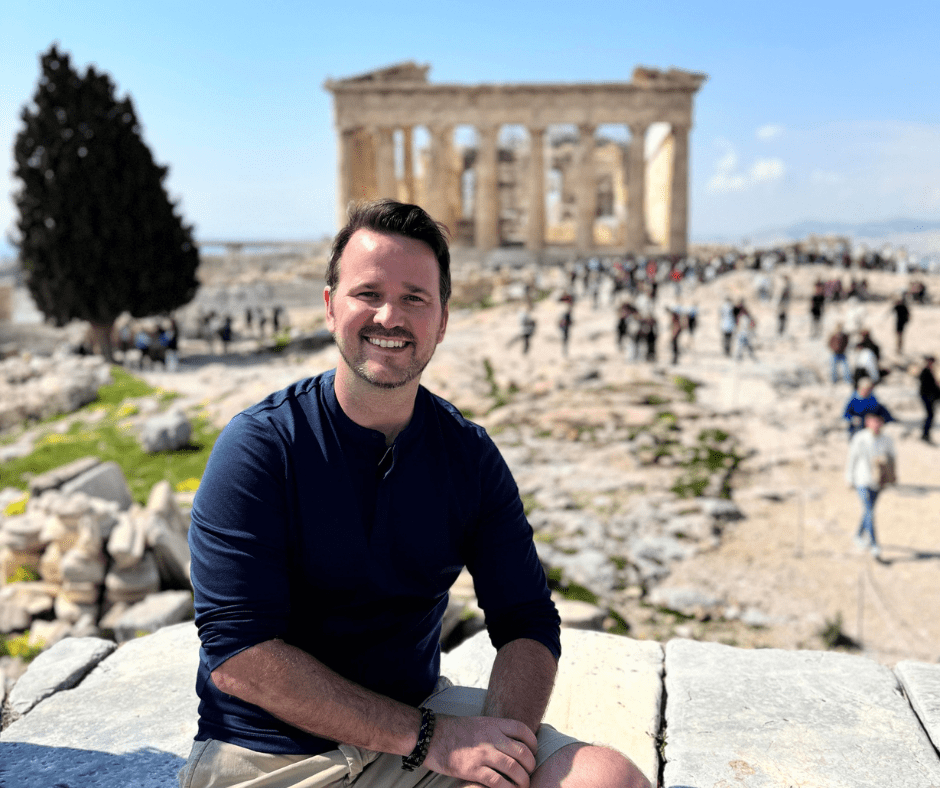
The “Golden Zone”: Where to Stay for the Best Eclipse Odds
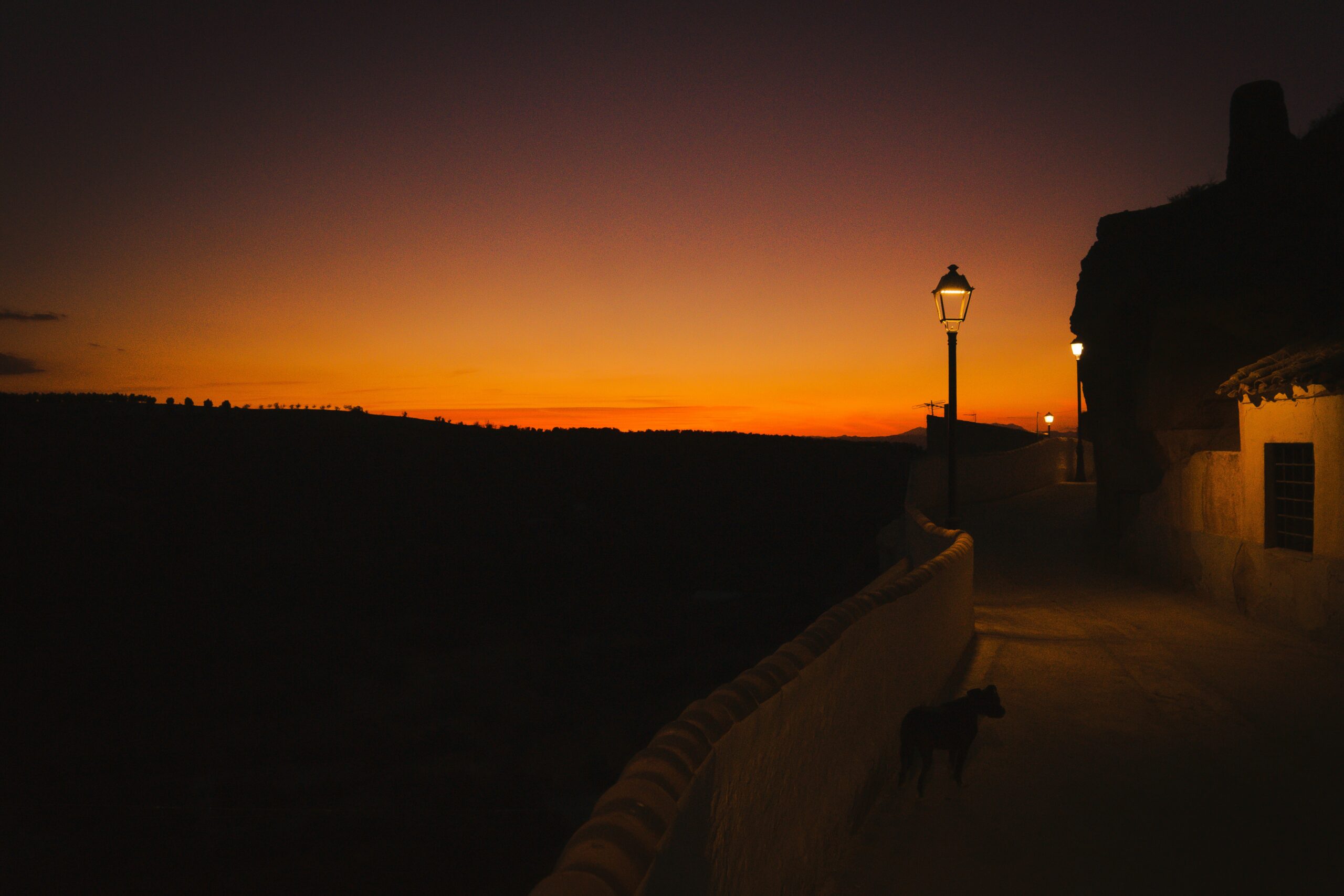
If you want to lower your chances of a cloud-out, move away from the Atlantic coast and into the interior plateau. These cities are practical, walkable, and strategically placed for eclipse planning.
Burgos: the strategic frontrunner
Burgos combines dramatic Gothic beauty with a smart inland position. It’s a strong base if you want a real city experience without relying on coastal conditions.
Best viewpoint idea: Burgos Castle (Castillo de Burgos). Elevation matters when the sun is low—standing higher can protect your sightline from buildings and nearby hills.
Guidester Tip
Consider staying slightly outside the city center for easier horizon visibility and cleaner
eclipse-day access.
León: history meets a smart travel setup
León is vibrant, walkable, and extremely rewarding beyond eclipse day. It also works well if you want a trip that doesn’t depend on a car from start to finish.
Best viewpoint idea: move slightly outside the densest center toward flatter terrain to protect your horizon view.
Beyond the eclipse: León is famous for tapas culture, making it one of the most satisfying “celebration cities” after totality.
Palencia: the under-the-radar alternative
Palencia is the quiet, savvy choice: calmer pricing, fewer crowds, and wide-open surroundings that make sightlines easier.
Best viewpoint idea: Cristo del Otero offers a panoramic overlook that’s ideal for watching the light change across the plains.
Valladolid: the sleeper base town
Valladolid is a larger base that gives you practical lodging inventory, dining options, and easy access to the plateau’s wide horizons. It’s not as flashy—but it’s extremely functional for eclipse travel.
Important
Always confirm your exact totality location with an official eclipse map.
Being “in the region” is not the same as being inside the path of totality.
Coastal Base Picks (Totality + City Energy)
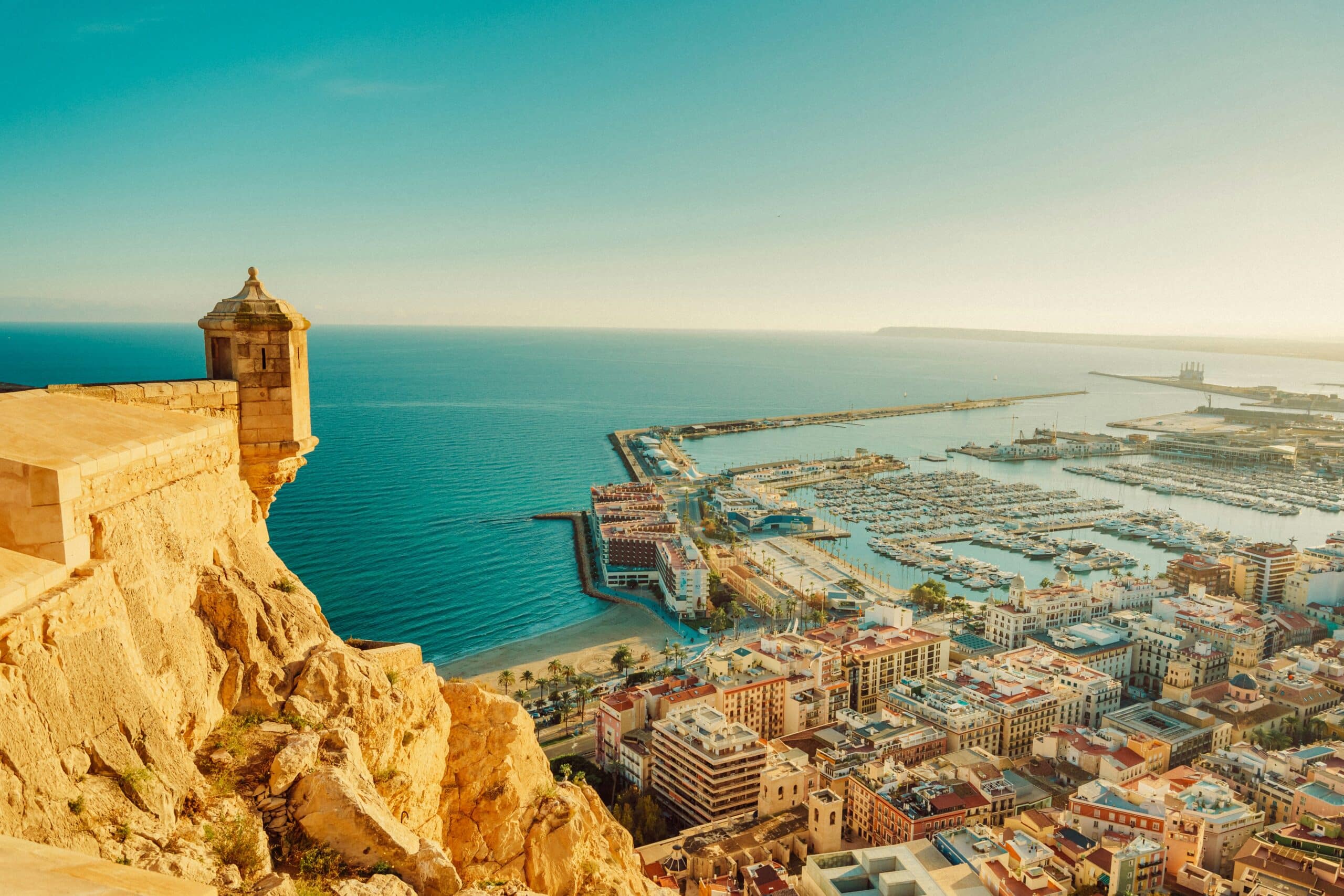
If you’re building this trip around coastal atmosphere and want a more classic travel-city base, these are two strong options.
Gijón, Asturias (coastal base with strong overall experience)
Gijón is a coastal city with real vacation energy—walkable areas, beaches, and access to Asturias scenery. It’s ideal if you want your eclipse trip to feel full and lively.
A Coruña, Galicia (stylish coastal city break)
A Coruña delivers the Atlantic setting travelers dream about: waterfront promenades, great food, and a relaxed pace that makes eclipse week feel like a true getaway.
Transparency note: Coastal cities can trade some “maximum totality duration” potential for scenery and atmosphere. Inland locations closer to the centerline may offer slightly longer totality, depending on the exact town you choose.
The Logistics of a Mass-Movement Event (What to Do Differently in 2026)
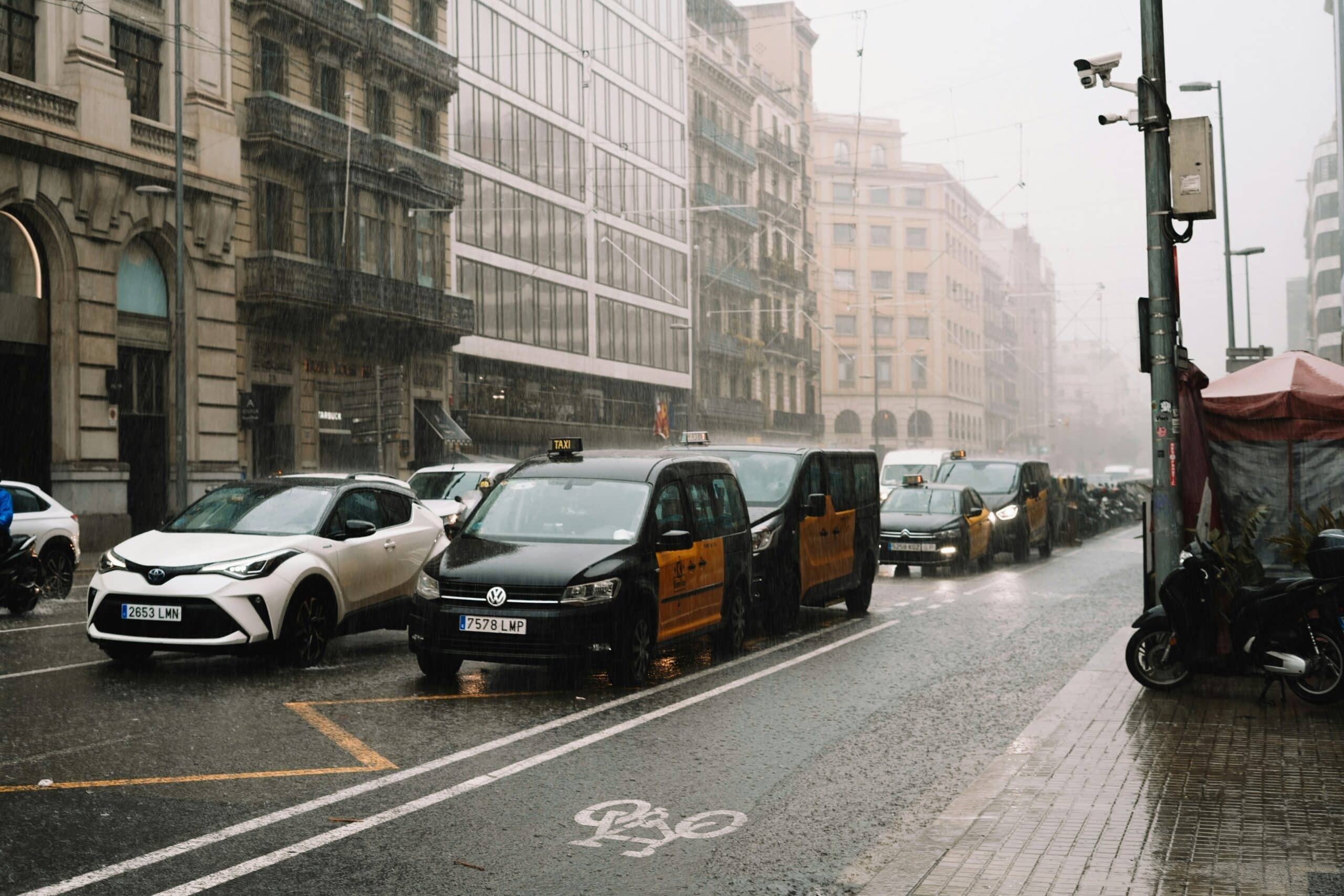
This eclipse won’t feel like normal travel. Expect heavy movement, delays, and full hotels.
Public transit vs. rental car: what’s the smarter plan?
Public transportation can work, but it may be crowded and inflexible on eclipse day—especially if you need to pivot locations for weather. A rental car gives you control, but it also comes with traffic and parking challenges.
Most travelers do best with this plan:
- base in one city
- choose a viewing location with wide horizons
- drive early and park outside the hotspot
- walk the final stretch
- keep a backup location within 30–60 minutes
Book early—and build buffers
Treat eclipse day like a holiday travel day. Add more time than you think you need, and avoid tight connections or stacked reservations that rely on perfect timing.
How to Photograph the Eclipse Safely (and Get Better Photos)

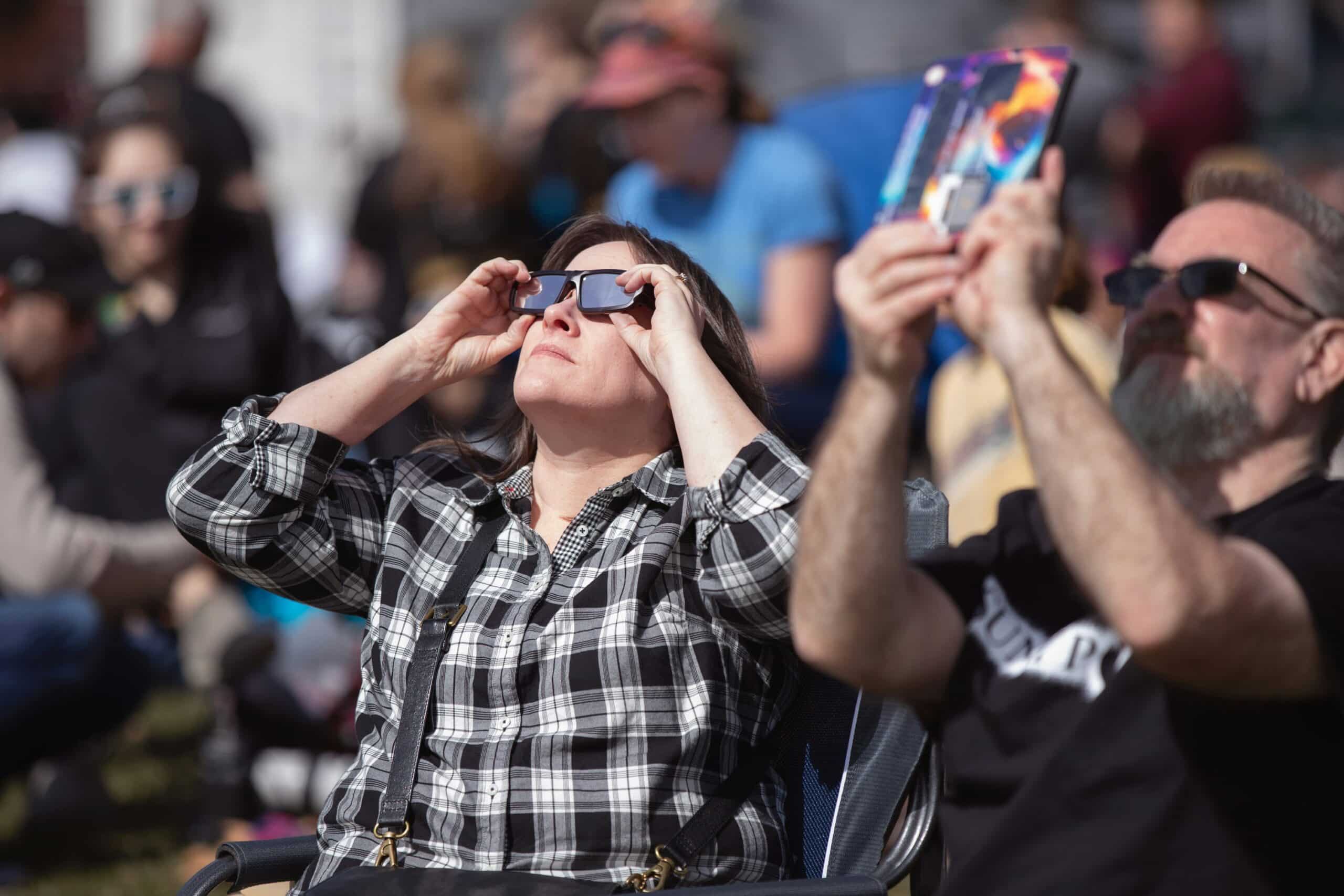
Eclipse photos can be stunning, but safety comes first.
Protect your eyes
Use certified eclipse glasses. Regular sunglasses are not enough.
Protect your camera
If you’re using a DSLR or mirrorless camera with a telephoto lens, use a solar filter designed for eclipse photography during the bright phases. This protects your sensor and lens.
The best photos may not be the sun
The most share-worthy eclipse images are often:
- the landscape color shift
- the moment the light drops
- people reacting to the sky
- wide shots of the horizon during twilight
Those photos tell the story in a way zoomed-in sun shots often don’t.
Want stronger eclipse shots?
Learn composition, lighting, and gear basics in How to Take the Best Travel Photos
FAQs: Total Solar Eclipse Spain 2026
Where is the best place to see the total solar eclipse in Spain in 2026?
For the best odds, the inland plateau of Castile and León offers open horizons and typically clearer conditions. Coastal bases offer dramatic scenery but can carry higher weather variability.
What should I pack for eclipse day?
Certified eclipse glasses, water, snacks, sunscreen, layers, a portable charger, and offline maps.
Why does the sunset angle matter so much?
Because a low sun angle means even small obstructions—hills, buildings, tree lines—can block your view of totality.
Is Northern Spain worth visiting beyond the eclipse?
Absolutely. Northern Spain offers coastal cities, green landscapes, and food culture that feels deeply local and less over-touristed.
Plan for Sightlines, Not Just a Location
The total solar eclipse Spain 2026 is not a standard eclipse—it’s a sunset eclipse, and that changes your entire planning strategy. Choose your viewing zone wisely, run the Obstacle Audit, and plan a backup location that protects you from last-minute weather surprises.
If you’d like help building a personalized eclipse itinerary — including the best base town,
primary and backup viewing locations, and an “eclipse-plus” route designed around your travel style —
Guidester can create a plan that’s both beautiful and smart.