
Where Ferrara Fits – and Why It’s Often Overlooked
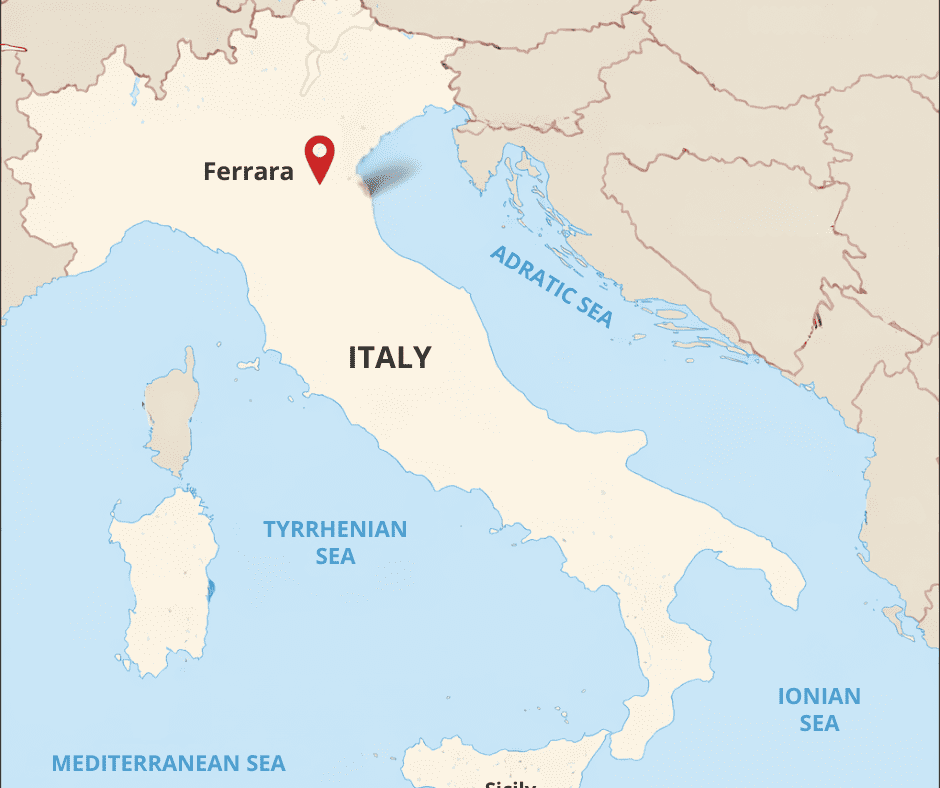
Ferrara sits in the Emilia-Romagna region, less than an hour from Bologna by train. It’s easy to reach, flat and compact, yet frequently skipped as travelers rush between bigger names. Many pass through without realizing what they’re missing.
Historically, Ferrara was never a secondary city. During the Renaissance, it was a powerful cultural center ruled by the Este family, whose influence shaped everything from art and architecture to urban planning.
The fact that Ferrara feels quiet today isn’t a sign of decline—it’s a sign that it never needed to reinvent itself for mass tourism.
A Renaissance City Designed for Real Life
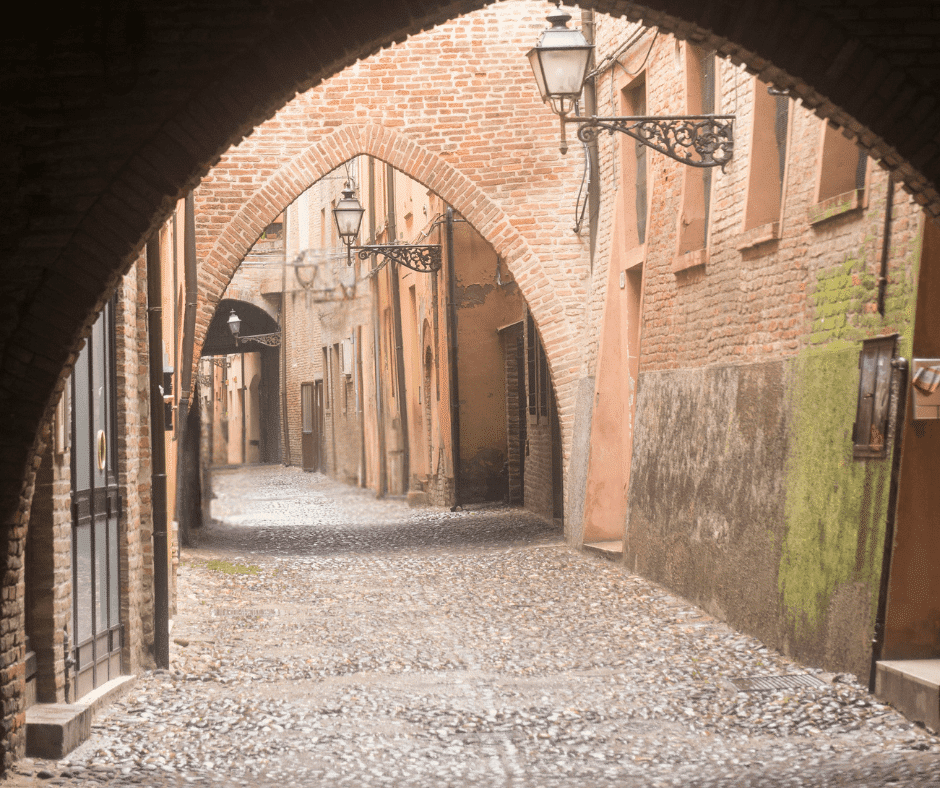
Ferrara’s historic center is a UNESCO World Heritage Site not only for its monuments, but for its role in shaping Renaissance urban planning. In the late 15th century, under Duke Ercole I d’Este, the city underwent a groundbreaking expansion known as the Addizione Erculea.
Rather than growing haphazardly, Ferrara was deliberately redesigned with wide streets, geometric order, and human-scale proportions—an early example of a city planned around civic life rather than fortification alone.
This thoughtful design still defines Ferrara today. Walking through the city feels noticeably different from Bologna or Venice. There’s space to breathe, sightlines that open rather than constrict, and a sense of calm continuity.
Daily life—bicycles gliding past palazzi, cafés filling slowly, locals crossing piazzas—takes precedence over spectacle, offering a rare glimpse of a Renaissance city functioning much as it was intended.
What to See
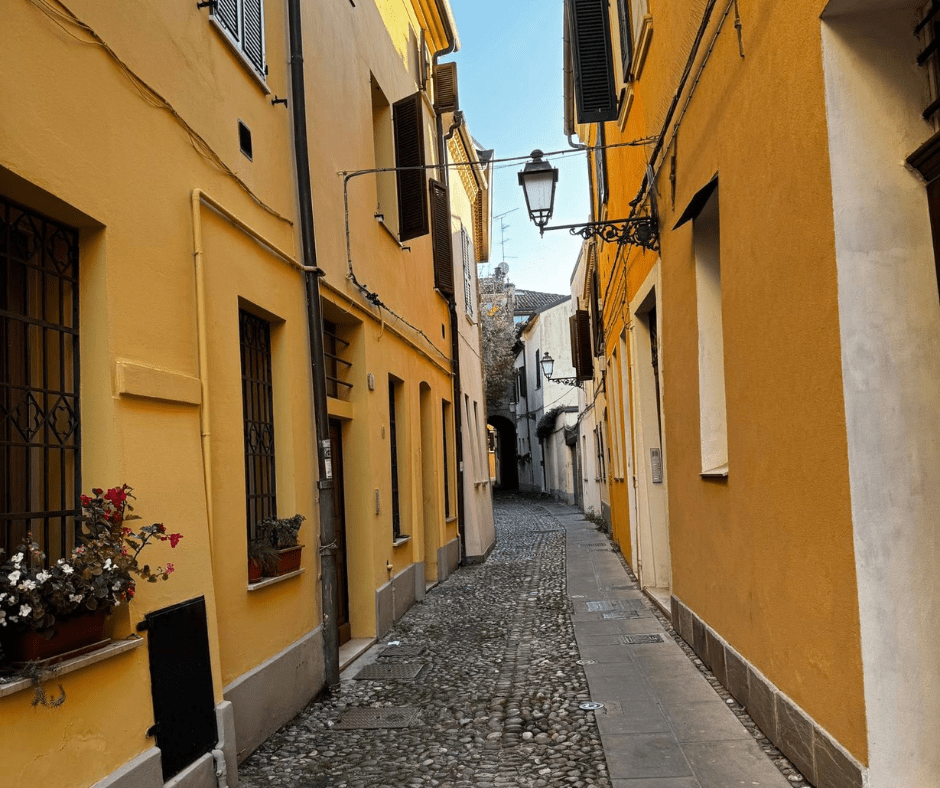
Castello Estense
Ferrara’s most recognizable landmark, this moated brick castle once served as the fortified residence of the powerful Este family. Today, it functions as a museum, with preserved palatial rooms, historic artifacts, and exhibitions that trace Ferrara’s Renaissance past.
Visitors who access the castle towers are rewarded with sweeping views over the city’s rooftops and historic center—worth noting when selecting tickets, as tower access requires the correct entry option.
Palazzo dei Diamanti
Famed for its diamond-shaped stone façade, this palace is a masterpiece of Renaissance architecture. Today it houses rotating art exhibitions, but even without stepping inside, the building’s geometry and restraint are worth the stop.
The City Walls
Ferrara is encircled by one of the best-preserved Renaissance wall systems in Italy. Locals use them not as relics, but as green space—perfect for walking or cycling. Circling the walls offers a rare chance to see how the city was designed to be defended, lived in, and enjoyed.
Ferrara Cathedral (Cattedrale di San Giorgio)
Set along the edge of the medieval and Renaissance city, Ferrara’s cathedral reflects centuries of architectural layering, blending Romanesque foundations with later Gothic and Baroque additions. Its façade tells the story of a city that evolved carefully rather than abruptly.
Via delle Volte
One of Ferrara’s most atmospheric streets, Via delle Volte runs through the medieval quarter, connected by overhead arches that once linked merchant warehouses. Walking here offers a glimpse of Ferrara before Renaissance expansion—quiet, narrow, and deeply evocative.
Palazzo Schifanoia
Once a pleasure palace for the Este court, Palazzo Schifanoia is best known for its rare Renaissance fresco cycle depicting the months of the year. The imagery blends astrology, mythology, and political symbolism—offering insight into how power and art intersected in Ferrara’s courtly life.
National Archaeological Museum of Ferrara
Housed in the elegant Palazzo Costabili, this museum focuses on Ferrara’s ancient roots, particularly the Etruscan city of Spina. It provides historical depth beyond the Renaissance and is often overlooked by short-term visitors.
Pinacoteca Nazionale
Ferrara’s national art gallery showcases works from the city’s distinctive Renaissance school, including artists closely tied to the Este court. It’s a quiet, rewarding stop for those interested in how Ferrara’s artistic identity developed alongside its political power.
Piazza della Cattedrale
Anchoring the historic center, this piazza sits at the intersection of medieval and Renaissance Ferrara. It’s a natural gathering point where daily life unfolds—markets, cafés, and evening strolls—framed by the cathedral and surrounding palazzi.
Ferrara’s Food: Courtly, Rich, and Distinct
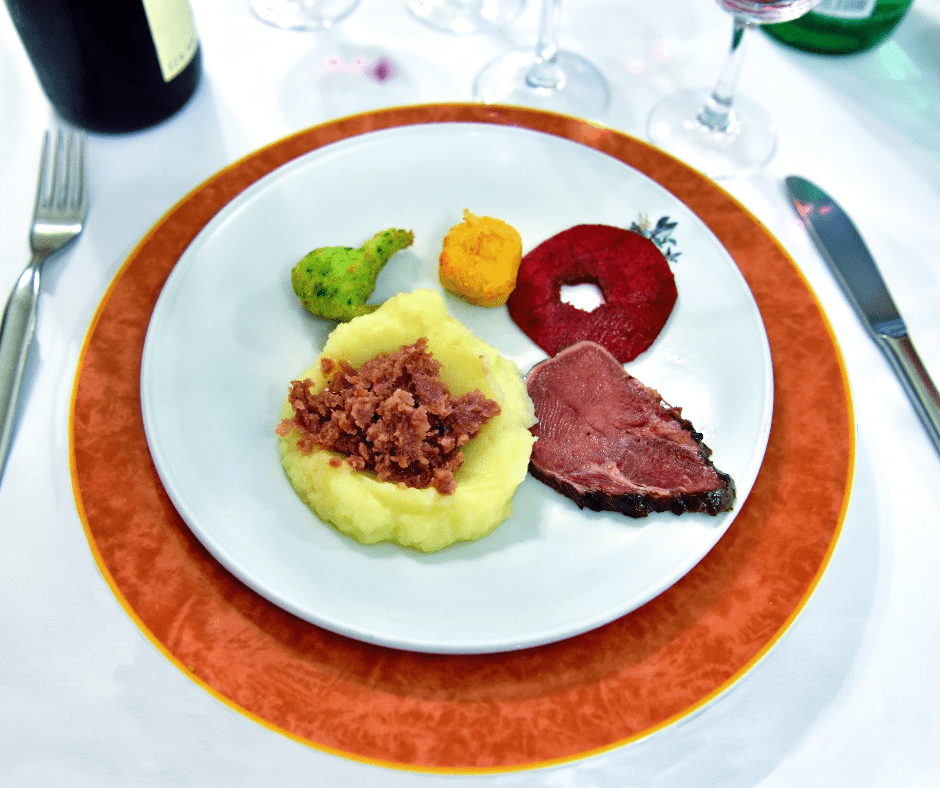
Ferrara’s cuisine reflects its history as a Renaissance court city, shaped by refined tastes rather than rustic necessity. Traditional dishes tend to be rich, structured, and deeply tied to local custom—recipes that developed for nobility and formal occasions rather than everyday peasant fare.
Two specialties define the city’s culinary identity. Cappellacci di zucca, pasta filled with delicately spiced pumpkin, is a Ferrara classic often served simply with butter and sage. Salama da sugo, a heavily seasoned cured sausage, is a ceremonial dish traditionally reserved for special occasions and slow, communal meals.
To experience these dishes in context, long-standing local institutions are best. Cusina e Butega offers a polished take on Ferrara’s traditional flavors using seasonal ingredients, while Il Mandolino is known for its adherence to classic recipes in an intimate, understated setting.
For a more historic atmosphere, Trattoria da Noemi preserves the feel of an old-world osteria, where Ferrara’s culinary traditions remain firmly intact.
Meals here feel grounded in continuity rather than trend—another reflection of a city comfortable preserving its identity.
Who Ferrara is Perfect For
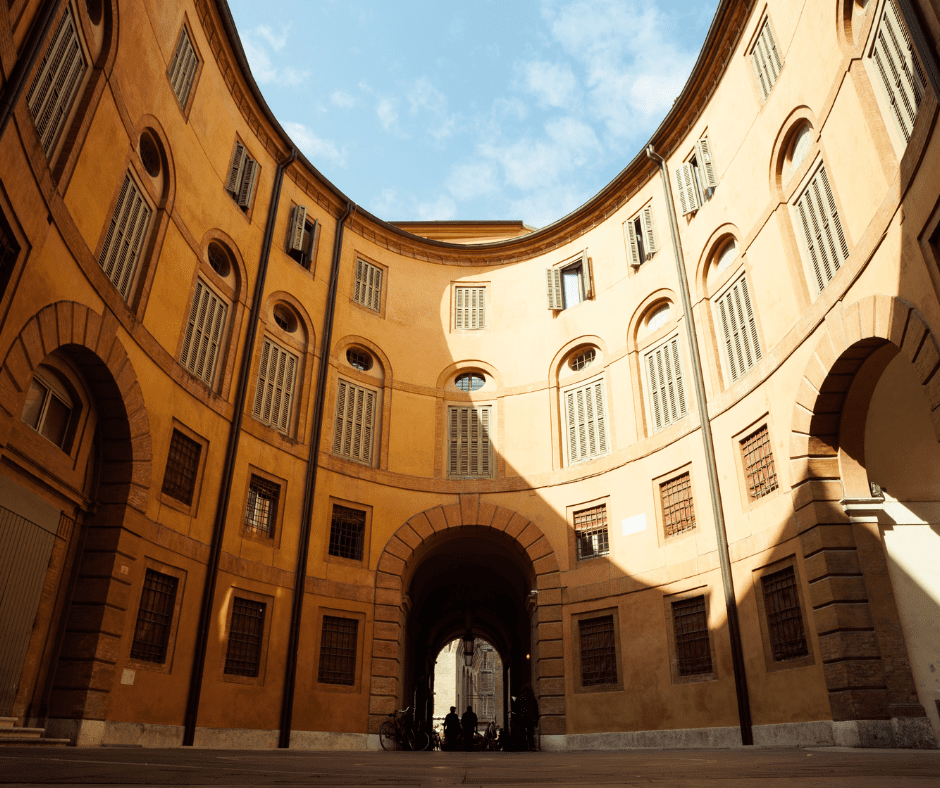
Ferrara isn’t trying to appeal to everyone, and that’s its strength. It’s especially well-suited to:
- Travelers who’ve already seen Rome, Florence, and Venice
- History lovers drawn to Renaissance culture beyond the obvious names
- Slow travelers who value atmosphere over attractions
- Visitors seeking an authentic northern Italian city without crowds
Ferrara vs. Bologna: A Study in Contrast
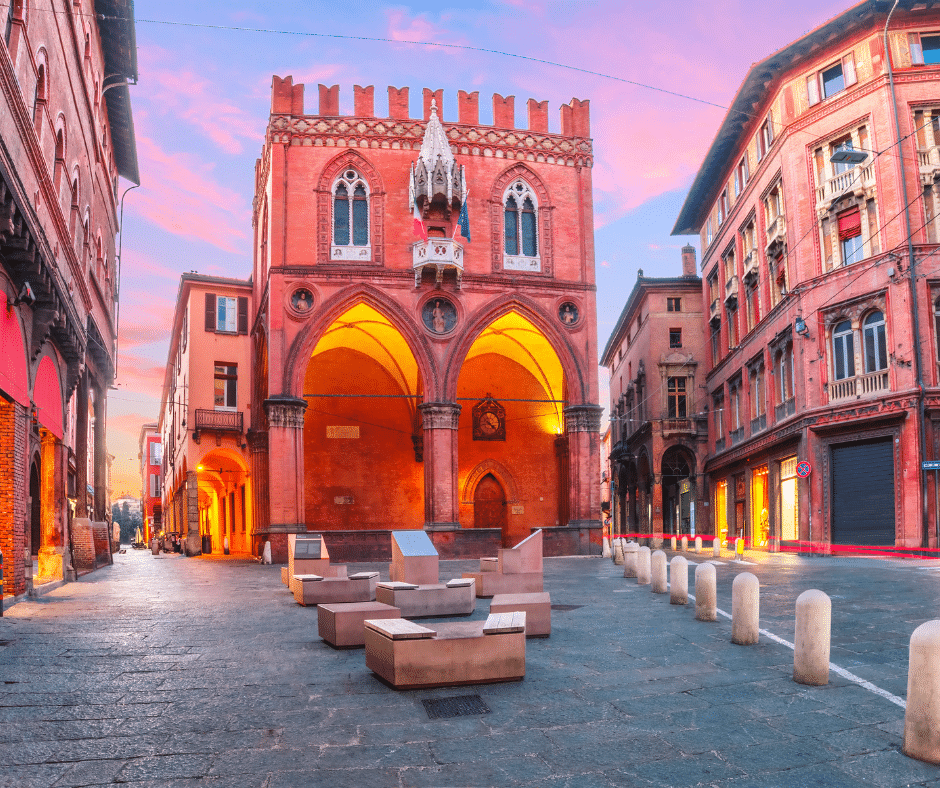
Bologna buzzes with energy—students, markets, and endless trattorias. Ferrara, by contrast, is quieter and more reflective. Where Bologna invites you to dive in, Ferrara invites you to linger.
If Bologna is your introduction to northern Italy’s food culture and vibrant street life, Ferrara offers a calmer counterpoint just down the rail line.
For inspiration on where to start, explore 7 must-see spots in Bologna.
Planning a Visit
Ferrara is compact and easy to navigate, best explored on foot or by bicycle. A half-day allows for a solid introduction, but staying overnight reveals the city’s true character—especially in the evening, when day-trippers leave and Ferrara returns fully to itself.
Because of its location, Ferrara works beautifully as part of a thoughtfully paced northern Italy itinerary rather than a rushed stop.
Ferrara Travel FAQs
Is Ferrara worth visiting?
Yes. Ferrara offers Renaissance architecture, UNESCO-recognized urban planning, and an authentic local atmosphere without the crowds found in Italy’s more famous cities.
How much time do you need in Ferrara?
A half-day is enough to see the highlights, but an overnight stay allows you to experience the city’s quieter rhythm and evening atmosphere.
Is Ferrara a good day trip from Bologna?
Yes. Ferrara is less than an hour from Bologna by train, making it an easy and rewarding day trip or short overnight extension.
Is Ferrara very touristy?
No. Ferrara remains largely under the radar, especially compared to nearby Bologna and Venice, which is part of its appeal.
Should I get the MyFE Ferrara Card?
The MyFE Ferrara Card can be a good value for visitors planning to visit several museums, including Castello Estense and Palazzo Schifanoia.
It simplifies entry and can save both time and money. Travelers planning to visit only one or two sites may find purchasing individual tickets more practical.
Why Ferrara Stays With You
Ferrara doesn’t overwhelm. It doesn’t compete. It simply exists—confident in its history, comfortable in its quiet.
Long after louder cities blur together, Ferrara remains distinct, remembered not for what it demanded of your attention, but for how effortlessly it earned it.