When are the Milan–Cortina 2026 Winter Olympics?
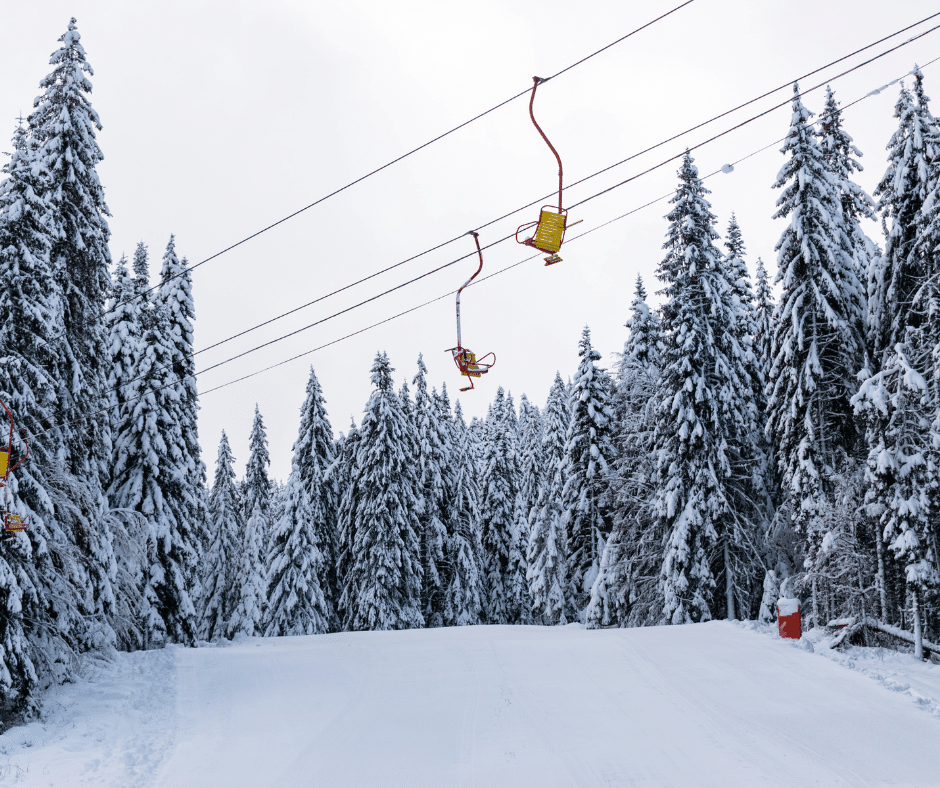
The Milan–Cortina 2026 Winter Olympics take place in February 2026, with events spread across Milan and Northern Italy’s mountain regions. The key thing to understand is that this isn’t a single “host city” experience.
It’s a region-wide event.
That’s why the best travel move is to choose one strong base, then build the trip outward with day trips and scenic loops—especially if you’re planning last-minute.
Can you still plan a last-minute Milan–Cortina 2026 trip?

Yes. But you need the right expectations.
Hotels will be limited, prices will be elevated, and transport planning matters more than usual. The best last-minute trips aren’t built on chasing every Olympic moment. They’re built on curated experiences that still feel rare.
This is where the Dolomites shine.
If you’re searching for a Milan–Cortina 2026 travel guide because tickets feel out of reach, you’re not behind. You’re simply planning a different kind of trip—one that’s often more enjoyable.
The Strategy for 2026: Base and Pivot
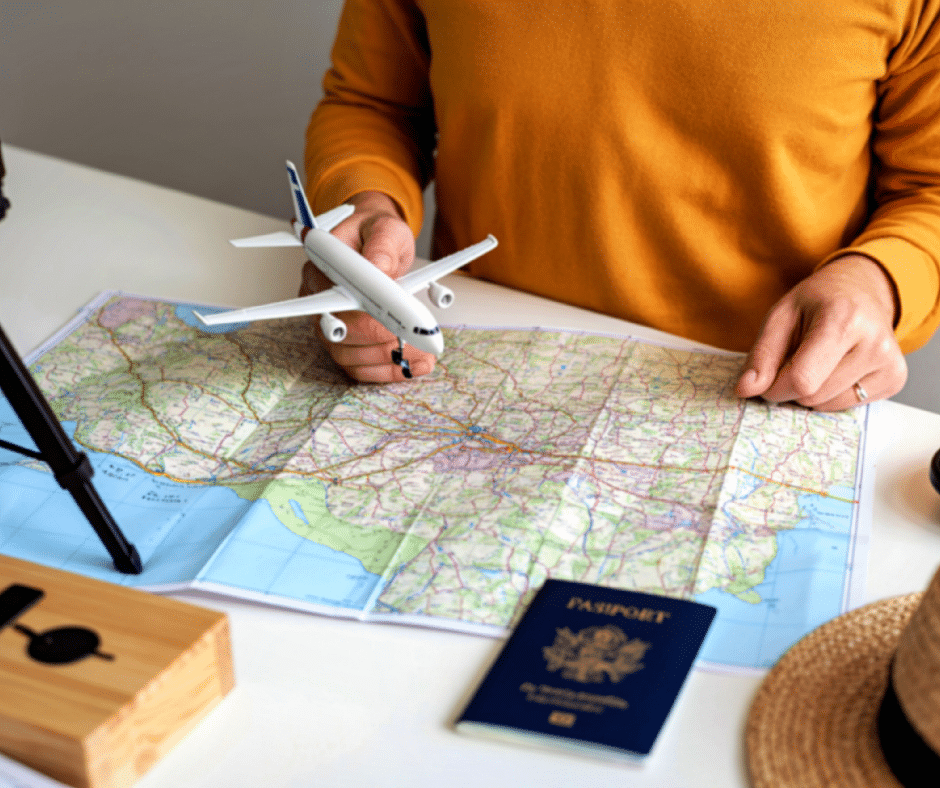
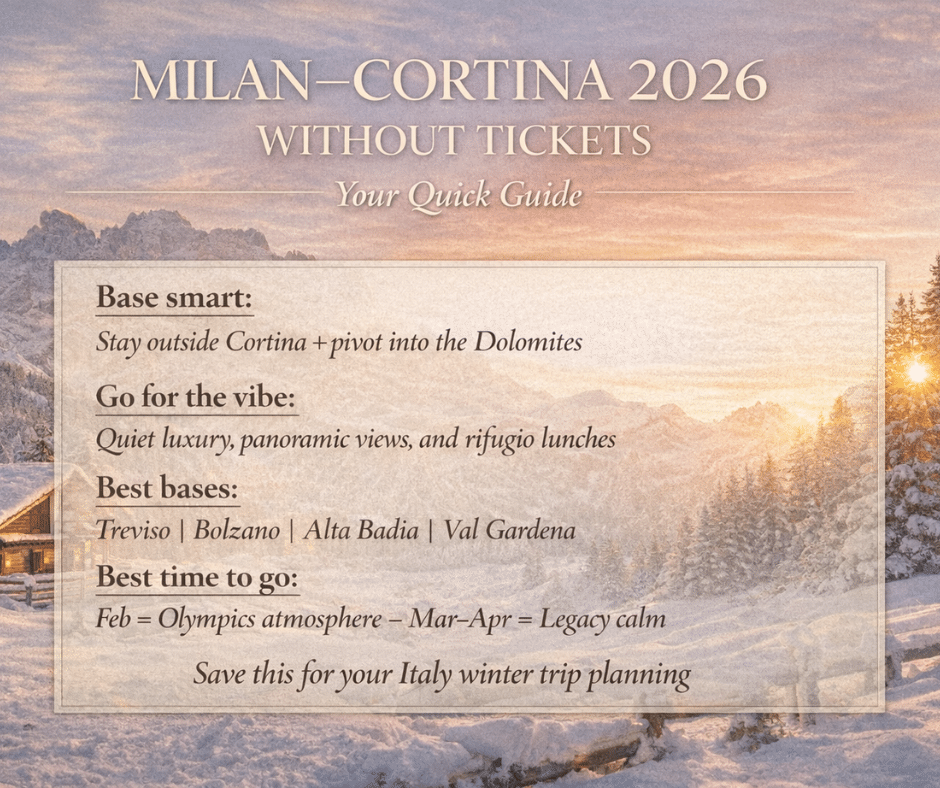
Trying to stay directly inside the Olympic core is the fastest way to overpay and feel stressed. Instead, use a “Base and Pivot” plan: stay somewhere elegant and strategic, then day-trip into the Dolomites for the views, the dining, and the Olympic-season atmosphere.
The Treviso Pivot (Best for a polished, low-stress base)
Treviso is often called “Little Venice,” but it feels calmer, more local, and far easier to navigate. It’s a refined base that gives you beautiful canals, excellent dining, and an atmosphere that doesn’t feel consumed by the Games.
From here, you can plan efficient travel into the mountains without waking up in the middle of peak congestion.
Best for: travelers who want charm, calm, and flexibility
Vibe: quiet, elegant, unbothered
The Bolzano Hub (Best for wellness + alpine access)
Bolzano gives you Germanic-Alpine character, strong hotel infrastructure, and a sense of order that can be reassuring during a busy travel season. It’s also one of the smartest bases if you want easy access to multiple Dolomites routes without committing to a single resort town.
This is the version of the Winter Olympics 2026 travel experience that feels grounded, restorative, and still deeply scenic.
Best for: travelers who want spas, comfort, and easy access
Vibe: alpine city + refined retreat

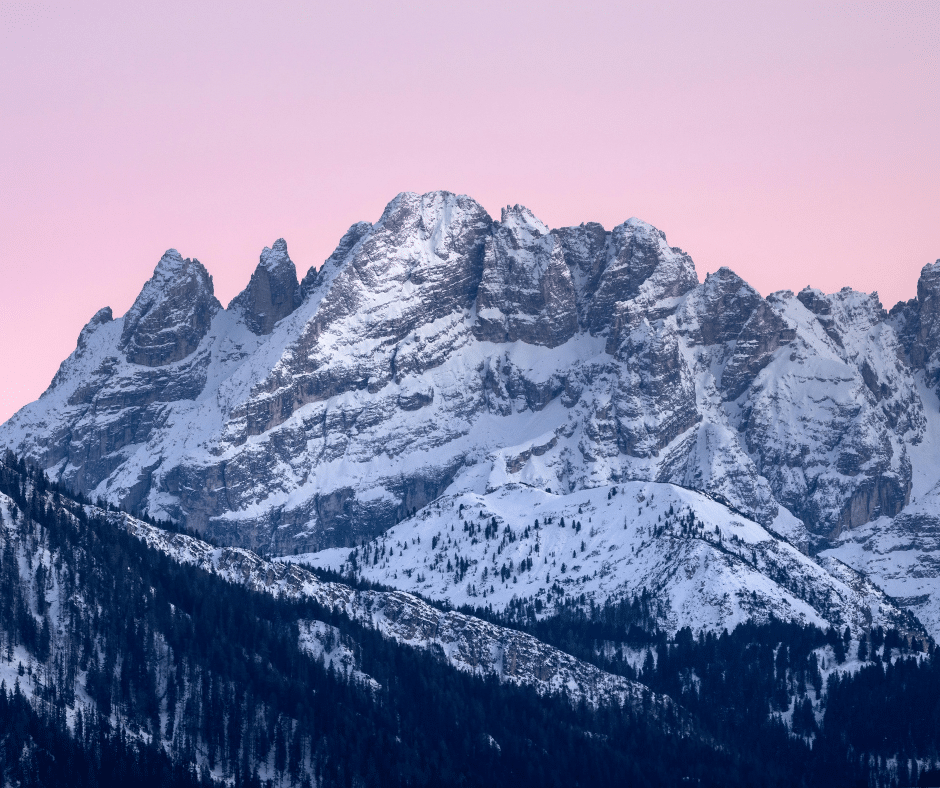
The Real Headliner: The Dolomites “Quiet Luxury” Lifestyle
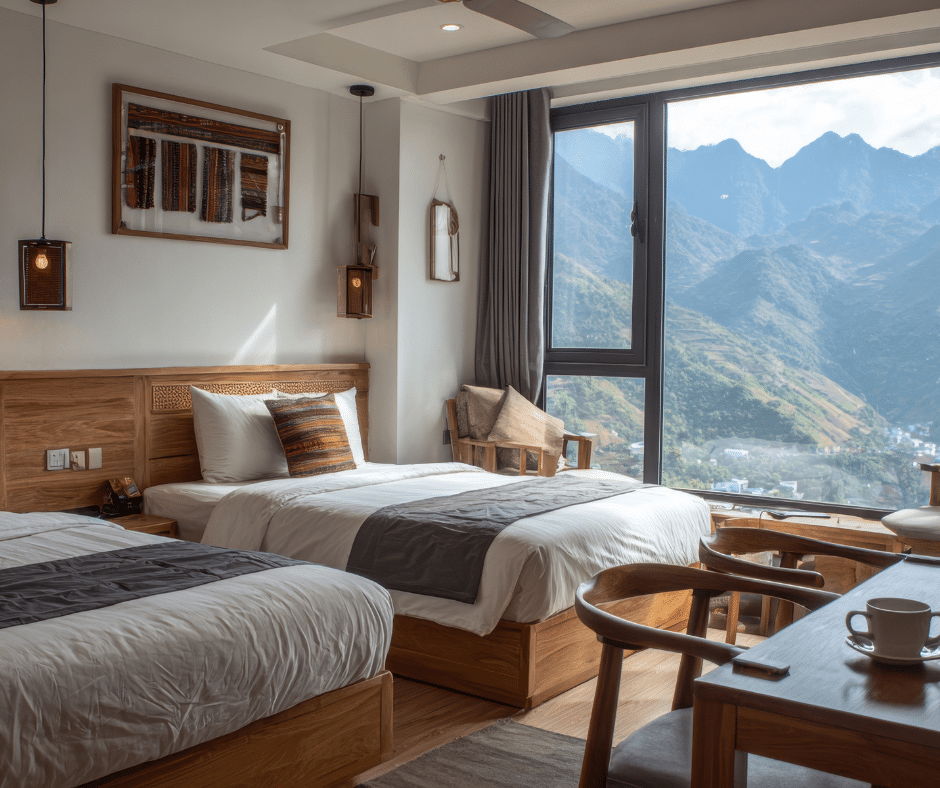
If you’re picturing loud après-ski and neon gear, reset the expectation. The quiet luxury trend in the Dolomites is about restraint. It’s about atmosphere. It’s about experiences that feel special without trying too hard.
During Milan–Cortina 2026, that quiet luxury energy becomes even more pronounced. The region will be polished, elevated, and fully in its element.
Think:
- panoramic gondolas instead of crowds
- wellness time instead of itinerary overload
- long lunches at mountain restaurants that feel like destinations
Gastronomy Above the Clouds (The Rifugio Renaissance)
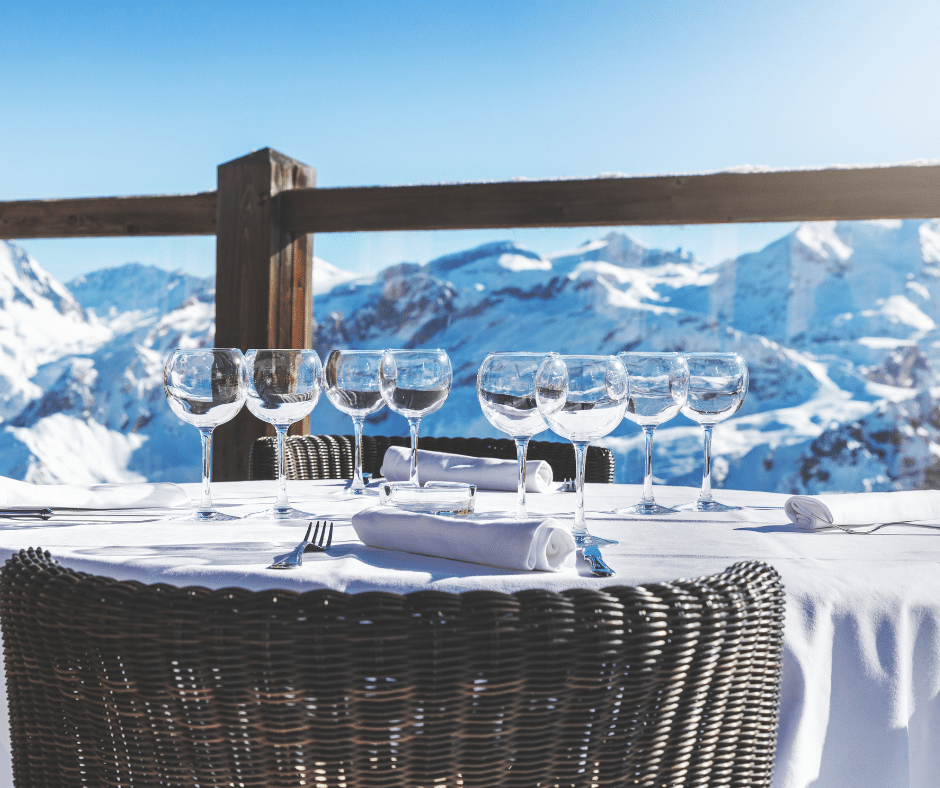
In 2026, the Dolomites aren’t just a ski destination. They’re a high-altitude culinary circuit.
The best dining experiences happen where the views feel unreal and the pacing forces you to slow down. This is why “rifugio dining” should be part of any Milan–Cortina 2026 travel guide, whether you’re skiing or not.
A “Lunch of Kings” at Rifugio Averau
If you want one meal that defines the trip, make it Rifugio Averau. Sitting at altitude with a terrace view that stretches across the peaks, it turns a simple lunch into a moment you’ll remember long after the Olympics are over.
This is where you lean into the Dolomites lifestyle: order well, linger longer, and let the mountain do the work.
A Refined Pause at the Masi Wine Bar (Freccia nel Cielo)
If your ideal “viewing experience” includes a great glass of wine, the Masi Wine Bar offers one of the most elevated escapes in the region—literally and stylistically. It’s the kind of place where the energy feels close enough to the Games to be exciting, but far enough away to stay elegant.
This is the shadow version of Olympic travel: still connected, never chaotic.
Wild Wellness in the Alps: The Calm Way to Do Olympic Season
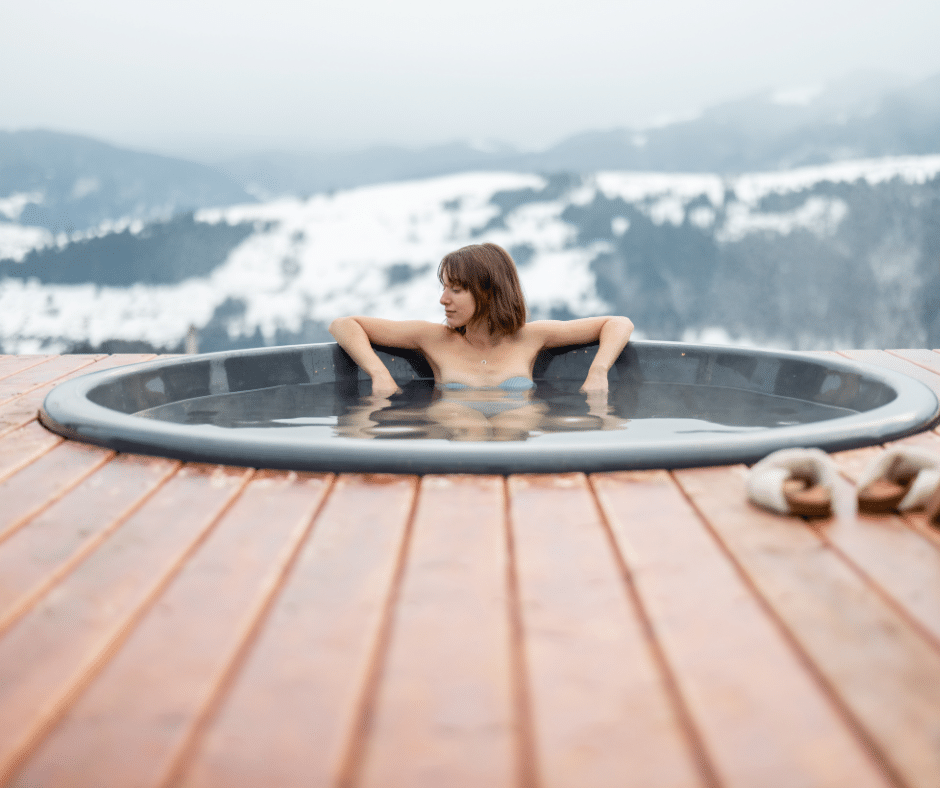
Many travelers will arrive in the Dolomites chasing adrenaline. The smarter move is restoration.
In 2026, wellness won’t be a side note—it will be the reason many travelers choose the mountains over the city.
Val di Fiemme and the “Violin Forest”
Val di Fiemme offers a quieter, more meaningful kind of day—especially if you’re craving nature that feels historic, not staged. This area is known for its “Violin Forest,” where resonance-rich spruce has been used in instrument-making traditions for centuries.
A guided snowshoe walk here is less about speed and more about atmosphere.
QC Terme Dolomiti (Pozza di Fassa)
If you want the Dolomites to feel cinematic, plan a thermal bath experience. QC Terme Dolomiti is ideal for travelers who want a clean, modern spa environment with that iconic alpine payoff: warm water, cold air, and peaks turning pink at sunset.
That sunset glow—Enrosadira—doesn’t feel like a travel moment. It feels like a memory.
What to pack for Milan–Cortina 2026 in the Dolomites
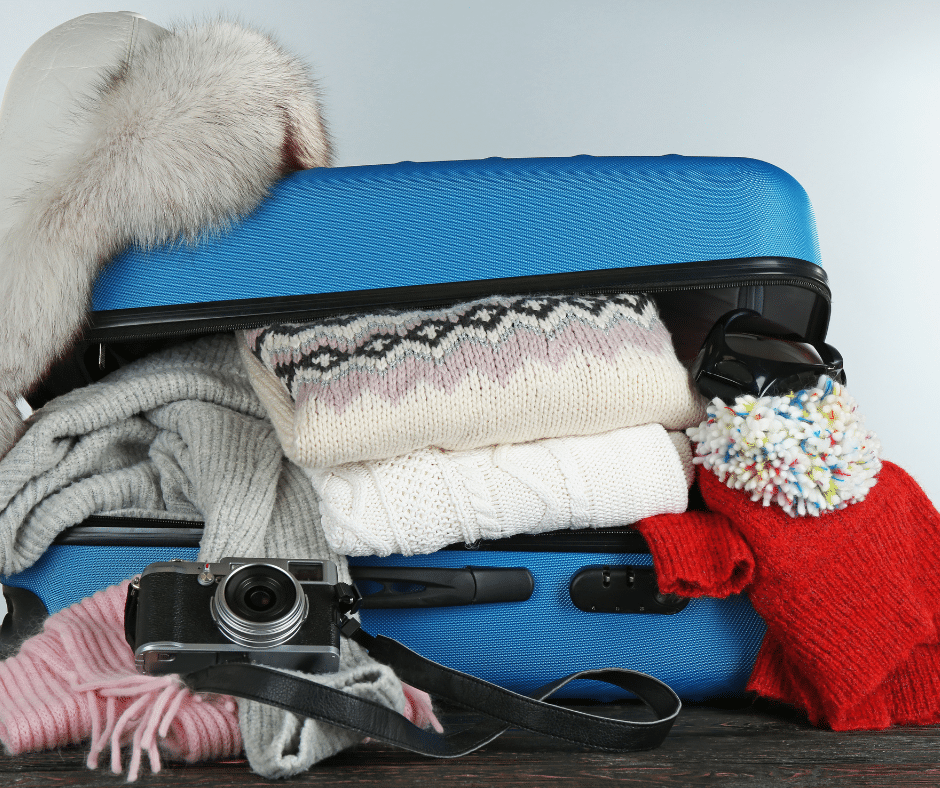
Packing well makes Olympic-season travel dramatically easier.
Prioritize:
- waterproof boots with traction
- layers that keep you warm without bulk
- gloves you can wear while taking photos
- a polished dinner outfit (quiet luxury is real here)
- a warm coat built for wind, not just cold
The Legacy Trip: Why March and April 2026 May Be Even Better
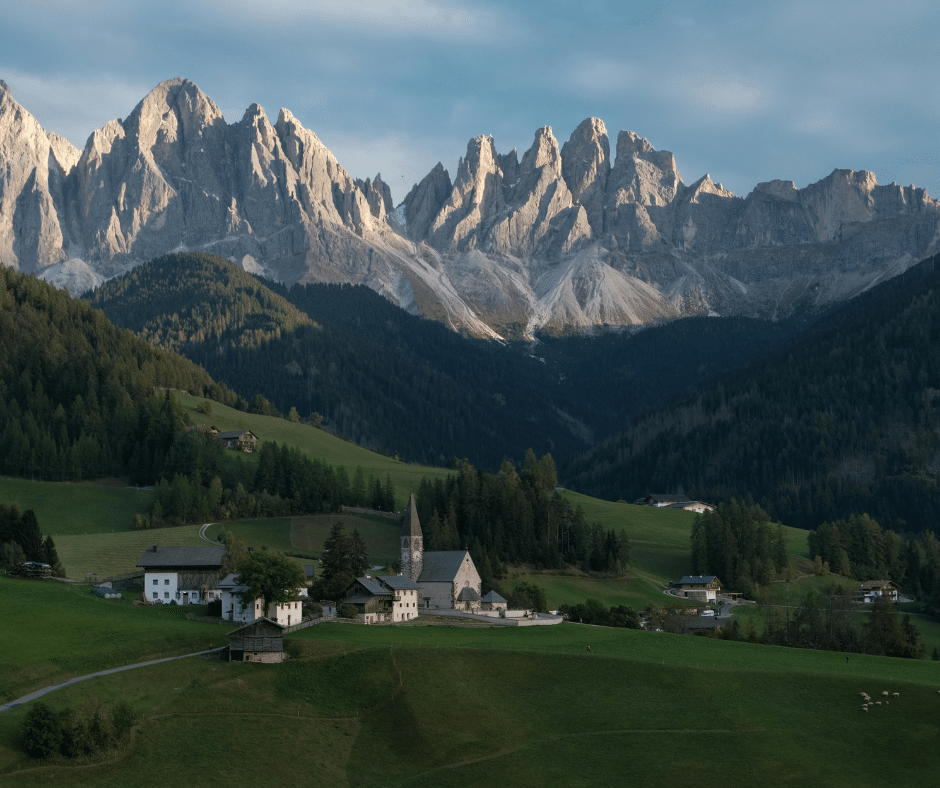
If February crowds feel like too much, the smartest travel move is the “Legacy Trip.” March and April bring a calmer pace, longer light, and a more relaxed version of the same region.
The infrastructure and upgrades built for the Games won’t disappear. You’ll still get the best of the Dolomites—often with fewer crowds and a softer rhythm.
This is the gold-standard way to experience Milan–Cortina 2026 without the pressure of peak week intensity.
FAQs: Milan–Cortina 2026 Travel Planning
Do you need tickets to enjoy Milan–Cortina 2026?
No. A no-ticket itinerary focused on the Dolomites can deliver the best parts of the experience—views, dining, and atmosphere—without venue access.
Where should I stay for the Milan–Cortina 2026 Winter Olympics?
Cortina will be the most competitive. For a smarter experience, choose a strategic base like Treviso, Bolzano, Alta Badia, or Val Gardena.
Is Cortina worth visiting if I’m not skiing?
Yes. Cortina’s atmosphere, dining, and scenery make it worthwhile even for non-skiers—especially during Olympic season.
What’s the best way to travel sustainably in the Dolomites?
A base-and-pivot approach paired with local transit options (and selective transfers) is often more comfortable than driving daily during peak season.
Final Word
A Milan–Cortina Olympics trip doesn’t have to be a ticket chase. The most memorable version of this journey is often the quiet one—the version made of panoramic rides, long lunches above the clouds, and evenings that end somewhere warm.