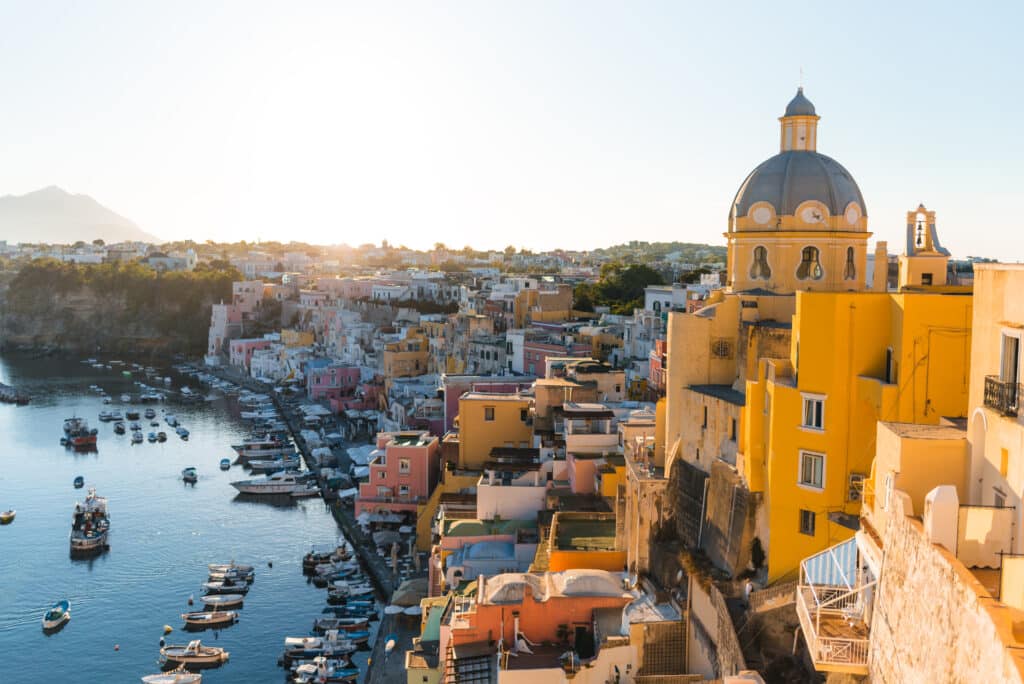
Summer in Italy conjures images that travel brochures have sold for decades: golden light spilling across Tuscan vineyards, gelato melting faster than you can eat it, and long evenings where dinner stretches past midnight. The reality? But summer in Italy also means navigating intense heat, overwhelming crowds, and practical challenges that can make or break your experience.
I’ve spent summers across Italy, from leading tours through Rome’s ancient streets to escaping the coastal crowds in hidden hill towns. The difference between travelers who rave about their Italian summer and those who regret their timing often comes down to preparation and realistic expectations.
This guide covers everything you need to know about summer in Italy: what the weather’s like, crowds to expect (and how to escape them), what to wear, and the insider strategies that separate struggling tourists from travelers who know how to work with Italian summer rather than against it.
When Is It Summer in Italy? How Hot Does it Get?
Technically, Italian summer runs June through August.Early Summer (June):
Southern Italy already feels hot, with temperatures in the 80s-90s°F (27-35°C). Northern regions like Lake Como remain pleasant, hovering in the comfortable 70s-80s°F (21-29°C). This is Italy’s transition month.Peak Summer (July-August):
This is when summer truly hits. Temperatures routinely exceed 90°F (32°C) across most of the country, with Rome, Florence, and southern regions pushing toward 95-100°F (35-38°C).August is Ferragosto season—when Italians take their own summer vacations—so it may not be the best time to go. Many local businesses in cities close for two weeks in mid-August while everyone escapes to the coast or mountains.
Late Summer (September):
Technically autumn, but early September still feels like summer. Temperatures remain in the 80s°F (26-29°C), crowds thin noticeably after the first week, and the light turns that golden quality photographers dream about. Many experienced Italy travelers consider early September the sweet spot—summer weather without peak summer chaos. The Mediterranean climate means summer is also the dry season. Rain is rare!
What to Wear to Italy in Summer
For Women:
Breathable cotton or linen dresses offer the best combination of cool comfort and cultural appropriateness. Loose-fitting pants or skirts work well, paired with light tops. Avoid synthetic materials that trap heat and sweat.
For church visits, the dress code may vary. Major churches like the Vatican, St. Peter’s Basilica, and prominent cathedrals strictly enforce modest dress—shoulders and knees must be covered, and they will turn you away at the door. Smaller local churches tend to be more lenient, with some not enforcing these rules at all. It’s a good idea to carry a lightweight scarf or shawl you can throw over your shoulders. It packs easily and solves the problem when needed without forcing you to overdress for your entire day in the heat.
Italian streets demand practical footwear. Comfortable walking sandals or tennis shoes are essential. Those Instagram-perfect espadrilles look great for five minutes but will destroy your feet over miles of cobblestones.
For Men:
Lightweight linen or cotton t-shirts or collared shirts, chino shorts or pants, and breathable walking shoes.
Universal Essentials:
- Sunglasses and a hat (the sun is relentless)
- Sunscreen SPF 30+ (reapply twice daily minimum)
- A lightweight day pack for water, layers, and purchases
- One light layer for over-air-conditioned museums and restaurants
What Not to Wear:
Skip the flip-flops in cities, heavy jeans, and anything restrictive. Also avoid obviously expensive jewelry—Italian cities are generally safe, but there’s no need to advertise valuable items in crowded tourist areas.
Beat the Summer Crowds in Italy
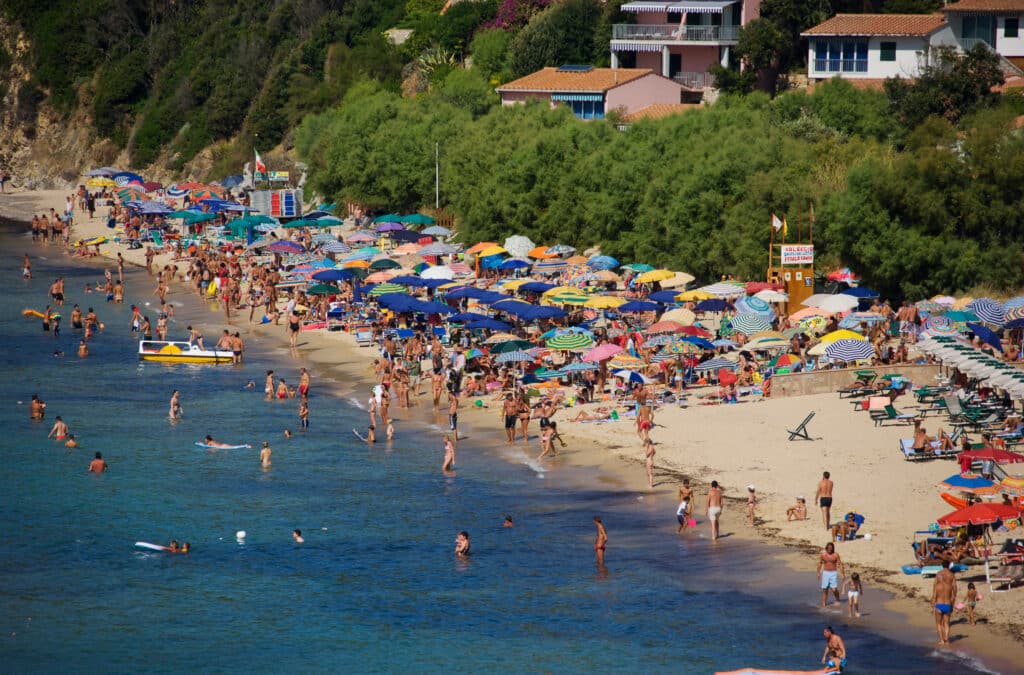
If there’s one thing to know about summers in Italy, it’s that this is the most popular season to visit. If you want to avoid the big crowds, here are some planning hacks and hidden gems that are great alternatives to the big tourist spots.
Northern Italy (Milan, Venice, Lake Como, Dolomites)
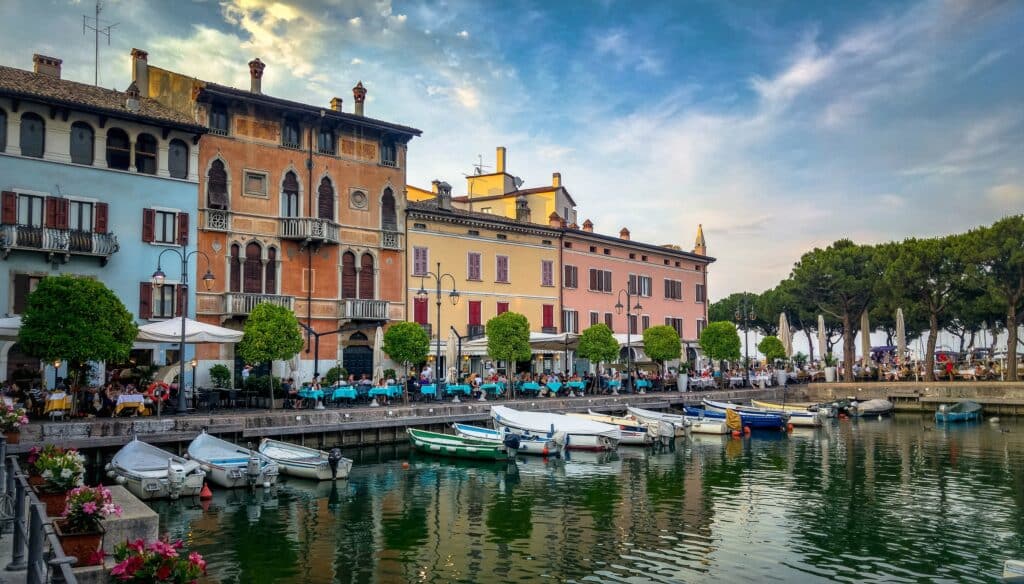
Pros: Milder temperatures compared to central and southern regions. Lakes Como and Garda offer refreshing escapes. The Dolomites provide genuinely cool mountain air and spectacular hiking. Venice, despite its crowds, benefits from sea breezes.
Cons: Venice in July-August is overwhelmingly crowded and uncomfortably humid. The city’s narrow streets trap heat, and the canals occasionally smell pungent in peak summer. Milan can feel industrial and stuffy.
Strategy: Prioritize the lakes and mountains. If visiting Venice, go very early (7-8 AM) before cruise ships empty their passengers into the city, or visit in evening after day-trippers leave.
Alternative Escapes:
- Treviso sits just outside Venice—a beautiful walled city with canals, Renaissance architecture, and a fraction of Venice’s tourist crowds. It’s reachable in 30 minutes by train.
Central Italy (Rome, Florence, Tuscany, Umbria)
Pros: This is where Italy’s greatest hits live—Colosseum, Vatican, Uffizi Gallery, Tuscan countryside. The cultural experiences are unmatched.
Cons: Rome and Florence become dangerously hot in July-August, regularly exceeding 95°F (35°C) with minimal shade at major archaeological sites. Crowds reach overwhelming levels. Museums hit capacity early, streets feel claustrophobic, and the experience can shift from magical to miserable quickly.
Strategy: If your schedule demands summer travel here, structure your days around the heat. Plan activities for early morning (tours starting at 7:30-9 AM) and late evening (after 5 PM). Embrace the Italian siesta concept—retreat to your accommodation or a restaurant during the 12-3 PM heat peak.
Alternative Escapes:
- Castelli Romani: These villages on volcanic lakes sit 45 minutes from Rome. Castel Gandolfo (where the Pope summers) and Nemi offer lakeside dining, cooler temperatures, and virtually no tourists. It’s like a mini Lake Como on Rome’s doorstep.
- Siena: While still touristy, Siena offers medieval charm with less intensity than Florence. The city’s 45 minutes from Florence but feels worlds away.
Travel Tip:
Avoid crowds by going on early morning tours. The Vatican offers early-entry tours starting at 7:30 AM—before general admission opens at 9 AM. Instead of 10,000 people, you’re with perhaps 200. The tour includes breakfast in the papal courtyard and guided access through the museums. It’s not cheap, but the difference between seeing the Sistine Chapel with space to breathe versus being packed sardine-style is worth every euro.
Southern Italy & Islands (Amalfi Coast, Sicily, Puglia, Sardinia)
Pros: This is peak beach season. Warm, clear Mediterranean waters, coastal breezes, and vibrant summer energy. Southern Italian food culture reaches its peak with fresh seafood, sun-ripened tomatoes, and outdoor dining that stretches past midnight.
Cons: The heat is intense—regularly hitting 95-100°F (35-38°C) inland. Coastal roads get dangerously congested. The Amalfi Coast’s narrow clifftop roads become parking lots. Accommodations cost premium prices.
Strategy: Focus on coastal areas where sea breezes provide relief. Accept that beaches will be crowded—Italians vacation here too. Book accommodations months in advance. Consider less-famous coastal areas like Puglia’s Salento peninsula or Sicily’s northern coast.
The Reality: There’s no real “hidden gem” escape along the Amalfi Coast in summer—the entire stretch is touristy. Your best bet is timing your visit for June or September shoulder season.
Related Read:
The best way to vacation is to travel like a local. Read more in Living the Italian Way: Daily Life Traditions Travelers Should Experience.
Related Read:
Embrace local summer cuisine. Italian summer cuisine centers on fresh, cold, light dishes that make sense in the heat. Insalata Caprese with buffalo mozzarella, cold pasta salads, seafood crudo, abundant fresh fruit, and of course, gelato.
Here’s A Culinary Tour Through Italy: Regional Dishes and Where to Try The
Meet Jack, Your Italy Guidester
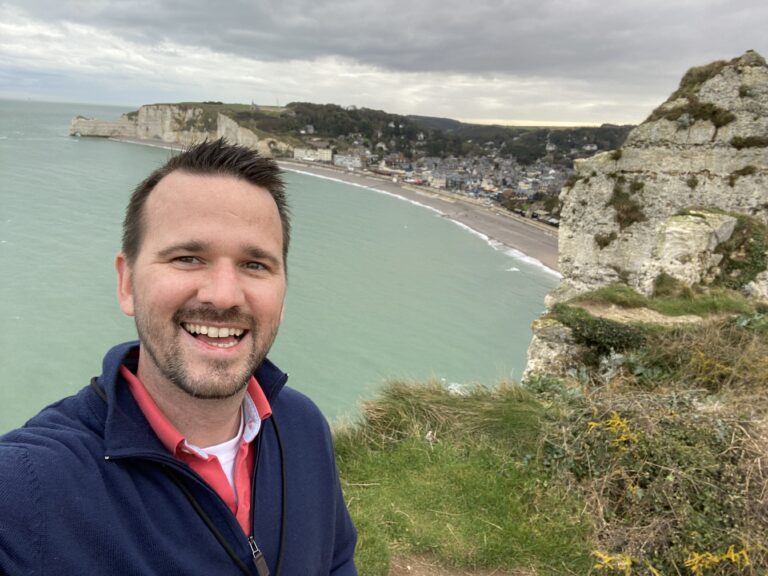
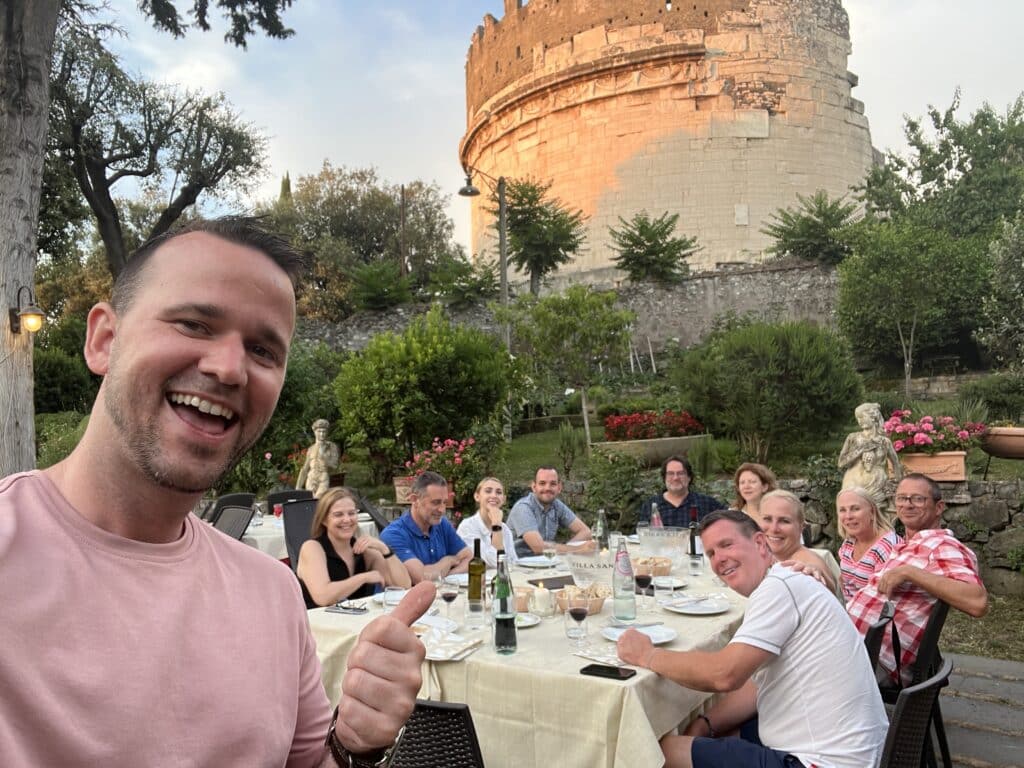
I’m Jack Baumann, founder of Guidester. My love for European travel led me to earn a Master’s degree in Ancient Greek and Roman Archaeology while living in Wales, and I’ve spent years since exploring Italy’s regions, leading tours, and learning what separates exhausting trips from extraordinary ones.
Summer travel requires more strategic planning than any other season. Getting the details right—which tours to book months in advance, how to structure your days, where to escape when cities become overwhelming—makes the difference between a mediocre trip and one where you create lifelong memories.
I specialize in creating personalized Italy itineraries that account for summer realities while maximizing your limited vacation time. Whether you’re determined to see Rome in July or want to discover alternatives to the standard tourist circuit, I can help you build the best trip possible.
Need help planning your next adventure? Get in touch.