Is Europe Safe for Tourists
Overall, Europe is widely considered one of the safest regions in the world for international travelers. Many European countries consistently rank near the top of global safety indexes such as the Global Peace Index.
Countries including Iceland, Switzerland, Denmark, and Norway frequently appear among the safest destinations worldwide.
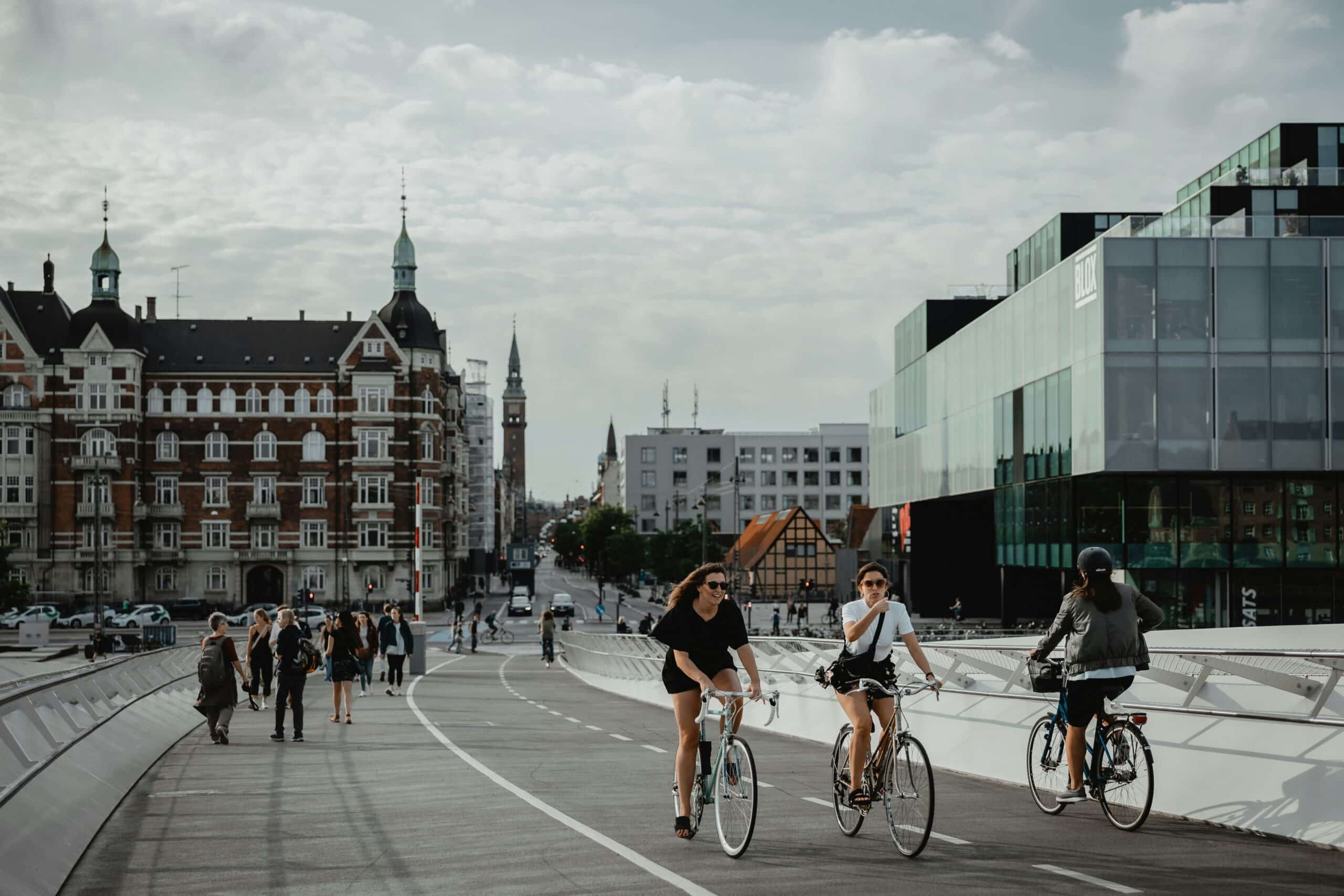
European cities also benefit from strong infrastructure and well-developed tourism systems. Public transportation is reliable, city centers are highly walkable, and emergency services are widely accessible.
Safety levels can vary slightly between destinations, just as they do in any region. Staying aware of your surroundings and following normal travel precautions will help ensure a positive experience.
If you want more detailed guidance, read our guide on how to stay safe while traveling in Europe
.
Current Travel Conditions in Europe
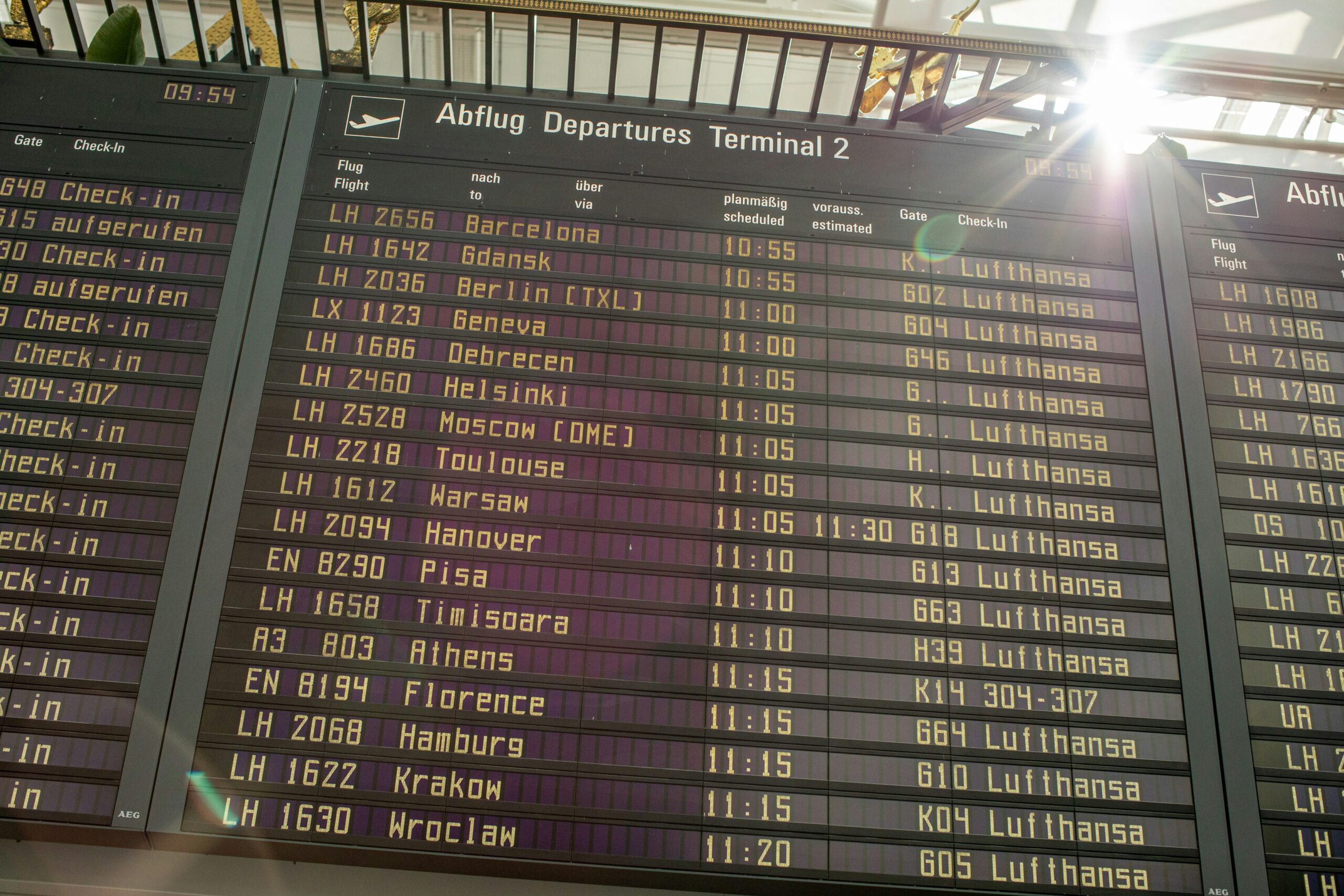
Travel conditions across Europe are stable and tourism has largely returned to pre-pandemic levels. Airports, rail networks, and tourism infrastructure across the continent are fully operating and welcoming millions of visitors.
Before traveling, it is still wise to check:
- entry requirements for your destination
• transportation schedules
• seasonal travel conditions
• major events that may affect crowds
The U.S. State Department provides travel advisories for each country. Most European destinations fall under Level 1 or Level 2, which simply means travelers should exercise normal precautions.
New Border Systems: ETIAS and EES
Europe is also introducing new digital border systems designed to modernize travel and strengthen security.
The European Travel Information and Authorization System (ETIAS) will require travelers from visa-exempt countries, including the United States, to complete a simple online authorization before entering many European countries. The process is similar to the U.S. ESTA system.
Need clarity on new entry rules? Read our guide to Europe’s ETIAS requirement.
At the same time, the European Union is rolling out a new Entry/Exit System (EES) that digitally records travelers entering and leaving the Schengen Area. The system collects biometric data such as fingerprints and facial scans instead of using traditional passport stamps.
Because the technology is new, some airports have experienced delays as border agents and travelers adapt to the system. In some cases, industry groups have warned that queues could extend for several hours during peak travel periods while the rollout continues.
Travelers should simply allow extra time when arriving at passport control during their first entry into Europe.
Safety Tips for Traveling in Europe
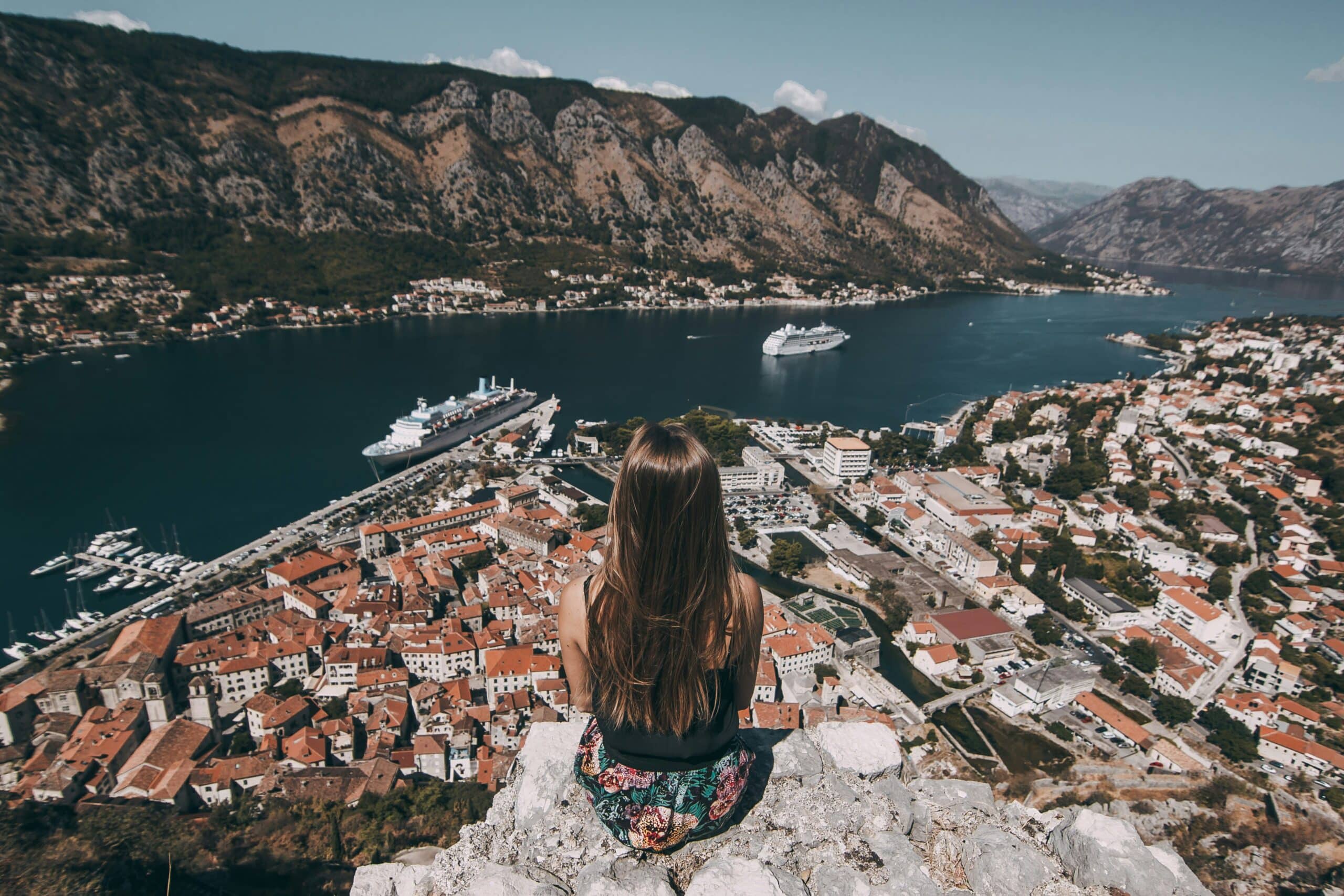
Even in very safe destinations, smart travel habits can make a big difference.
Stay aware in crowded areas
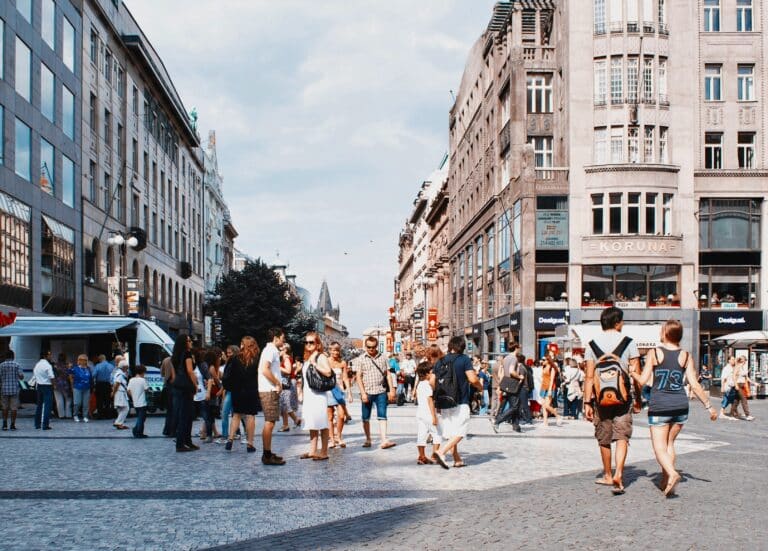
Busy locations such as metro systems, major public squares, and central train stations are where petty theft most often occurs.
Secure important documents
Leave valuables such as passports and expensive jewelry in your hotel safe whenever possible. Travelers should also keep photocopies or digital copies of important documents, including passports and driver’s licenses.
Use trusted transportation
Europe’s train networks, trams, and metro systems are among the most reliable in the world and are generally very safe.
Research neighborhoods before visiting
Most European cities are safe, but it is always helpful to research neighborhoods and accommodations before booking.
Use WhatsApp to stay connected
WhatsApp is widely used across Europe and is often the preferred communication method for hotels, drivers, and local guides. Installing the app before your trip can make it easier to coordinate with local services.
Consider travel insurance
Travel insurance is strongly recommended for international trips. Basic policies typically cover medical emergencies, trip delays, and lost luggage.
Some travelers choose Cancel For Any Reason (CFAR) coverage, which allows trips to be canceled for reasons not included in standard policies.
When comparing policies, travelers should review:
- medical coverage limits
- emergency evacuation coverage
- cancellation protection
- baggage coverage
Popular travel insurance providers include Travelex, Allianz Travel, and World Nomads. Travelers should compare coverage options carefully before purchasing a policy.
Not sure what coverage you need? Explore our guide to choosing travel insurance for Europe.

Safest European Destinations
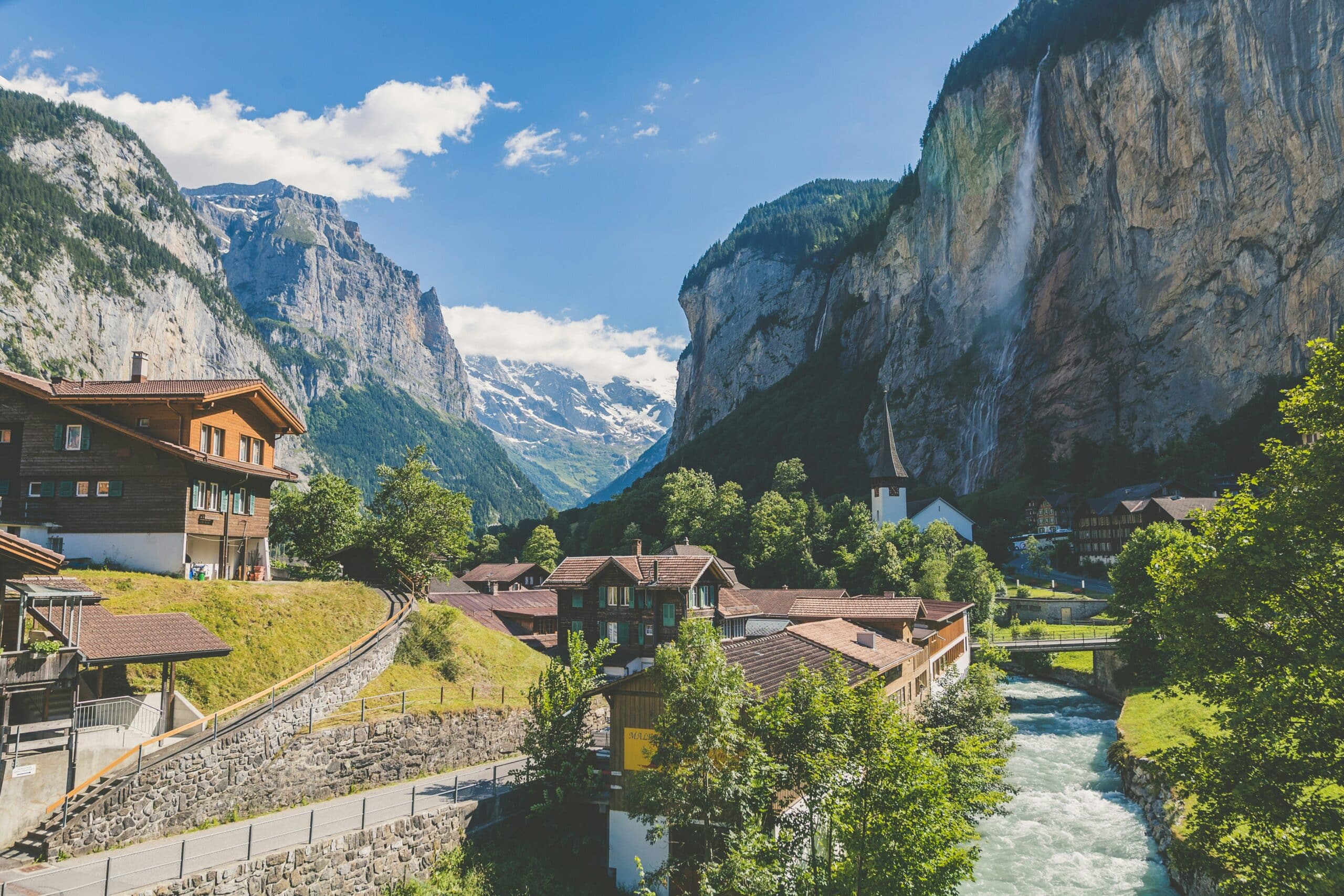
Many European countries consistently rank among the safest places to visit in the world.
Iceland
Iceland frequently ranks as the safest country globally. Travelers come for its dramatic landscapes, waterfalls, and extremely low crime rates.
Switzerland
Switzerland offers outstanding infrastructure, scenic alpine landscapes, and very low crime levels.
Norway
Norway combines spectacular fjords with strong social stability.
Travelers interested in Scandinavia can explore the best places to visit in Norway in our destination guide.
Portugal
Portugal is widely known for its welcoming culture, relaxed pace of life, and consistently high safety rankings.
Common Travel Concerns
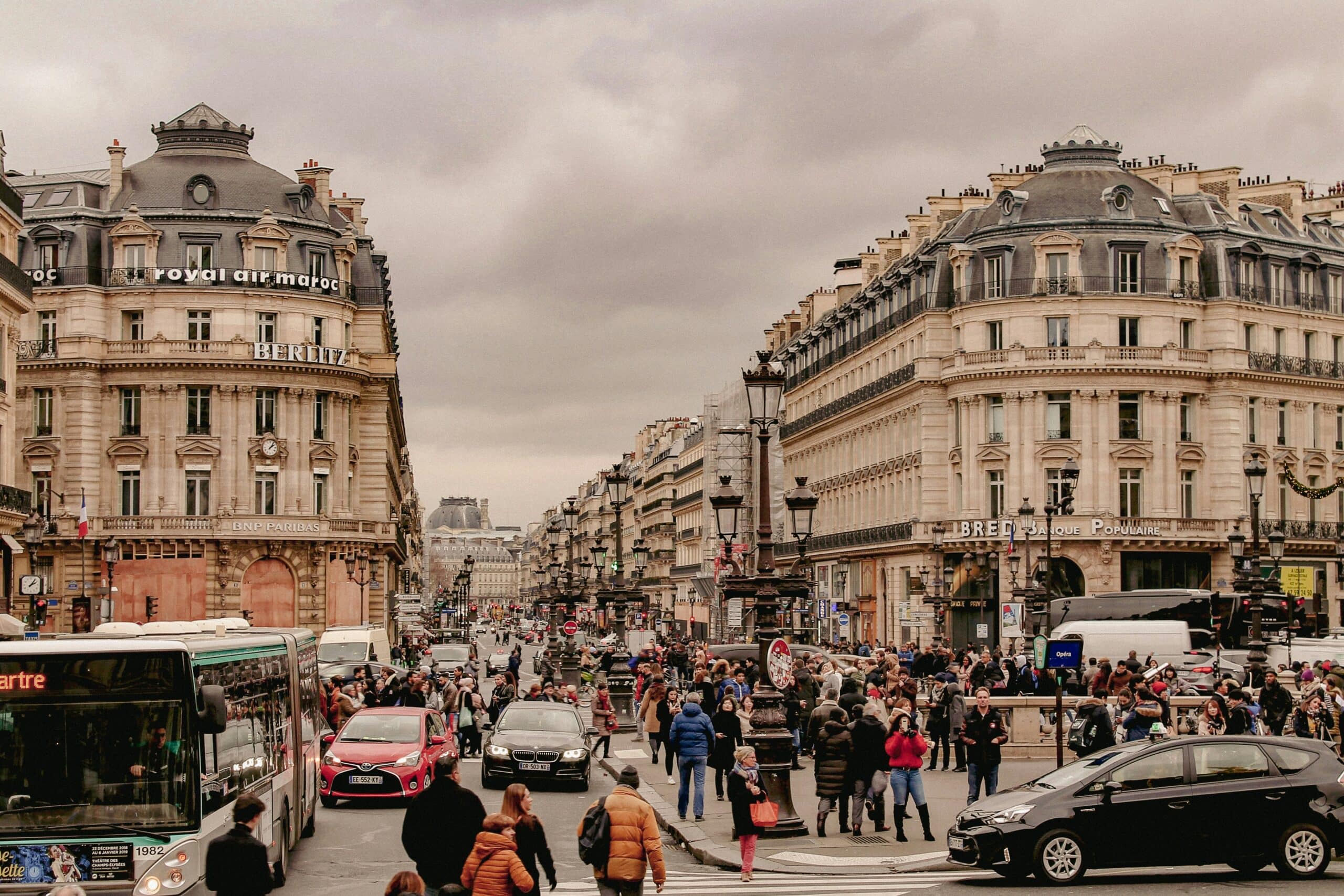
Petty Theft
Petty theft such as pickpocketing is the most common issue travelers encounter in Europe.
Travelers should be especially vigilant in:
- metro systems
• major tourist squares
• crowded attractions
• central train stations
Using anti-theft bags and keeping valuables secure helps prevent most problems.
Protests and demonstrations
Large cities occasionally host protests or demonstrations. These events are typically peaceful but may temporarily affect transportation.
Security threats
Although incidents occasionally appear in global news coverage, they are rare. European governments maintain strong security cooperation to protect residents and visitors.
Europe Travel Safety by the Numbers
Travel data also shows how safe and popular Europe remains for international visitors.
- Millions of Americans travel to Europe every year, making it one of the most popular international destinations for U.S. travelers.
- Europe consistently includes several of the safest countries in global safety rankings.
- Tourism across the continent has rebounded strongly, with millions of visitors exploring European destinations each year.
Despite high visitor numbers, the vast majority of trips occur without serious safety issues.
Europe Travel FAQ
Is Europe safe for American tourists?
Yes. Europe is considered one of the safest regions in the world for American travelers, and millions visit each year without experiencing major safety problems.
Is it safe to travel alone in Europe?
Many travelers explore Europe solo each year. Cities are well connected by public transportation and offer strong tourism infrastructure.
What should travelers watch out for in Europe?
The most common concern is pickpocketing in crowded tourist areas such as metros, major squares, and busy attractions.
Do I need travel insurance for Europe?
Travel insurance is not always required but is highly recommended for international trips. It can help cover medical expenses, travel delays, and cancellations.
What new entry requirements should travelers know about?
Europe is introducing two new systems: ETIAS travel authorization and the biometric Entry/Exit System (EES), which will replace traditional passport stamps with digital border records.
Traveling Safely in Europe
Europe continues to be one of the world’s most rewarding travel destinations. From historic cities and cultural landmarks to breathtaking landscapes and coastal villages, the continent offers an incredible variety of experiences.
For most travelers, visiting Europe is both safe and unforgettable. By staying informed about entry requirements, planning ahead, and following simple travel precautions, visitors can focus on enjoying everything Europe has to offer.
Plan Your Europe Trip with Guidester
Planning a European vacation can feel overwhelming with so many incredible destinations to choose from.
Guidester helps travelers design personalized European itineraries tailored to their interests, travel style, and timeline so they can explore Europe with confidence and make the most of every moment.