Food & Drink
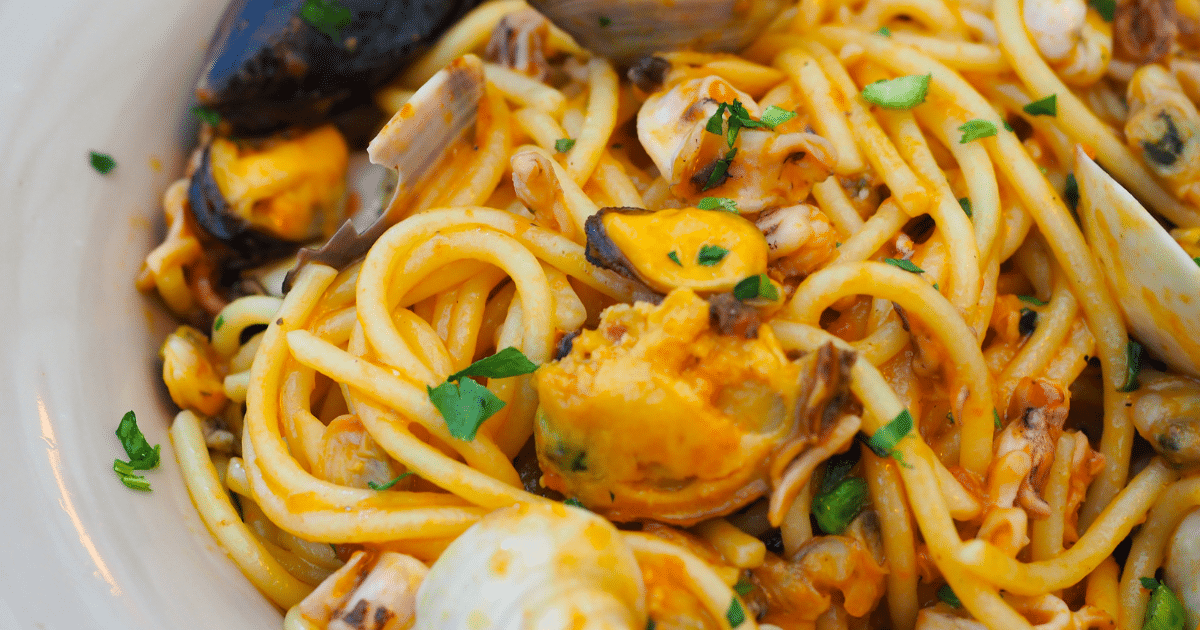
When comparing northern Italy vs southern Italy, food is one of the clearest dividing lines. Italian cuisine is actually many regional cuisines that happen to share a peninsula, and the north-south divide is nowhere more delicious than at the table.
Northern Italy
Butter, cream, aged cheese, risotto, polenta, osso buco, truffles from Alba, Parmigiano-Reggiano, Barolo wine, cicchetti in Venice, and handmade tagliatelle in Bologna define much of Northern Italy’s food culture.
Here, butter often replaces olive oil. Dishes tend to feel more refined and technique-driven. Meals are carefully crafted, and wine tourism is a serious part of the experience.
Southern Italy
Southern Italy is all olive oil, tomatoes, seafood, fire, and generosity.
Think Neapolitan pizza, spaghetti alle vongole, orecchiette with cime di rapa, Sicilian arancini, burrata in Puglia, ’nduja in Calabria, cannoli, and limoncello along the Amalfi Coast.
Everything feels more sun-drenched and ingredient-driven. Portions are generous. Meals are social, expressive, and often beautifully unfussy.
The north gave the world lasagna, pesto, risotto, and prosecco. The south gave it pizza, mozzarella, limoncello, and some of Italy’s boldest street food traditions.
Verdict: Foodies who crave refined technique and wine tourism often lean north, especially toward Piedmont and Emilia-Romagna. Travelers who want bold flavors, street food culture, and seafood-heavy meals often lean south, particularly Naples, Palermo, and the Puglian coast.
Want to dive deeper into Italy’s incredible regional cuisine? Explore Best Food in Italy: Regional Dishes and Where to Try Them to discover the dishes that define each corner of the country.
Landscape & Scenery
Northern Landscapes
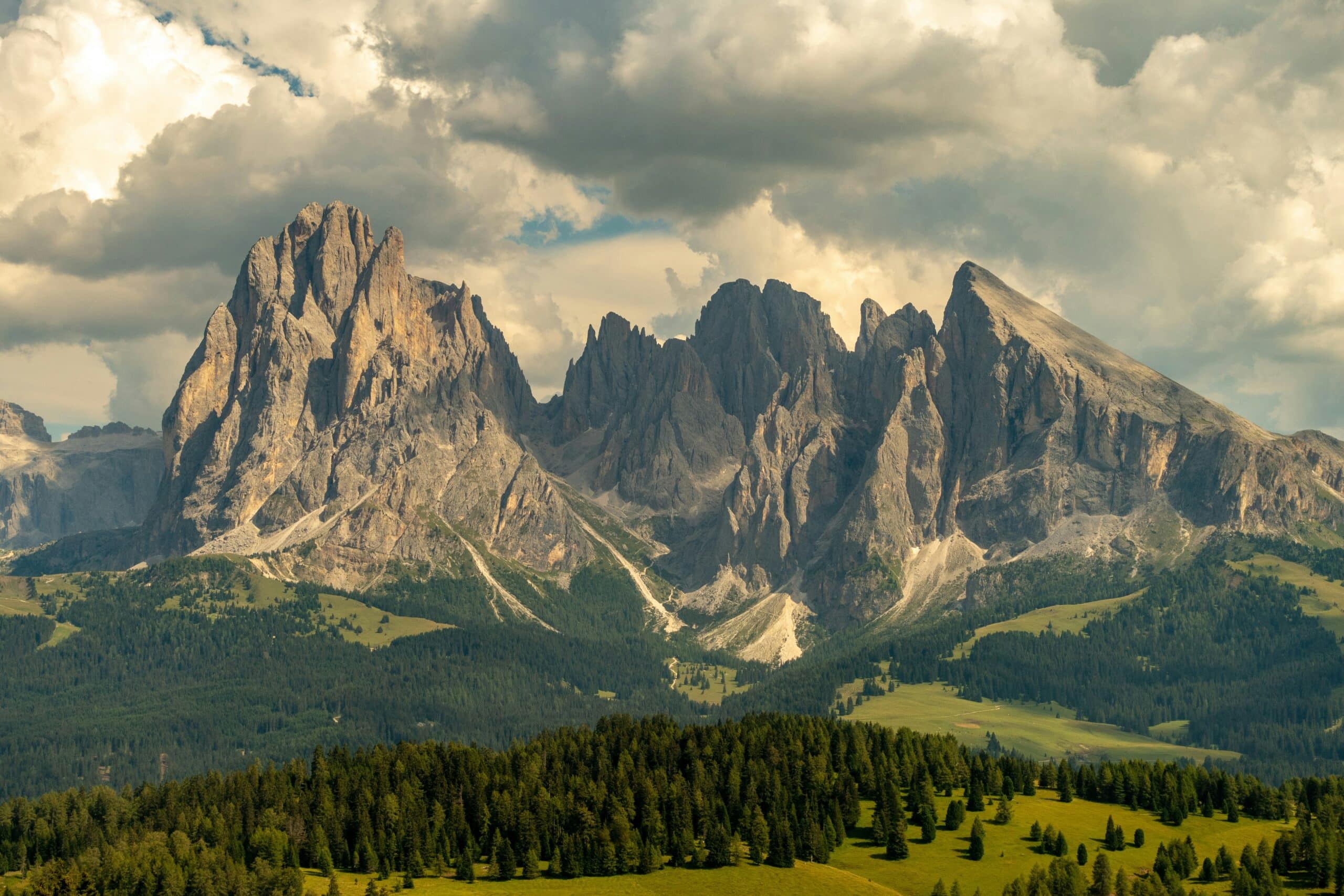
The north is defined by the Alps and the Dolomites, some of Europe’s most spectacular mountain scenery. This is the Italy of hikers, skiers, and travelers who dream of sunrise over jagged pink peaks.
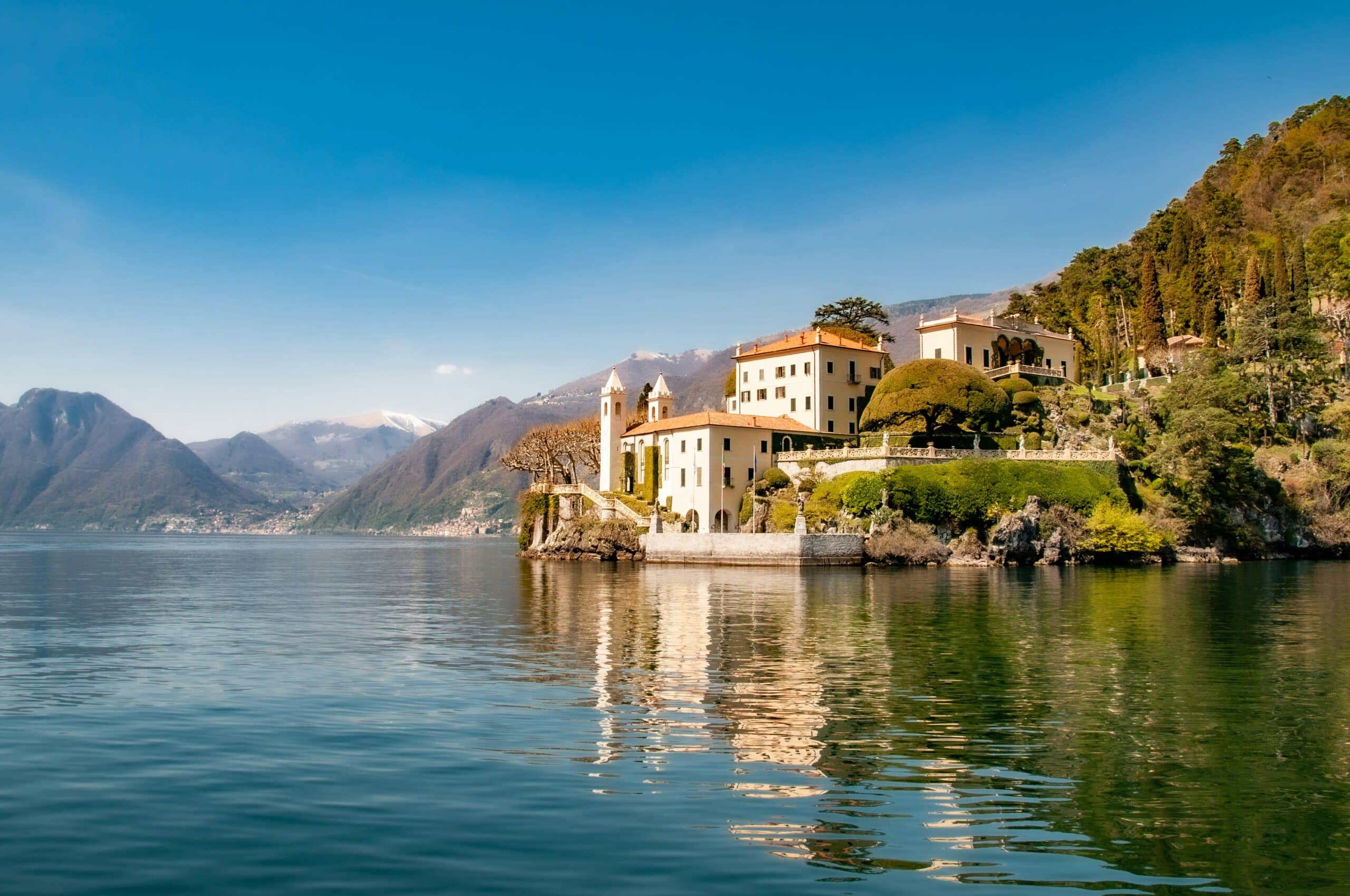
From the mountains, the landscape softens into the Italian Lakes: Como, Maggiore, and Garda. These romantic stretches of blue water are edged by villas, gardens, and elegant resort towns.
Farther east, Veneto unfolds into vine-striped plains dotted with medieval walled towns.
Southern Landscapes
The south is raw, sun-scorched, and ancient.
Puglia’s trulli villages and silvery olive groves stretch toward dramatic sea cliffs. The Amalfi Coast tumbles in color down steep hillsides above turquoise water. Sicily offers volcanic grandeur, with Mount Etna rising over Greek temples, coastal towns, and baroque cities. Sardinia’s beaches rival the Caribbean, while Basilicata’s Matera feels almost otherworldly with its cave dwellings carved into stone.
Best for Mountain Lovers
Northern Italy wins decisively. The Dolomites are a UNESCO World Heritage Site and rank among the world’s finest mountain destinations.
Best for Beach Lovers
Southern Italy dominates. Sardinia’s Costa Smeralda, Sicily’s San Vito Lo Capo, Puglia’s Salento coast, Calabria’s beaches, and the Aeolian Islands offer warmer, clearer, more dramatic beach experiences than almost anything in the north.
Cities & Culture
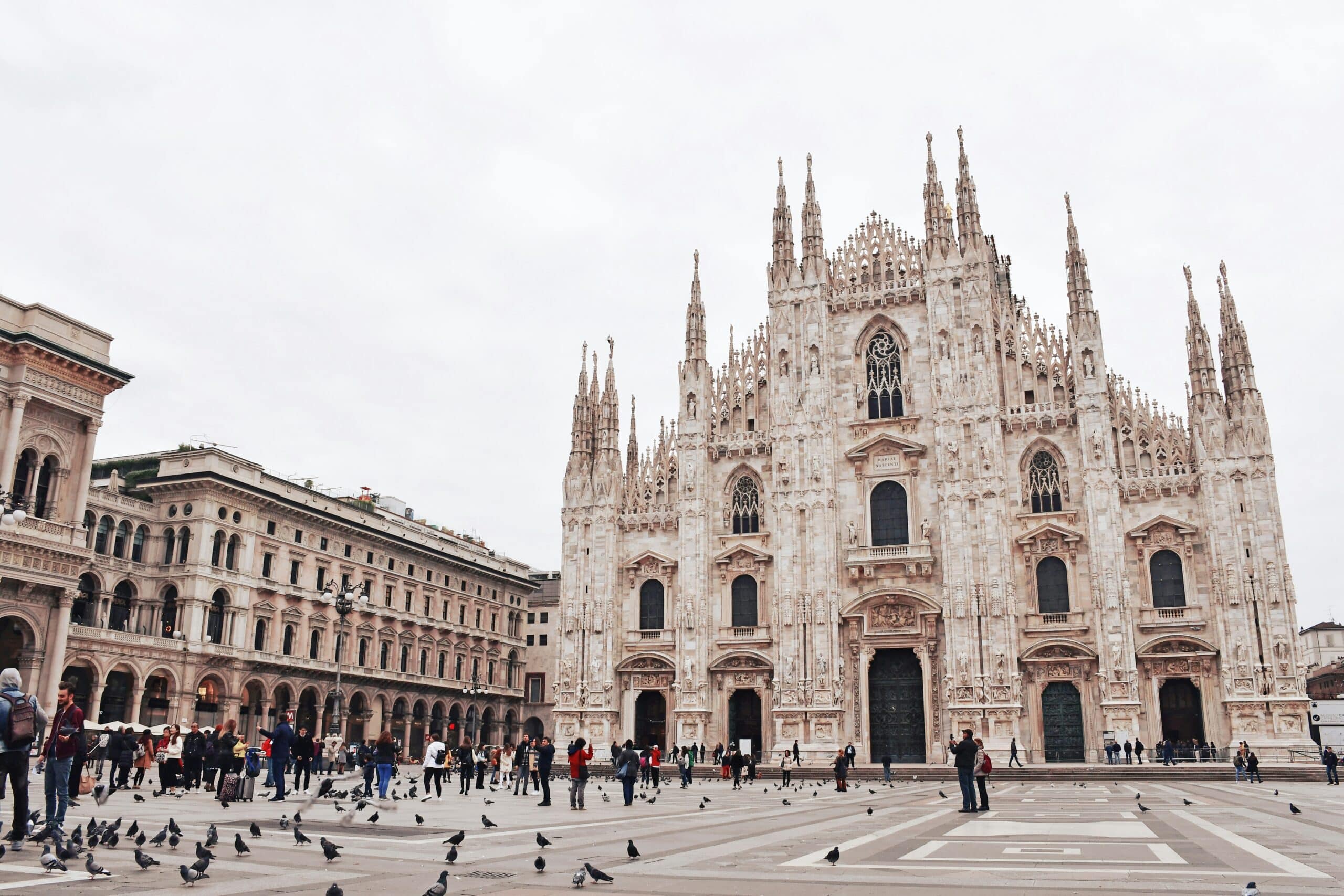
Italian cities are their own civilizations, each carrying centuries of distinct art, architecture, and attitude.
Northern City Highlights
Milan is Italy’s financial capital and fashion headquarters — sleek, ambitious, and home to Leonardo da Vinci’s Last Supper and one of the world’s most famous opera houses, La Scala.
Venice needs no introduction. Built entirely on water, it is breathtaking, fragile, crowded, expensive, and still somehow magical.
Bologna may be one of Italy’s most rewarding cities: a university town with medieval porticoes, rich food traditions, and a lively local culture.
Turin surprises visitors with Baroque grandeur, refined café culture, an exceptional Egyptian Museum, and Alpine views.
Southern City Highlights
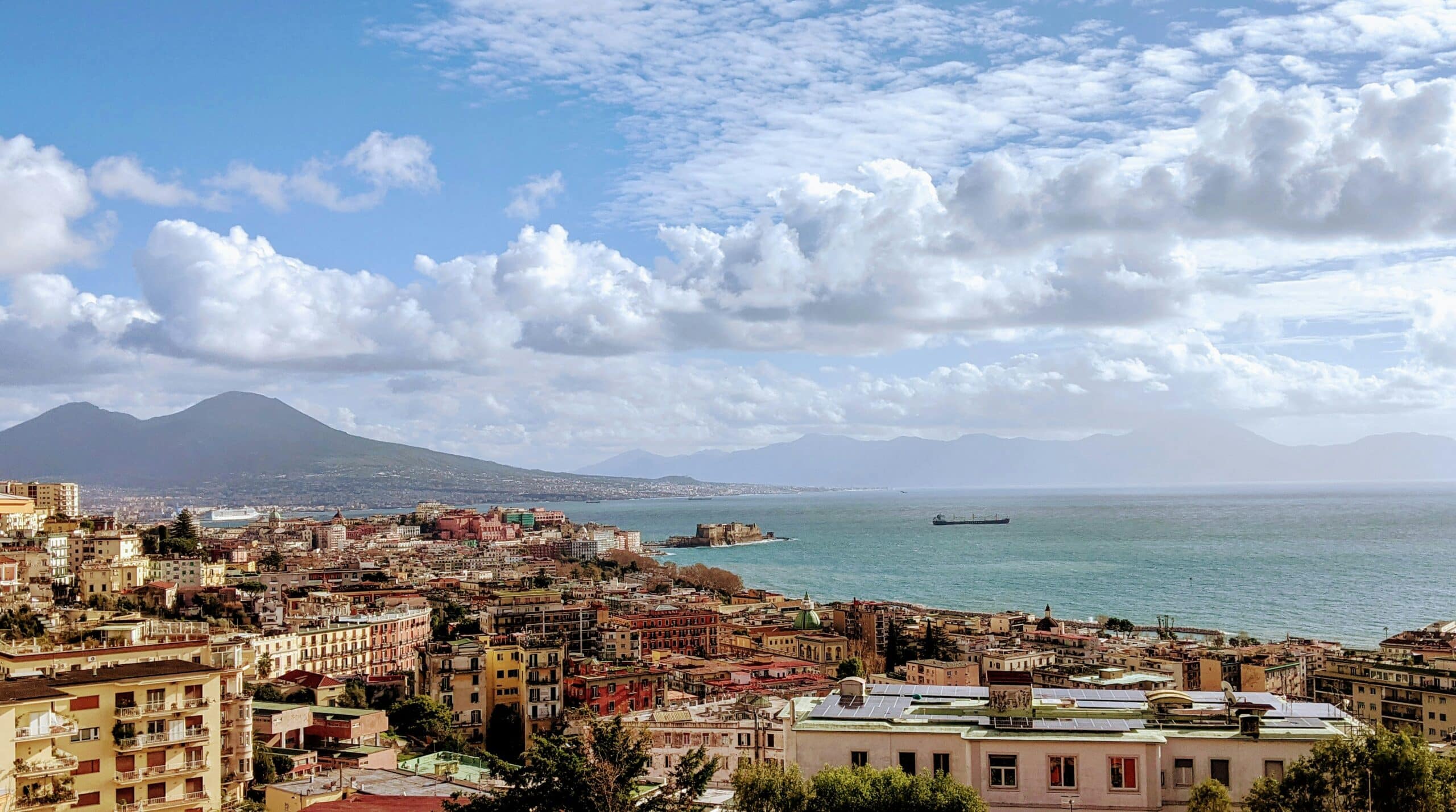
Naples is chaotic, operatic, generous, and deeply itself. It is the birthplace of pizza, home to remarkable churches and art, and a city that demands surrender rather than control.
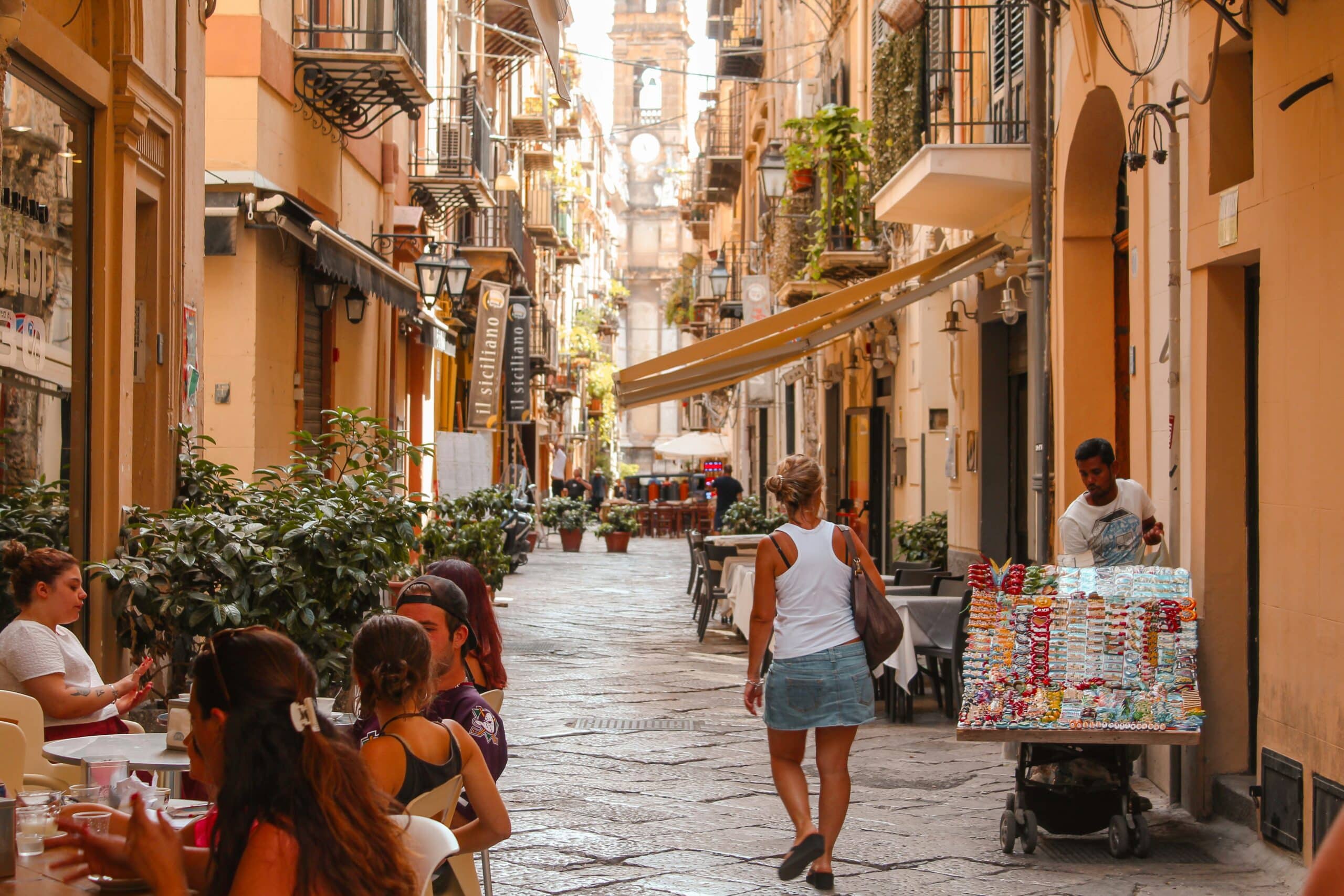
Palermo is a layered mix of Arab, Norman, Baroque, and Sicilian influences, with loud markets, extraordinary street food, and faded grandeur around nearly every corner.
Lecce, often called the “Florence of the South,” stuns with intricate Baroque stonework carved from golden limestone.
Matera, carved into a ravine, is one of the world’s oldest continuously inhabited cities and one of Southern Italy’s most unforgettable destinations.
Cost of Travel
Northern Italy Costs
Northern Italy is generally more expensive, especially in Milan, Venice, Lake Como, and popular resort towns.
Expect higher hotel rates, pricier restaurants, and more expensive tours. Venice in particular can be costly, with mid-range hotels often climbing above €200 per night in busy seasons.
Southern Italy Costs
Southern Italy is significantly more affordable.
A trattoria lunch in Naples or Palermo can cost far less than a comparable meal in Venice or Milan. Agriturismi and B&Bs in Puglia, Basilicata, Calabria, and Sicily often offer excellent value.
The major exception is the Amalfi Coast, especially Positano, where prices can rival or exceed northern resort towns in high season.
If budget matters, Sicily and Puglia offer some of the best value-for-experience in Italy.
Crowds & Tourism
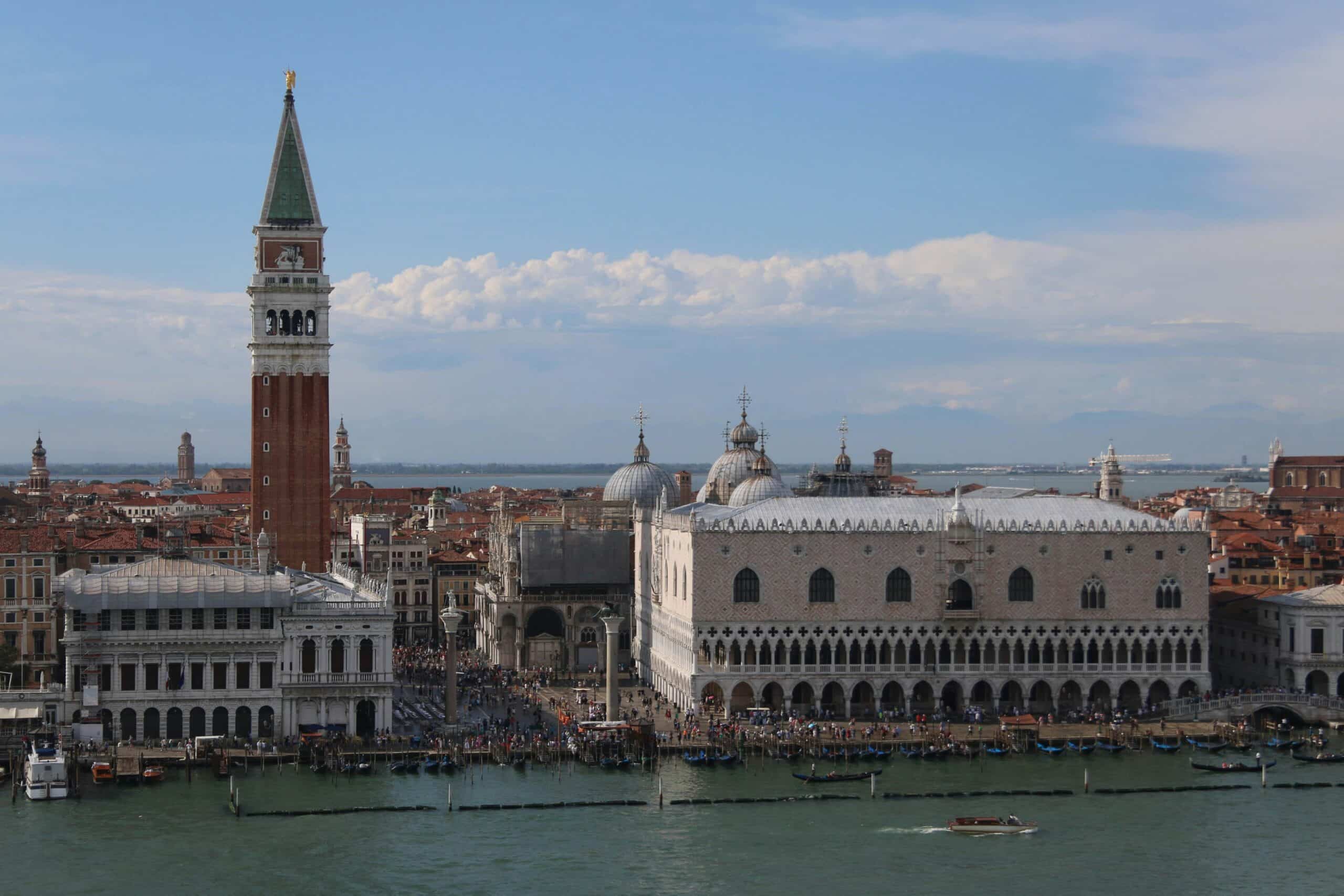
Overtourism is one of Italy’s defining travel challenges, and the north carries much of that pressure.
Venice has introduced entry fees and visitor management efforts to help address heavy day-tripper traffic. Lake Como also strains under peak-season crowds, especially in places like Bellagio. Cinque Terre requires more planning than it once did, especially for popular trails, train travel, and peak-season access.
The south receives far fewer international tourists relative to its size and beauty. Alberobello and the Amalfi Coast are popular, but Puglia’s coastline, interior Sicily, Basilicata, and Calabria still offer a stronger sense of discovery.
If you want Italy with fewer queues and less polished tourism infrastructure, the south may be your answer.
Visitor regulations, transportation systems, and tourism policies continue to evolve throughout the country. Before finalizing your plans, read Italy Travel Changes in 2026 for the latest updates travelers should know.

Best Time to Visit Each Region
Northern Italy
Spring brings blooming gardens around Lake Como and Lake Maggiore, comfortable city weather, and excellent conditions for exploring towns and countryside.
Autumn is equally beautiful, especially in wine regions. September and October bring harvest season, truffle events, and golden light across Venice and the lakes.
Summer is popular but crowded and hot in cities. Winter is best for skiing in the Alps or enjoying a quieter, moodier Venice.
Southern Italy
Late spring and early autumn are ideal.
May, June, September, and early October offer warm weather, swimming conditions, and far more comfortable sightseeing than peak summer.
July and August can be brutally hot, especially in Sicily and inland areas. Beaches are at their best, but crowds and prices rise sharply.
Winter can be atmospheric in cities like Naples and Palermo, but island ferries may be reduced and some coastal businesses close.
For a deeper seasonal breakdown, read Best Time to Visit Italy before planning your route.
Northern Italy vs Southern Italy: Which Traveler Are You?
Northern Italy Is For You If…
Northern Italy tends to appeal to travelers who value convenience, culture, and comfort. You may be a great fit for the North if:
- This is your first trip to Europe
- You love traveling by train
- You enjoy wine regions and vineyard experiences
- You prefer polished, well-organized travel
- You enjoy museums, Renaissance art, and historic cities
- You love mountain scenery, lakes, and alpine landscapes
- You want a destination that is easy to navigate independently
From the Italian Lakes and Dolomites to the elegant streets of Milan and Bologna, Northern Italy rewards travelers who appreciate efficiency, refinement, and variety.
Southern Italy Is For You If…
Southern Italy often appeals to travelers looking for a deeper, slower, and more immersive experience. You may be a great fit for the South if:
- You’ve already visited Italy once and want to go beyond the classic highlights
- You value authenticity over convenience
- You love food culture and local traditions
- You want fewer crowds and more hidden gems
- You enjoy slower travel and flexible itineraries
- You prefer coastal villages, beaches, and outdoor cafés
- You don’t mind trading a little efficiency for a lot more character
Places like Naples, Puglia, Sicily, and Calabria reward travelers who enjoy wandering without a strict schedule and experiencing daily life as locals do.
Still Can’t Decide?
Many travelers discover that the ideal Italy trip includes both. Northern Italy offers elegance, world-class art, and spectacular mountain scenery, while Southern Italy delivers warmth, flavor, and a slower Mediterranean rhythm. If you have the time, experiencing both regions is the best way to understand just how diverse Italy truly is.
History and Archaeology Buffs
Head south.
Sicily’s Valley of the Temples, Pompeii near Naples, Matera, and Lecce offer extraordinary historical depth. The north excels at medieval and Renaissance art, but the ancient world belongs strongly to the south.
Serious Wine Travelers
Lean north, especially Piedmont for Barolo and Barbaresco or Veneto for Amarone and Soave.
That said, do not ignore Sicily’s volcanic Etna wines or Campania’s Greco di Tufo, both of which are gaining serious international attention.
Side-by-Side Verdict
| Category | Winner | Why |
|---|---|---|
| Food & wine | Tie | North wins on refinement; south wins on boldness and value. |
| Beaches | South | Sicily, Sardinia, Puglia, and Calabria are in a different league. |
| Mountains | North | The Dolomites are world-class. |
| Ancient history | South | Greek and Roman ruins in Sicily and Campania are unmatched. |
| Renaissance art | North | Venice, Milan, and Emilia-Romagna shine. |
| Budget travel | South | Often 30–50% cheaper for lodging and meals. |
| Avoiding crowds | South | Far less overtourism outside major coastal hot spots. |
| City culture | Tie | Milan/Bologna and Naples/Palermo offer completely different but brilliant experiences. |
| Transport ease | North | Better trains, motorways, and regional connections. |
| Off-the-beaten-path feel | South | Basilicata, interior Sicily, and Calabria still feel genuinely underexplored. |
Planning the Right Italy Trip
The question of northern Italy vs southern Italy is not about choosing the “better” region. It is about choosing the version of Italy that best matches how you actually like to travel.
Some travelers feel most at home in the polished beauty of Lake Como, Venice, and Bologna. Others fall hard for Naples, Sicily, Puglia, and the less predictable rhythm of the south.
At Guidester, we help travelers build Italy trips around their real interests, pace, budget, and comfort level — not just a checklist of famous landmarks. Whether you are drawn to refined northern cities, sun-soaked southern coastlines, or a thoughtful mix of both, the right itinerary can make Italy feel less overwhelming and far more personal.
Frequently Asked Questions
Can I visit both Northern and Southern Italy in one trip?
Yes, especially if you have two weeks or more. A classic route might combine Rome as a midpoint, a southern leg in Naples or Puglia, and a northern leg in Bologna or Venice. However, distances are significant, so avoid trying to cram too much into one trip.
Is Southern Italy safe for tourists?
Yes. Common travel precautions apply, especially in crowded areas, but violent crime affecting tourists is rare. Southern Italy’s reputation for organized crime is largely separate from the everyday travel experience.
Is English widely spoken in Southern Italy?
Less than in Northern Italy, especially in rural areas. Hotels, restaurants, and major attractions usually have English-speaking staff, but learning a few basic Italian phrases will help.
Which region is better for a first visit to Italy?
Northern Italy is usually easier for first-time visitors because of its infrastructure and train connections. Southern Italy often feels more immersive and memorable, but it requires more flexibility.
What is the best region for a honeymoon?
For lakeside luxury, choose Lake Como or Lake Maggiore. For coastal drama, choose the Amalfi Coast or Ligurian Riviera. For romance with better value, consider Puglia, Sicily, Sardinia, or the Aeolian Islands.
Is Northern or Southern Italy better?
Neither is better. Northern Italy is more polished, efficient, and refined. Southern Italy is warmer, slower, more affordable, and often less crowded. The right choice depends on your travel style.