
Average Europe Trip Cost in 2026
These ranges are for a single traveler and include round-trip airfare, accommodations, meals, local transportation, and sightseeing. Couples traveling together typically spend somewhat less per person on hotels and transport.
| Travel Style | 7 Days | 10 Days | 14 Days |
|---|---|---|---|
| Budget | $1,800 to $3,000 | $2,400 to $4,000 | $3,200 to $5,500 |
| Mid-Range | $3,500 to $6,000 | $4,500 to $7,500 | $6,000 to $10,000 |
| Luxury | $7,000+ | $10,000+ | $15,000+ |
A couple spending two weeks in Italy, France, or Germany can typically expect to land somewhere between $6,000 and $10,000. Head to Switzerland, Norway, or Iceland and the higher end of that range becomes the starting point. Head to Portugal, Croatia, or Poland and you may come home wondering why more people aren’t talking about them.
The biggest driver of your trip to Europe cost isn’t how long you stay. It’s where you go. Western Europe generally costs more than Central and Eastern Europe, sometimes by a factor of two or three. If you’re flexible on destination, that flexibility can save thousands without sacrificing the experience.
How Much Are Flights to Europe in 2026?
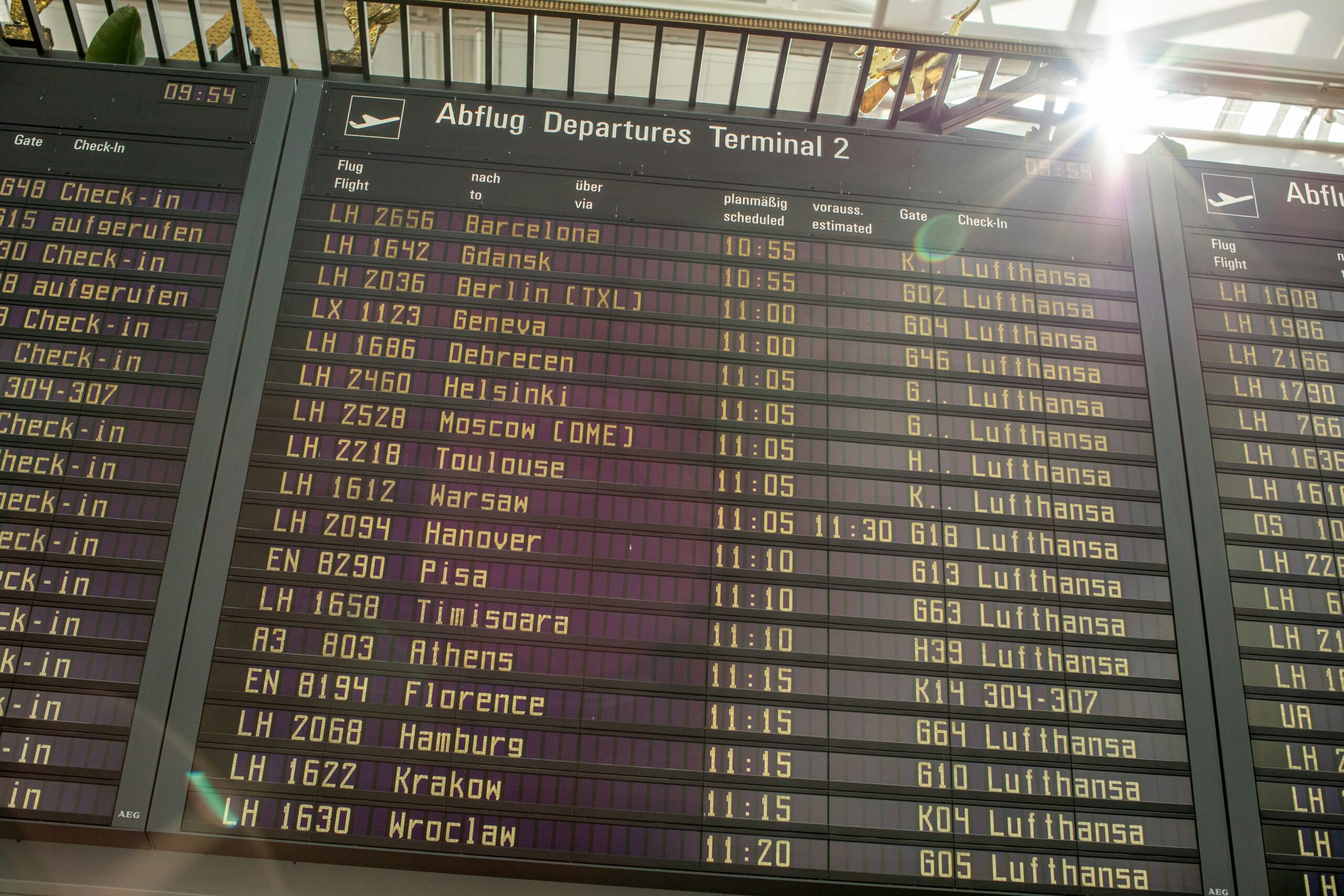
Airfare is usually the largest single line item in a trip to Europe cost calculation, and it’s also one of the few expenses where planning ahead gives you genuine leverage.
Prices have stabilized considerably since the volatile years that followed the pandemic. Summer flights to major destinations still carry a premium, and booking late makes that premium worse.
East Coast travelers from cities like New York, Boston, Philadelphia, and Washington D.C. tend to find the best fares, thanks to shorter distances and real competition among carriers.
Shoulder season: $500 to $900 round-trip
Summer: $800 to $1,400+
Midwest travelers from cities like Chicago, St. Louis, Minneapolis, and Detroit should expect to pay somewhat more.
Shoulder season: $700 to $1,100 round-trip
Summer: $1,000 to $1,600+
West Coast travelers from cities like Los Angeles, San Francisco, Seattle, and Portland generally face the highest fares.
Shoulder season: $800 to $1,300 round-trip
Summer: $1,200 to $2,000+
How Much Do Hotels Cost in Europe?

Accommodation is where the difference between destinations becomes most visible and most expensive.
Think about it this way: the same nightly budget that gets you a basic room near the train station in Zurich might get you a boutique hotel with a roof terrace and breakfast included in Porto. Same money, completely different experience. That’s not a knock on Zurich. It’s just what the market looks like across Europe, and it’s worth understanding before you build your itinerary.
Budget accommodations, including hostels, family-run guesthouses, pensions, and basic hotels, typically run $50 to $150 per night. In the right context, these can be genuinely wonderful. A small pension run by the same family for forty years in a Tuscan hill town isn’t a sacrifice. It’s often the kind of place you’ll tell people about when you get home.
Mid-range hotels, where most of our travelers land, run $150 to $350 per night. Private bathroom, central location, usually breakfast, modern amenities. In cities like Lisbon, Budapest, Krakow, or Seville, this range gets you something quite nice. In Paris or Amsterdam, it gets you something decent and well-located.
Luxury hotels start around $400 per night and climb from there. Historic city-center properties, five-star coastal resorts in Italy and Greece, and boutique hotels with serious design credentials can push $1,000 or more. The right one at the right moment can be worth it.
Where Your Budget Goes Further
Portugal, Hungary, Poland, Croatia, Romania, and Bulgaria consistently offer excellent value. Travelers who go to Central or Eastern Europe expecting to rough it are usually surprised. The hotels are good, the locations are central, and the prices are a fraction of what they’d pay in Western Europe.
Switzerland, Norway, Iceland, and central London require a different budget conversation entirely. They’re not overpriced for what they offer. They’re just expensive.
Related Read: If you’re deciding between a hotel and a short-term rental, read The Return of the Hotel: Why Travelers Are Choosing Hotels Over Short-Term Rentals before you book. In many European cities, hotels are becoming the simpler, more reliable choice, especially when location, service, luggage storage, breakfast, and check-in logistics matter.

How Much Should You Budget for Food?

Food is where Europe rewards you the most. It’s also where the misconception that Europe is expensive does the most damage.
In much of Europe, eating well is not expensive. Portugal, Spain, Hungary, and southern Italy especially have deep traditions of serious cooking at genuinely reasonable prices. A glass of local wine and a beautifully made plate of food at a small restaurant in Lisbon can cost less than a fast-food combo at home. That’s not a travel blog exaggeration. It’s just true, and it’s one of the things that makes Europe so good to visit.
Budget travelers who lean on bakeries, local markets, the lunch special at a neighborhood restaurant, and the occasional grocery store dinner can eat very well on $25 to $50 per person per day.
Mid-range travelers who enjoy a café breakfast, a proper sit-down lunch, a nice dinner, and a glass or two of local wine should budget $60 to $125 per person per day.
Food-focused travelers who treat dining as a primary reason to travel, including fine restaurants, wine pairings, food tours, and regional tasting menus, should plan for $150 to $300+ per person per day. At this level, eating in Europe is genuinely one of the great pleasures available to a person.
Related Read: One thing American travelers should understand is that tipping works differently across Europe. It usually does not add as much to the final bill as it does in the United States, but customs vary by country and type of service. For a full breakdown, read Everything You Need To Know About Tipping in Europe.
Transportation Costs Within Europe

Getting around Europe is one of its genuine advantages over other long-haul destinations. The train network is efficient, the scenery out the window is often worth the ticket price on its own, and city transit systems in most major destinations are better than what most Americans are used to at home.
Trains are the backbone of European travel. Regional routes can cost just a few dollars. High-speed connections between major cities, such as Paris to London, Rome to Florence, Vienna to Budapest, and Amsterdam to Brussels, typically range from $30 to $150, depending on distance and how far in advance you book. Book early whenever you can.
Budget airlines offer genuinely low fares between countries, but the advertised price and the real price diverge quickly once you add a checked bag and a seat selection. Read the details before you buy.
Rental cars make sense in rural areas such as wine country, the Scottish Highlands, and the Croatian coast road. They make almost no sense in major cities, where parking is expensive, navigation is complicated, and the metro is faster anyway. If you’re renting, budget for fuel, tolls, parking, and check whether your destination requires an international driving permit.
Related Read: For a deeper look at when renting a car makes sense and when trains are the better option, read Driving in Europe: When Renting a Car Is Worth It (And When It Isn’t).
City public transit systems, including metros, trams, and buses, cost roughly $5 to $15 per person per day and work well in almost every major European city. Many cities offer passes that combine transit access with attraction discounts, and they’re often worth buying.
How Much Do Attractions Cost in Europe?
Here’s something that surprises a lot of travelers: attraction costs often add up faster than food.
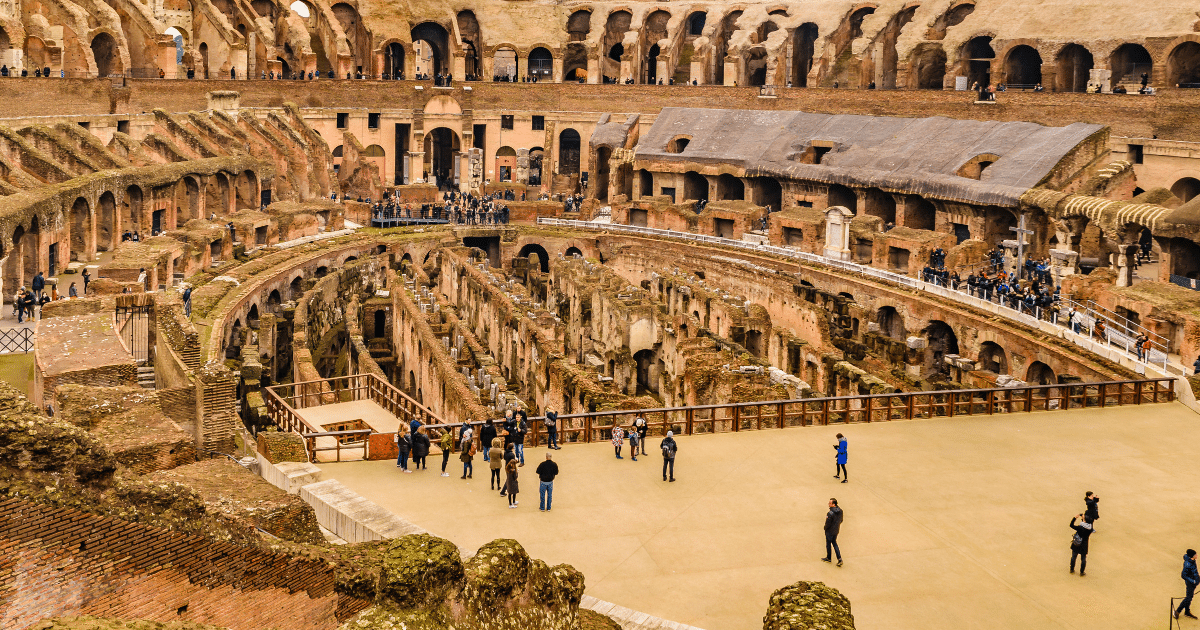
A coffee and a pastry in Rome might run you $8. The Colosseum, the Vatican Museums, and a guided walking tour of the historic center can easily cost $100 or more in a single day, even if you’ve booked in advance. Show up without a reservation at peak season and you may find the Colosseum sold out, or you may end up paying a significant premium through a last-minute reseller to get in at all.
Timed-entry systems are now standard at many of Europe’s most famous sites. The Colosseum, the Vatican, the Anne Frank House, and the Palace of Versailles all require advance booking, not just a willingness to wait in line. Building that into your planning and your budget prevents the two most common frustrations we hear: unexpected costs and locked-out tickets.
What to expect across the board:
Typical Europe Attraction Costs
- Museums: $10 to $35
- Historic sites and ruins: $10 to $40
- Cathedral towers and viewpoints: $5 to $25
- Guided walking tours: $20 to $75
- Day tours and excursions: $50 to $250+
Over two weeks, sightseeing can easily total several hundred dollars per person. Budget for it before you go, book the major sites early, and you’ll avoid most of the friction.
Then there are the experiences that don’t cost anything at all. Walking a neighborhood at dusk. Finding a Sunday market you didn’t expect. Sitting in a square with a coffee watching the city move around you. Those tend to be the moments people describe when they come home.
Hidden Costs That Surprise Travelers
The budget on paper almost never matches the budget in practice. The gap usually comes from the same handful of things:
Tourist taxes. Many European cities charge a small nightly tax, usually a few euros per person, collected separately from your hotel bill. A few dollars a night sounds minor until you’re staying for two weeks.
Airport transfers. Getting from the airport to your hotel can range from a few dollars on the metro to over $100 for a private car, depending on the city, the hour, and how much you’re carrying.
Checked baggage fees. Budget airlines advertise fares that look extraordinary until you add a bag. Know what you’re actually paying before you book.
Travel insurance. Easy to skip, genuinely painful to regret. Good coverage protects against trip cancellations, medical emergencies, lost luggage, and delays. For an international trip, it belongs in the budget.
Currency conversion. Some cards charge foreign transaction fees; airport currency exchanges offer poor rates. Using a card with no foreign transaction fees and withdrawing cash from local ATMs is usually the right approach.
Mobile data. International plans vary widely by carrier. Know what yours charges before you land, or look into a local SIM card or a dedicated travel plan.
Paid restrooms. Small, but worth knowing: public restrooms in many European cities charge a small fee. Keep coins available.
Advance reservations. Booking a major attraction months out often costs the same as booking the week before, but the week-before option is often sold out, available only through resellers at a markup, or both.
Related Read: For more everyday surprises that can affect your budget and expectations, read 11 Things That Shock Americans in Europe before you go.
How Much Spending Money Should You Bring to Europe?
Once flights and hotels are paid for, the next question is usually how much spending money to bring to Europe.
For most travelers, a realistic daily spending budget is $75 to $200 per person per day, depending on destination, travel style, and how much is already prepaid. That number usually covers meals, local transportation, attractions, snacks, small purchases, tips, and miscellaneous expenses.
Budget travelers who rely on bakeries, markets, public transportation, and mostly free sightseeing can stay closer to $50 to $75 per person per day. Mid-range travelers should plan for $100 to $150 per person per day, especially if they want sit-down meals, museum entries, local transit, and the occasional guided experience. Travelers who enjoy private tours, nicer restaurants, wine tastings, or frequent paid attractions should plan closer to $200+ per person per day.
For a couple, that means roughly $150 to $400 per day in spending money once flights and hotels are already covered.
For a family of four, the numbers change quickly. A realistic daily spending budget is usually:
| Travel Style | Daily Spending Money for Family of Four | 10-Day Estimate |
|---|---|---|
| Budget | $200 to $300 per day | $2,000 to $3,000 |
| Mid-Range | $400 to $600 per day | $4,000 to $6,000 |
| Higher-End | $700+ per day | $7,000+ |
A mid-range family of four visiting Europe for 10 days should generally plan on $4,000 to $6,000 in spending money, not including flights and hotels. That may sound high, but meals, attraction tickets, transit passes, gelato stops, museum entries, and small extras add up fast when multiplied by four people.
Families can control this number by choosing apartments or hotels with breakfast included, mixing paid attractions with free parks and public squares, using public transportation, and avoiding constant city changes. The goal is not to nickel-and-dime the trip. It is to know the real number before you go, so every lunch, ticket, and taxi ride does not feel like a surprise.
Real Europe Budget Examples
Here are three realistic trips for two travelers, built from actual costs rather than best-case scenarios.
7 Days in Portugal
| Expense | Cost |
|---|---|
| Flights | $1,400 |
| Hotels | $1,000 |
| Food | $600 |
| Transportation | $150 |
| Attractions | $250 |
| Miscellaneous | $200 |
| Estimated Total | $3,600 |
Portugal punches well above its weight. Beautiful cities, extraordinary food and wine, a coastline that rivals anywhere in Europe, and accommodation costs that don’t require you to choose between a nice dinner and a comfortable bed. It remains one of the best values in Western Europe and one of the continent’s most underestimated destinations.
10 Days in Italy
| Expense | Cost |
|---|---|
| Flights | $1,800 |
| Hotels | $2,200 |
| Food | $1,000 |
| Transportation | $350 |
| Attractions | $500 |
| Miscellaneous | $300 |
| Estimated Total | $6,150 |
Italy has a way of making you want to spend more than you planned, and most travelers find they don’t regret it. Costs vary significantly depending on whether you’re anchored in Rome and Florence or moving through smaller towns, which often offer a more authentic experience at a noticeably lower price point.
Related Read: For help choosing the right season for your budget and travel style, read Best Time to Visit Italy before finalizing your itinerary.
14 Days in Switzerland
| Expense | Cost |
|---|---|
| Flights | $2,000 |
| Hotels | $4,500 |
| Food | $2,000 |
| Transportation | $800 |
| Attractions | $700 |
| Miscellaneous | $500 |
| Estimated Total | $10,500 |
Switzerland is consistently one of the most expensive destinations in Europe, and also one of the most spectacular. Snow-capped peaks, impossibly blue lakes, storybook villages, and some of the world’s most scenic train journeys have a way of making people forget what things cost.
It’s one of the few places where travelers regularly come home saying, “That was expensive, but I’d do it again tomorrow.”
How to Save Money and Enjoy the Trip More

Most cost guides focus on spending less. This one is about spending less and having a better trip because those two things are more connected than most travelers realize.
Stay longer in fewer places. This is the single most underrated piece of travel advice we give. Constantly moving between cities means paying for transportation every other day, spending half your trip in transit, and never getting past the surface of anywhere you visit. Staying four or five nights somewhere instead of two means you’re not watching the city from a bus window. You’re actually in it. You find a café you like. You wander without an agenda. The trip stops feeling like a checklist and starts feeling like travel. And yes, it’s often cheaper too.
Travel during shoulder season. Late April through early June and mid-September through October offer lower prices, smaller crowds, and weather that’s frequently better than August anyway. Spring in Paris and fall in Tuscany are not consolation prizes. For a lot of travelers, they’re the better version of the trip.
Use trains and public transit. Europe’s rail network was built for this. It’s faster than driving in most cases, significantly cheaper than renting a car and parking it, and genuinely enjoyable in a way that highway driving is not.
Book major attractions early. The ticket price is the ticket price, but buying three months out rather than the night before is usually cheaper, always more reliable, and prevents a lot of travel-day stress.
Mix splurges with free experiences. Spend real money on the things that matter most, such as a special dinner, a cooking class, or a privately guided morning at a site before the crowds arrive. Let the rest be slow walks, local markets, and afternoon wine in a square.
Is a Guided Tour Worth the Cost?
Prefer to listen? Travelin’ Jack discusses the value of guided tours in this Europe Travel 101 podcast episode, including when a tour is worth the cost and how it can make a Europe trip easier, smoother, and more rewarding.
We hear this question constantly, and the most honest answer is that the math is almost always closer than people expect.
Independent travel looks cheaper on paper. In practice, it rarely is because the paper version leaves things out. The hours spent researching and booking hotels across six cities. The train reservations in a second language. The timed-entry tickets you forgot to secure until two days before arrival and now can’t get. The routing decision that seemed logical on a map and cost you four hours in transit. The festival that sold out every hotel in town the week you happened to arrive.
A well-designed tour includes hotels, transportation, attraction admissions, local guides, timed reservations, and logistics you haven’t thought of yet. Once you price all of that yourself, including your time, the gap between independent and guided travel narrows considerably. Sometimes it disappears.
That doesn’t automatically make a tour the right choice. Some travelers genuinely enjoy planning. Researching hotels, comparing train routes, discovering restaurants, and building an itinerary from scratch is part of the fun for them. If that sounds like you, independent travel may be worth every extra hour you invest.
That said, a guided tour isn’t right for every traveler or every trip. If you genuinely love the planning process, want complete flexibility once you’re on the ground, and are comfortable navigating unfamiliar systems, independent travel has real advantages. The right answer depends on what you want the experience of the trip to feel like, not just what it costs on paper.
Plan Your Europe Trip With Confidence
Europe is worth doing right. The question is just figuring out what “right” means for your trip, your pace, your budget, and your priorities, before you start booking.
The travelers who come home happiest aren’t always the ones who spent the most. They’re the ones who went in knowing what things actually cost, made deliberate choices, and gave themselves enough time in enough places to feel like they’d actually been somewhere.
Understanding what drives your trip to Europe cost puts you in a much better position to plan confidently.
FAQ
How much does a two-week trip to Europe cost?
For two travelers, a two-week trip to Western Europe typically runs between $6,000 and $10,000 at a mid-range budget. Destinations like Portugal or Croatia can come in below that. Switzerland or Norway will exceed it.
How much does a trip to Europe cost for a family of four?
A mid-range family of four should expect to spend roughly $10,000 to $18,000 for a 10-day Europe trip, including flights, hotels, meals, transportation, attractions, and daily spending. Budget-conscious families may come in lower by choosing value destinations, apartments, public transportation, and fewer paid tours. Families traveling during summer or visiting expensive destinations like Switzerland, London, or Norway should expect the total to climb higher.
Is $5,000 enough for a Europe trip?
For many travelers, yes. $5,000 covers a comfortable one- to two-week trip in most of Europe, particularly in destinations known for strong value. With deliberate planning, it goes further than most people expect.
What are the cheapest countries to visit in Europe?
Bulgaria, Romania, Hungary, and Poland are consistently among the most affordable. Travelers who visit Central and Eastern Europe are often genuinely surprised by the quality they get for the price.
What is the most expensive country to visit in Europe?
Switzerland is typically at the top, followed by Norway and Iceland. All three are worth the investment. They just require a different budget conversation from the start.
Is a tour cheaper than traveling independently?
Sometimes independent travel costs less. In other cases, once you add up hotels, transportation, attraction admissions, transfers, and the time required to plan all of it, a tour is the better value. The gap is almost always smaller than travelers expect going in.