
1. Ice Is Not Automatic
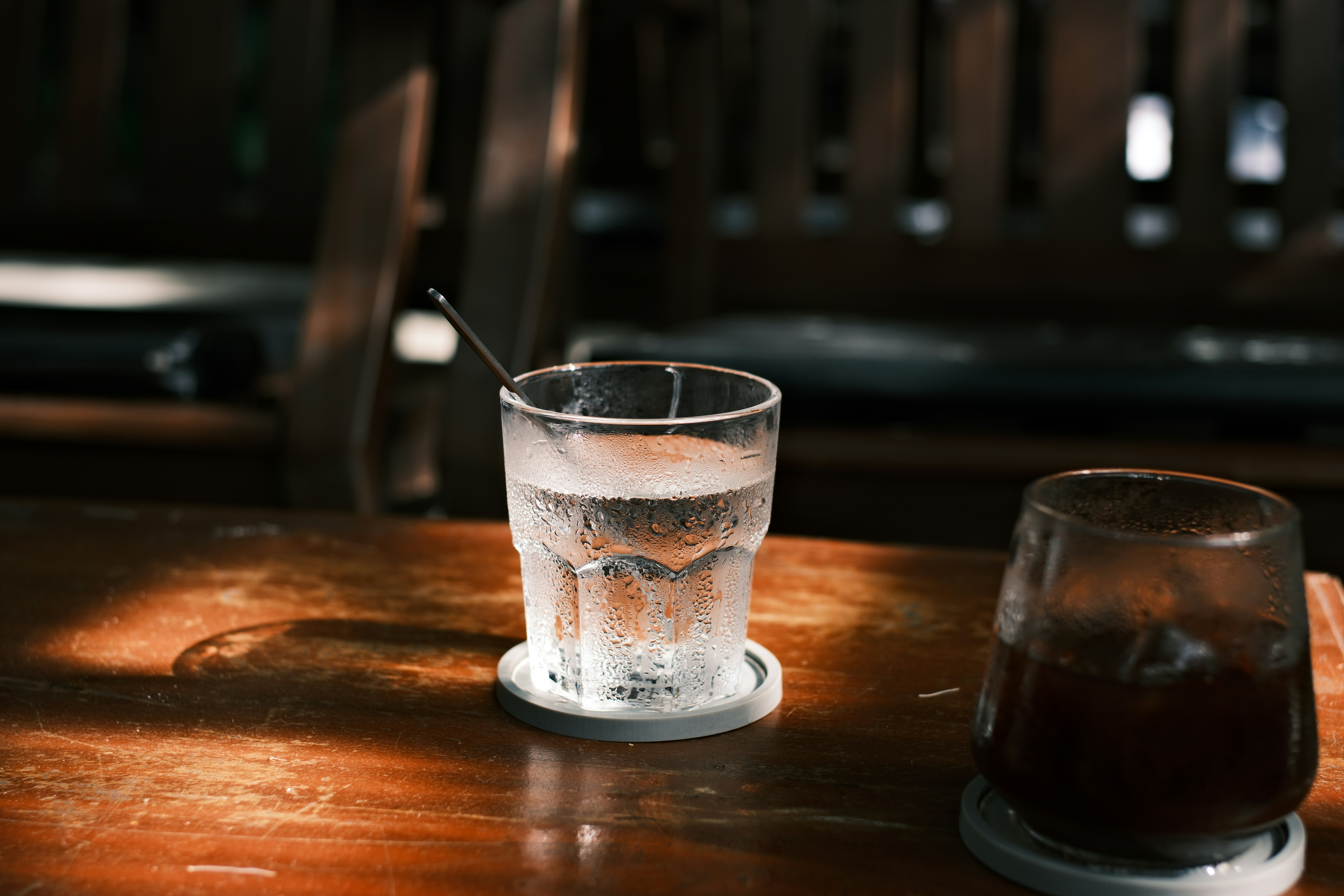
For many Americans, the first surprise happens before the meal even begins. You order water, soda, or a cocktail, and the glass arrives with little to no ice. In some places, your drink may be lightly chilled. In others, it may come closer to room temperature.
This can feel strange if you are used to tall glasses packed with ice, free refills, and servers constantly topping off your water. In much of Europe, however, ice is not treated as an essential part of every drink. It is often used more sparingly, especially in restaurants, cafés, and older establishments.
That does not mean you cannot ask for it. You usually can. Just do not be surprised if you receive a few cubes instead of the overflowing glass you might expect back home.
What to do: Ask politely for ice if you want it, but adjust your expectations. You may get less than you are used to, and that is normal.
2. Water Is Not Always Free
Another thing that surprises Americans in Europe is that water does not always automatically appear at the table. In the United States, a glass of tap water is usually free and often brought without asking. In Europe, the server may ask if you would like still or sparkling water, and in many restaurants, that means bottled water added to the bill.
Tap water is available in many places, but the custom varies by country and restaurant. In some destinations, asking for tap water is completely normal. In others, bottled water is the standard in restaurants. This is especially true in Italy, where paying for bottled water is common.
This can feel frustrating if you are not expecting it, especially when you are used to free water being part of the meal. However, once you understand the difference, it is easy to plan around.
What to do: Ask politely for tap water if you prefer it, but do not assume water will be free everywhere. If a server asks “still or sparkling,” clarify whether you want bottled water or tap water.
3. Free Refills Usually Are Not a Thing
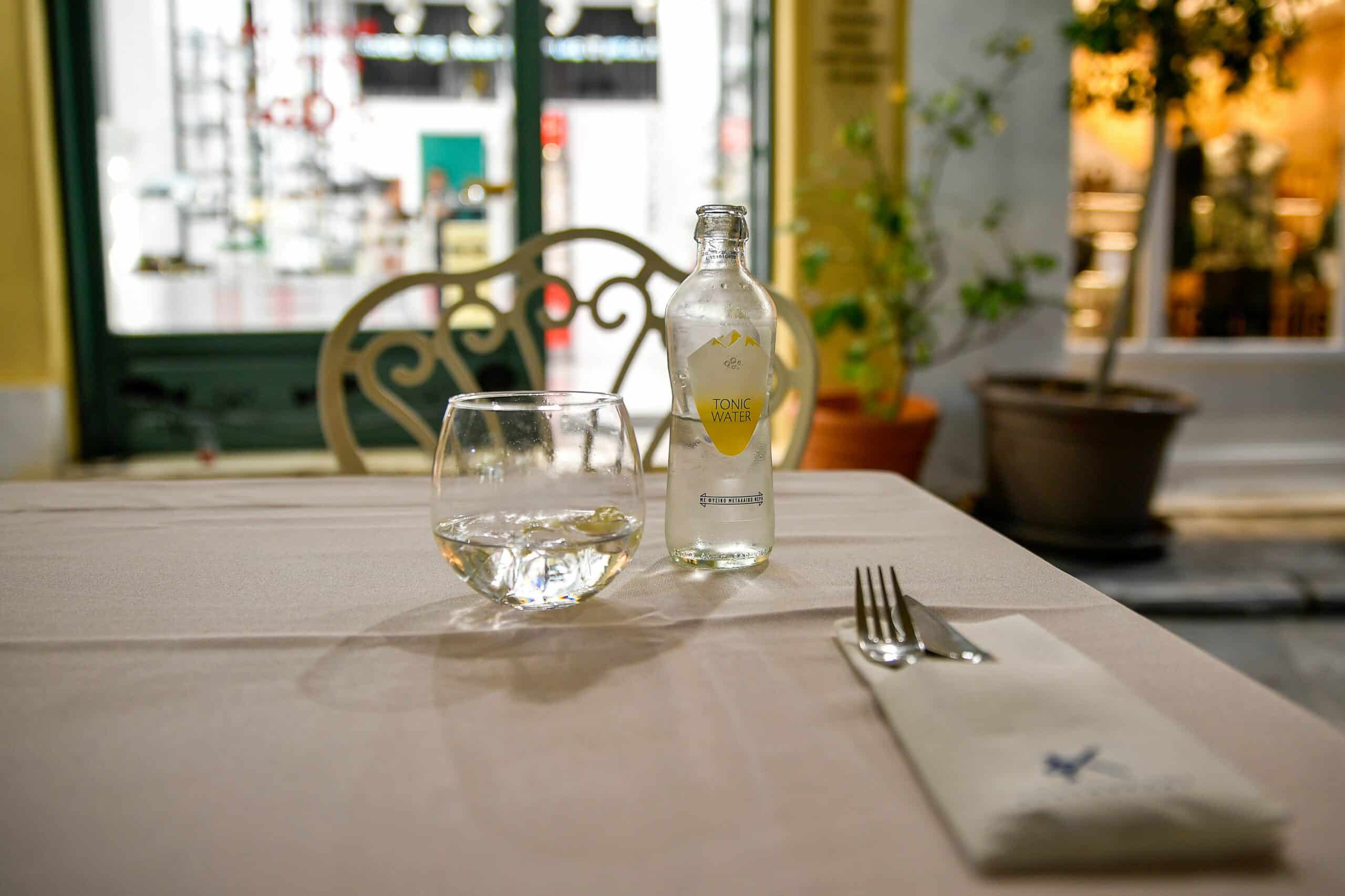
Free refills are another American habit that does not always translate to Europe. In most European restaurants and cafés, ordering a soda, iced tea, or coffee usually means you are paying for that specific drink. If you want another one, you will likely pay for another one.
This can be one of the more unexpected culture shocks in Europe for travelers used to bottomless coffee, endless fountain drinks, and large cups filled to the top. Portions are often smaller too, especially with soft drinks.
In many places, drinks are meant to be enjoyed with the meal rather than constantly refilled. It is a small difference, but it can affect your bill if you are not paying attention.
What to do: Expect to pay per drink. If you are thirsty, water is usually the better choice, but remember that bottled water may also appear on the bill.
4. Air Conditioning Is Not Always Guaranteed
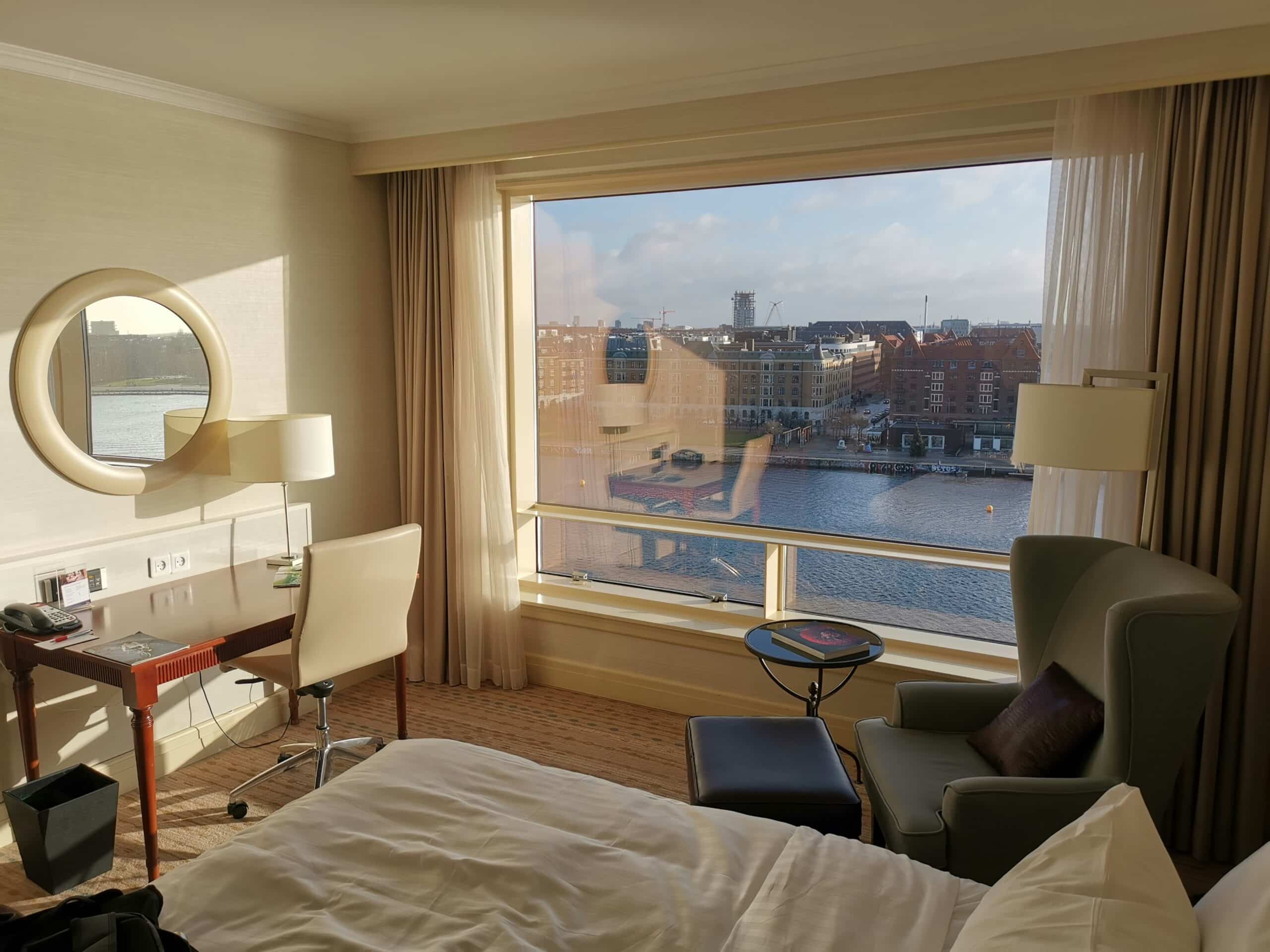
Another major shock for Americans is that air conditioning in Europe is not always a given. Many historic hotels, apartments, restaurants, and shops were built long before modern cooling systems existed. In older cities, adding central air can be difficult, expensive, or restricted by preservation rules.
Even when air conditioning is available, it may not feel as cold or powerful as what many Americans expect. A hotel room might have a small wall unit, limited temperature controls, or a system that cools the room gradually rather than instantly.
This matters most during summer travel, especially in southern Europe or during heat waves. Cities like Rome, Florence, Paris, Barcelona, and Athens can become very hot in peak season. This is one of the most common frustrations during summer trips, especially for travelers who assume every hotel will have strong air conditioning. If strong air conditioning is important to you, do not assume every hotel has it.
What to do: Check hotel amenities carefully before booking. Look for specific wording such as “air conditioning” rather than assuming it is included. For summer trips, consider booking modern hotels, traveling in shoulder season, and packing breathable clothing.
5. Meals Are Not Meant to Be Rushed
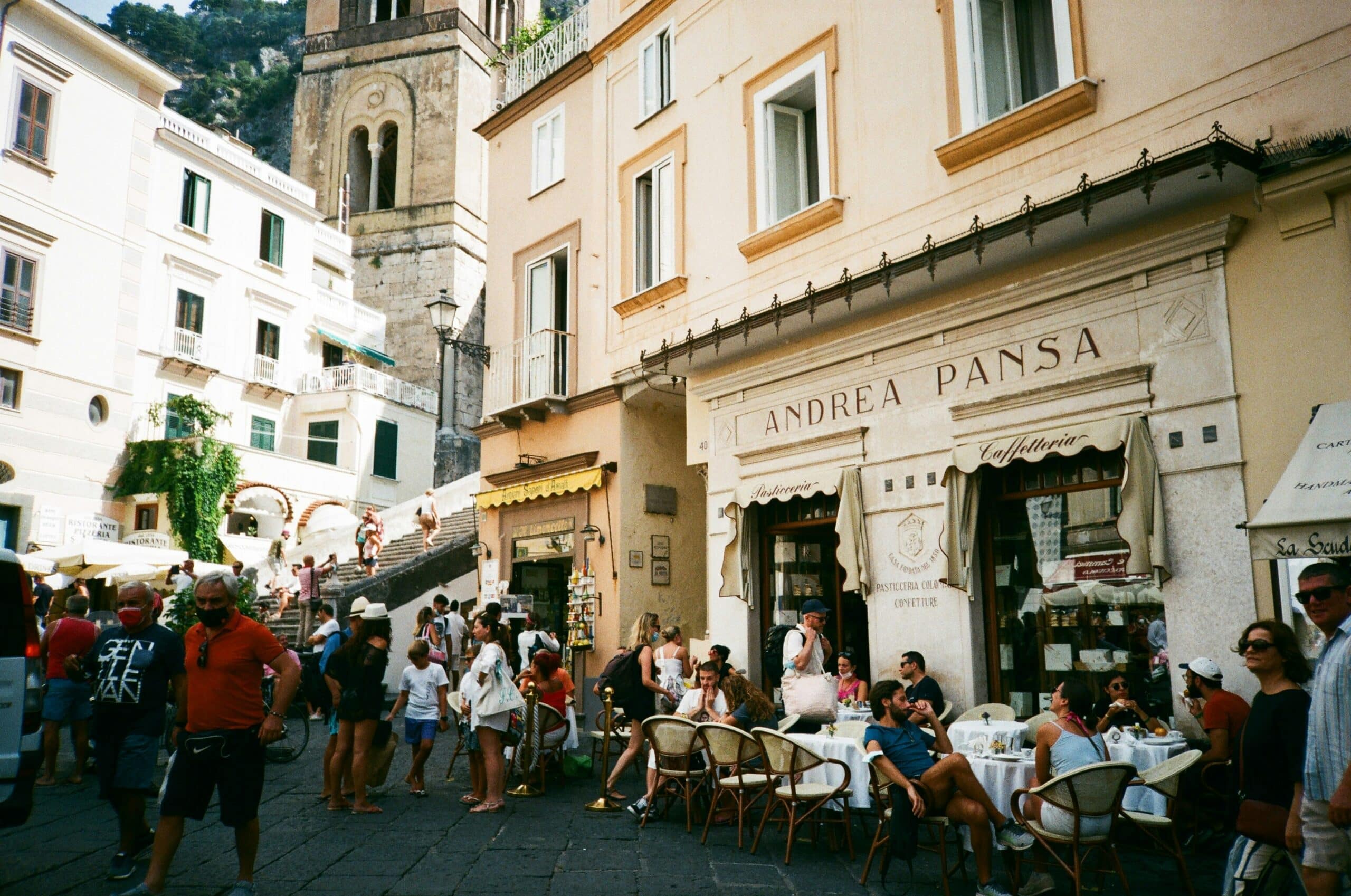
In the United States, restaurant meals often move quickly. Servers check in often, the bill may arrive before you ask for it, and tables turn over fast. In Europe, meals are usually treated differently.
Dinner may last two or three hours, especially in countries where food is central to the culture. Servers may give you more space. They may not bring the check until you ask. This is not usually a sign of bad service. In many places, bringing the bill too early would feel rude, as if they were pushing you out.
This slower pace can frustrate Americans at first. But once you settle into it, it can become one of the most enjoyable parts of the trip. Meals are not just about eating. They are about conversation, atmosphere, and the pleasure of being exactly where you are.
It is also one reason the rise of slow travel in Europe resonates with so many travelers. Instead of rushing from one landmark to the next, slow travel invites you to linger, notice the details, and experience a destination through its daily rhythms.
What to do: Ask for the check when you are ready. Learn the local phrase if you can, or simply make eye contact and politely request it. Build extra time into your dining plans, especially for dinner.
6. Tipping Customs Can Be Confusing
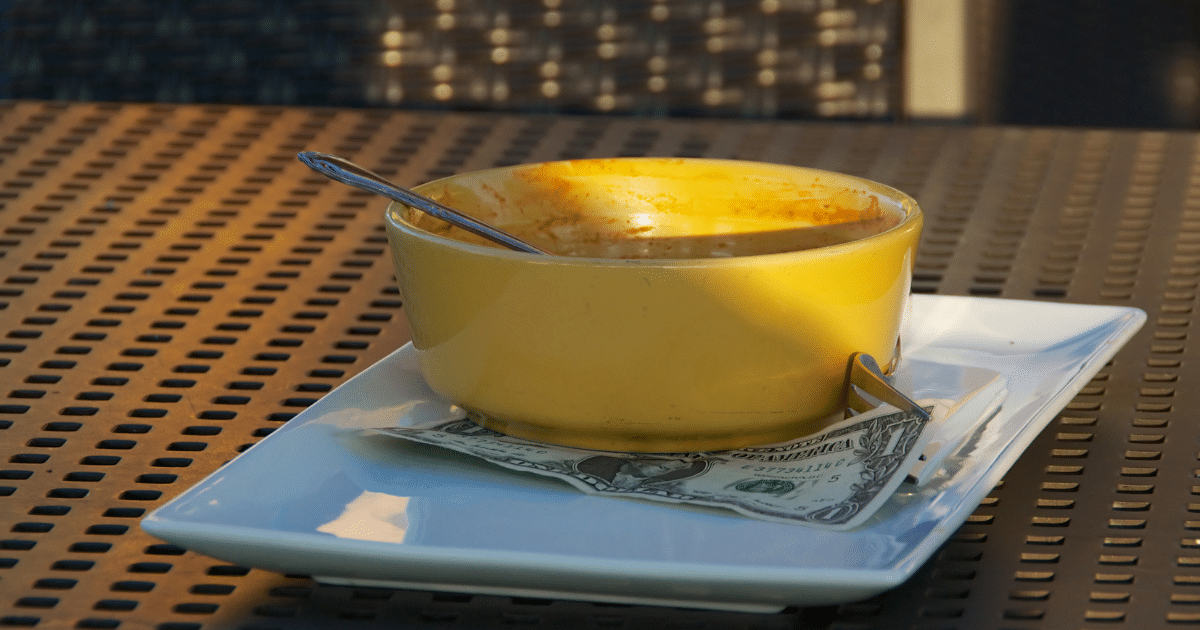
Tipping is one of the biggest culture shocks in Europe because the rules are not the same everywhere. Americans are used to tipping 18% to 25% in restaurants, often because service workers in the United States depend heavily on tips. In Europe, tipping customs vary widely by country, and the expectations are usually less intense.
In some places, service may already be included. In others, rounding up or leaving a small extra amount is appreciated. A large American-style tip may be unnecessary or even feel out of place, depending on the setting.
This does not mean you should never tip. It means you should understand the local norm before assuming U.S. tipping rules apply.
Before your trip, it helps to understand the basics of tipping in Europe
so you know when to leave extra, how much is appropriate, and when a service charge may already be included.
What to do: Check the bill first. If service is included, you may only need to round up or leave a small amount for excellent service. When in doubt, learn the tipping norm for the specific country you are visiting.
7. Service Can Feel Less Attentive
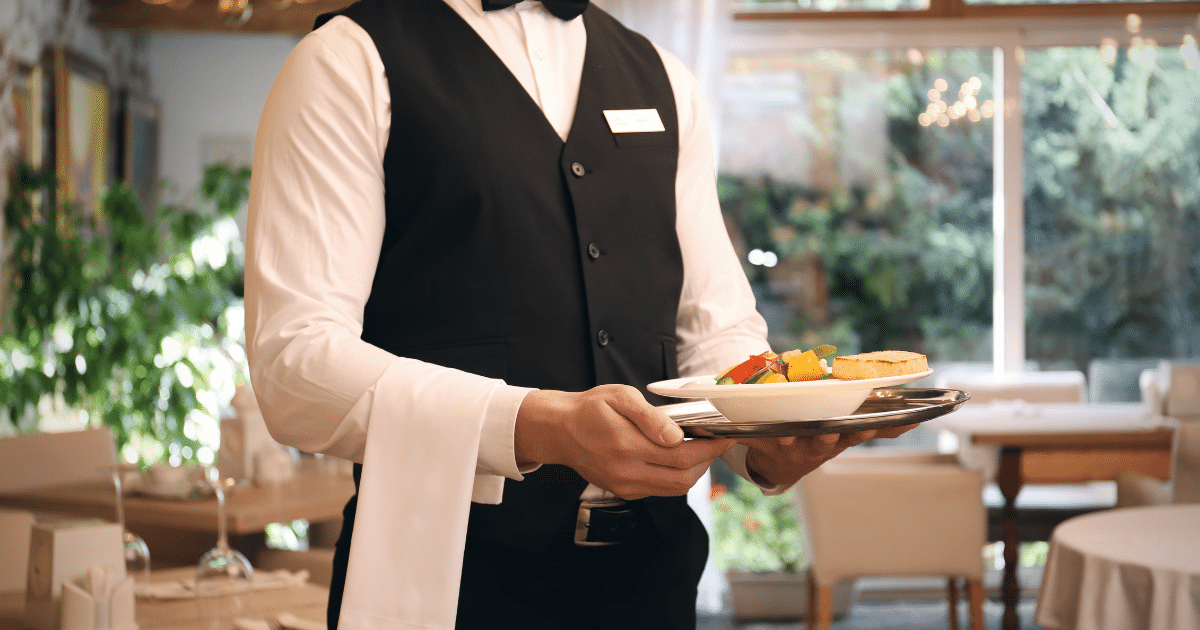
American restaurant service is often very interactive. Servers introduce themselves, refill drinks frequently, ask how everything tastes, and check in several times throughout the meal. In Europe, service may feel more reserved.
This can surprise travelers who interpret fewer check-ins as neglect. But in many European countries, good service means giving diners privacy. The server is not ignoring you. They are letting you enjoy your meal without interruption.
This difference also applies beyond restaurants. Hotel staff, shopkeepers, and café workers may be polite but less effusive than Americans expect. The customer service style can feel more direct, less chatty, and less performative.
That does not mean Europeans are unfriendly. It means the social script is different.
What to do: Do not mistake reserved service for rudeness. Be polite, make a clear request when you need something, and understand that constant check-ins are not the norm everywhere.

8. Everything Feels Smaller
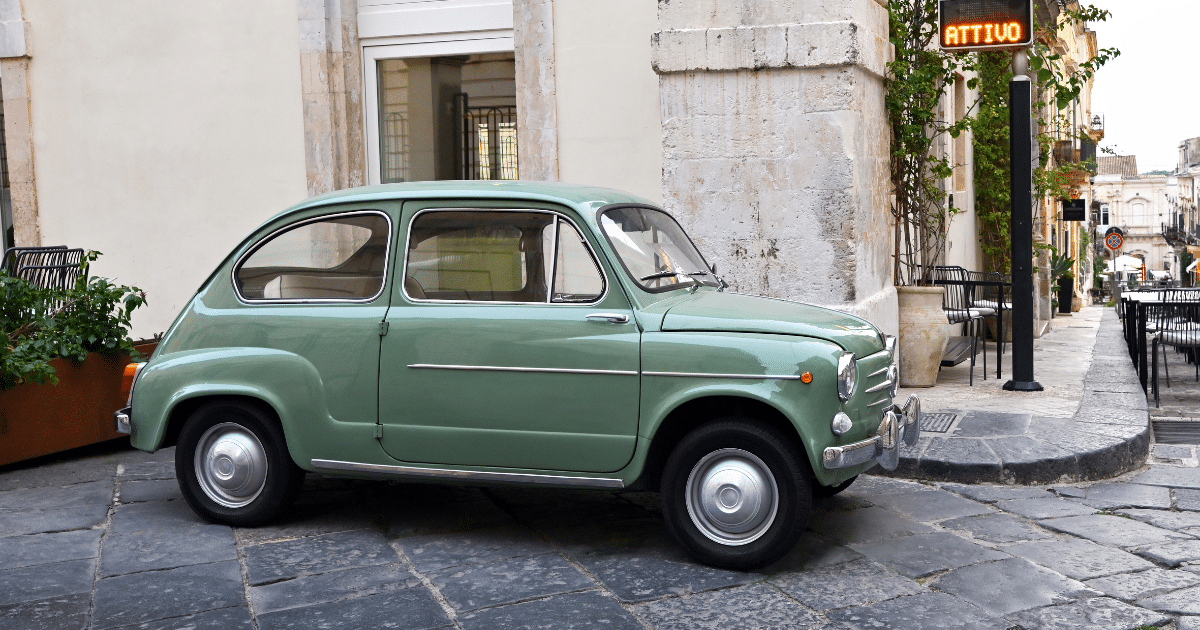
Many Americans are surprised by how compact things feel in Europe. Hotel rooms may be smaller. Bathrooms may have less counter space. Elevators may fit only one or two people with luggage. Rental cars may feel tiny. Roads can be narrow, and parking spaces may require serious patience.
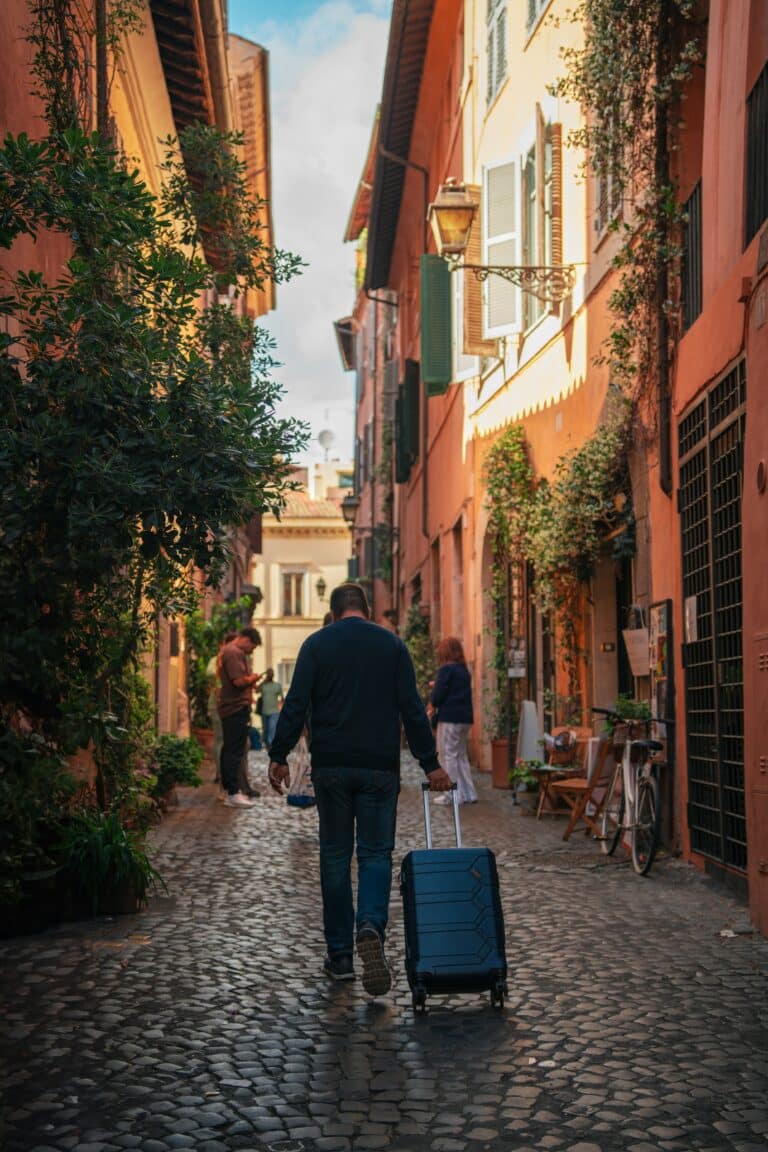
This is especially true in historic city centers. Many European towns and cities were built centuries before cars, large hotels, and modern infrastructure. Streets were designed for walking, horses, carts, and markets — not oversized vehicles and wide lanes.
At first, the smaller scale can feel inconvenient. But it is also part of what makes European cities so atmospheric. Those narrow lanes, tucked-away courtyards, and compact neighborhoods are often the very things travelers cross the ocean to experience.
What to do: Pack lighter than you think you need to. Choose luggage that is easy to lift, carry, and maneuver through train stations, staircases, small elevators, and cobblestone streets. If renting a car, opt for a smaller vehicle unless you truly need the space.
For more practical advice, see our guide to mastering European travel packing before your trip.
9. Public Bathrooms May Cost Money
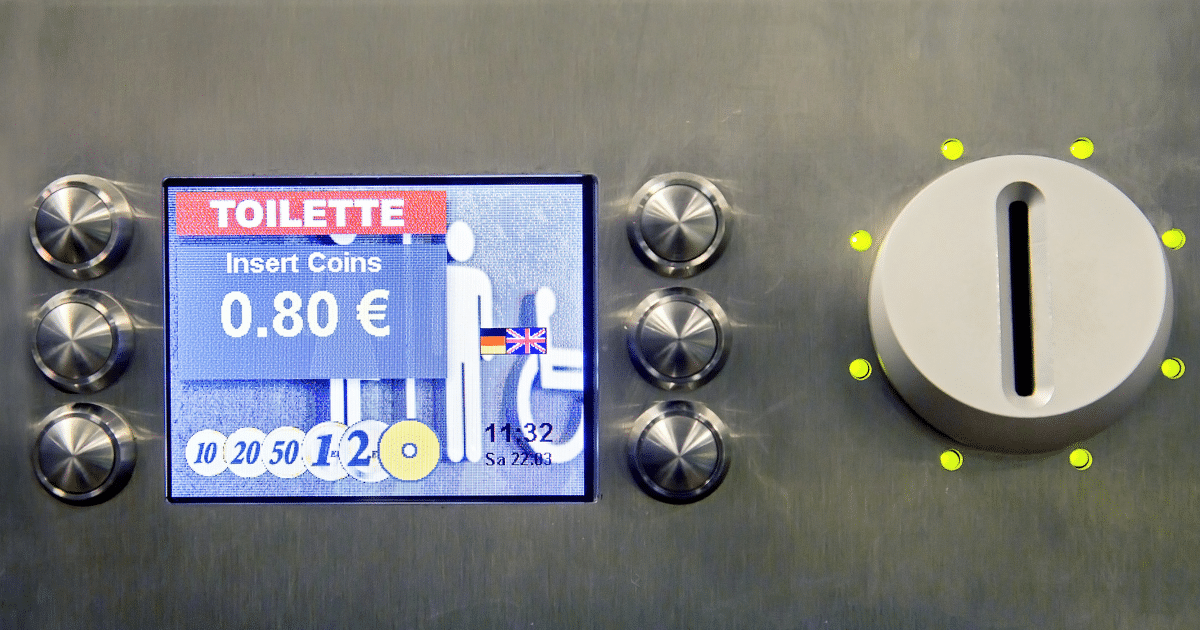
This one catches many Americans off guard: public bathrooms in Europe are not always free. In train stations, city centers, shopping areas, and tourist sites, you may need to pay a small fee to use the restroom.
Sometimes there is an attendant. Sometimes there is a turnstile. Increasingly, some places accept contactless payment, but coins can still be useful. The upside is that paid restrooms are often cleaner and better maintained than free public facilities.
Still, it can be frustrating if you are not prepared, especially when traveling with children, older relatives, or a tight sightseeing schedule.
What to do: Carry small coins and use restrooms when you are already inside museums, restaurants, cafés, or hotels. Do not wait until it is urgent.
10. Public Transportation May Run on the Honor System
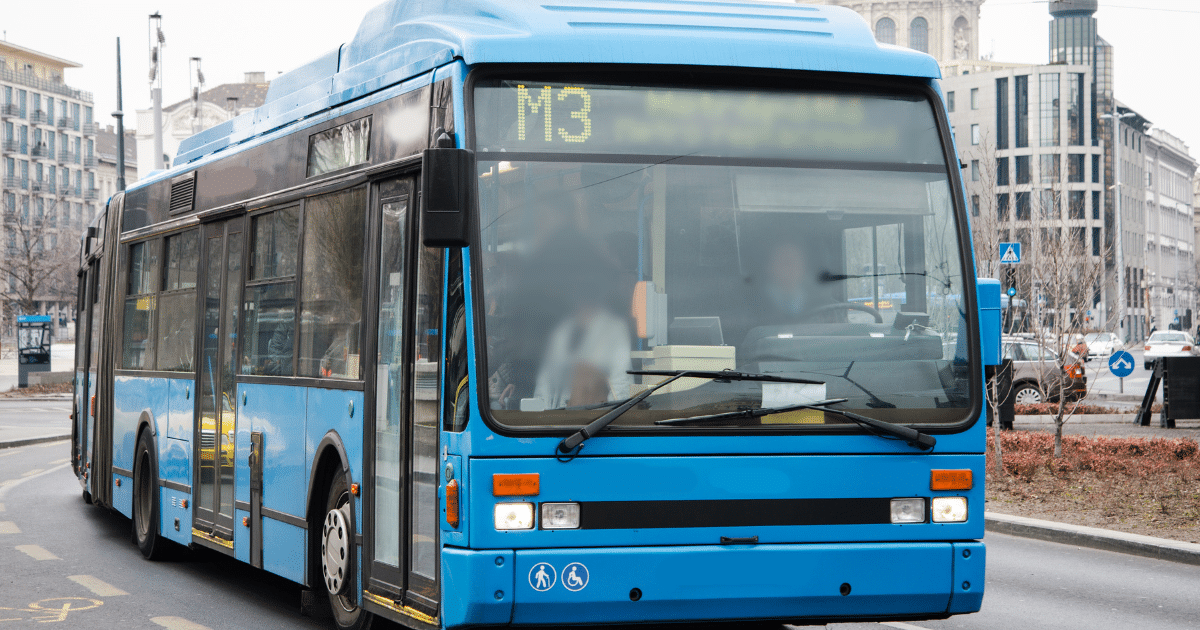
In many European cities, public transportation works differently than Americans expect. Instead of passing through a turnstile every time, you may be expected to buy and validate your ticket before boarding. On some systems, no one checks your ticket when you get on the tram, bus, or train.
That does not mean the ride is free. Many cities use an honor system with random inspections. If you are caught without a valid ticket, the fine can be steep, even if it was an honest mistake.
This varies by country and city, so travelers should never assume the rules are the same everywhere. Some systems use gates, some require tapping in and out, and others rely heavily on ticket inspections.
For first-time travelers in Europe, this can be confusing because the process is not always obvious. You may need to validate a paper ticket in a machine, tap a card before boarding, or activate a digital ticket in an app.
What to do: Always buy the correct ticket and validate it if required. Look for machines on platforms, inside trams, or near station entrances. If you are unsure, ask before boarding.
11. Shops and Restaurants May Close When You Least Expect It
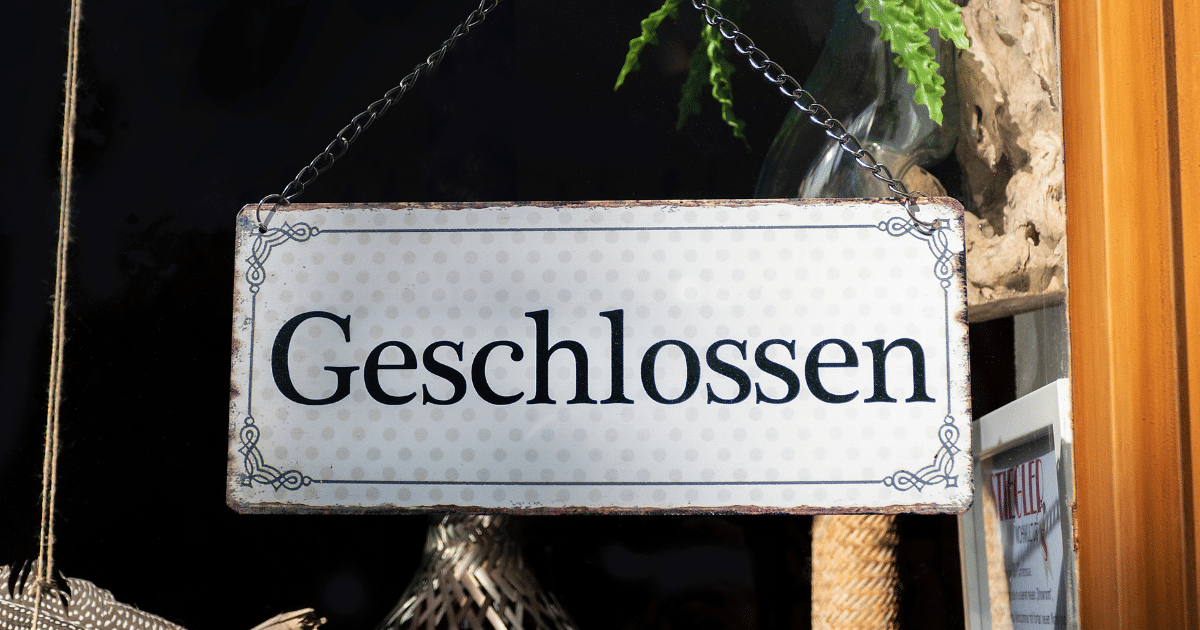
In many parts of the United States, travelers are used to long hours, late-night convenience, and stores open seven days a week. Europe does not always work that way.
Some shops close on Sundays. Restaurants may close between lunch and dinner. Smaller family-run businesses may take a weekly closing day, often Monday. In some countries, lunch breaks are longer, and opening hours can vary by season.
This can be one of the most frustrating things that shock Americans in Europe because it affects daily plans. You may arrive hungry at 3:00 p.m. only to discover that many restaurants are closed until dinner. Or you may plan a shopping day on Sunday and find most stores shuttered.
Yet this is also part of the cultural difference. Work-life balance, family time, and traditional schedules often matter more than nonstop convenience.
What to do: Check hours before heading out, especially on Sundays, Mondays, holidays, and during the afternoon. Make dinner reservations when possible, and keep a few snacks on hand for travel days.
Why These Differences Matter
The biggest mistake travelers can make is assuming Europe should operate like home. It does not, and that is the point. Travel becomes much more enjoyable when you stop treating every difference as an inconvenience and start seeing it as part of the experience.
Limited ice, smaller hotel rooms, slower meals, tipping confusion, paid bathrooms, and Sunday closures may seem minor. But together, they reflect a different pace of life. In many European destinations, convenience is not always the highest value. History, preservation, leisure, tradition, and quality of life often shape the way things work.
That does not mean every difference will feel magical. Some will annoy you. That is normal. But when you know what to expect, you can prepare instead of feeling caught off guard.
What Should Americans Know Before Traveling to Europe?
Americans traveling to Europe should expect a different rhythm. Service may be slower, meals may last longer, hotel rooms may be smaller, and some modern conveniences may be less consistent than they are in the United States.
The best approach is to stay flexible. Confirm important amenities before booking. Learn a few local customs. Give yourself more time than you think you need. Most importantly, remember that you are not traveling to recreate home somewhere else. You are traveling to experience a different place on its own terms.
Many of the things that surprise Americans in Europe are not dealbreakers. They are simply details that require a little preparation. When you understand the local rhythm before you arrive, your trip becomes smoother, less stressful, and more rewarding.
Final Thoughts
Europe is not designed to feel exactly like home, and that is part of its appeal. The lack of ice, limited air conditioning, slower meals, smaller spaces, tipping confusion, and unexpected closures can surprise first-time visitors. But these differences often become the details travelers remember most.
A great European trip is not about forcing American expectations onto another culture. It is about arriving prepared, staying open, and allowing yourself to move at a different pace.
After all, sometimes the best travel memories happen when there is no rush at all.
Plan Your Europe Trip With Fewer Surprises
The differences you experience in Europe are rarely dealbreakers, but they can shape your entire trip. A hotel without air conditioning in July, a restaurant that closes when you were not expecting it, or a poorly chosen location that adds unnecessary stress to your day can quickly take the shine off what should be a great experience.
Most of these issues are not about Europe being difficult. They come down to knowing what to expect and making the right decisions before you go.
Travel Smarter With Guidester
Guidester helps you avoid the common friction points that catch first-time travelers off guard. From choosing the right hotels with the amenities you actually care about, to understanding local rhythms, to building a day-by-day plan that works with how Europe operates — not against it — you can travel with more clarity and less stress.
Instead of figuring everything out as you go, you arrive knowing what to expect and how to navigate it.
FAQ: Things That Shock Americans in Europe
What shocks Americans most when visiting Europe?
Many Americans are surprised by the lack of ice, paid water, smaller hotel rooms, limited air conditioning, slower restaurant service, tipping confusion, paid public bathrooms, and shops closing earlier than expected. These differences are usually cultural, not signs of poor service or inconvenience.
What surprises Americans in Europe the most on a first trip?
On a first trip to Europe, Americans are often most surprised by how different the daily rhythm feels. Meals may take longer, service may feel less hands-on, shops may close earlier, and hotel rooms may be smaller than expected. These culture shocks in Europe are easier to handle when travelers know what to expect before they go.
Why don’t Europeans use as much ice?
In many European countries, drinks are served chilled but not packed with ice. Ice is available in some places, especially hotels and tourist-friendly restaurants, but it is not used as heavily as it is in the United States.
Is water free in European restaurants?
Sometimes, but not always. In many European restaurants, bottled still or sparkling water is commonly offered and added to the bill. Tap water may be available, but customs vary by country and restaurant. If you want tap water, ask politely and clarify before ordering.
Are free refills common in Europe?
No, free refills are not common in most European restaurants and cafés. If you order another soda, coffee, or tea, expect to pay for another drink.
Is air conditioning common in European hotels?
Air conditioning is common in many modern hotels, but it is not guaranteed everywhere. Historic hotels, older buildings, small inns, and apartments may have limited cooling or none at all. Always check before booking, especially for summer travel.
Why is restaurant service slower in Europe?
Restaurant service in Europe often feels slower because meals are meant to be enjoyed at a relaxed pace. Servers may not bring the check until you ask because they do not want to rush you.
How much should Americans tip in Europe?
Tipping customs vary by country. In many places, tipping is more modest than in the United States, and service may already be included. Rounding up or leaving a small extra amount for good service is often enough, but it is best to check the local norm before you go.
Do you have to pay for bathrooms in Europe?
Sometimes, yes. Public bathrooms in train stations, tourist areas, and city centers may charge a small fee. Carrying coins or a contactless card can make this easier.
Are European hotel rooms smaller than American hotel rooms?
Yes, they often are, especially in historic city centers. Many European buildings were constructed long before modern hotel standards, large elevators, or oversized luggage became common.
What should Americans know before traveling to Europe for the first time?
Americans should know that Europe often moves at a different pace. Expect smaller spaces, more walking, fewer convenience-based services, different dining customs, varying tipping rules, and local schedules that may include afternoon breaks or Sunday closures.