A Landscape Built Around the Olive Tree
Nowhere is Andalusia’s relationship with olive oil more visible than in the province of Jaén.
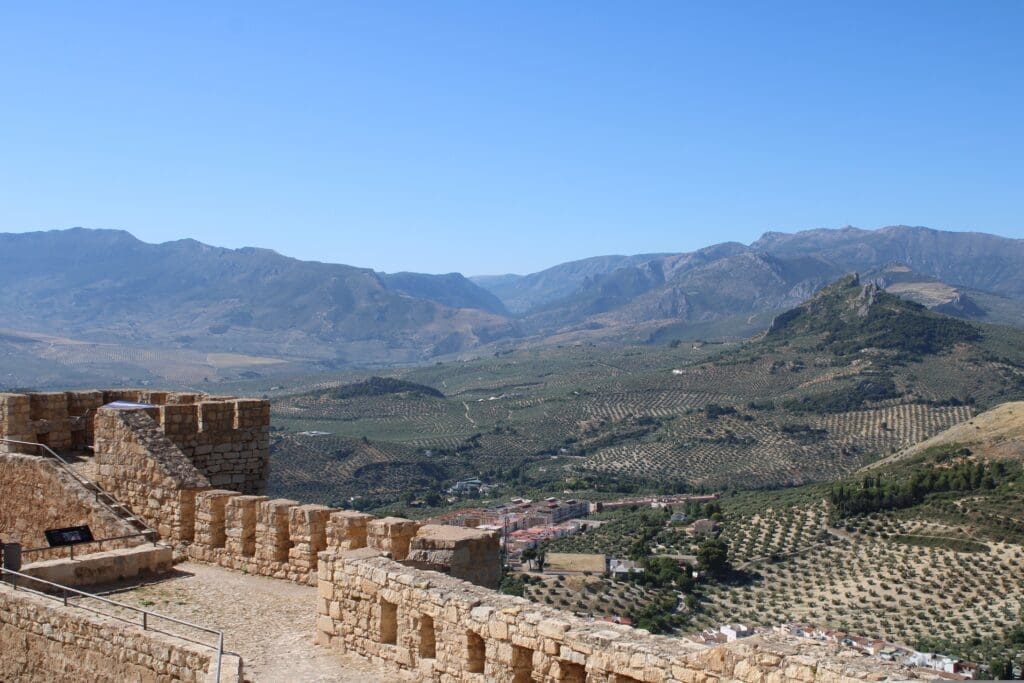
Tens of millions of olive trees blanket the surrounding countryside. From a hilltop or castle viewpoint, their carefully planted rows follow every rise and dip in the terrain until individual farms become almost impossible to distinguish.
The historic towns of Úbeda and Baeza make particularly appealing bases for exploring this landscape. Both are renowned for their Renaissance architecture and surrounded by some of Spain’s most productive olive-growing territory.
Córdoba and Granada also contain extensive olive groves, where agricultural traditions remain deeply connected to rural life.
These landscapes are beautiful, but they are not ornamental. Families, cooperatives, mills, restaurants, and entire communities depend on what grows there. A journey through olive country offers a glimpse into an Andalusia that exists well beyond its major cities.
Olive Oil Has Been Leaving Andalusia for Nearly 2,000 Years
One of the most remarkable pieces of evidence for Andalusia’s ancient olive oil industry is not in Spain at all. It is in Rome.
Under Roman rule, the province of Baetica covered much of present-day Andalusia and became an important agricultural region of the empire. Olive oil produced along the Guadalquivir basin was packed into large clay vessels called amphorae and transported across the Mediterranean.
So much oil reached Rome that its discarded containers eventually formed an entire artificial hill.
Known as Monte Testaccio, the mound rises more than 100 feet above its surroundings and consists of countless fragments of broken amphorae. Most once carried olive oil from southern Spain.
Archaeologists have studied markings on these vessels to learn about Roman merchants, agricultural estates, and the enormous trade networks that supplied the imperial capital.
Imagine an entire hill in Rome built largely from the packaging of Andalusian olive oil. Few archaeological sites demonstrate the scale of ancient trade quite so vividly.
Olive oil was only one part of the cultural inheritance Rome left behind.
Although production methods have changed considerably, the groves surrounding Córdoba, Seville, and Jaén belong to an agricultural tradition that has connected this region to distant markets for nearly two millennia.
Why Andalusia Produces So Much Olive Oil

The olive tree is particularly well suited to the Mediterranean climate. Long, hot, dry summers and relatively mild winters provide conditions in which established trees can thrive, even where other crops may struggle.
Much of inland Andalusia offers exactly that environment.
The broad valleys and rolling countryside surrounding the Guadalquivir River and its tributaries provide extensive agricultural land. Generations of farmers have cultivated these areas, developing knowledge of local soils, olive varieties, and harvesting techniques.
Production varies from year to year. Olive trees naturally alternate between heavier and lighter crops, while rainfall and temperature can strongly influence the harvest.
For visitors, these seasonal rhythms also determine what happens at the farms and mills. Autumn and winter bring the harvest, while spring offers pleasant conditions for walking through the groves and exploring the surrounding countryside.
From Olive Grove to Almazara
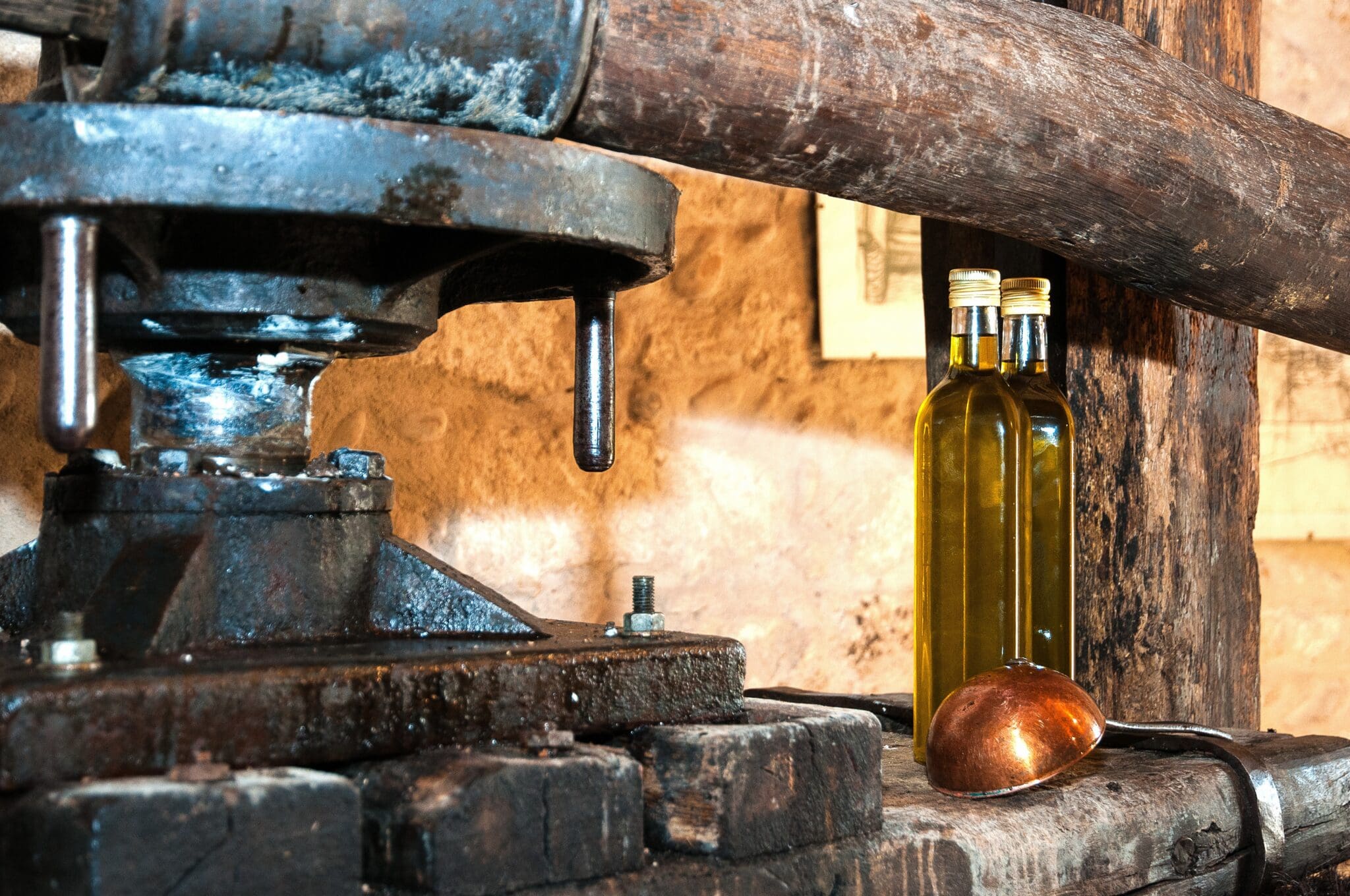
The Spanish word almazara refers to an olive oil mill. Visiting one reveals how much precision sits behind a product that looks remarkably simple in a bottle.
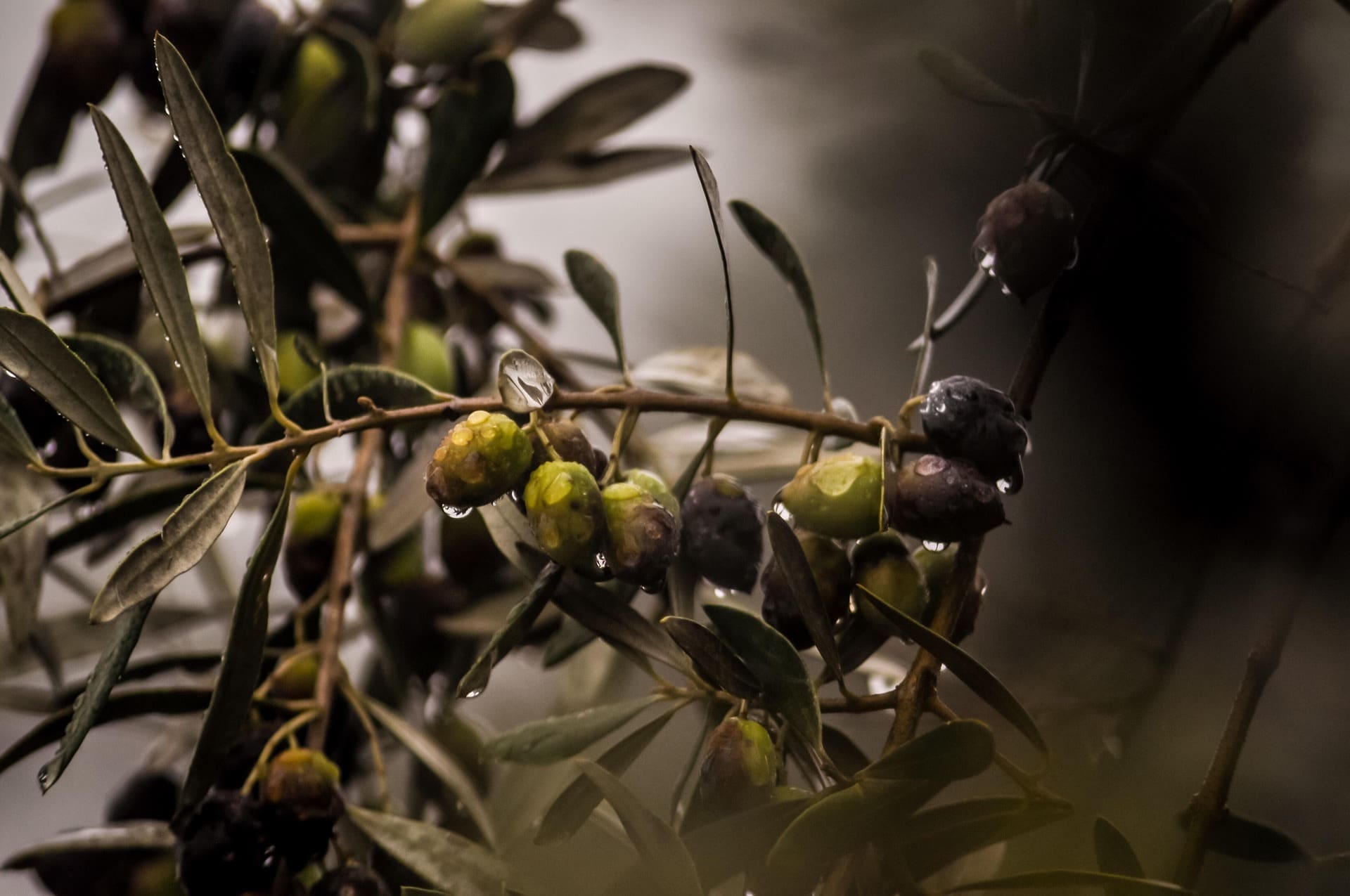
Harvest typically takes place during the cooler months. Olives picked earlier in the season tend to yield less oil but can produce intense green, bitter, and peppery flavors. Riper fruit generally produces a different flavor profile and often a greater yield.
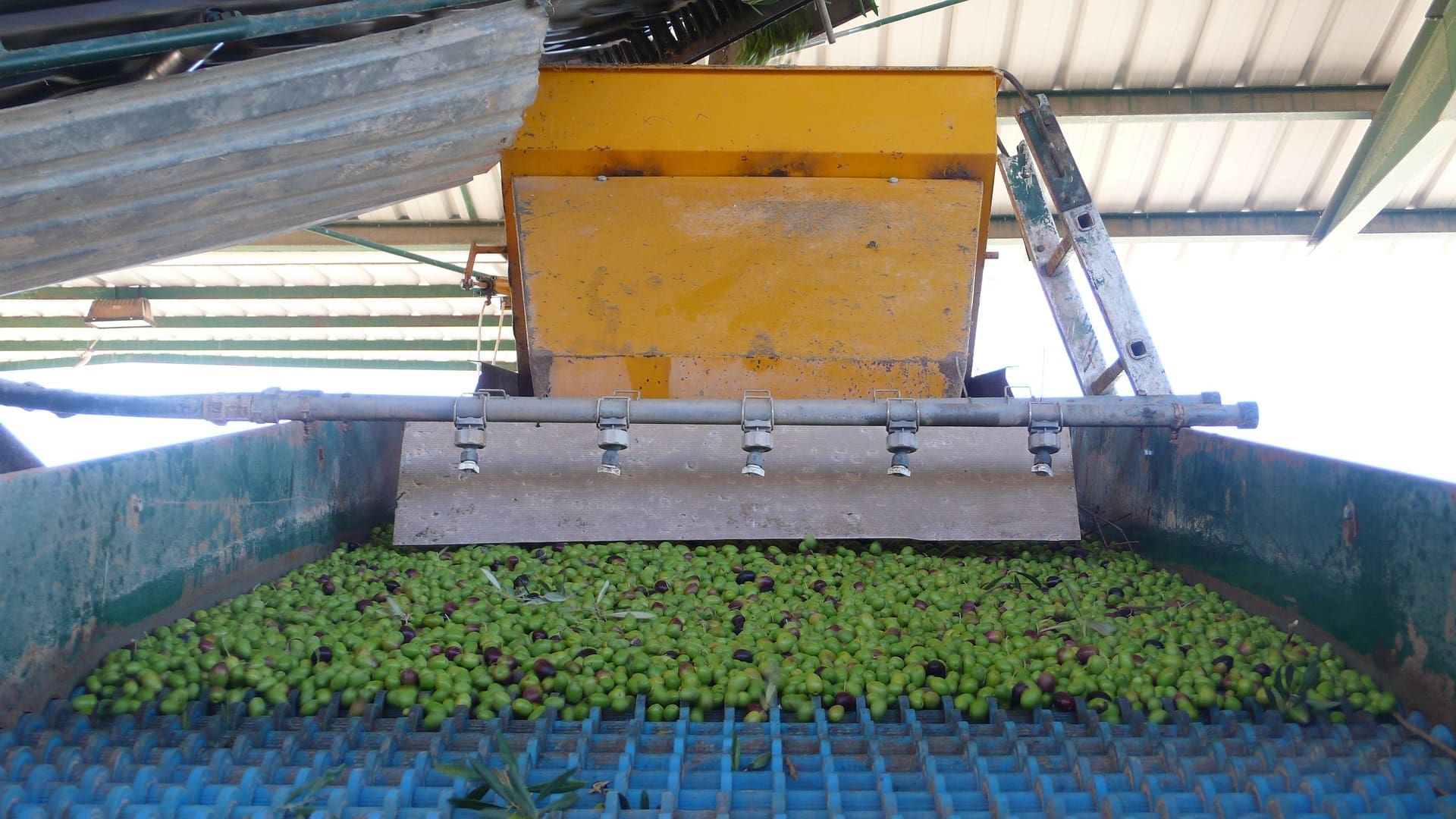
Once harvested, the olives need to reach the mill quickly to preserve their quality.
At a modern almazara, the fruit is cleaned and crushed into a paste. The paste is gently mixed before centrifuges separate the oil from water and solid material.
Although traditional stone presses remain fascinating features of historic mills, most modern extra virgin olive oil is produced using centrifugation rather than mechanical pressing.
Extra virgin olive oil must meet specific chemical and sensory standards without undergoing chemical refining.
Visit during the harvest and you may encounter the aroma of freshly crushed olives, machinery in operation, and newly extracted oil. Outside the harvest season, guided visits still offer an opportunity to understand the process and sample its results.
What to Expect at an Andalusian Olive Oil Tasting
Most travelers know that wines made from different grapes taste different. Far fewer approach olive oil the same way.
Andalusia grows numerous olive varieties, each with its own characteristics. Among those you may encounter are:
- Picual: Widely grown in Jaén, often producing robust oils with green, bitter, and peppery notes.
- Hojiblanca: Common in Córdoba and Málaga, with flavors that can include fresh herbs, fruit, and almonds.
- Arbequina: Often softer and fruitier, with a more delicate flavor.
- Picuda: Associated particularly with Córdoba, frequently producing aromatic, fruity oils.
Harvest timing, climate, ripeness, and production methods also influence how each oil tastes.
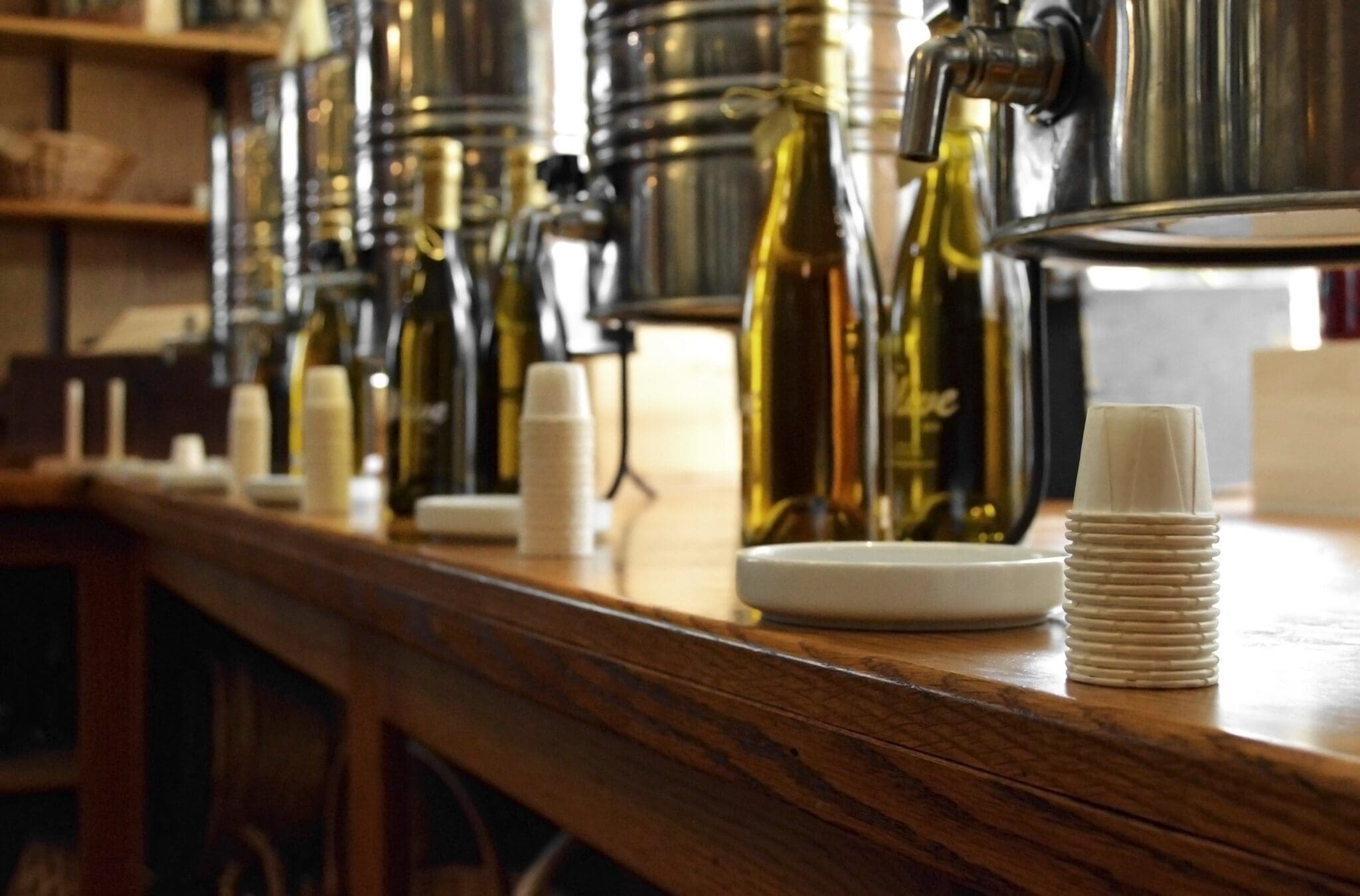
During a guided tasting, you will typically begin by gently warming a small cup of oil in your hands. Rather than dipping bread immediately, you smell the oil first, allowing its aromas to develop.
You might recognize freshly cut grass, green tomato, herbs, almonds, or ripe fruit.
Next, a small sip is drawn across the palate. Professional tasters evaluate three positive characteristics: fruitiness, bitterness, and pungency.
That last characteristic often surprises visitors. The peppery sensation that catches at the back of your throat is not necessarily a flaw. It can be a desirable quality in a well-made extra virgin olive oil.
Tasting several oils side by side makes their differences surprisingly obvious. One may be grassy and assertive, another rounder and fruitier, and a third peppery enough to make you cough.
The experience changes not only how you appreciate Andalusian cuisine but also how you choose olive oil once you return home.
Where to Experience Olive Oil in Andalusia
Known in Spain as oleoturismo, olive oil tourism combines agricultural traditions, regional history, and gastronomy. Across Andalusia, working farms, historic mills, and museums welcome travelers who want to discover the origins of this everyday ingredient.
These three locations offer distinctly different experiences.
Oleícola San Francisco | Begíjar, Jaén
Near the Renaissance towns of Baeza and Úbeda, Oleícola San Francisco offers an introduction to both traditional and modern olive oil production.
Guided experiences include mill visits, olive grove tours, and tastings that introduce visitors to the characteristics of extra virgin olive oil.
Its location in the heart of Jaén’s olive country makes it an excellent addition to a journey through the province, particularly for travelers combining cultural sightseeing with local food experiences.
Núñez de Prado Olive Oil Mill | Baena, Córdoba
For a more traditional experience, head to the town of Baena, one of Córdoba’s best-known olive oil-producing areas.
The Núñez de Prado olive oil mill is operated by a family whose olive-growing heritage spans seven generations. Its historic facilities include granite milling equipment and an atmospheric cellar containing large earthenware jars dating to 1795.
Visitors can arrange experiences exploring organic olive cultivation, production traditions, and guided tastings.
It is a particularly rewarding stop for travelers interested in the craftsmanship and family traditions behind Andalusian olive oil.
Almazara La Erilla | Nigüelas, Granada
South of Granada, at the foot of the Sierra Nevada, the village of Nigüelas is home to Almazara La Erilla, a historic olive oil mill transformed into an interpretation center.
Dating to the 15th century, the mill preserves historic machinery that illustrates how olive oil was produced long before modern technology.
Visitor experiences can combine the historic mill with olive grove visits and tastings, offering an opportunity to explore the rural heritage of the Lecrín Valley.
It makes an appealing excursion from Granada for those looking to experience something beyond the Alhambra.
Guidester Tip: Arrange mill visits and tastings in advance, especially if you require an English-speaking guide. If seeing active olive oil production is important to you, confirm harvest dates directly with the producer before traveling.
Olive Oil at the Andalusian Table
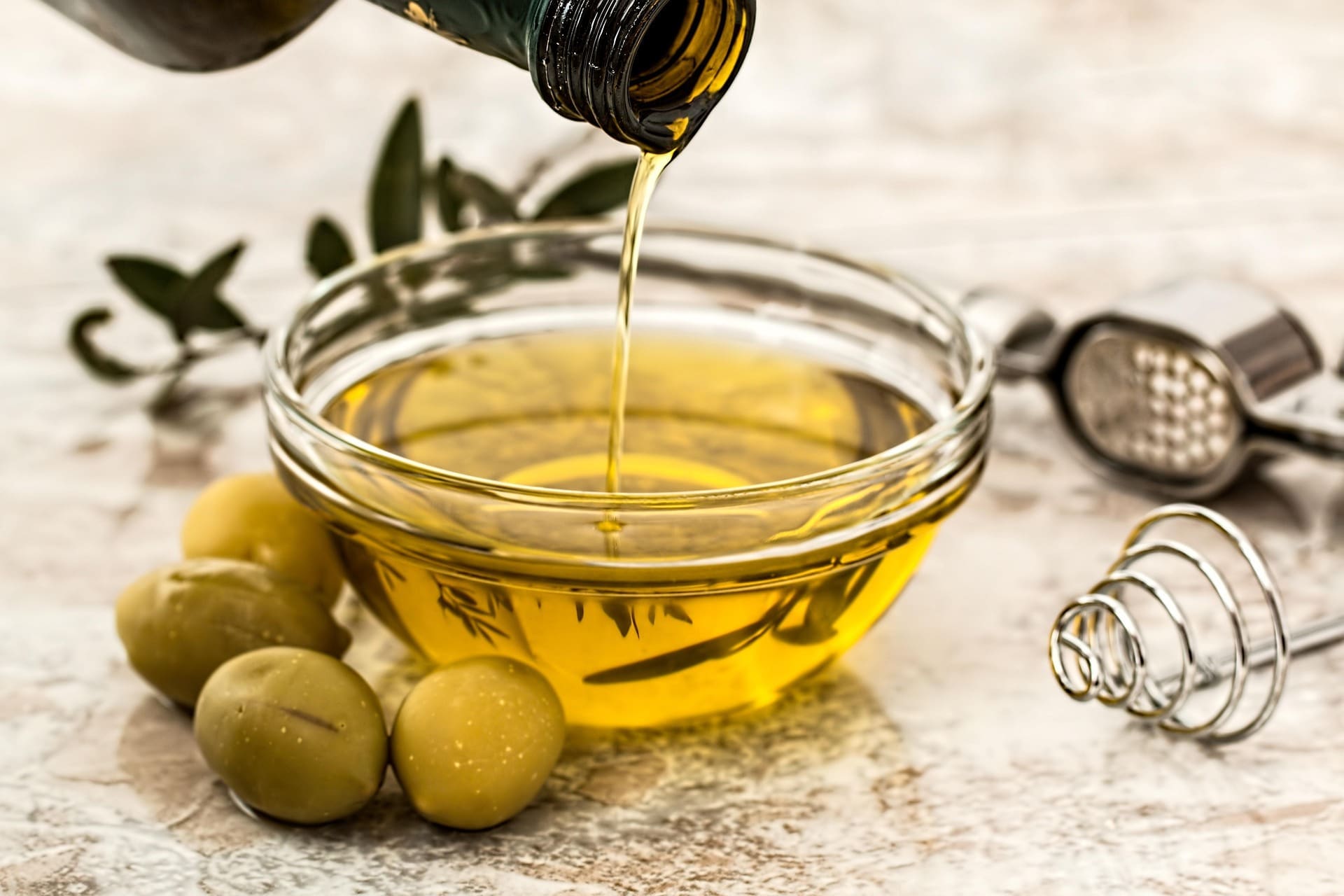
Once you have tasted olive oil at its source, you begin to notice its presence throughout Andalusian cuisine.
At breakfast, toasted bread may arrive with crushed tomato and a generous pour of extra virgin olive oil. Known as tostada con tomate y aceite, it is a simple introduction to the region’s flavors.
Some of Andalusia’s most celebrated dishes also depend on olive oil:
- Gazpacho: A refreshing chilled vegetable soup associated with the hot southern Spanish summer.
- Salmorejo: Córdoba’s thicker tomato and bread soup, whose rich texture comes partly from olive oil rather than cream.
- Pescaíto frito: Small fried fish and seafood, particularly popular along the Andalusian coast.
- Berenjenas con miel: Fried eggplant often served with sugarcane syrup, a popular dish in Córdoba and Granada.
In Jaén, olive oil is not merely a finishing ingredient reserved for special occasions. It is an everyday staple used throughout the meal, from breakfast to dinner.
Experiencing Andalusia Beyond Its Famous Landmarks
The Alhambra, Córdoba’s Mezquita-Catedral, Seville’s Alcázar, and the region’s whitewashed villages deserve the attention they receive.
Yet some of southern Spain’s most memorable experiences happen away from its monumental sights, among the farms, villages, and traditions that sustain everyday life.
Visiting a working olive farm and sampling locally produced olive oil, an experience included in Guidester’s Spain: Madrid to Andalusia tour, offers a deeper understanding of the region’s agricultural and culinary heritage.
After walking among the olive trees, discovering their history, and tasting what they produce, you may never look at those seemingly endless groves in quite the same way again.