There’s a moment on nearly every Scottish hike when the clouds part, the wind settles, and you’re standing on a ridge with nothing but ancient mountains rolling toward the horizon. It’s the kind of view that makes you understand why Scots have been writing poems about these hills for centuries.
But here’s the thing about hiking in Scotland: with hundreds of trails scattered across dramatically different landscapes, from Edinburgh’s volcanic peaks to Skye’s otherworldly rock formations, figuring out where to actually go can feel overwhelming. Should you tackle Ben Nevis? Explore the Highlands? Stay near Edinburgh and day-trip?
This is a practical guide designed to help you build a hiking route that matches your fitness level, number of days you want to spend in Scotland, and the kind of Scottish experience you’re after—whether that’s three days of urban hikes around Edinburgh or two weeks traversing the Western Highlands.
Choose Your Scottish Hiking Style
Before diving into specific trails, let’s be honest about what kind of hiker you are. Scotland rewards all types, but matching your style to the right regions saves you from spending half your trip in the car or attempting hikes that don’t actually interest you.
The Slow Wanderer
You prefer 2-5 mile trails with plenty of stops for photography, history, and simply soaking in the landscape. You’re happy walking village to village, stopping at viewpoints, and finishing with time for a proper pub dinner. Edinburgh’s urban trails, Oban’s coastal paths, and Speyside’s forest walks are your terrain.
The Active Explorer
You want full days in the hills—8 to 12 miles with real elevation gain. You’re comfortable with technical terrain, prepared for Scotland’s weather changeability, and energized by a challenging day followed by a hot shower and local whisky. The Cairngorms, Glencoe, and Isle of Skye’s bigger routes will satisfy you.
The Summit Seeker
You’re here for the peaks. Ben Nevis, Lochnagar, the Cairngorms plateau—you want elevation, you want views, and you’re prepared to start early and carry proper gear. You understand that Scottish mountains, while not technically difficult in summer, demand respect for weather and navigation.
The beauty of Scotland? You can mix styles throughout your trip. Start with Edinburgh’s accessible peaks to acclimatize, progress to Glencoe’s dramatic glens, and finish with a gentle coastal walk in Oban. Scotland’s compact geography means you’re never more than a few hours from a completely different hiking experience.
With only a week or so in Scotland, every trail choice matters. I’ve seen travelers waste precious Highland days on hikes that were harder than expected, or miss spectacular walks because they didn’t know which trails truly deliver. Learn what not to do when hiking in Scotland so you can spend less time struggling and more time soaking in the landscapes you came for.
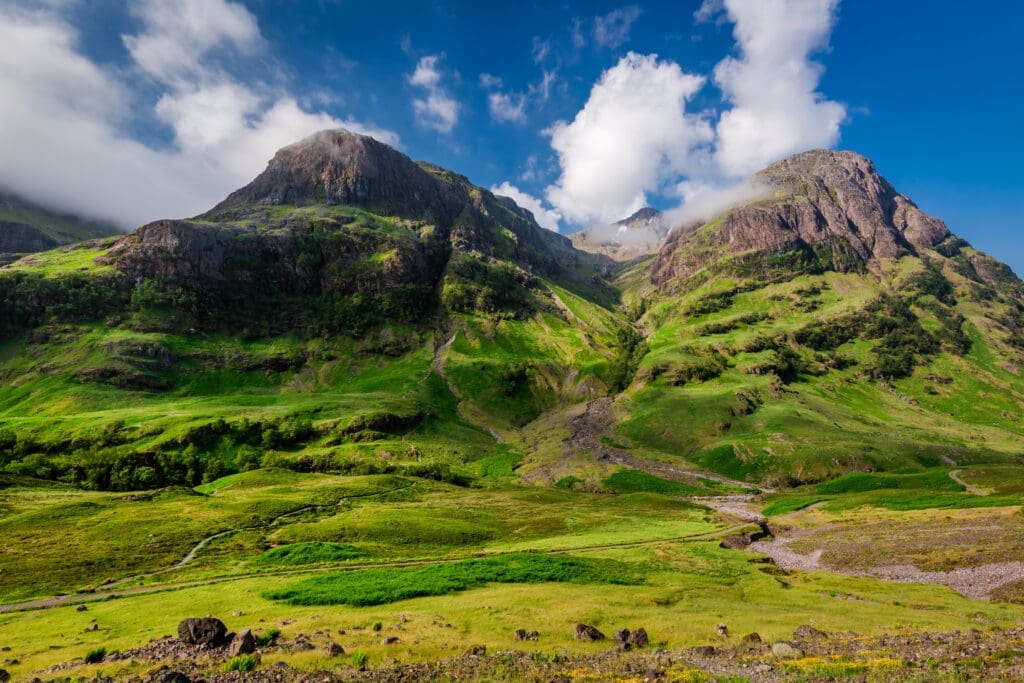
Table of Contents
Find your perfect hiking region:
For picturesque architecture and city convenience:
- Edinburgh and the Lothians – Volcanic peaks with Georgian architecture views
For history buffs:
- Isle of Skye – Clan castles and otherworldly geology
- Glencoe – Site of the 1692 Massacre with dramatic valley walks
For wildlife watchers:
- Cairngorms and Aviemore – Red deer, golden eagles, and ancient pine forests
For gentle, accessible walks:
- Loch Lomond & The Trossachs – Flat lakeside paths and family-friendly trails
- Oban and the West Coast – Easy coastal walks with seafood rewards
For dramatic mountain scenery:
- Fort William and Ben Nevis – Britain’s highest peak and serious elevation
- Glencoe – Towering peaks and hidden valleys
For fewer crowds and hidden gems:
- Aberdeenshire and Speyside – Castle ruins, whisky distilleries, and quiet trails
- Oban and the West Coast – Island gateways off the beaten path
Planning your trip:
- Build Your Itinerary – 3-day to 2-week route suggestions
- Getting Around – Car vs. rail travel options
- Weather & Timing – When to visit and what to pack
Best Hiking in Scotland by Region and Accessibility
Scotland’s regions offer distinct personalities, different geology, weather patterns, and history. Understanding these differences helps you prioritize where to spend your time.Edinburgh and the Lothians
Edinburgh surprises people. Most visitors don’t expect genuine hiking within walking distance of their hotel, but Scotland’s capital sits among extinct volcanoes that make for excellent urban adventures. Arthur’s Seat (2.5 miles, moderate) is the classic Edinburgh hike—a 822-foot volcanic plug that rewards a steep but short climb with 360-degree views over the city, Firth of Forth, and surrounding countryside. Go at sunrise if you want to beat the crowds; the light hitting Edinburgh’s Georgian architecture from above is spectacular. The main path is well-trodden but can be slippery after rain, and the final scramble to the summit requires using your hands. Calton Hill (0.5 miles, easy) takes 15 minutes to summit but offers Edinburgh’s most accessible panorama. The neoclassical monuments at the top, unfinished replicas of Greek temples, add an unexpected architectural element to your views. It’s the perfect sunset spot after a day exploring the Royal Mile. Water of Leith Walkway (12.5 miles total, sectional, easy) follows a river through Edinburgh’s neighborhoods, offering a gentle linear walk that you can join or leave at various points. The Dean Village to Stockbridge section (2 miles) showcases 19th-century industrial Edinburgh transformed into picturesque walking paths.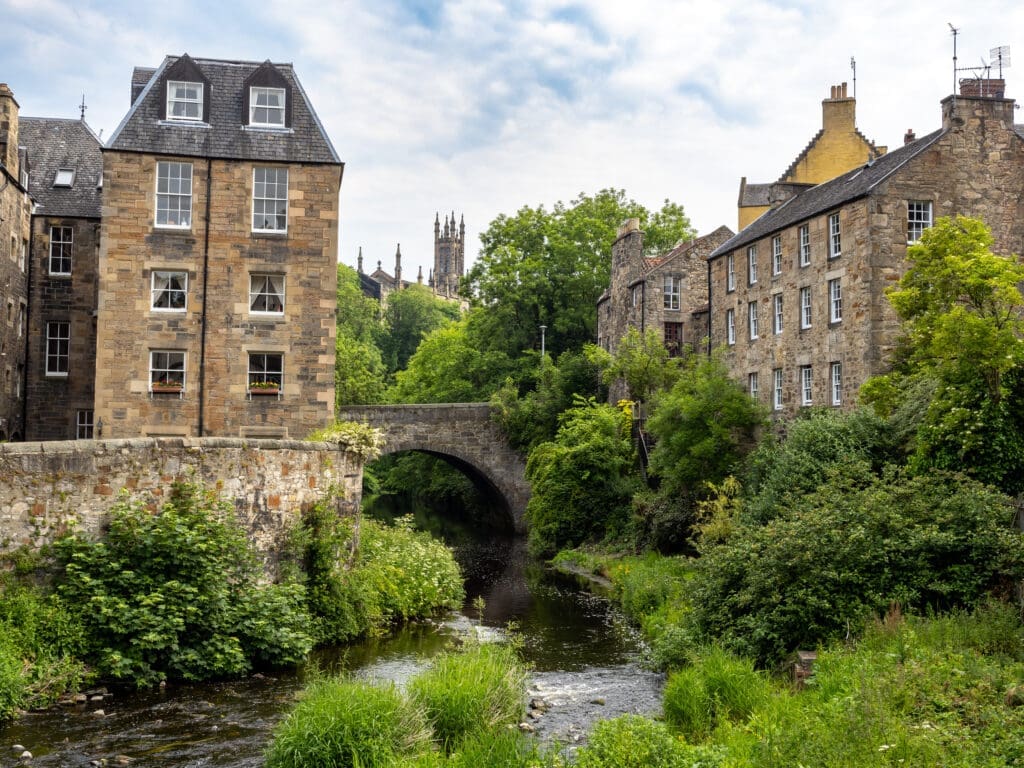
The Highlands: Cairngorms and Aviemore
The Cairngorms feel different from the rest of Scotland—bigger, wilder, with a subarctic plateau environment that resembles Scandinavia more than the grassy hills you might expect. This is where you’ll find remnants of the ancient Caledonian forest. Loch an Eilein Loop (4.5 miles, easy-moderate) circles a pine-fringed loch with a ruined castle on a small island—the kind of scene that looks photoshopped until you’re standing in front of it. Ancient Scots pines frame the water, red squirrels bound through branches overhead, and the mountains rise behind. Meall a’ Bhuachaille (4 miles, moderate) offers the best rewards-to-effort ratio in the Cairngorms. A well-maintained path climbs steadily to a 810-meter summit with panoramic views across the entire Cairngorms plateau. You’ll understand why this landscape inspired so much Victorian romantic painting.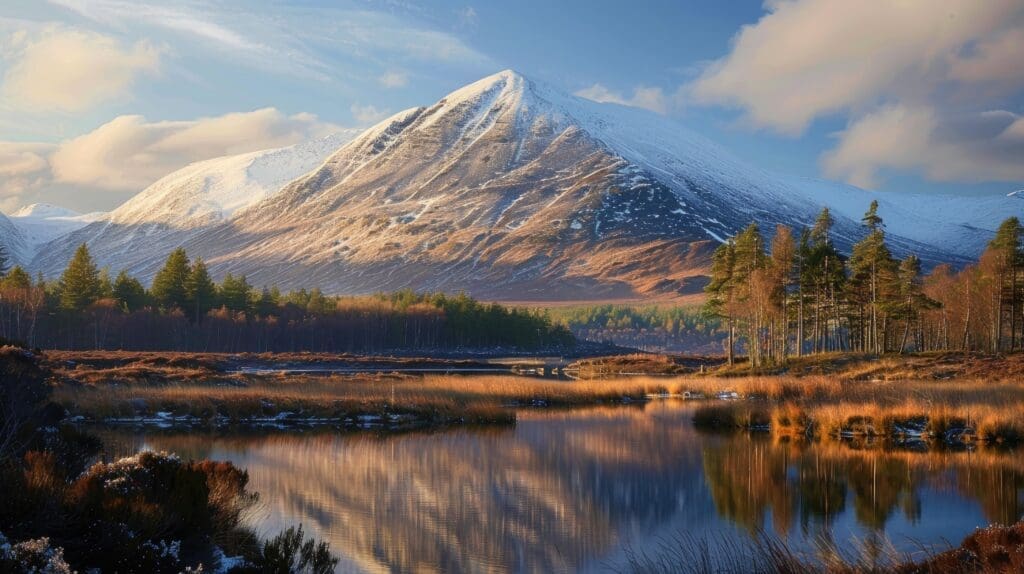
Isle of Skye
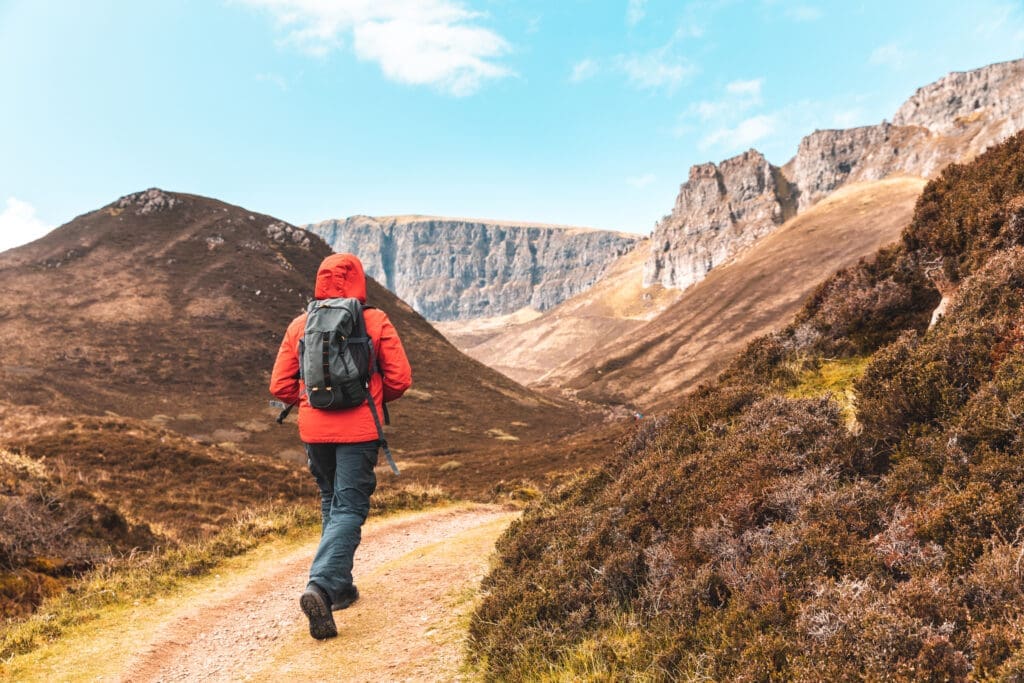
Skye’s geology is pure drama. Ancient volcanic activity and more recent landslides created a landscape of pinnacles, ridges, and rock formations that look like they belong in Iceland or Patagonia. The Quiraing (4 miles, moderate-difficult) traverses an ancient landslip that created a lunar landscape of rock towers, hidden plateaus, and vertiginous drops. The loop takes you behind the famous rock formations, across a high plateau, and back along a ridge with views to the Outer Hebrides. The path can be muddy and exposed to wind, but the otherworldly terrain makes it one of Scotland’s most distinctive hikes. Dunvegan Castle Coastal Walk (3 miles, easy-moderate), as an amendment to the 11 Most Beautiful Castles in Britain, offers a gentler Skye experience and is a definite must see. Starting from Scotland’s oldest inhabited castle (clan MacLeod’s seat for 800 years), the path follows the coastline where seal colonies haul out on rocks and the views stretch across Loch Dunvegan to the Outer Hebrides. Coral Beach near Claigan (2 miles round-trip, easy) offers something completely different—a coastal walk to a beach covered in white “sand” that’s actually crushed maerl, a type of calcified seaweed. It’s a gentle walk with unique scenery, and the nearby Stein Inn serves excellent pub food if you time it right. Fairy Pools (2.5 miles, easy) might be Skye’s most photographed walk, and for good reason. The trail follows a series of crystal-clear pools and waterfalls beneath the Black Cuillin mountains. The last time I visited, it was typical Scottish weather, misting and unpredictable, but that didn’t stop me. A few fellow travelers and I decided to take the plunge and swim in the refreshing waters of the Fairy Pools. According to legend, swimming in these mystical waters is said to grant good luck, bravery, or inspiration, with some believing the pools are a gateway to the fairy realm.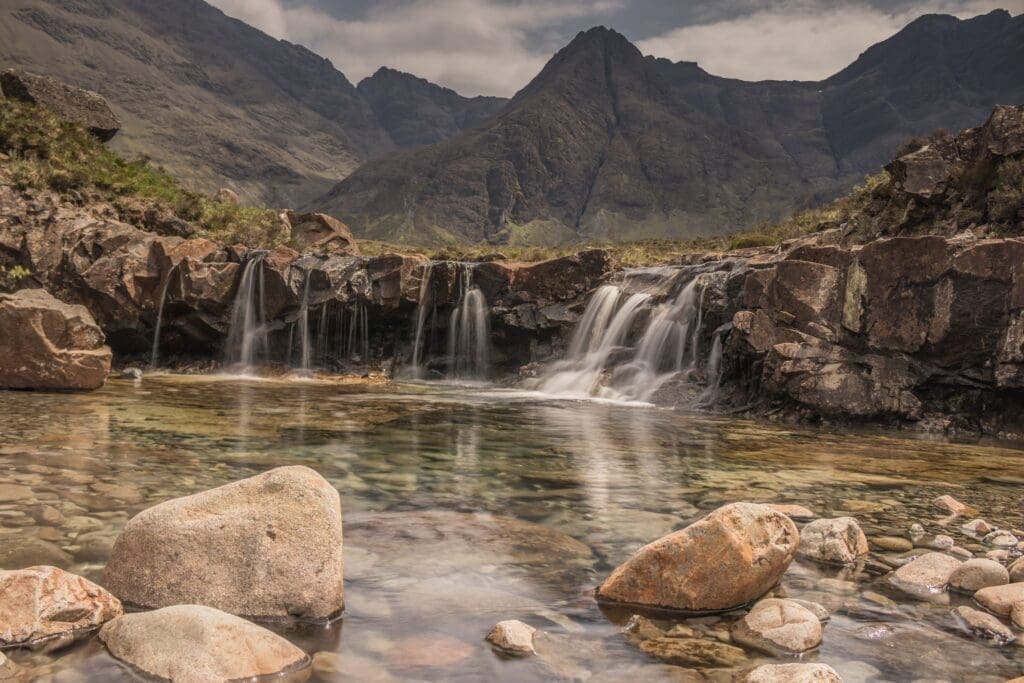
Loch Lomond & The Trossachs National Park
One of the Great U.K. National Parks, Loch Lomond and The Trossachs sit conveniently between Glasgow and the Highlands, making it an excellent option for travelers who want beautiful hiking without venturing into remote territory. The landscape here is gentler than the dramatic peaks further north—think forested loch shores, rolling hills, and the kind of scenery that inspired Sir Walter Scott’s romantic novels. Loch Katrine at Trossachs Pier (variable distance, easy) follows a smooth path along one of Scotland’s most scenic lochs. You can walk as far as you like and turn back, or take the historic SS Sir Walter Scott steamship (in service since 1900) back to your starting point. The path is well-maintained, and the views across the water to the surrounding hills are consistently beautiful. Balmaha Lochside (variable distance, easy) traces a flat section of the West Highland Way through forest along Loch Lomond’s eastern shore. Small beaches dot the route, perfect for picnic stops with views across to the loch’s islands. You’ll often spot kayakers and small boats on the water, and the woodland feels peaceful even in summer. Balloch Castle Country Park (2.2 miles, easy) offers a leisurely walk with Loch Lomond views and well-maintained paths through the castle grounds. It’s particularly good for families or anyone wanting a gentler walking day while still experiencing the loch’s beauty.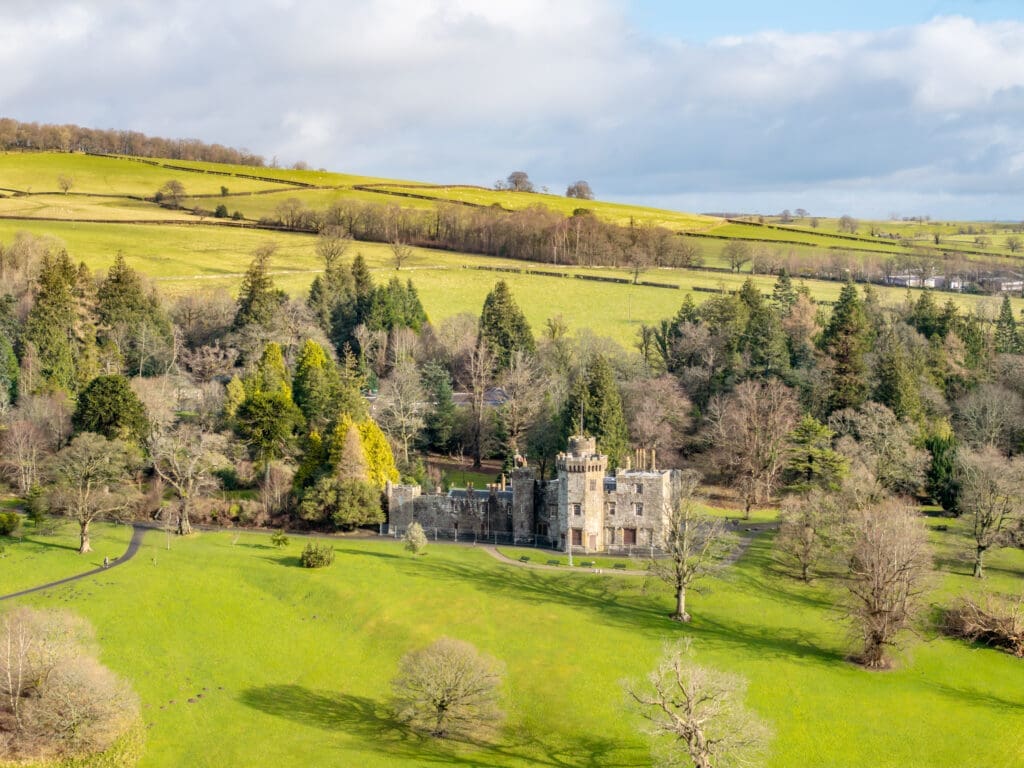
Oban and the West Coast
Oban doesn’t look like much on a map, a small harbor town on Scotland’s western edge, but it punches well above its weight. This is Scotland’s seafood capital and the gateway to the islands, where ferries depart for Mull, Iona, and the Inner Hebrides. The town itself sits in a natural amphitheater around a working harbor, with hills rising behind that offer surprisingly rewarding walks for minimal effort. Dunollie Castle Coastal Path (2.3 miles, easy) follows the shoreline north from Oban’s harbor past the ruins of Dunollie Castle, ancestral seat of Clan MacDougall since the 7th century. The path hugs the coast through native woodland, with constant views across to the island of Kerrera. Seals often haul out on rocks at low tide, and the castle ruins, though not open to climb, provide a dramatic foreground for photography. The walk is mostly flat with good footing, making it accessible for most fitness levels. Ganavan Sands Beach Walk (1 mile, easy) offers Oban’s easiest coastal option. A flat promenade path connects the town to Ganavan Beach, a sandy bay popular with local families. The walk itself isn’t particularly scenic, but the beach provides a gentle place to stretch your legs between driving days, and on clear days, you can see across to Mull’s peaks. Kerrera Island Circuit (ferry required, 8 miles, moderate) deserves mention for active hikers with an extra day in Oban. A small passenger ferry (5-minute crossing) runs from Gallanach, just south of Oban, to the island of Kerrera. The circuit walks around the island’s perimeter, passes Gylen Castle ruins, offers spectacular coastal views, and sees remarkably few visitors despite being so close to town. The Kerrera Tearoom at the ferry landing serves excellent homemade soup and cakes—perfect post-hike sustenance.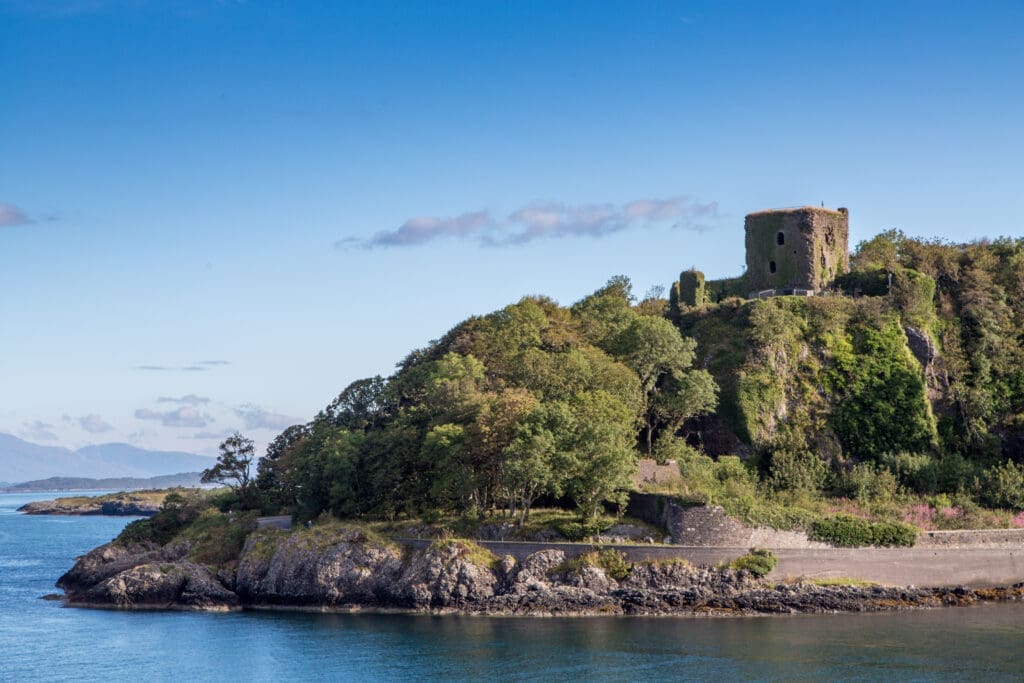
Glencoe
Glencoe is Scotland’s most historically resonant landscape. The 1692 Massacre of Glencoe, when government forces killed members of the MacDonald clan in their homes, happened in this valley. Understanding that history adds depth to your hiking here. Devil’s Staircase (6 miles one-way, moderate) represents the highest point on the West Highland Way. Originally a road for moving cattle, the zigzagging path climbs 1,800 feet and offers expansive views across Glencoe and toward Ben Nevis. You’ll need to arrange transportation back unless you’re through-hiking the full West Highland Way. The Lost Valley (Coire Gabhail) (3 miles, moderate-difficult) climbs into a hidden corrie where the MacDonalds once hid stolen cattle from raiding parties. The trail follows a river gorge, requires a boulder scramble, and emerges into a secret valley surrounded by towering peaks. It’s atmospheric, historically significant, and physically rewarding.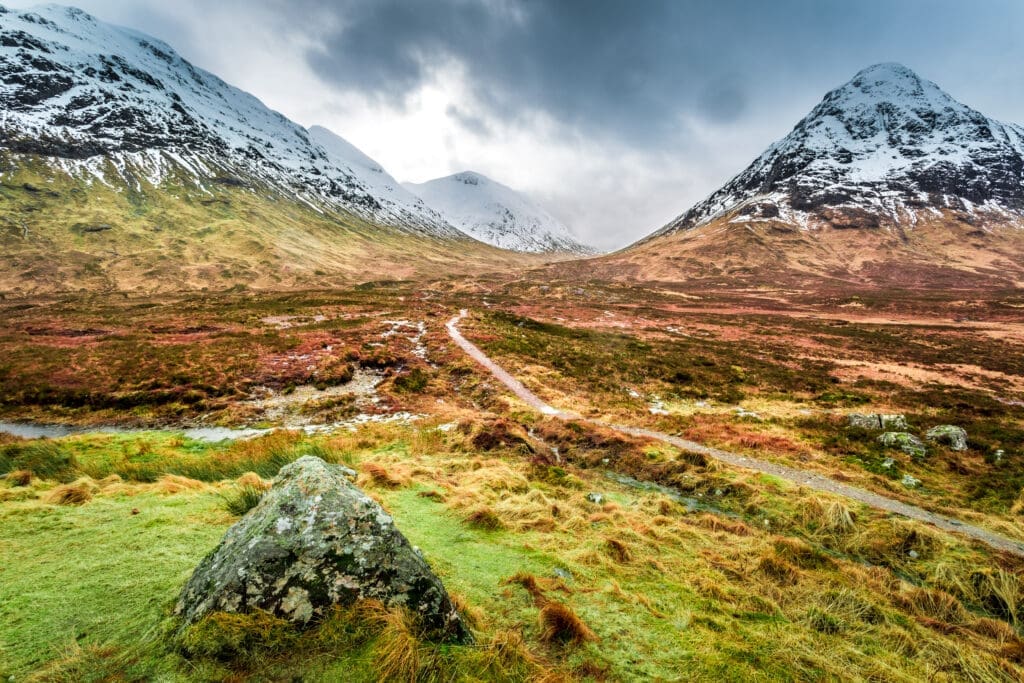
Fort William and Ben Nevis
Fort William exists primarily as a base for climbing Britain’s highest mountain. The town itself is functional rather than charming, but the surrounding landscape, Glen Nevis, the Nevis Range, and of course Ben Nevis itself, justifies the visit. Ben Nevis via Mountain Track (10.5 miles, difficult) has a 4,413-foot elevation gain that happens over relentless switchbacks up a broad, rocky path that’s straightforward in good weather but can be dangerous in poor conditions. The summit plateau can be 20 degrees colder than the trailhead, visibility can drop to zero in sudden cloud cover, and even in August you might encounter snow patches near the top. If you attempt Ben Nevis, start early (by 8 AM), carry navigation equipment even if the weather looks perfect, and pack warm layers plus emergency supplies. Glen Nevis Lower Falls (1.5 miles, easy) offers the beauty of Glen Nevis without the commitment of summiting. The trail follows the river to a dramatic waterfall in a narrow gorge—it’s an easy family walk but still delivers that Scottish Highland atmosphere.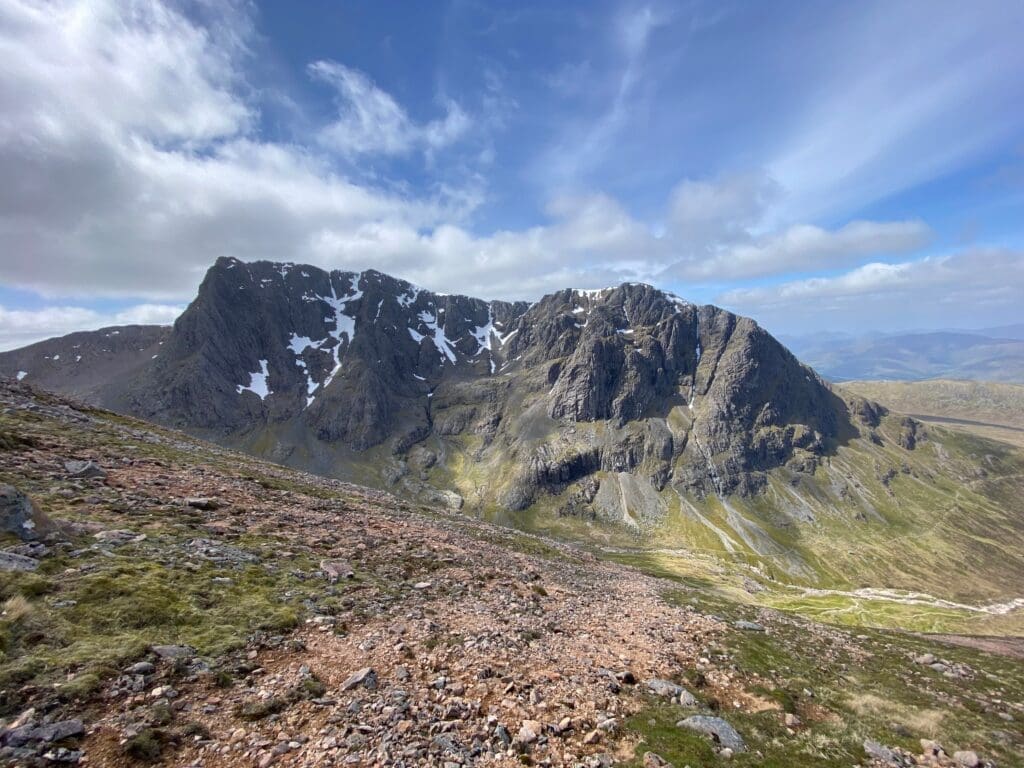
Aberdeenshire and Speyside
Scotland’s northeast receives less attention than Skye or the Western Highlands, which means you’ll find excellent hiking with fewer people. This is royal Deeside, where Balmoral Castle sits, and whisky country, making it ideal for combining hiking with distillery visits. Burn O’Vat (2 miles, easy) explores a curious glacial feature—a massive pothole carved by meltwater during the last ice age. The circular cavern feels like nature’s cathedral, and the surrounding pine forest walks offer gentle terrain with rich biodiversity. Dunnottar Castle Coastal Path (1 mile, easy-moderate) runs along dramatic cliffs to one of Scotland’s most photogenic castle ruins. The medieval fortress sits on a rocky headland, surrounded by crashing waves and wheeling seabirds. It’s a short walk but delivers outsized visual impact.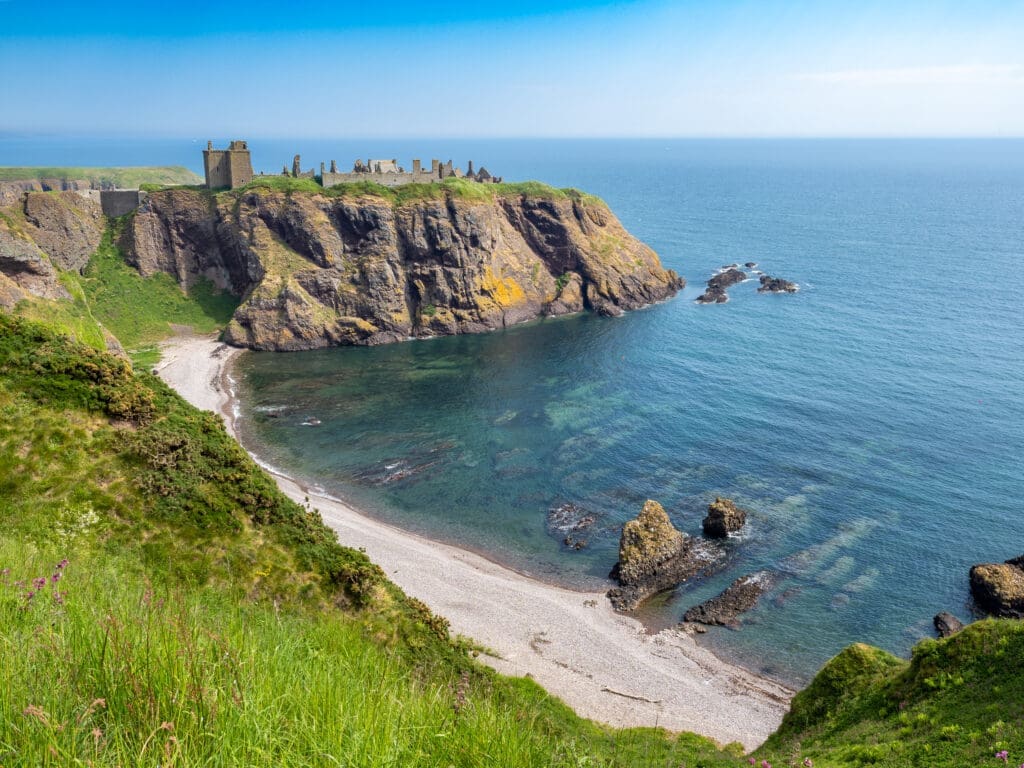
This region works well as a stopover between the Highlands and Edinburgh for travelers who want hiking combined with Scotland’s other cultural offerings—castles, whisky, and royal history.
Building Your Route Around Your Timeframe
3-5 Days: Edinburgh and Glencoe
Start in Edinburgh, spend a day hiking Arthur’s Seat and exploring the city, then drive north to Glencoe (3 hours). Stay in Glencoe for two nights, hiking the Lost Valley and exploring the valley. Return to Edinburgh via Stirling for the castle visit. This compact route delivers both urban culture and Highland drama without excessive driving.
7-10 Days: The Western Highlands Circuit
This is the sweet spot for first-time Scotland hikers. Edinburgh (2 nights) → Fort William (1 night) → Glencoe (2 nights) → Isle of Skye (3 nights) → Return via Oban. You’ll cover Scotland’s greatest hits while maintaining reasonable driving days (2-4 hours between) and having time to actually hike rather than just drive and take photos from viewpoints.
Stay for 2-3 night stays in each rather than moving to a new place every night. Scottish B&Bs often require advance notice, and packing/unpacking every day wastes hiking time. Plus, staying put lets you build weather flexibility into your itinerary—if rain cancels your Skye ridge walk today, you can swap it for tomorrow.
Getting Around: Driving vs. Rail
Driving offers maximum flexibility for adventurers. Remote trailheads, weather-dependent schedule changes, and gear storage all favor having a car. Scotland’s single-track roads with passing places require adjustment—you’ll drive slower than expected, but the scenery makes that feel appropriate rather than frustrating.
Rail works well for an Edinburgh-based trip with day hikes, or for travelers who specifically want to experience the West Highland Line (Glasgow to Mallaig via Fort William—genuinely one of the world’s great railway journeys). But train-only travel limits your hiking options significantly. Most Scottish trails aren’t transit-accessible.
Hybrid approach: Many hikers combine rail travel between cities (Edinburgh, Fort William, Aviemore) with local car rentals for 3-4 day regional exploration. This reduces driving stress while maintaining trail access.
Before you head out, download trail maps and GPS tracks from AllTrails—it’s invaluable for finding trailheads, checking real-time conditions from recent hikers, and having offline navigation backup when you’re in areas with spotty mobile signals.
Weather and Timing
Scottish weather is notorious for shifting on a dime. Pack a waterproof shell and insulating layers regardless of season. Weather forecasts change rapidly in mountains, so check the Mountain Weather Information Service before any significant hike, and be prepared to adjust plans.
Summer (June-August) offers the longest daylight, sunset past 10 PM in June, and warmest temperatures (15-20°C/60-68°F in the lowlands, cooler in mountains). It’s also midge season (tiny biting insects) and peak crowds on popular trails. But for mountain hiking, summer weather provides the safest conditions.
Spring and Autumn (April-May, September-October) deliver Scotland’s best hiking conditions for many people. Longer days than winter, fewer midges than summer, dramatic light for photography, and notably fewer tourists on trails. September’s autumn colors in the Cairngorms are spectacular, and you might witness red deer rutting season.
Winter (November-March) requires different skills. Scottish mountains in winter are serious propositions requiring ice axes, crampons, and winter navigation skills. But lowland and coastal trails remain accessible, crowds vanish, and when weather cooperates, the light is magical.
Check out my detailed guide on when to visit Scotland, which covers seasonal weather patterns, crowd levels, and the best months for specific activities.
Related Read:
Not sure what to pack? Our comprehensive guide covers layering systems, footwear, and essential gear in Scotland Hiking Gear Checklist: Packing for Unpredictable Weather
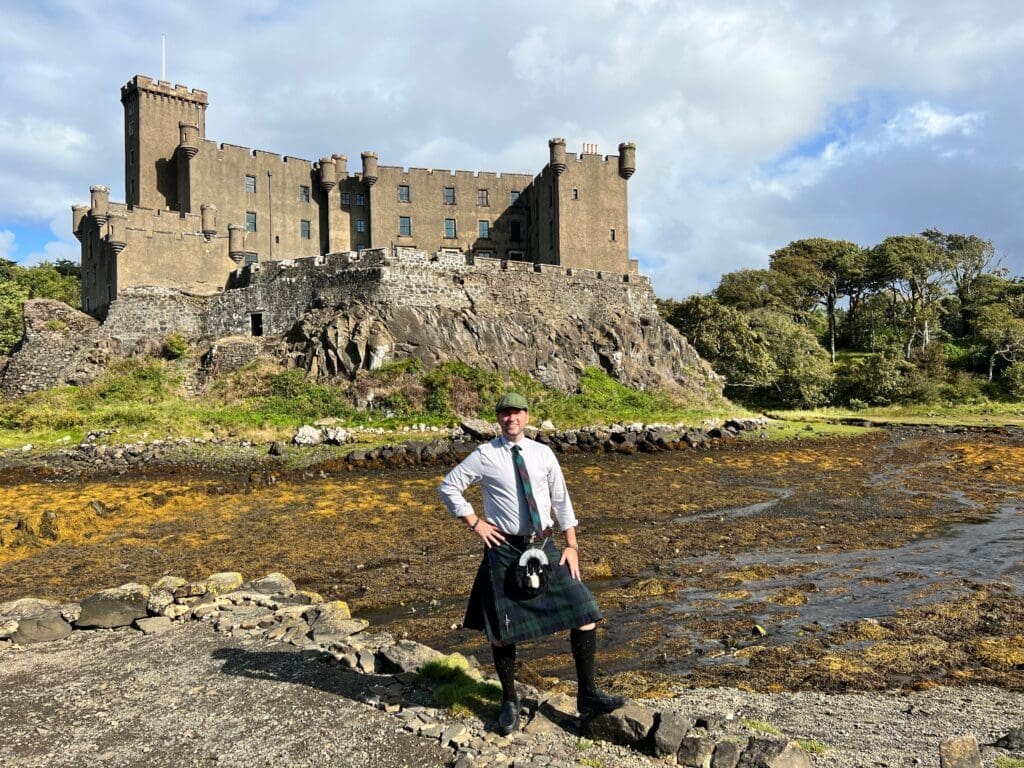
Meet Jack, Your Scotland Guidester
Jack Baumann founded Guidester after years of leading adventure travel experiences across Europe. With deep expertise in Scotland’s trails, hidden villages, and authentic local experiences, Jack specializes in creating personalized itineraries that go beyond the typical tourist route. He is passionate about planning trips for adventurous retirees looking to find the hidden gems in Scotland
Between choosing the right accommodations, timing your route around weather patterns, and knowing which trails deliver the best experience for your hiking style, there’s a lot to coordinate. That’s where Guidester comes in. We know these trails well—which viewpoints catch the best light in September, where to find the quietest lochs, and how to build flexibility into your itinerary when Scottish weather demands it.
Need help planning your next adventure? Get in touch.