1. Venice’s Day-Tripper Fee Is Back
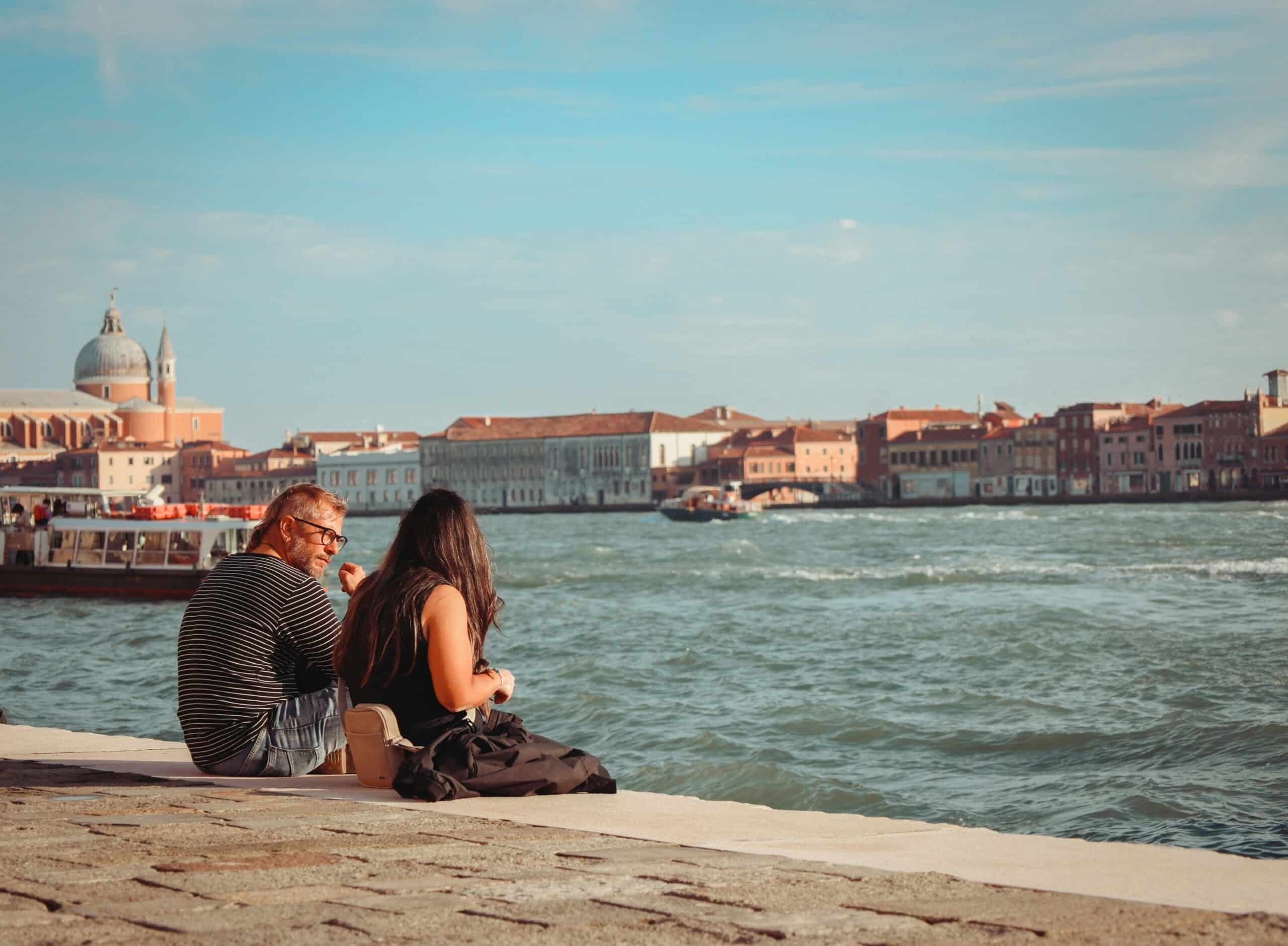
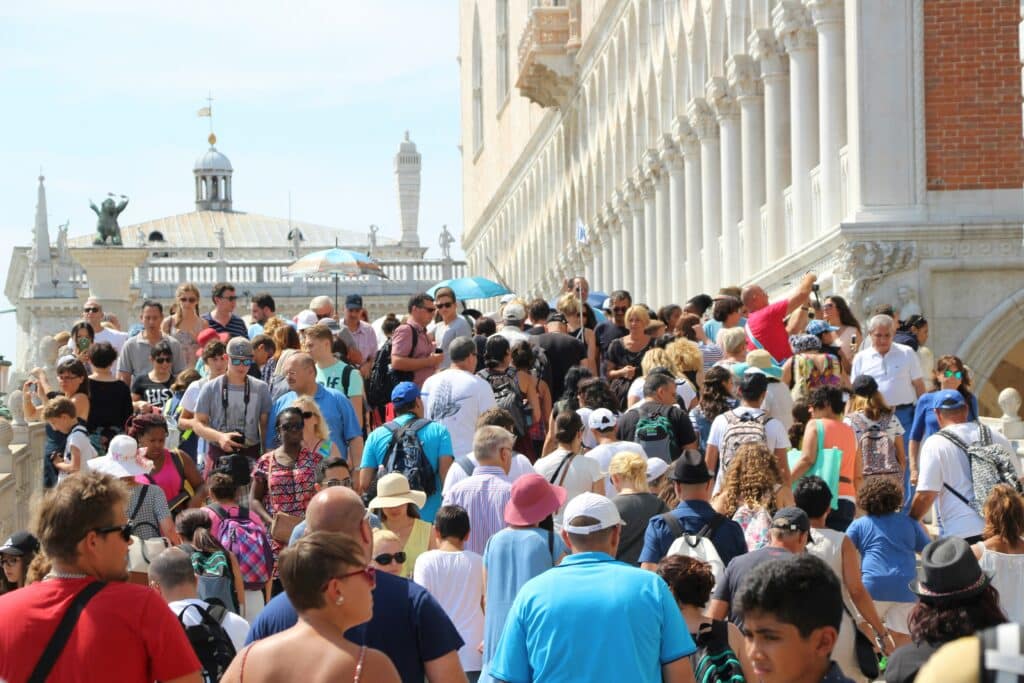
One of the biggest Italy travel changes in 2026 is Venice’s continued use of a tourist access fee for day visitors. The fee applies only on select high-demand dates and only during certain hours, generally from 8:30 a.m. to 4:00 p.m. On days when the fee does not apply, no payment or exemption is required. The City of Venice also notes that the fee does not apply to the minor islands of the Venetian Lagoon, including Murano, Burano, Torcello, Lido, and others.
This matters most for travelers planning to visit Venice as a day trip. If you are staying overnight in Venice, you may be exempt, though registration requirements can still apply depending on your situation. Day visitors, however, should check the official Venice access-fee calendar before arriving.
Venice remains one of Europe’s most unforgettable cities, but in 2026, it is no longer a destination where travelers should simply show up without checking the rules first. Planning ahead can save you time, stress, and possible fines.
2. Timed Entry Is Becoming the New Normal at Major Attractions
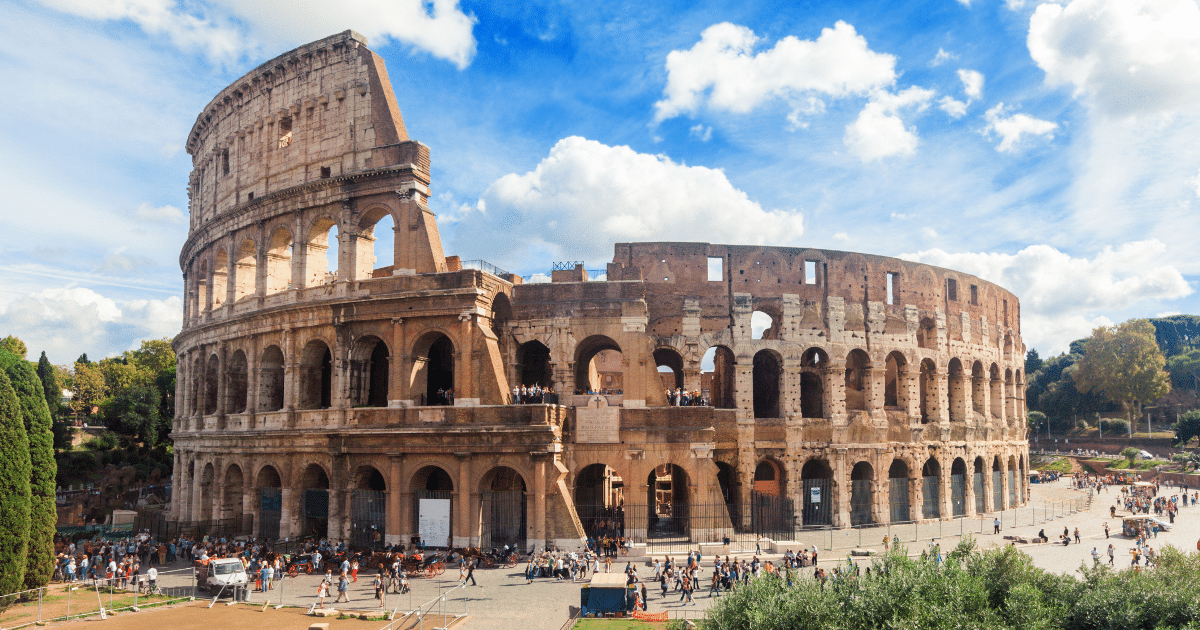
Italy’s most famous attractions are increasingly shifting toward timed reservations. This is especially true in Rome, where the official Colosseum ticket system states that ticket sales include a compulsory reservation of the time slot for entry. Tickets open 30 days before the visit date, which means travelers need to plan in advance rather than assuming they can buy a ticket when they arrive.
This change reflects a larger trend across Italy. High-demand museums, archaeological sites, and landmarks are using timed entry to manage crowds, protect historic spaces, and improve visitor flow. Florence, Rome, Venice, and other major destinations are all places where advance reservations can make the difference between a smooth visit and a frustrating one.
For travelers, the lesson is simple: book the big-ticket sights first, then build the rest of your itinerary around those confirmed entry times. The Colosseum, Vatican Museums, Uffizi Gallery, Accademia Gallery, and other major sites should not be treated as last-minute additions.
This does not mean every museum visit needs to feel rigid. Smaller churches, neighborhood museums, local markets, and lesser-known historic sites can still leave room for spontaneity. The key is knowing which experiences require advance planning and which ones can be enjoyed at a slower pace.
3. Cinque Terre Hiking Requires More Planning
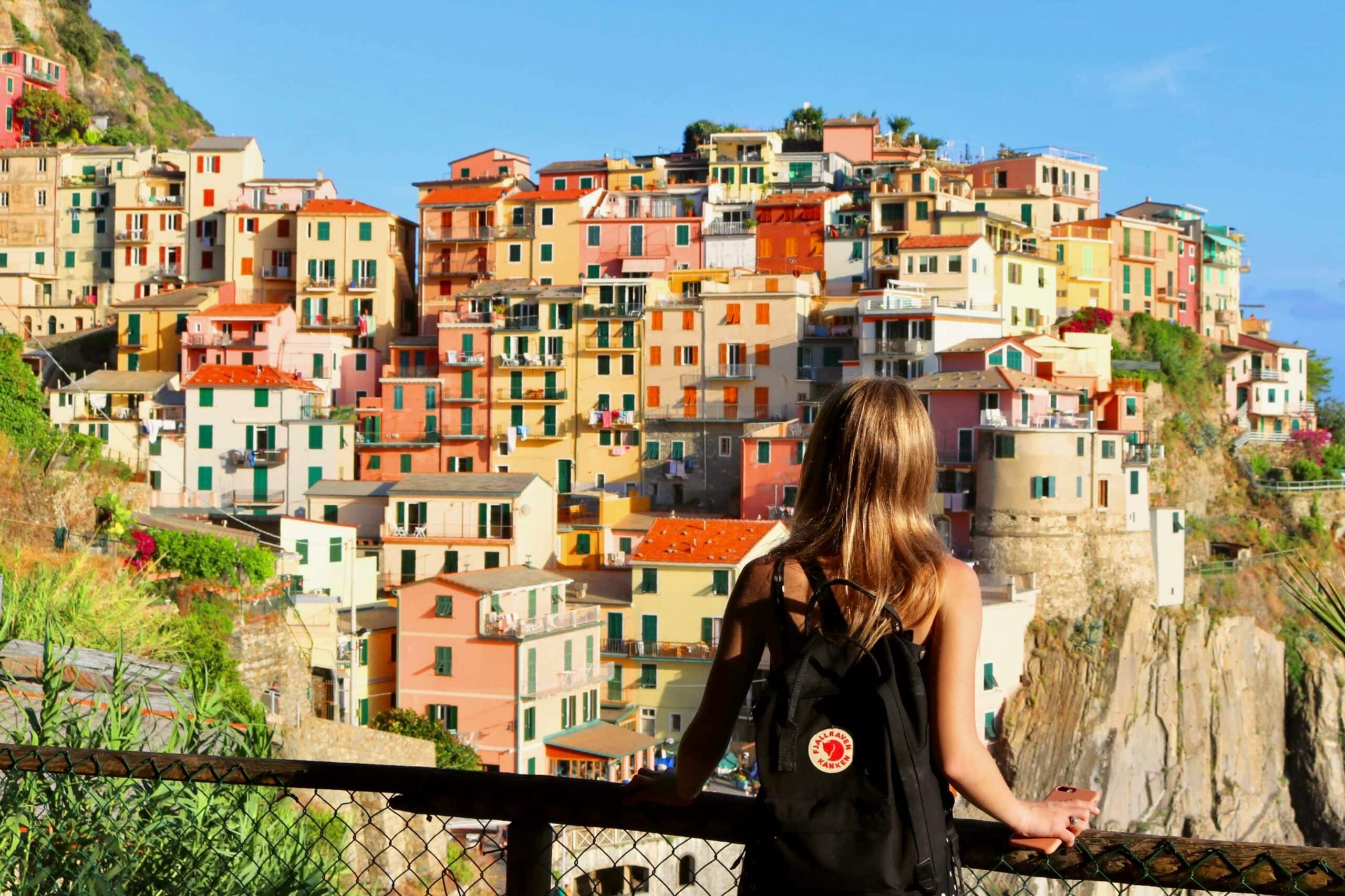
Cinque Terre has long attracted travelers with its colorful villages, coastal paths, and dramatic sea views. However, hiking here in 2026 requires more preparation than many first-time visitors expect.
The Cinque Terre National Park lists official 2026 trekking-card prices, with a one-day adult trekking card priced at €10 in standard periods and €15 in high season. Multi-day, family, senior, and group cards are also available, with prices varying by season.
This is important because travelers often imagine Cinque Terre as a place where they can casually wander from village to village without checking trail access. In reality, some trails require a pass, and trail conditions can change due to weather, restoration work, landslides, or crowd-control measures.
The best approach is to check official trail conditions before you go, choose your hiking route in advance, and purchase the correct Cinque Terre Card for your plans. If hiking is a priority, avoid assuming every trail will be open on the day you arrive.
For more ways to experience the region, read Best Things to Do In Cinque Terre before building your itinerary.
4. The EU Entry/Exit System Affects Travelers Arriving in Italy
This change is not specific to Italy, but it directly affects many visitors entering the country. The EU’s Entry/Exit System, known as EES, is replacing traditional passport stamping with a digital system for non-EU nationals traveling for short stays. It records entries, exits, refusals of entry, passport details, facial images, and fingerprints.
The European Commission explains that EES and ETIAS are two separate systems. EES became fully operational across Schengen countries on April 10, 2026, while ETIAS, a pre-travel authorization system, is scheduled to start later in 2026.
For travelers arriving in Italy from outside the European Union, this means border checks may feel different than they did in the past. The process is designed to make Schengen border management more accurate, but travelers should still allow extra time at airports, especially during peak travel periods.
This is especially important for Americans and other visa-exempt travelers who are used to entering Europe with a passport stamp and little additional processing. In 2026, border control is becoming more digital, and travelers should make sure their passport is valid and their Schengen stay limits are clear.
5. ETIAS is Still Coming Later in 2026

ETIAS is another major Europe-wide change travelers should understand. It is separate from the Entry/Exit System. While EES records a traveler’s arrival and departure at the border, ETIAS will be a pre-travel authorization for many visa-exempt travelers before entering Italy and other participating European countries.
The official EU travel site states that ETIAS is expected to start operations in the last quarter of 2026. The EU also notes that no action is required from travelers at this point.
For now, travelers planning Italy trips in early or mid-2026 should not panic. However, those planning late-2026 travel should check the latest official requirements before departure. Once ETIAS becomes active, it will add one more step to the pre-trip planning process.
For a deeper breakdown of who needs ETIAS, how it works, and what travelers should expect, read Europe’s NEW Entry Requirement: Everything Travelers Need To Know!

6. Capri Is Tightening Rules on Group Tourism
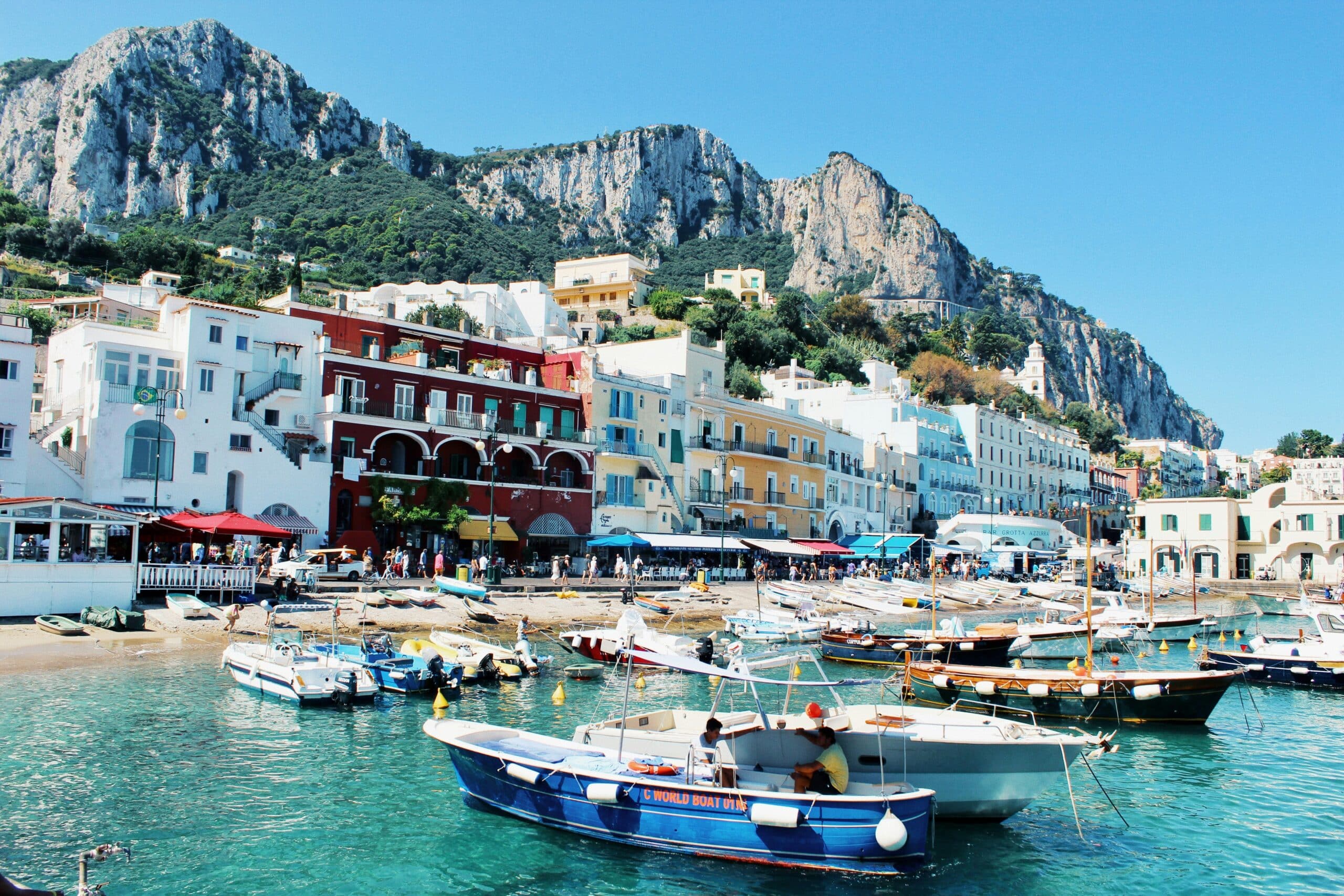
Capri is also taking steps to manage overtourism in 2026. New rules are aimed at reducing crowding, noise, and bottlenecks around the island’s busiest areas, including the marina, narrow lanes, scenic viewpoints, and popular gathering points.
For independent travelers, Capri is still very accessible. However, the island may feel more controlled during peak season, especially when ferries, cruise passengers, and organized tours arrive at the same time. These rules are designed to reduce congestion and make the experience more manageable for both residents and visitors.
Capri’s new approach is part of a broader shift happening across Italy. Popular places are no longer just trying to attract visitors. They are trying to manage how, when, and where those visitors move.
For travelers, this means it is wise to avoid treating Capri as a rushed checklist stop. If you can, arrive early, stay overnight, or visit outside the busiest summer months. The island is far more enjoyable when you are not moving through it with the same crowds as everyone else.
7. Italy Is Taking Overtourism More Seriously
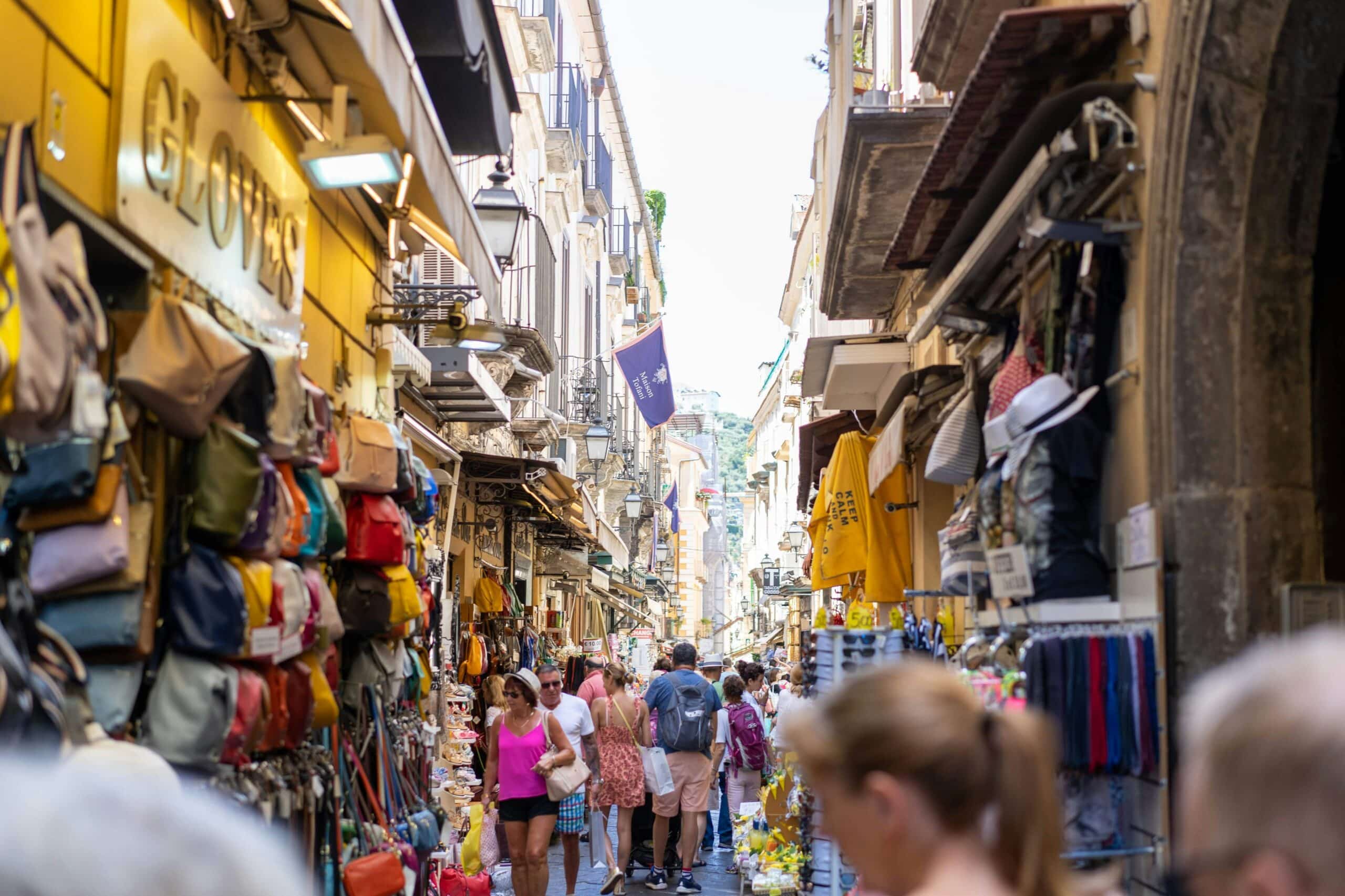
The biggest change in Italy travel in 2026 is not one single rule. It is the overall shift in how Italy manages tourism. Venice, Capri, Cinque Terre, Rome, Florence, and other high-demand destinations are all responding to the same challenge: too many visitors concentrated in the same places at the same times.
For travelers, this means popular destinations may come with more restrictions, more reservations, and more planning requirements. It also means that visiting outside peak hours or choosing lesser-known destinations can lead to a much better experience.
Instead of fighting the new travel reality, use it to your advantage. Visit famous sights early in the morning or later in the day. Spend more time in one region instead of rushing through five cities. Explore smaller towns, local neighborhoods, and lesser-known museums. Italy is far more than its most crowded landmarks.
Timing also matters more than ever. Traveling in shoulder season can help you avoid the worst crowds while still enjoying beautiful weather, local festivals, and a more relaxed pace.
For help choosing the right season for your trip, read Best Time to Visit Italy
These changes may feel inconvenient at first, but they can also encourage a richer style of travel. When travelers slow down, plan thoughtfully, and look beyond the obvious stops, Italy becomes even more rewarding.
What These Italy Travel Changes Mean for Your Trip
The biggest takeaway is simple: Italy in 2026 requires more advance planning than it used to. Travelers should check entry requirements, reserve major attractions ahead of time, confirm local rules, and avoid assuming that every famous place can be visited spontaneously.
That said, these changes should not discourage you from visiting Italy. They should simply change how you prepare. Italy remains one of the most beautiful and culturally rich destinations in the world. With the right planning, travelers can still enjoy its ancient ruins, Renaissance masterpieces, coastal villages, lively piazzas, and unforgettable food without feeling overwhelmed by logistics.
A successful Italy trip in 2026 starts before you board the plane. Book the important experiences early, leave room for slower moments, and stay flexible when local rules or crowd conditions shift.
This is especially true for first-time visitors. Italy can look easy on a map, but the reality of moving between regions, managing ticket times, choosing the right base cities, and avoiding peak crowds can become complicated fast. A little planning creates more freedom once you are there.
For help narrowing down the essentials, explore Places You Must See When Visiting Italy: A First Timer’s Guide before building your itinerary.
The best Italy trips in 2026 will balance structure and spontaneity. Reserve the experiences that need to be reserved. Then leave space for the moments Italy does best: lingering over coffee, wandering into a quiet church, finding a family-run trattoria, or taking an evening stroll through a glowing piazza.
Travel Smarter in Italy With Guidester
Planning a trip to Italy has always involved choices, but in 2026 those choices matter even more. Timed museum tickets, Venice’s access fee, hiking passes, entry requirements, and local restrictions can quickly become confusing if you are trying to piece everything together on your own.
That is where Guidester can help. Our custom travel planning services and small-group tours are designed to make travel feel smoother, safer, and more meaningful. Instead of guessing which tickets you need, when to reserve, or how to avoid the worst crowds, you can travel with a plan built around your interests, pace, and priorities.
Italy is still a dream destination. You just need the right strategy to experience it well.
FAQ: Italy Travel Changes in 2026
Is Italy still worth visiting in 2026?
Yes, Italy is absolutely still worth visiting in 2026. The new rules do not take away from the experience. They simply mean travelers need to plan more carefully. With advance reservations, realistic timing, and a flexible itinerary, Italy remains one of Europe’s most rewarding destinations.
Do I need to pay to enter Venice in 2026?
You may need to pay Venice’s access fee if you are visiting as a day tripper on one of the designated fee dates during the specified hours. The fee does not apply every day, and some travelers are exempt. Always check the official Venice access-fee calendar before your visit.
Do I need reservations for museums in Italy?
For major attractions, yes, advance reservations are strongly recommended and sometimes required. The Colosseum, for example, requires a reserved entry time with official ticket sales. Other major museums and sites often use timed-ticket systems, especially during busy travel seasons.
Do I need a pass to hike in Cinque Terre?
Some Cinque Terre trails require a trekking card. Prices vary depending on the season and type of pass. In 2026, the official adult one-day trekking card is listed at €10 in standard periods and €15 in high season.
Will Americans need ETIAS to visit Italy in 2026?
ETIAS is expected to launch in the last quarter of 2026. Once active, many visa-exempt travelers, including Americans, will need ETIAS authorization before entering Italy and other participating European countries. Travelers planning late-2026 trips should check the official status before departure.
Are Italy’s new travel rules because of overtourism?
In many cases, yes. Venice’s access fee, Capri’s group-tour restrictions, Cinque Terre hiking passes, and timed-entry systems are all connected to managing crowds, protecting historic places, and reducing pressure on local communities.
How can I avoid crowds in Italy in 2026?
Travel outside peak summer months when possible, book early morning or late afternoon entry times, stay overnight instead of day-tripping, and include smaller towns or lesser-known neighborhoods in your itinerary. Slower travel is one of the best ways to experience Italy more comfortably in 2026.
What is the most important Italy travel change in 2026?
The biggest change is the need for more advance planning. Travelers should no longer assume they can arrive at major attractions, buy tickets on the spot, and enter whenever they want. In 2026, timed reservations, visitor fees, hiking passes, and digital entry systems are becoming a bigger part of the Italy travel experience.