Where is the Douro Valley – and Why Travelers Visit from Porto
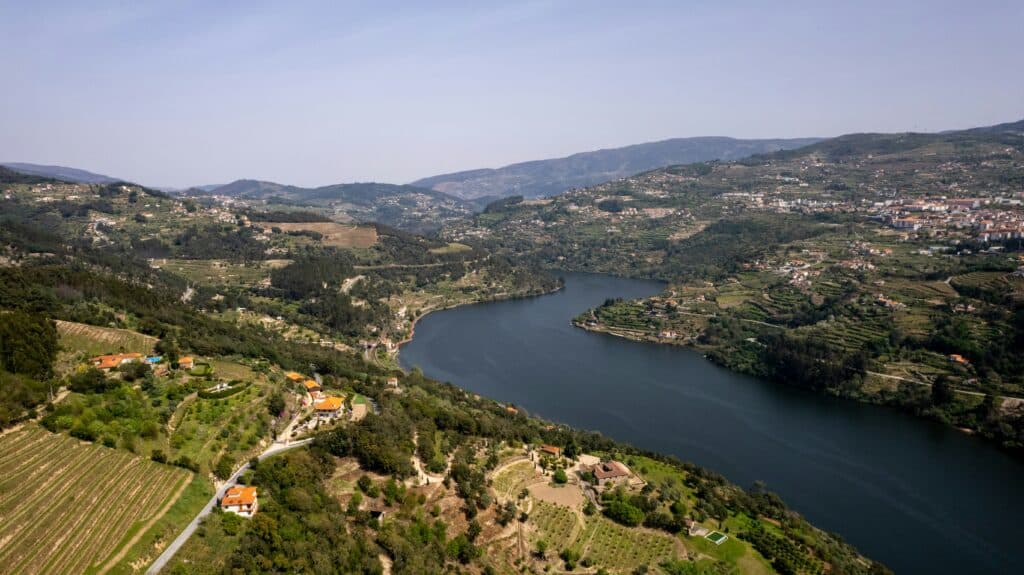
The Douro Valley lies in northern Portugal, extending inland from the city of Porto along the Douro River toward the Spanish border. While Porto is globally associated with Port wine, the vineyards themselves are located far upstream, in a rugged, mountainous interior that feels worlds away from the coast.
Most travelers visit the Douro as a day trip or overnight extension from Porto, which serves as the region’s natural gateway. Lisbon is too far south to make a practical base, while Porto offers direct train connections, manageable driving distances, and guided transport options into the valley.
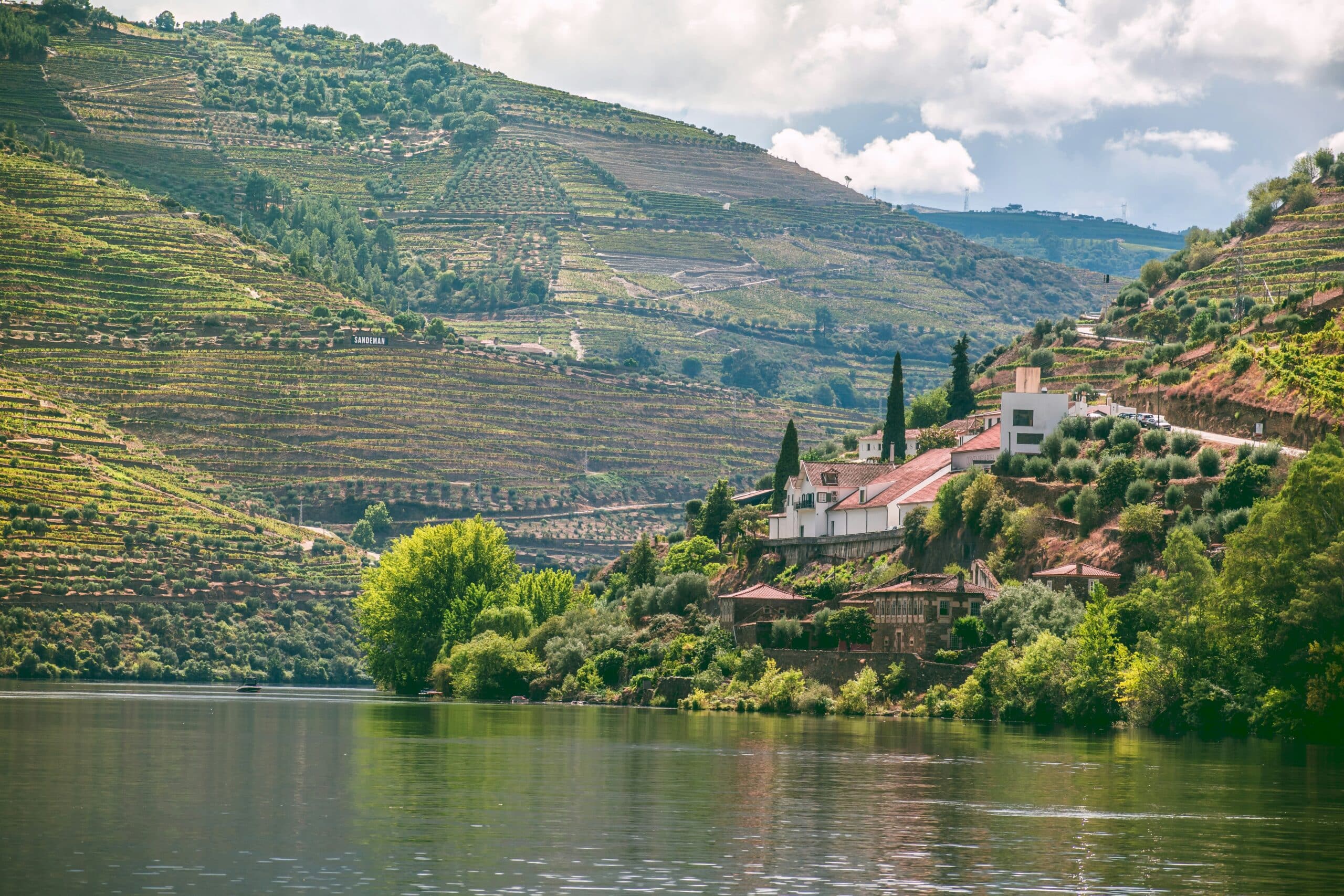
Historically, the river connected the remote interior to global trade. Barrels of Port were once floated downstream on flat-bottomed rabelo boats to Porto’s wine lodges. Today, that same river continues to shape how visitors experience the region.
What Makes the Douro Valley Special?
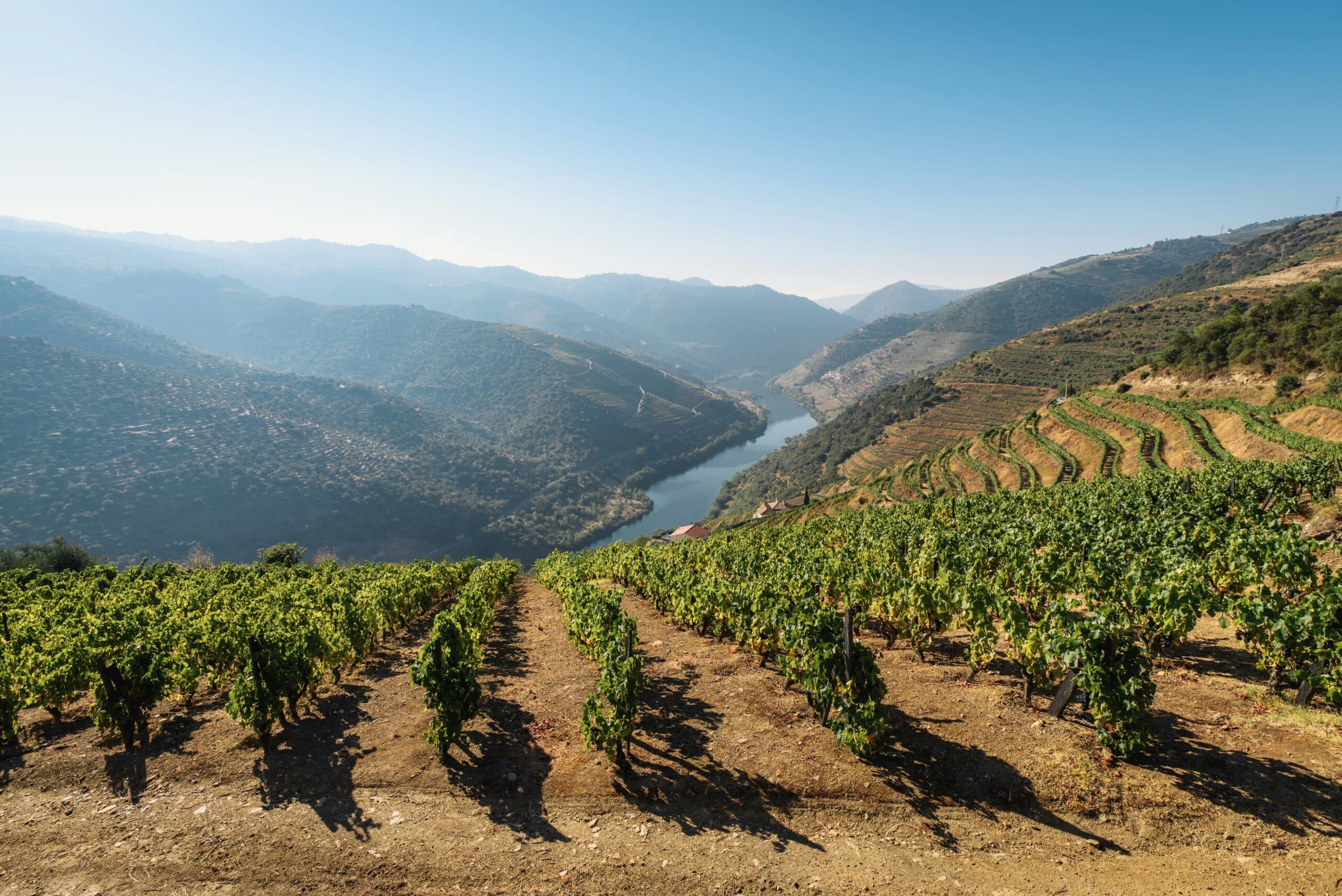
The Douro’s dramatic beauty is the result of necessity rather than design.
Vineyards here are planted on narrow stone terraces carved into schist, a fractured rock that forces vines to grow deep roots in search of water. The terrain is steep, the climate extreme, and mechanization limited—conditions that demand labor-intensive farming but reward it with wines of remarkable depth and structure.
Unlike many international wine regions, the Douro relies on indigenous grape varieties, including Touriga Nacional, Touriga Franca, and Tinta Roriz. These grapes evolved specifically for this environment, producing wines that are unmistakably tied to the land.
Just as importantly, the Douro remains an active agricultural region. Harvest cycles, seasonal labor, and family-run estates still define daily life, giving the valley an authenticity that can’t be staged
Top Things to Do in the Douro Valley
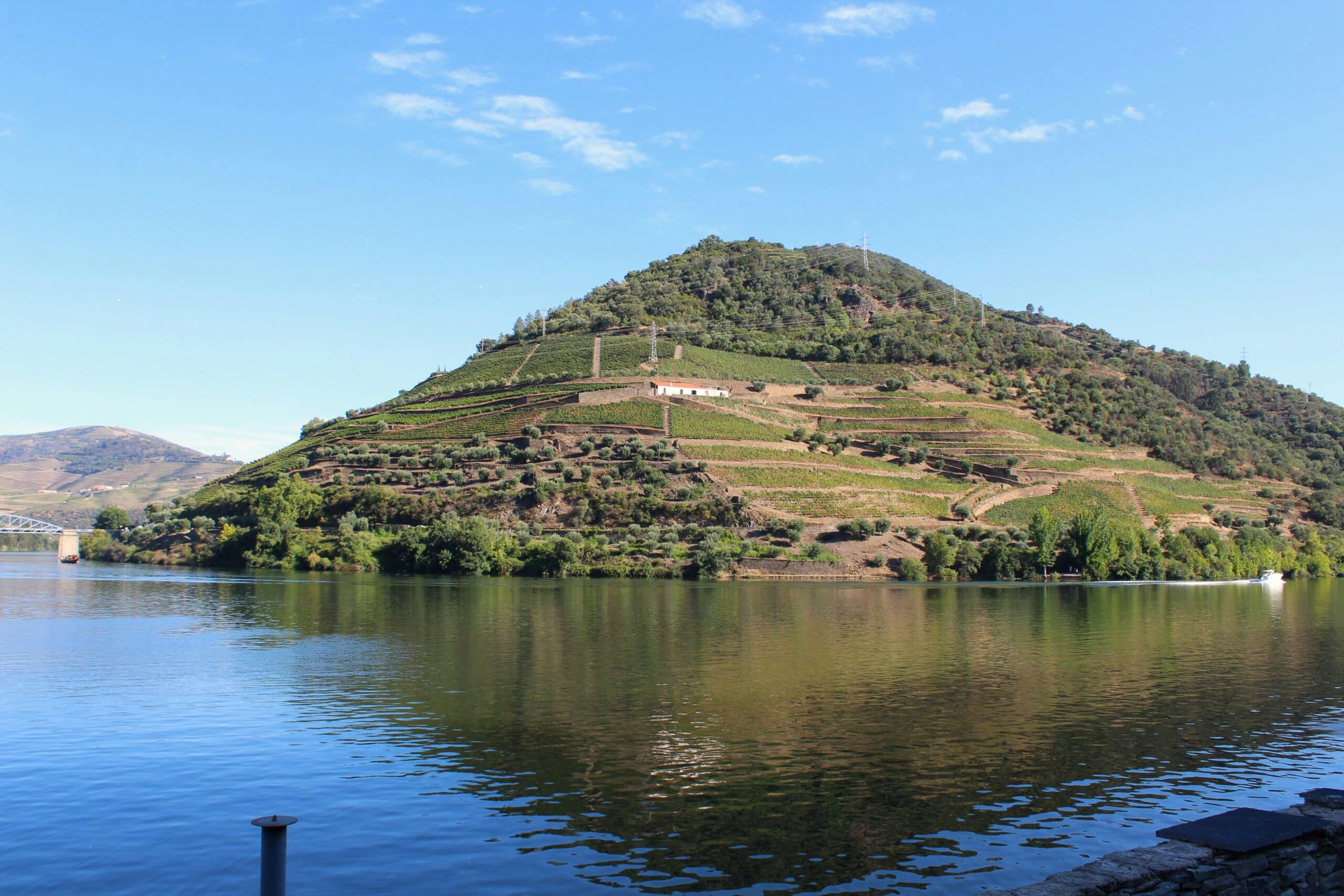
Take in the Scenic Viewpoints
Elevated viewpoints throughout the valley reveal the full scale of the terraced vineyards and the river’s winding path. These stops are more than photo opportunities—they provide essential perspective on how geography shaped viticulture, transportation, and settlement in the region.
One of the most striking examples is Miradouro de São Leonardo da Galafura, a high overlook that captures the Douro’s vast scale in a single sweep. From here, the river appears narrow and distant, emphasizing just how dramatically the vineyards have been carved into the hillsides.
Visit a Wine Estate (Quinta)
Wine estates in the Douro range from historic, family-run properties to contemporary estates with striking modern architecture. Some focus primarily on Port production, others on dry table wines, and many produce both. Visiting even one estate adds essential context—revealing how terrain, grape selection, and aging methods shape the region’s wines.
Notable estates visitors often encounter include:
| Estate | Primary Vibe | Key Wine Focus | Best For… |
|---|---|---|---|
| Quinta do Seixo | Slick, dramatic, iconic | Sandeman Port | The “Instagram” view & professional tours |
| Quinta da Roêda | Rustic, romantic, accessible | Croft Port | Walking vineyards & seeing traditional lagares |
| Quinta do Bomfim | Educational, heritage-focused | Dow’s Port & dry wines | Learning history & food pairings |
| Quinta do Vallado | Design-forward, boutique | Dry red & white wines | Architecture lovers & dry wine drinkers |
Cruise the Douro River
River cruises provide a slower, more contemplative way to experience the valley. From the water, vineyard terraces appear even more dramatic, rising steeply above the riverbanks. Short scenic cruises are common near Pinhão, while longer routes extend deeper into the wine region.
Explore Pinhão
Pinhão sits at the heart of the Douro wine region and serves as a focal point for visitors. Its railway station, decorated with azulejo tiles depicting harvest scenes, reflects the town’s long connection to wine production. The riverside setting also makes it a popular starting point for cruises and estate visits.
Wine vs. Port: What First-Time Visitors Should Know

Many visitors associate the Douro exclusively with Port wine, but the region also produces some of Portugal’s most respected dry red and white wines.
Port is a fortified wine, created by adding grape spirit during fermentation to preserve sweetness and increase alcohol content. Douro table wines, by contrast, are dry and structured, shaped by the same steep terrain and indigenous grapes.
Tastings in the valley often surprise first-time visitors, highlighting balance, minerality, and craftsmanship rather than sweetness alone. Understanding this distinction makes winery visits far more rewarding.
Best Time to Visit the Douro Valley
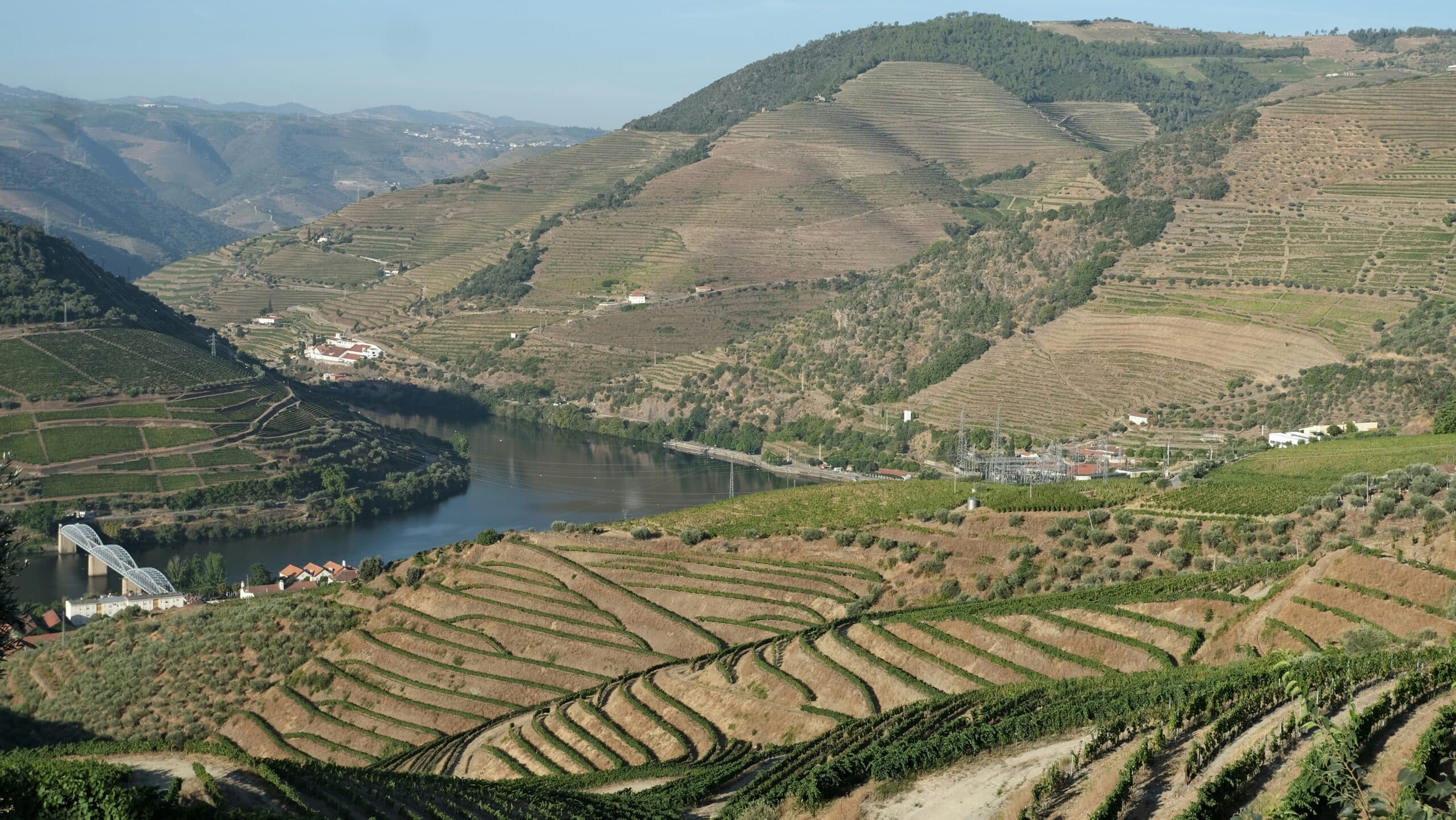
The valley’s character changes dramatically with the seasons:
Best Time to Visit the Douro Valley
Spring (April–May): Green, quiet, and fresh, with fewer visitors and softer light.
Summer (June–August): Visually striking but often very hot, especially inland.
Harvest Season (September): Energetic and atmospheric, with increased vineyard activity and crowds.
Autumn (October): Warm tones, excellent light, and a calmer pace after harvest.
Late afternoon is particularly beautiful, when shadows define the terraces and the river reflects the surrounding hillsides.
How to Visit the Douro Valley
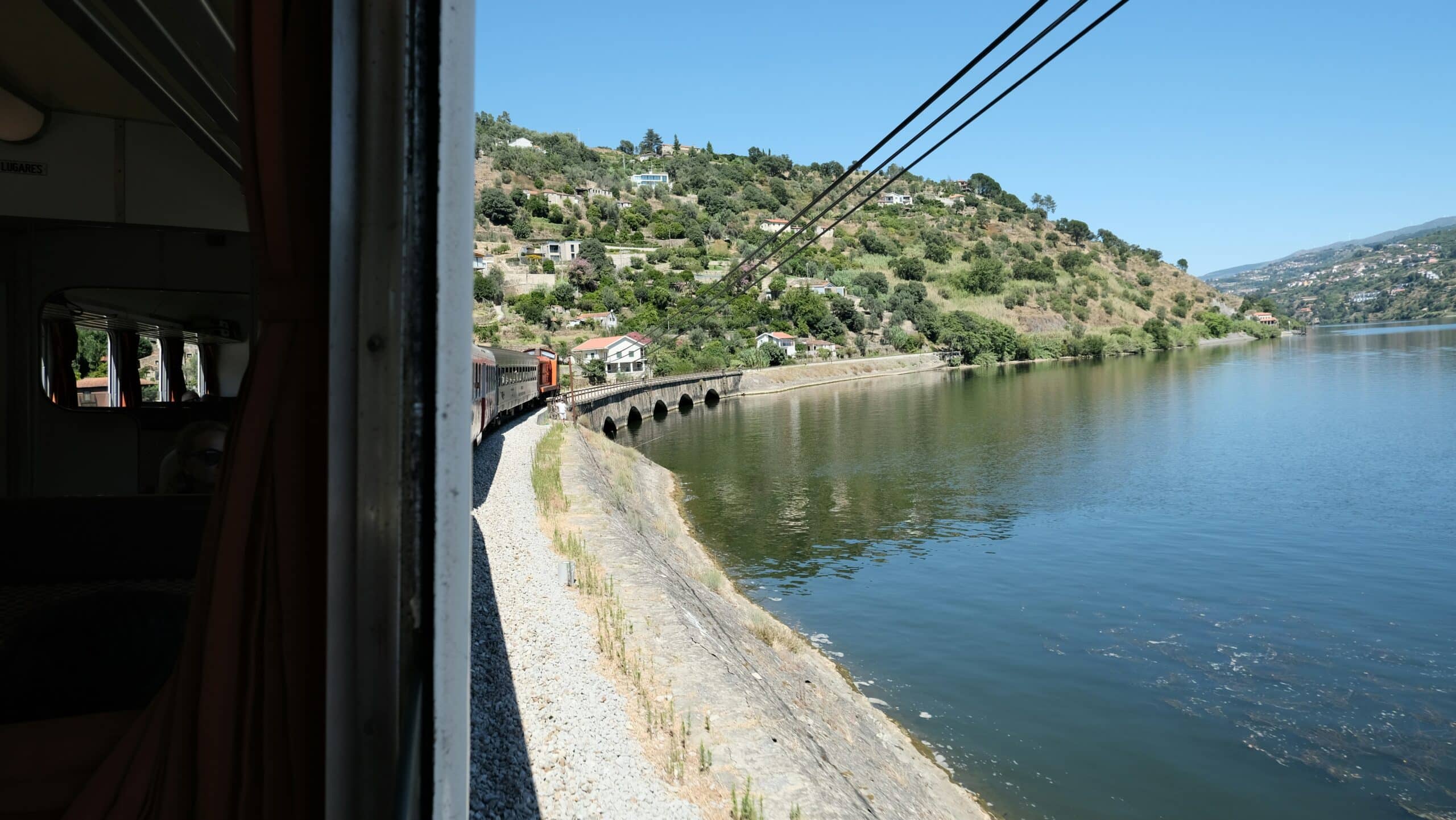
There is no single best way to explore the Douro, but logistics matter:
- Train: A scenic route from Porto that follows the river into the valley
- Car: The most flexible option for reaching viewpoints and remote estates
- Guided Experiences: Efficient and informative, especially for first-time visitors
- River Cruises: Experience-driven, best paired with another activity
Public transportation within the valley is limited, so thoughtful planning is essential.
Day Trip vs Overnight Stay: Which is Better?
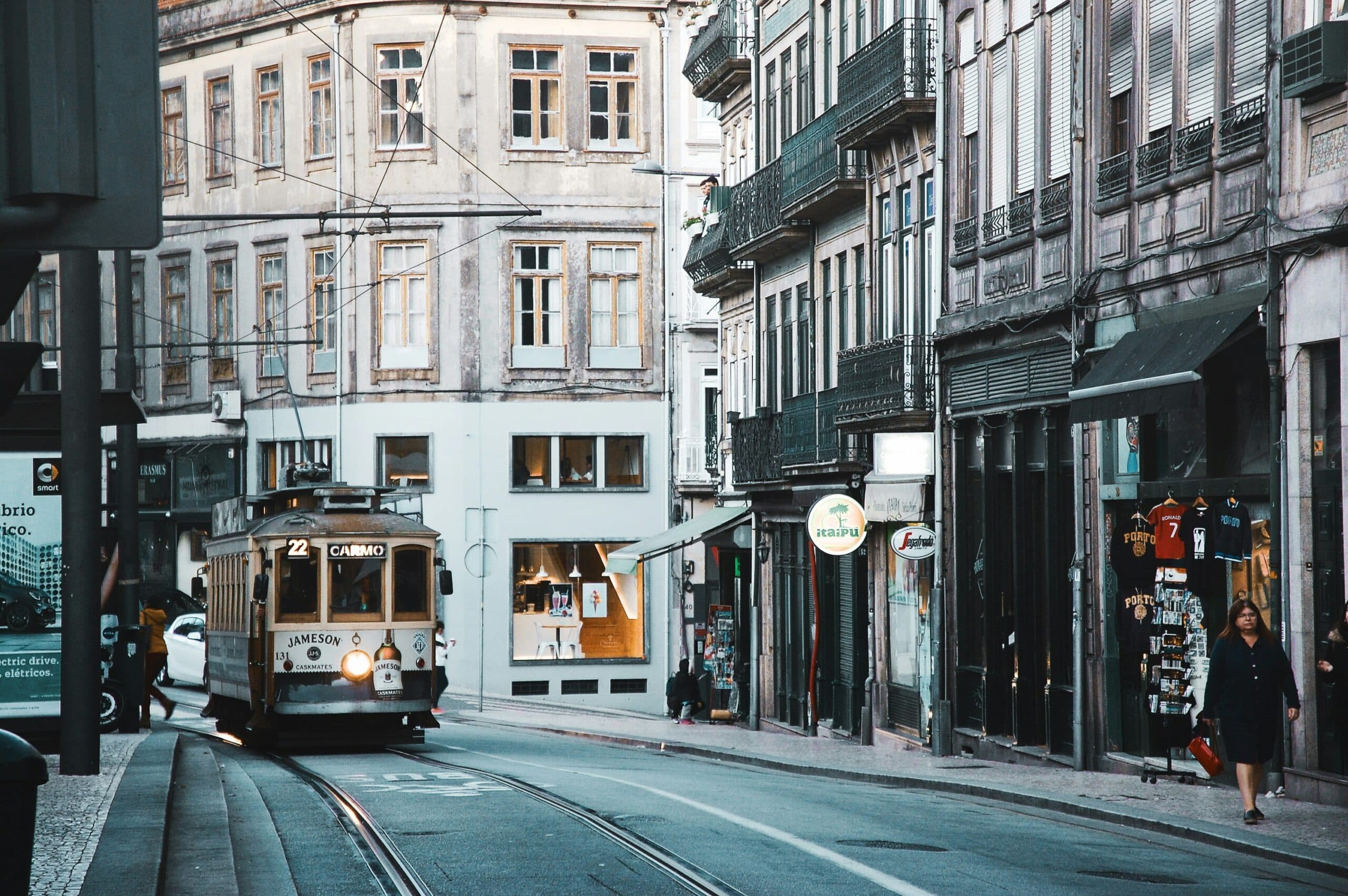
A day trip from Porto works well if you focus on one or two key experiences, such as a scenic viewpoint and a winery visit. An overnight stay allows for a slower pace, early morning or evening light, and a deeper sense of the valley’s rhythm.
Both options offer value—the right choice depends on how immersed you want to be in the landscape.
Many travelers pair a Douro Valley visit with time in Porto itself, where historic wine lodges, riverside neighborhoods, and cultural landmarks provide the perfect introduction to northern Portugal.
For ideas on what to see and do while you’re there, explore our guide to the best things to do in Porto.
Planning Your Douro Valley Visit
The Douro Valley rewards intentional planning. Distances are deceptive, roads are winding, and experiences are spread across steep terrain. Choosing fewer, higher-quality stops—and allowing time to fully experience them—often leads to a far more meaningful visit than trying to see everything at once.
Douro Valley Travel Guide: FAQs
Is the Douro Valley worth visiting?
Yes. As Europe’s oldest demarcated wine region, the Douro offers dramatic landscapes, historic vineyards, and a sense of place that sets it apart from other wine regions in Europe.
Can you visit the Douro Valley as a day trip?
Many travelers visit the Douro Valley as a day trip from Porto, focusing on one or two experiences such as a winery visit, scenic viewpoint, or short river cruise. An overnight stay allows for a more relaxed pace.
How much time do you need in the Douro Valley?
One full day provides a strong introduction. Spending one or two nights allows for deeper exploration, better light conditions, and a more immersive experience.
Is the Douro Valley only known for Port wine?
No. While Port is central to the region’s history, the Douro also produces highly regarded dry red and white wines made from indigenous grape varieties.