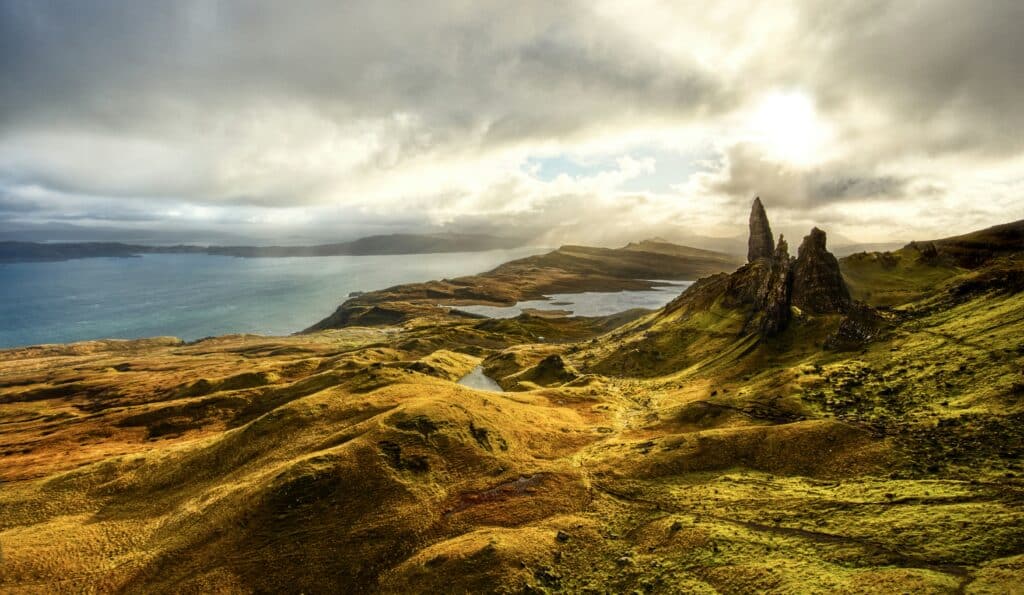
Why Visit the Isle of Skye?
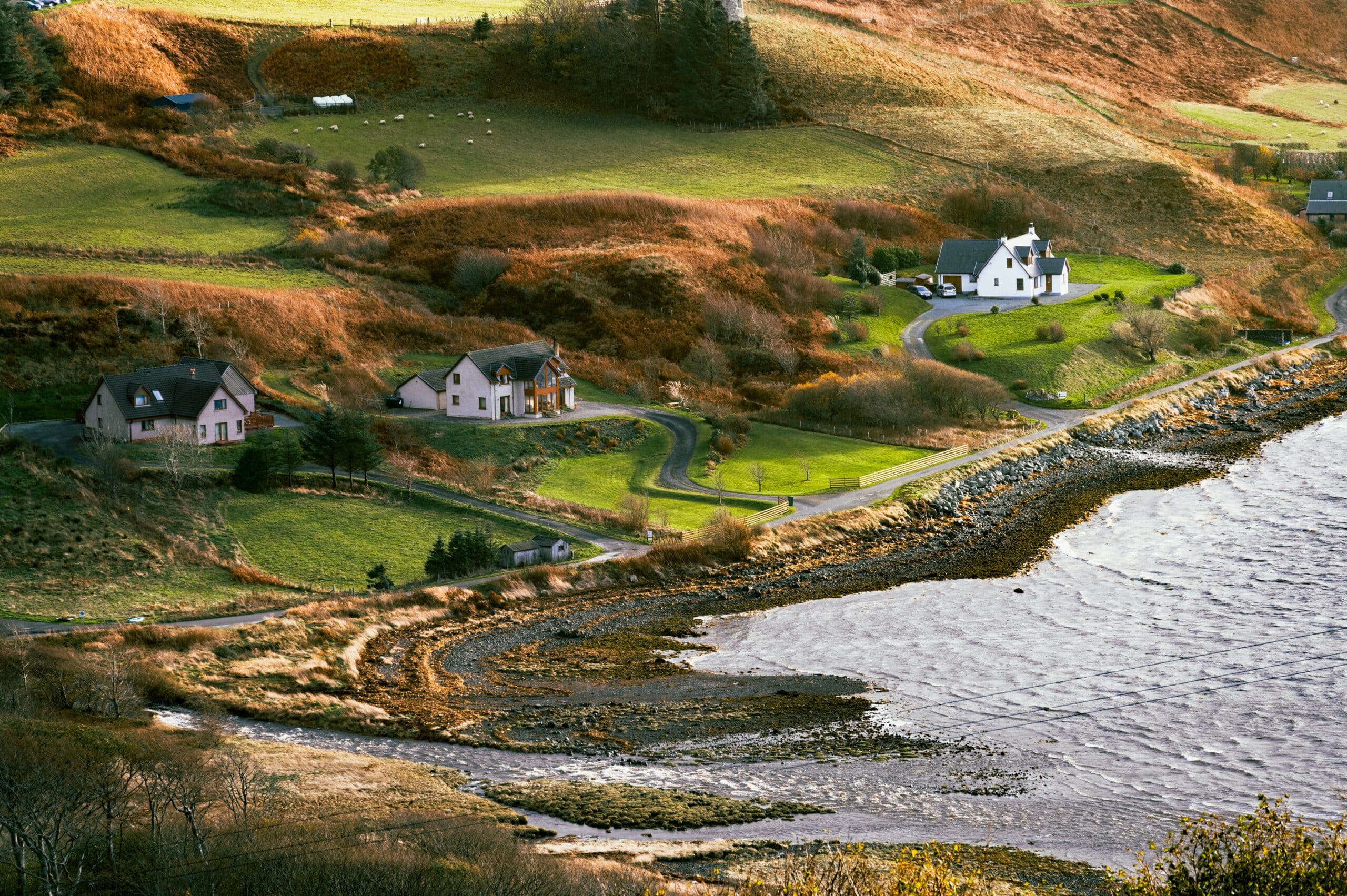
The Isle of Skye stands apart even within Scotland. Its landscapes feel raw and elemental—jagged rock formations, sweeping valleys, and coastlines shaped by wind and sea. It’s not polished or predictable, and that’s exactly the point.
What makes Skye unforgettable isn’t just what you see, but how it feels. The stillness. The scale. The way the light transforms the same view from one hour to the next. It’s a place that invites you to slow down, look closer, and stay a little longer than planned.
Top Experiences on the Isle of Skye
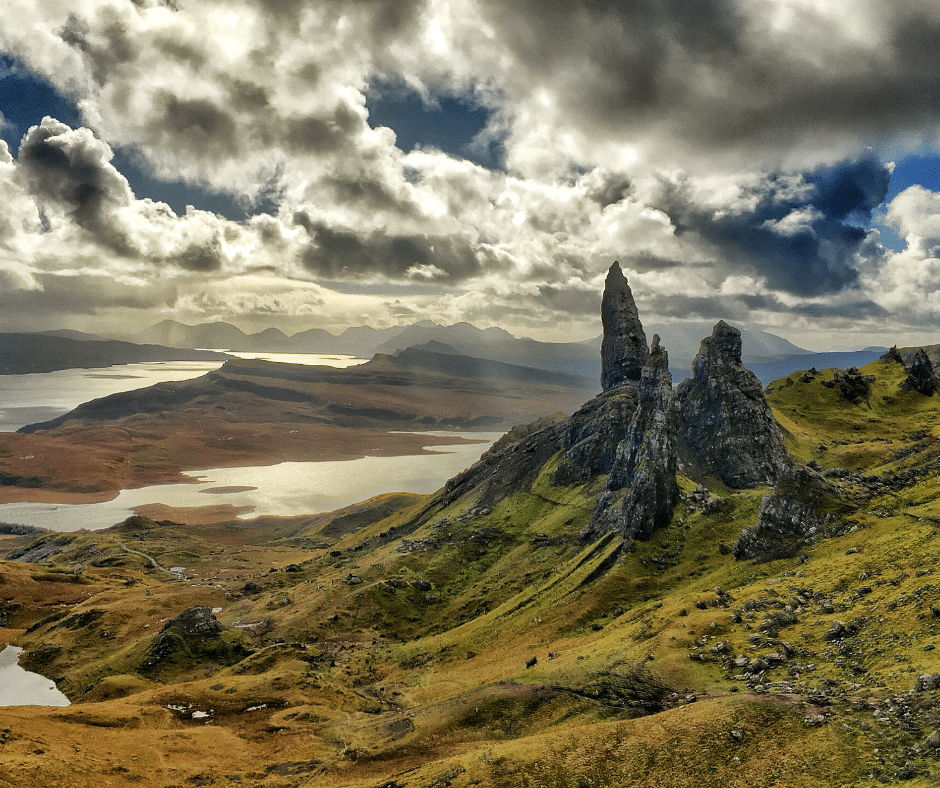
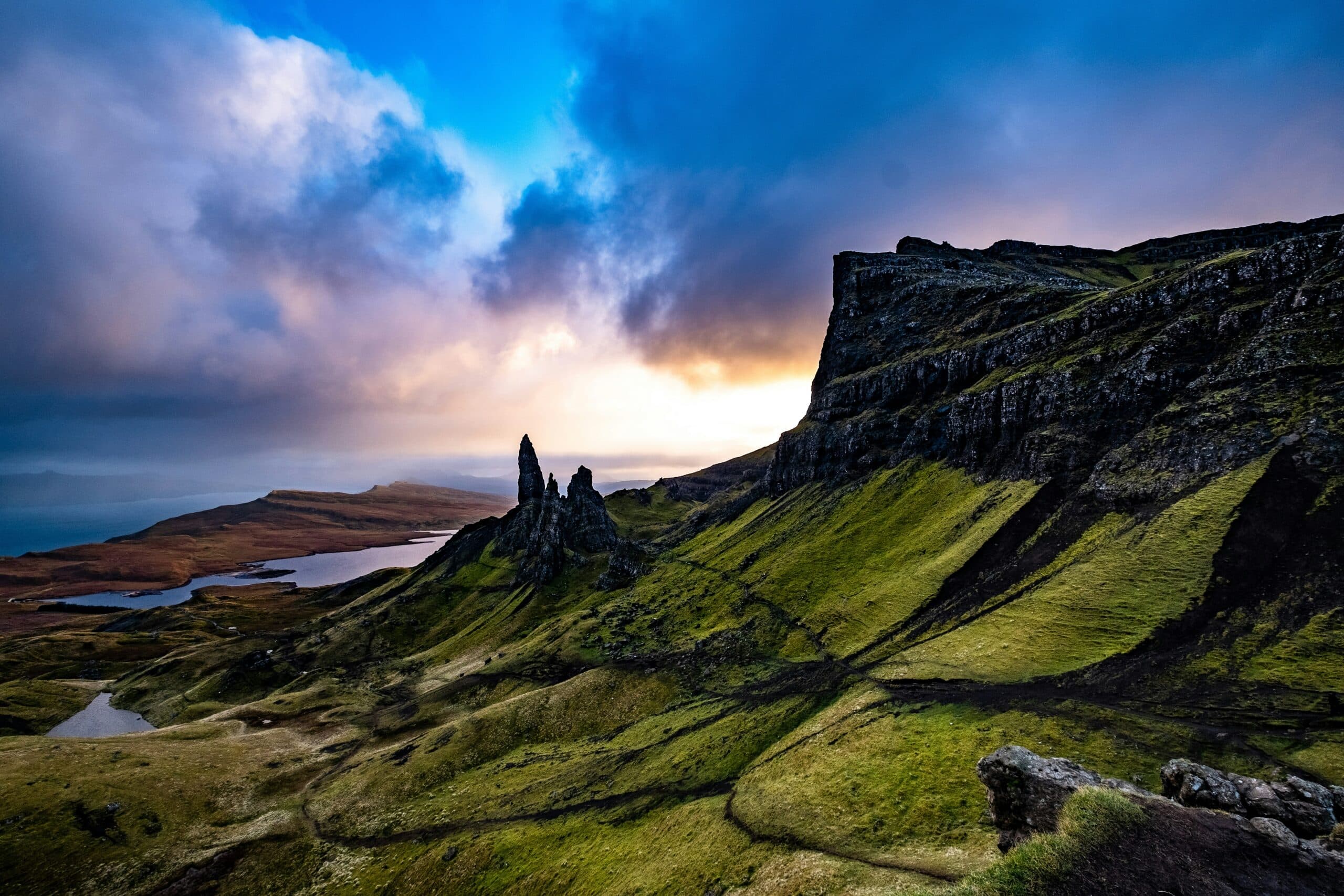
Old Man of Storr
One of Skye’s most iconic landmarks, this towering rock formation rises dramatically above the surrounding landscape. The hike is short but steep, and the reward is a sweeping view over the Sound of Raasay. Arrive early if you can—the quieter atmosphere and softer light make a noticeable difference.
Planning to explore more of Scotland’s trails?
If you’re heading beyond Skye, our guide on hiking in Scotland shares practical tips for choosing routes, preparing for changing conditions, and making the most of your time outdoors.
The Quiraing
A landslip unlike anywhere else in Scotland, the Quiraing feels almost otherworldly. Rolling green hills drop into sharp cliffs and unusual rock formations, with views that stretch for miles. The loop walk offers constantly changing perspectives, especially when low clouds drift through the landscape.
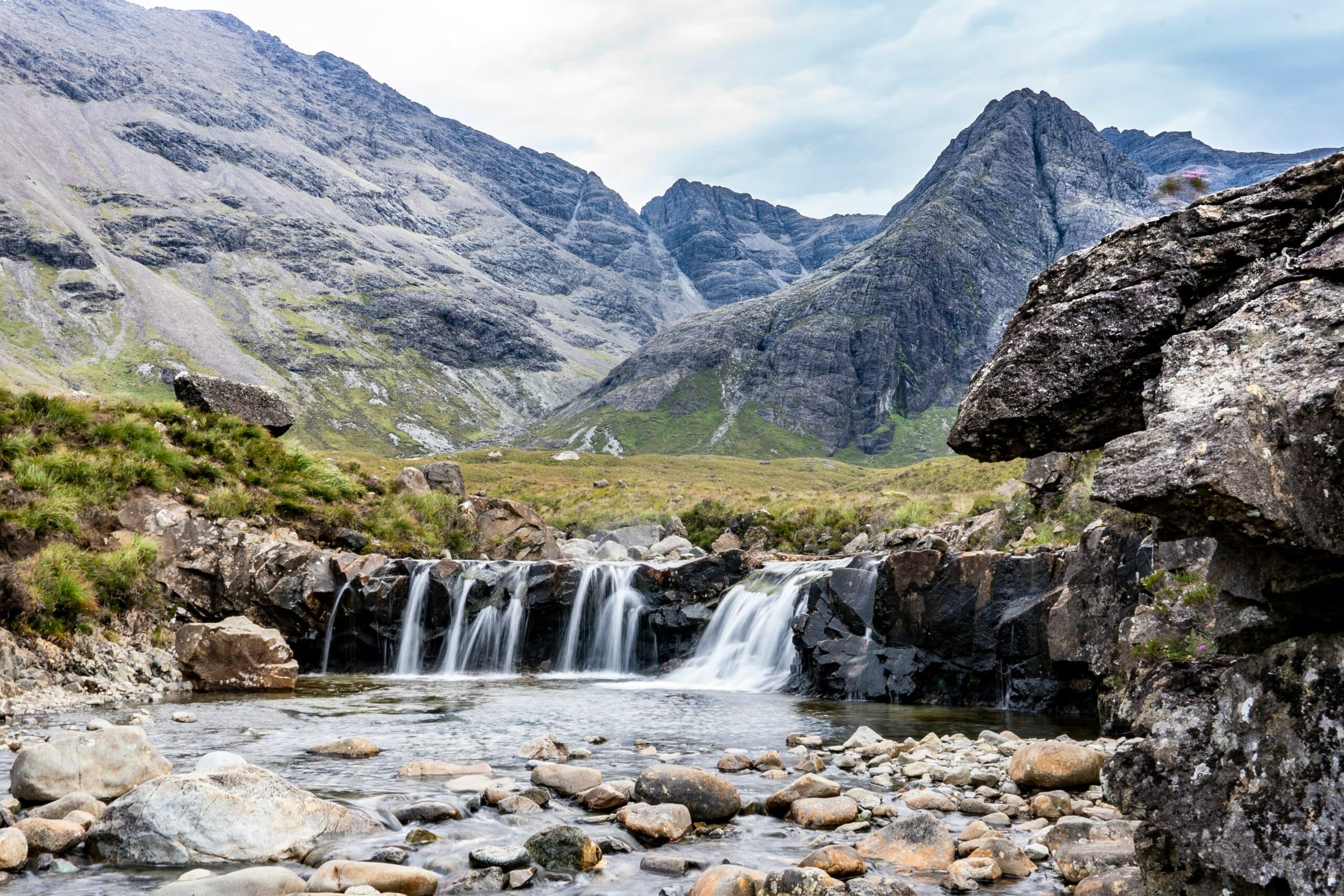
Fairy Pools
Set at the foot of the Black Cuillin mountains, the Fairy Pools are a series of crystal-clear blue pools and waterfalls. On calm days, the water reflects the surrounding peaks, creating one of Skye’s most striking natural scenes.
Neist Point Lighthouse
Located on the western edge of the island, Neist Point is known for its dramatic coastal views. The walk down to the lighthouse is steep, but the wide-open cliffs and ocean views are especially rewarding at sunset.
Talisker Distillery
Located along the island’s western coastline, Talisker Distillery produces one of Scotland’s most distinctive single malts, known for its smoky, maritime character. A visit offers insight into Skye’s whisky heritage, with tastings set against a backdrop of rugged coastal scenery.
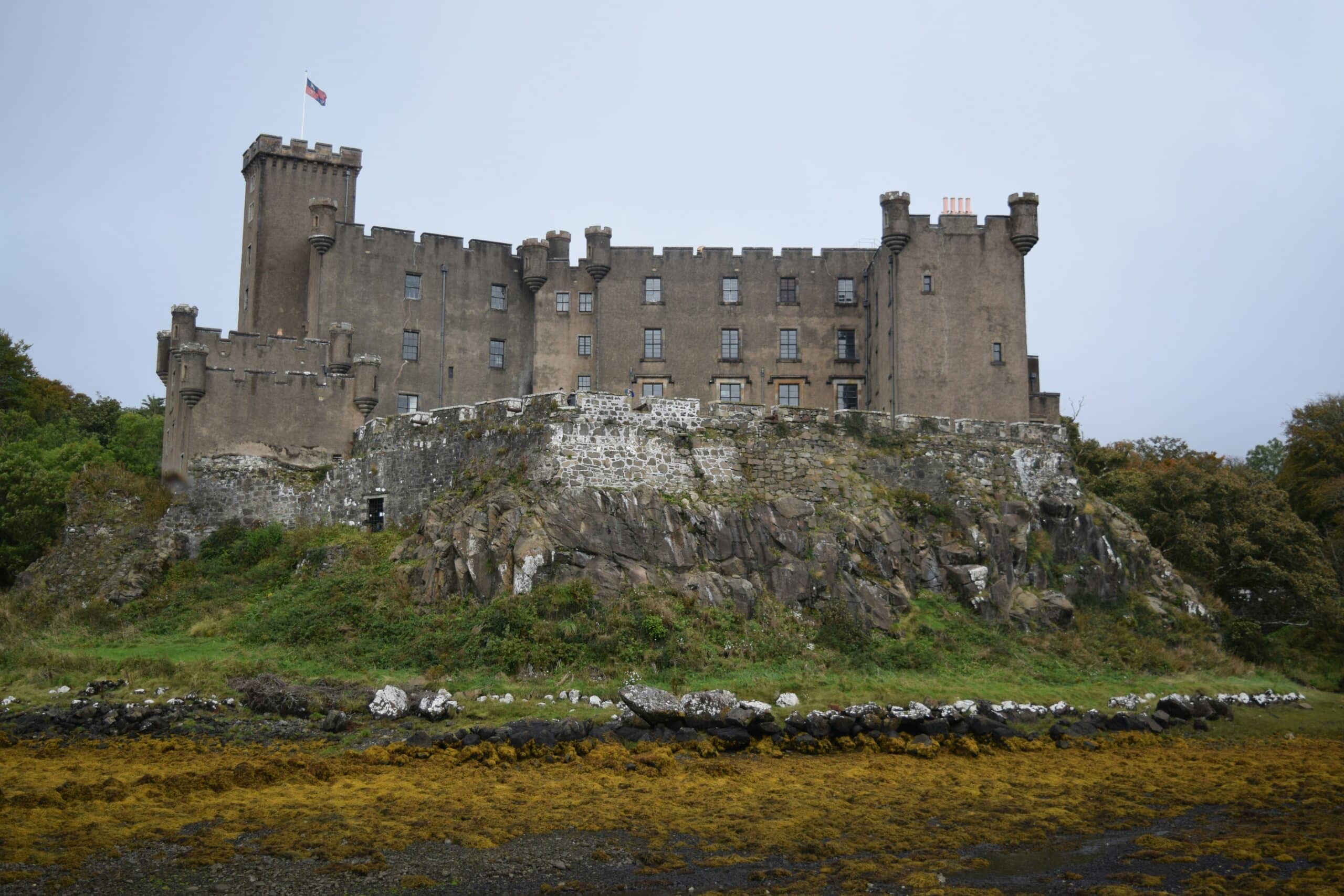
Dunvegan Castle
Set on the shores of Loch Dunvegan, this historic castle has been the ancestral home of Clan MacLeod for over 800 years. Inside, you’ll find clan artifacts and portraits, while the surrounding gardens offer a quieter contrast to Skye’s rugged terrain. Boat trips nearby also provide opportunities to spot seals along the coastline.
Skye Museum of Island Life
Near the northern tip of the island, this open-air museum offers a glimpse into traditional Highland life. A collection of thatched cottages and preserved interiors tells the story of how communities once lived on Skye, adding historical depth to the landscape.
Fairy Glen
Smaller and less visited than the Fairy Pools, the Fairy Glen is a whimsical landscape of grassy mounds and winding paths. Its unusual formations give it an almost surreal feel, making it a quieter but memorable stop.
Kilt Rock & Mealt Falls
This dramatic coastal viewpoint features cliffs that resemble the pleats of a kilt, with Mealt Falls cascading directly into the sea below. It’s one of the easiest stops to access, with a short walk from the parking area.
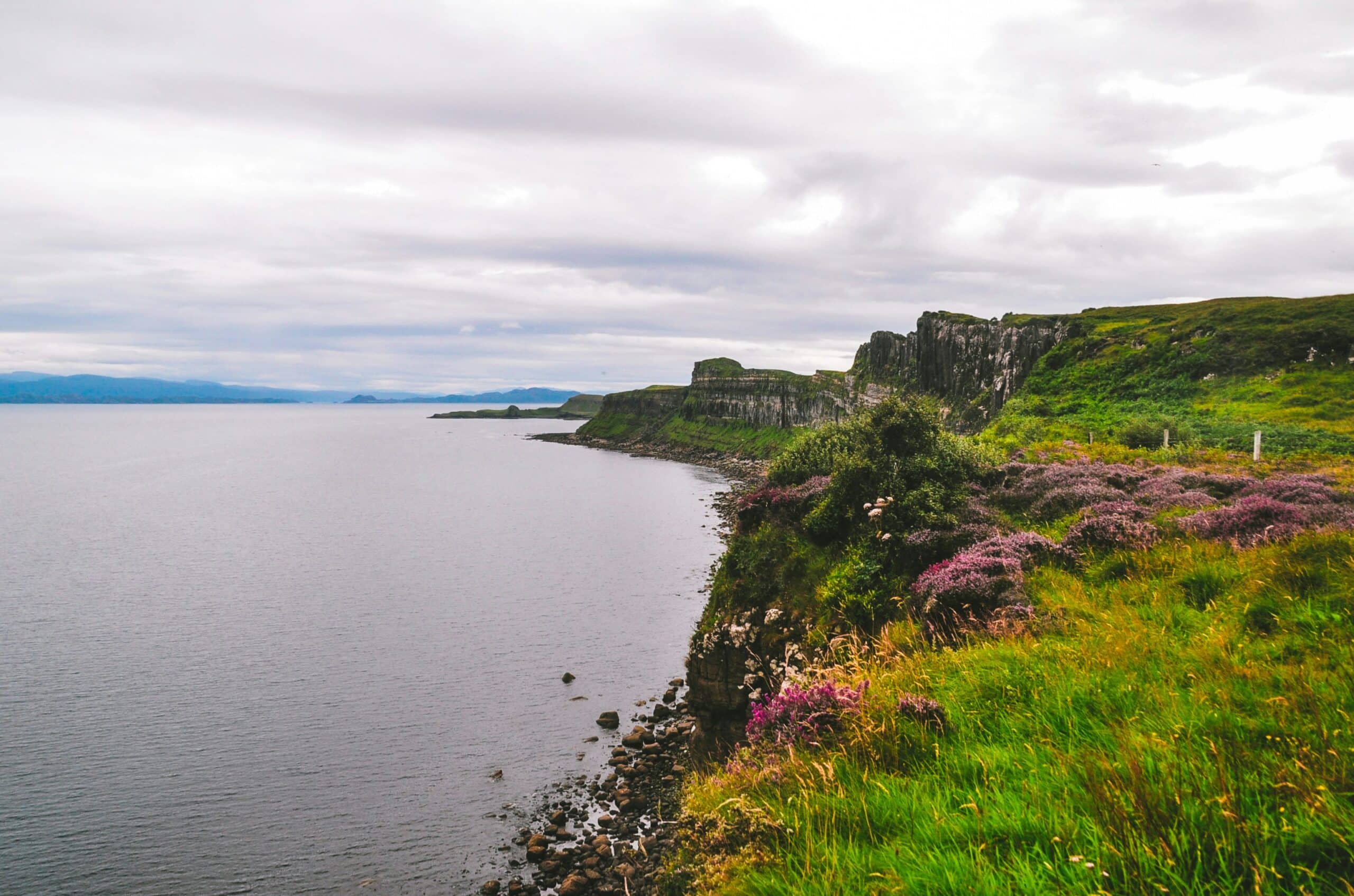
Elgol
A small coastal village offering some of the most striking views of the Black Cuillin mountains. The setting feels remote and untouched, with the added option of boat trips to Loch Coruisk for those looking to explore further.
Eilean Donan Castle
Located just off the island near the Skye Bridge, this iconic castle is often one of the first or last stops when visiting Skye. Set where three lochs meet, it’s one of Scotland’s most photographed landmarks and an easy addition to your route.
Portree
Skye’s largest village offers a quieter kind of charm. Its harbor, lined with colorful buildings, provides a contrast to the island’s rugged landscapes. It’s also a practical base, with restaurants, shops, and accommodations.

Best Photography Spots on the Isle of Skye
The Isle of Skye is one of the most photographed landscapes in Scotland, and it’s easy to understand why. Light shifts quickly here, with rolling clouds and sudden breaks of sun transforming the same view within minutes. What you see is never static—it’s constantly evolving.
For travelers, this means every stop feels a little different depending on the time of day and the weather. For photographers, it’s part of the appeal.
Some of Skye’s most striking locations are also its most iconic. The Old Man of Storr is especially dramatic at sunrise, when soft light and early morning mist add depth to the towering rock formations. The Quiraing offers sweeping, layered views that feel almost cinematic when low clouds move through the cliffs.
The Fairy Pools are at their clearest on calm days, while Neist Point Lighthouse is known for its golden-hour light and expansive coastal views. Even Portree’s harbor becomes a visual highlight when the light hits just right
The area around Dunvegan Castle, particularly along the shoreline below, offers a different perspective—combining historic architecture with coastal scenery, especially in softer evening light.
You don’t need professional equipment to appreciate Skye’s beauty. Some of the most memorable moments come simply from slowing down and taking in the view as it changes around you. Timing, patience, and a willingness to embrace unpredictable conditions make all the difference.
Skye’s constantly shifting light and dramatic landscapes make it one of the most rewarding places to practice photography.
Want to capture Skye at its best?
If capturing these moments is part of your experience, our guide on how to take the best travel photos offers practical tips for working with natural light, composition, and ever-changing conditions.
Best Time to Visit the Isle of Skye
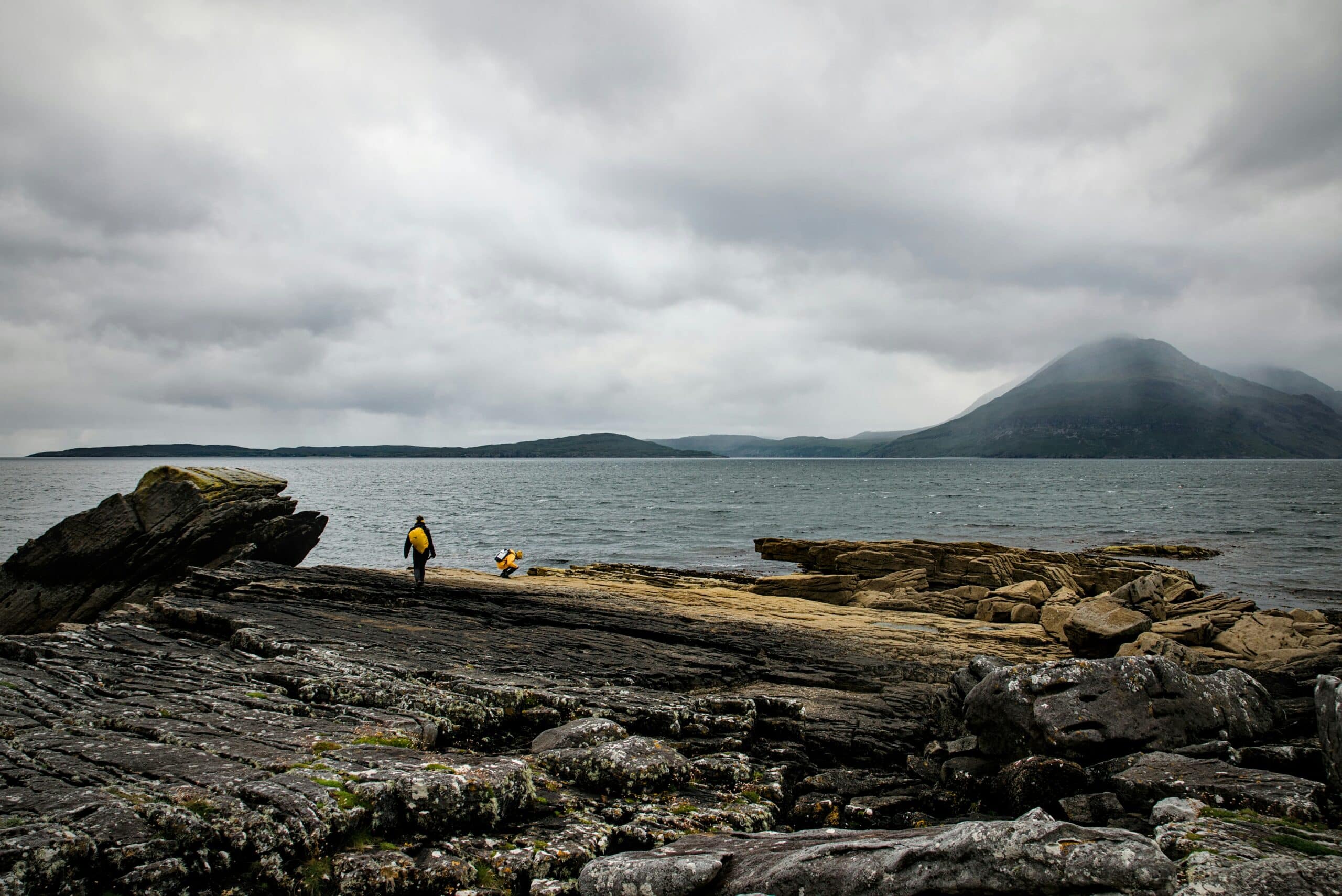
Skye is a destination shaped by its seasons, and each one offers a different experience.
Spring brings fresh color to the landscape, with fewer crowds and longer daylight hours beginning to return. Summer offers the longest days, with extended golden hours that stretch late into the evening, though it’s also the busiest time to visit.
Autumn introduces deeper tones and a quieter atmosphere, making it ideal for those who prefer a slower pace. Winter is the most dramatic, with stark landscapes and fewer visitors, though weather conditions can be unpredictable.
No matter when you visit, expect changeable weather. Clear skies can quickly give way to mist and rain, often adding to the island’s character rather than detracting from it.
Planning a broader Scotland trip?
If you’re traveling beyond Skye, our guide on when to visit Scotland breaks down seasonal differences, weather patterns, and what to expect across the country.
What to Expect from Skye’s Weather
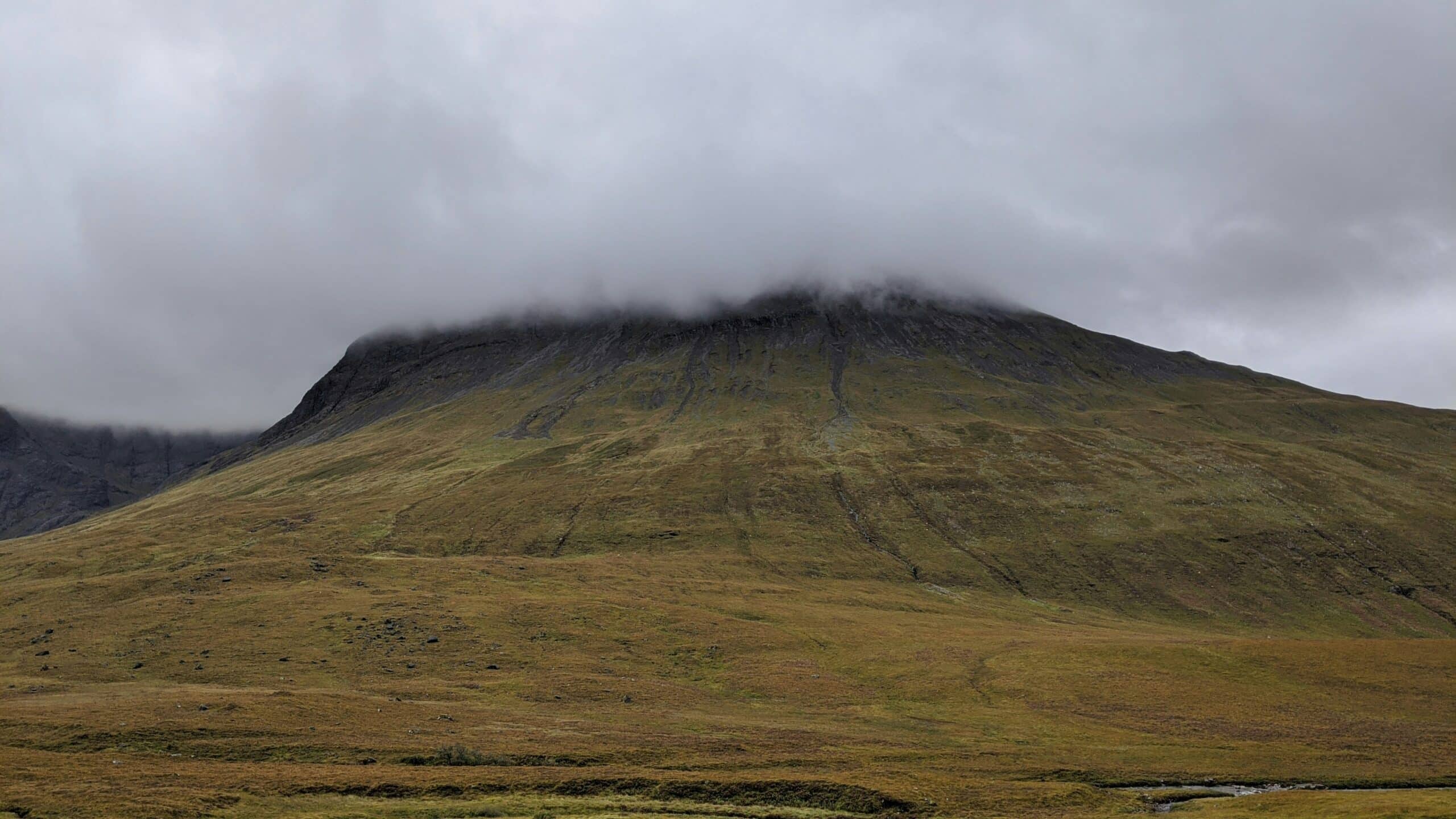
Weather on the Isle of Skye plays a major role in shaping your experience. Conditions can change quickly, with sunshine, mist, and rain all possible within the same day.
Clear days offer sweeping views across the island’s dramatic landscapes, but low cloud cover can obscure major sights like the Quiraing and Old Man of Storr entirely. Visibility matters here—what you see often depends on the weather in that exact moment.
Best Overall Conditions
Late spring and early autumn (May and September) tend to offer the best balance of lighter crowds, longer daylight hours, and more stable weather. While Skye is never predictable, these months often bring clearer skies and less rainfall than peak summer.
Rain and Cloud Cover
Skye is known for frequent cloud cover and rainfall, particularly in autumn and winter. However, these conditions also contribute to the island’s atmosphere, adding depth and movement to the landscape.
What to Pack
- Waterproof jacket (essential)
- Layers for changing temperatures
- Waterproof footwear for muddy or uneven paths
- Wind-resistant clothing for exposed areas
Being prepared allows you to experience Skye fully, regardless of conditions.
Where to Stay on the Isle of Skye
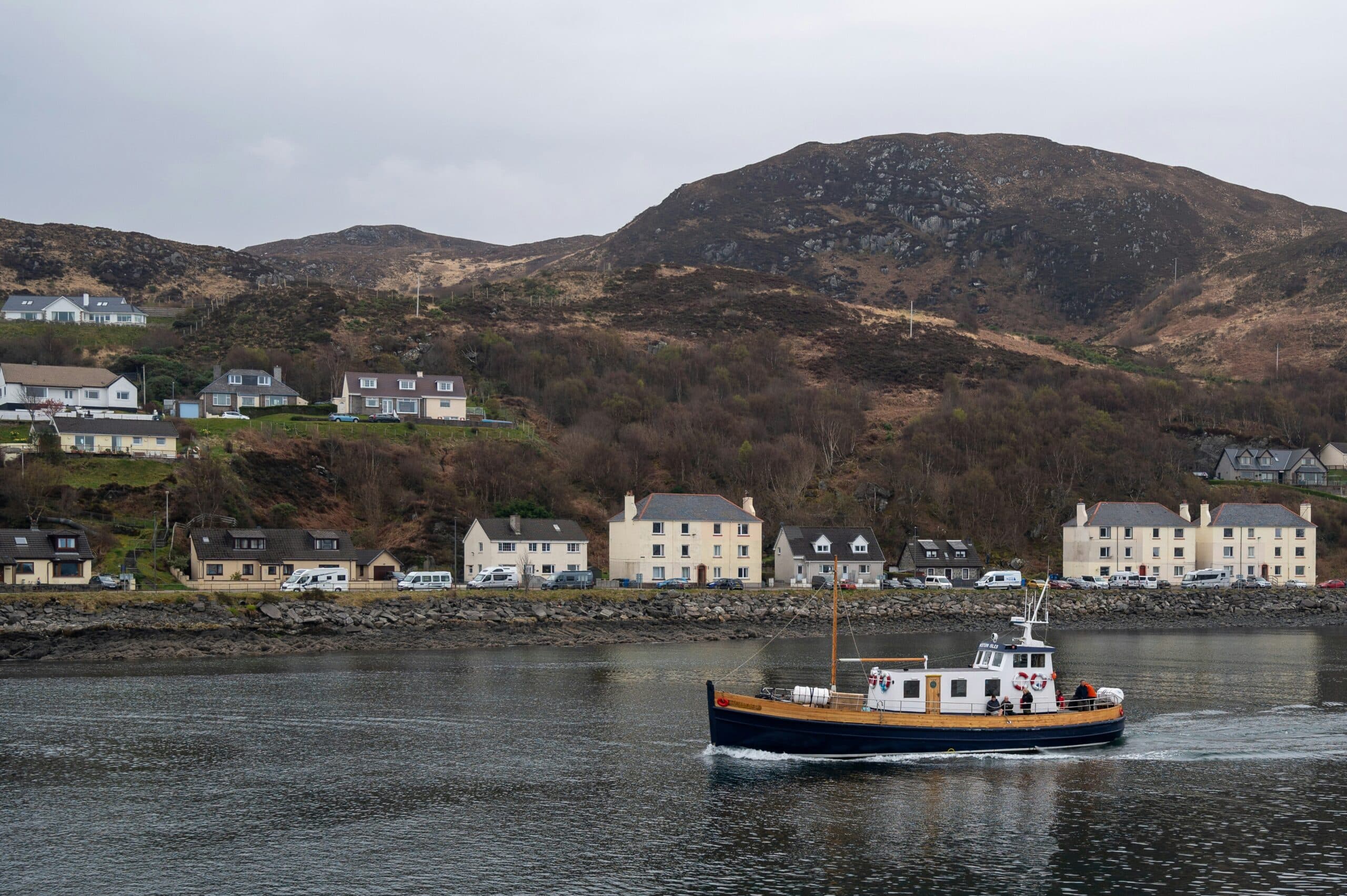
Where you stay on Skye shapes your entire experience. Distances are longer than they appear on a map, and early starts are often the key to enjoying the island’s most iconic landscapes without crowds.
Portree: Best for First-Time Visitors
Portree is the island’s main hub and the most convenient base. You’ll find a range of accommodations, restaurants, and easy access to the Trotternish Peninsula, including the Old Man of Storr and the Quiraing. Expect higher prices and limited availability during peak season—booking well in advance is essential.
Sleat Peninsula: Quieter, Scenic Escape
Often referred to as the “Garden of Skye,” this southern area is greener, quieter, and less crowded. It’s ideal if you’re looking for a slower pace, though it places you farther from some of Skye’s most famous landmarks.
Dunvegan & Northwest Skye: Remote and Dramatic
For a more off-the-beaten-path stay, this area offers rugged coastal scenery and fewer crowds. It’s a strong choice for repeat visitors or those prioritizing solitude over convenience.
Budget vs. Luxury Expectations
Accommodation on Skye is limited, and prices are higher than many expect—especially from May through September. Budget travelers should look early for guesthouses or self-catering options, while boutique hotels and unique stays tend to book out months in advance.
What to Eat on the Isle of Skye
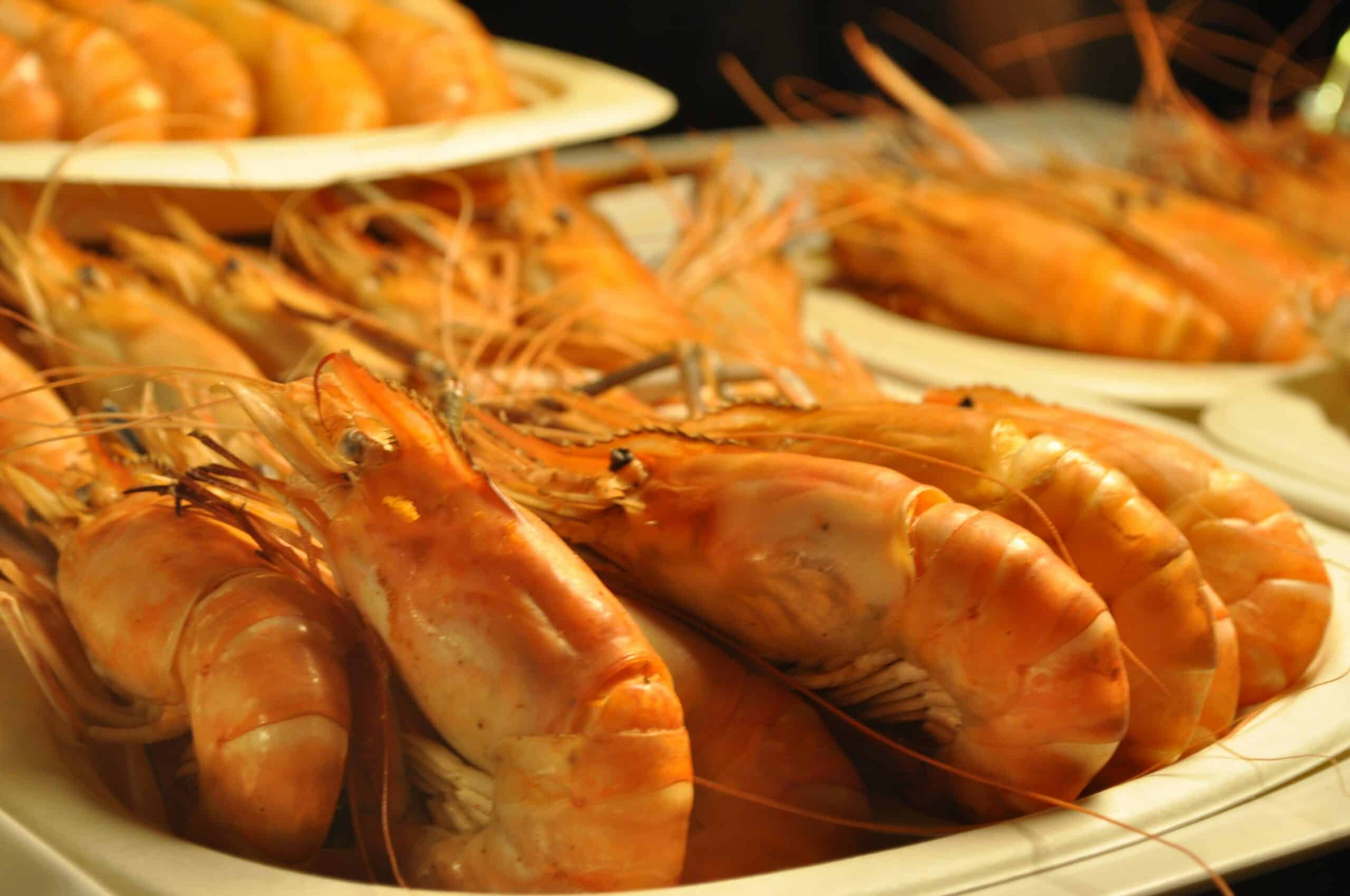
Food on the Isle of Skye is shaped by its landscape—fresh, seasonal, and deeply tied to the surrounding land and sea. After a day exploring cliffs, valleys, and coastal paths, meals here feel grounding and simple in the best way.
Seafood is a highlight, with locally caught salmon, langoustines, and scallops appearing on many menus. Traditional dishes like fish and chips take on a different quality when enjoyed near the water, often served fresh and unpretentious.
For something more refined, Skye has quietly developed a reputation for standout dining. The Three Chimneys near Dunvegan is one of the island’s most well-known restaurants, offering a modern take on Scottish cuisine with a focus on local ingredients. In Portree, options range from casual pubs to small restaurants serving everything from hearty comfort food to elevated seasonal menus.
Whisky also plays a role in the experience. A visit to the Talisker Distillery, overlooking the rugged coastline, offers insight into one of Scotland’s most distinctive single malts—known for its smoky, maritime character.
Reservations are often necessary, especially in summer, and dining options can be limited in more remote areas. Planning ahead ensures you don’t miss out, particularly after a long day of exploring.
How to Get Around the Isle of Skye
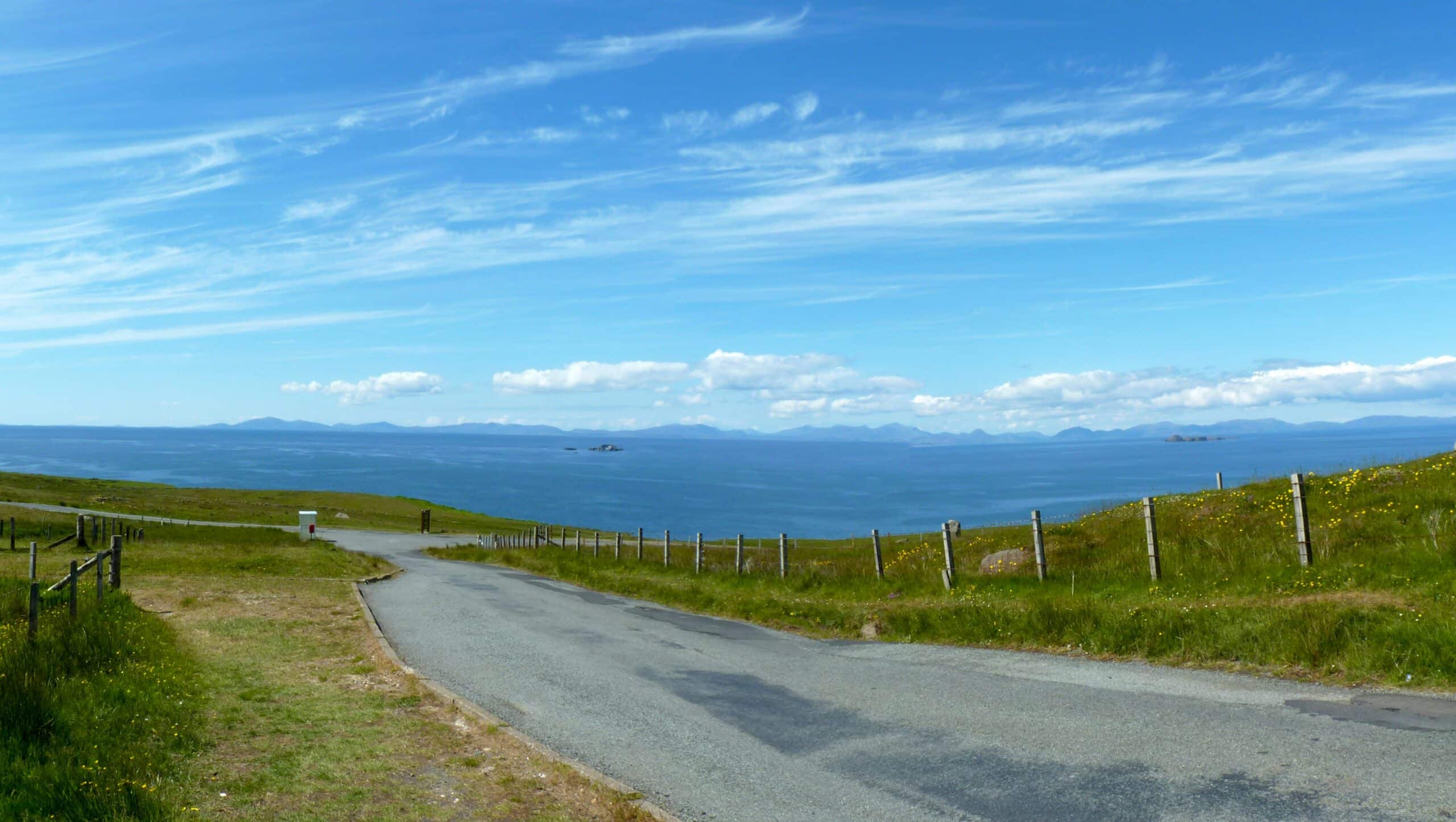
Driving is by far the best way to explore the Isle of Skye. Public transportation exists but is limited, and many of the island’s most iconic locations are not easily accessible without a car.
Driving on Skye
Many roads are single-track, meaning only one car can pass at a time. You’ll use designated passing places to pull over and allow oncoming traffic through. If you’re not used to this, it can feel intimidating at first—but you’ll adjust quickly.
Drive Times (Approximate)
- Portree → Old Man of Storr: 15 minutes
- Portree → Quiraing: 35 minutes
- Portree → Fairy Pools: 35–40 minutes
- Portree → Neist Point: 1 hour
Distances are short, but roads are winding, so always allow extra time.
Car Rental Tips
- Book early, especially in summer
- Consider a smaller vehicle for easier navigation on narrow roads
- Automatic cars are available but limited—reserve in advance if needed
Not sure if renting a car is the right move?
If you’re unsure whether renting a car makes sense for your broader trip, our guide on driving in Europe breaks down when it’s the right choice—and when it’s better to rely on other transportation options.
Alternative Options
Guided tours are available, but they limit flexibility. If your goal is to experience Skye at your own pace—especially for sunrise or sunset views—having your own vehicle makes a significant difference.
Travel Tips for Visiting the Isle of Skye
- Plan ahead: Accommodations fill quickly, especially in summer.
- Start early: Popular sites like the Old Man of Storr can get crowded.
- Be weather-ready: Conditions change quickly—layers are key.
- Watch for midges: These small insects are common in warmer months.
- Respect the landscape: Stick to paths and follow local guidelines.
FAQ: Isle of Skye Travel Guide
Is the Isle of Skye worth visiting?
Yes. Its landscapes are among the most dramatic in Scotland, offering a unique blend of natural beauty and atmosphere.
How many days do you need on the Isle of Skye?
At least two to three days allows you to see the highlights without rushing, though more time offers a deeper experience.
Do you need a car on the Isle of Skye?
A car is strongly recommended. It provides the flexibility needed to explore the island fully.
When is the best time to visit the Isle of Skye?
Late spring through early autumn offers the best balance of weather and accessibility, though each season has its own appeal.
Plan Your Isle of Skye Experience
The Isle of Skye isn’t a place you rush through—it’s a place you experience, shaped by weather, timing, and the choices you make along the way.
Plan Your Isle of Skye Experience
The Isle of Skye isn’t a place you rush through—it’s a place you experience, shaped by weather, timing, and the choices you make along the way.
If you want to experience Skye without the stress of planning routes, accommodations, and timing everything around changing conditions,
Guidester can help you build a custom itinerary designed around how you travel—so you can focus on the moments that make this island unforgettable.