Best Time to Visit England at a Glance
Spring and fall offer the most balanced experience, combining mild weather with manageable crowds. Summer brings energy and long daylight hours but also peak congestion, especially in London and major tourist hubs. Winter shifts the focus toward culture, atmosphere, and slower travel.
England Travel by the Numbers
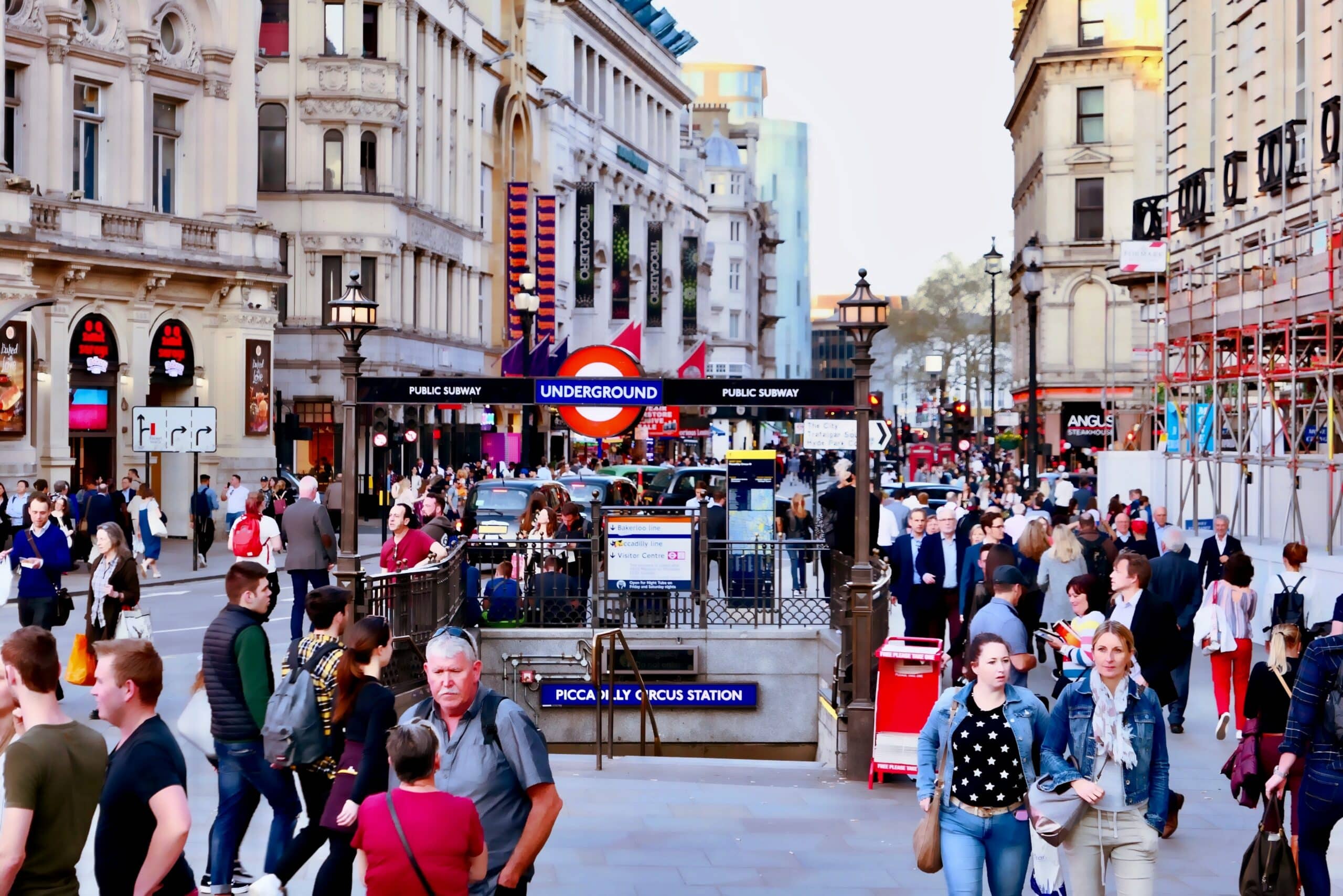
England remains one of the most visited destinations in Europe, with London alone welcoming over 20 million visitors each year. That volume peaks sharply between June and August, when demand for accommodations, tours, and transportation is at its highest.
But what matters more than the numbers is where those travelers go.
Most visitors concentrate in a handful of locations—London, Bath, Oxford, and parts of the Cotswolds. That concentration is what creates the feeling of overcrowding, even outside peak season.
Timing your trip well doesn’t just mean avoiding bad weather. It means avoiding bottlenecks that slow everything down.
It also means accounting for the small logistics that can impact your trip before you even arrive.
Travel Tip
The UK now requires an Electronic Travel Authorization (ETA) for many visitors, which adds an extra step to your planning timeline. Learn more about what’s required before your trip in this guide to UK entry requirements.
Jack’s Favorite Time to Visit England

If you want the best overall experience, aim for late May or mid-September.
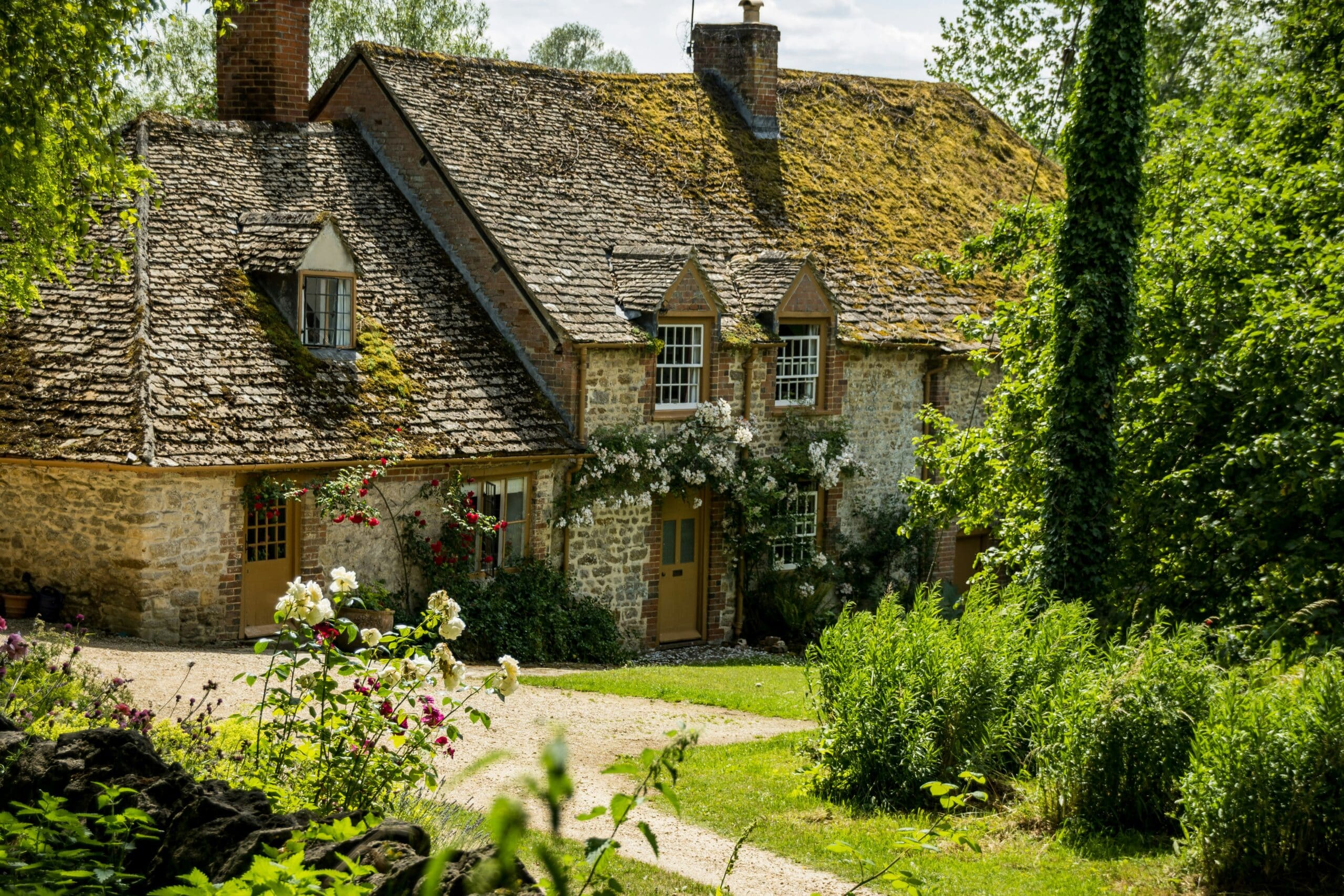
You’ll get mild weather, manageable crowds, and the flexibility to explore both cities and countryside without constantly adjusting your plans. London feels walkable instead of overwhelming, and regions like the Cotswolds or the Lake District are busy enough to feel alive without being crowded.
For me, this is when England feels the most balanced.

England by Season
Spring (March to May)
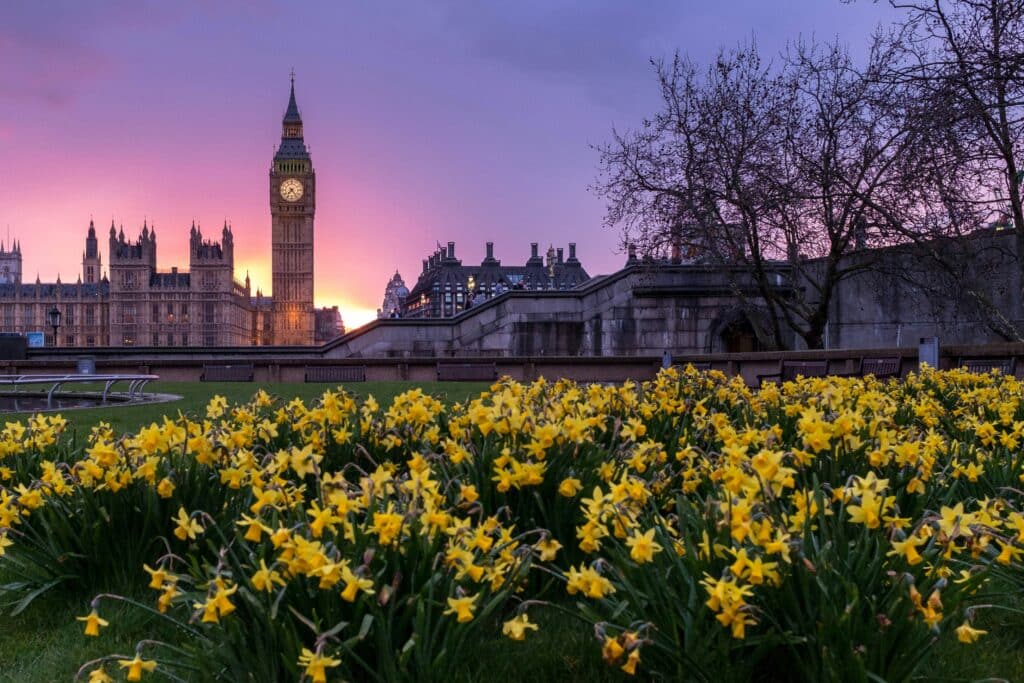
Spring is one of the most underrated times to visit England. The countryside begins to bloom, especially in areas like the Cotswolds and South Downs, while cities feel lighter and easier to explore.
Pros:
- Fewer crowds compared to summer
- Lower accommodation prices, especially early in the season
- Ideal weather for walking and city exploration
- Gardens, parks, and countryside landscapes in full bloom
Cons:
- Unpredictable weather with occasional rain
- Cooler temperatures, especially in early spring
- Not ideal for coastal travel
Summer (June to August)
Summer is the most popular time to visit England, with long daylight hours and a lively atmosphere across cities and coastal regions.
Pros:
- Long days with extended sightseeing hours
- Best weather for coastal destinations like Cornwall
- Festivals, outdoor dining, and vibrant city energy
- Ideal for first-time visitors wanting a full experience
Cons:
- Peak crowds in London, Bath, and Oxford
- Higher prices and limited availability
- Requires advance planning for major attractions
- Can feel rushed and congested
Fall (September to November)
Fall is one of the most balanced and rewarding times to visit England. As crowds begin to fade, the countryside transforms with rich autumn colors, creating a slower, more immersive experience.
Pros:
- Fewer crowds with better overall pacing
- Comfortable temperatures for exploring
- Beautiful fall foliage in regions like the Lake District and Peak District
- Easier to combine city and countryside travel
Cons:
- Shorter daylight hours as the season progresses
- Increased chance of rain later in the season
- Some rural attractions begin to reduce hours
Winter (December to February)
Winter offers a quieter, more atmospheric side of England. While some countryside areas slow down, cities—especially London—remain active and full of seasonal charm.
Pros:
- Significantly fewer crowds
- London Christmas markets and festive lights create a unique atmosphere
- Easier access to museums, landmarks, and dining
- More affordable accommodations in many areas
Cons:
- Cold, damp weather
- Limited daylight hours
- Some rural regions feel quieter or partially closed
- Not ideal for first-time visitors trying to see everything
Best Time to Visit England by Travel Style

Choosing when to visit England becomes much easier once you know how you want to experience it.
First-Time Visitors
- Best time: Late spring or early fall
- Why: Balanced weather, manageable crowds, and easier logistics
- Ideal for: London, Bath, Oxford, and a touch of countryside
Return Travelers
- Best time: Winter or early spring
- Why: Fewer crowds and a more local, less rushed experience
- Ideal for: Slower exploration and deeper cultural experiences
Nature & Countryside Travelers
- Best time: Summer and fall
- Why: Best conditions for walking, driving routes, and national parks
- Ideal for: Lake District, Peak District, Cornwall, Cotswolds
City-Focused Travelers
- Best time: Spring or winter
- Why: Easier navigation, fewer crowds, and better pacing
- Ideal for: London and major historic cities
Biggest Mistakes When Choosing When to Visit England
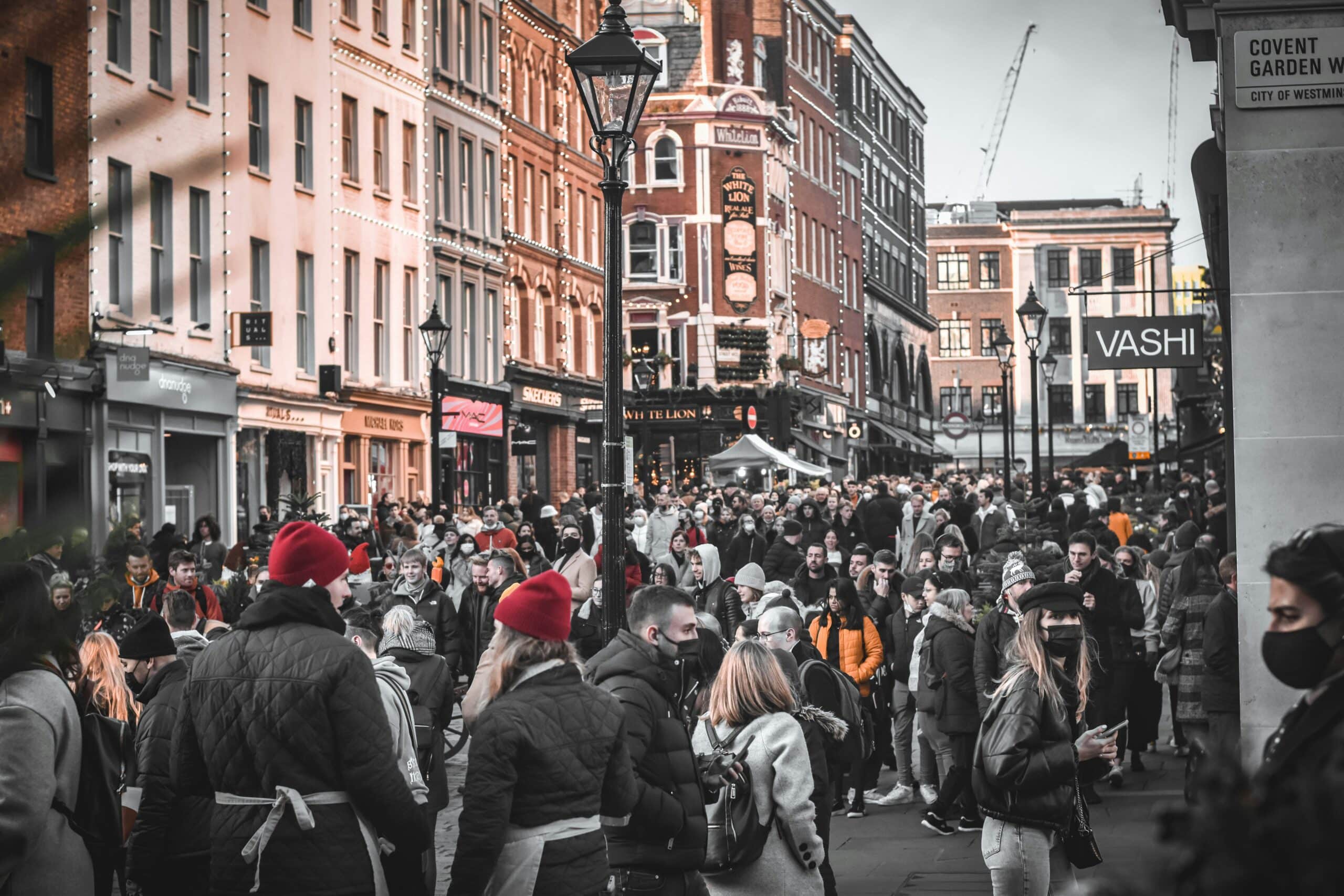
One of the biggest mistakes travelers make is assuming summer is automatically the best time to visit. While it offers the most predictable weather, it also introduces the most friction.
Another common mistake is underestimating how quickly accommodations and experiences book up during peak season. Waiting too long can limit your options significantly, especially in high-demand areas.
Travelers also tend to overlook how different regions behave seasonally. London, the countryside, and coastal destinations each have their own rhythm, and treating them the same can lead to a less balanced trip.
Finally, trying to cover too much in a short timeframe can quickly turn a well-planned trip into a stressful one. England rewards a slower, more intentional pace.
What Most Travelers Get Wrong About Timing a Trip to England
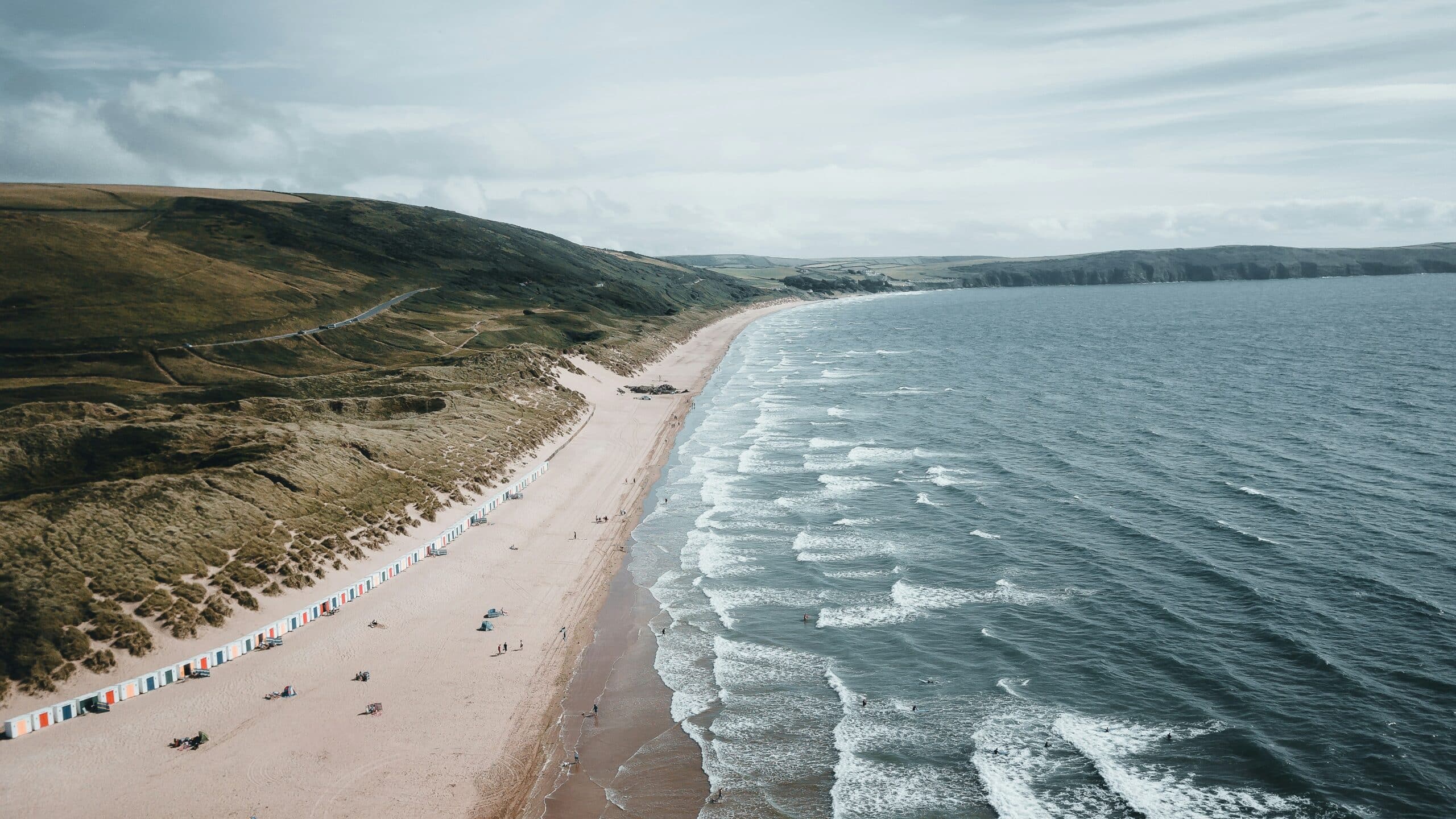
Many travelers assume England’s weather is the most important factor when planning a trip. In reality, crowd levels and pacing have a much bigger impact on the experience.
Summer often looks ideal, but it introduces constraints—longer waits, busier streets, and tighter schedules. Spring and fall, while slightly less predictable, often deliver a smoother and more enjoyable trip.
Another misconception is that England is easy to cover quickly because of its size. In practice, travel times, logistics, and the density of experiences require more planning than expected.
The travelers who enjoy England the most aren’t the ones who try to see everything. They’re the ones who choose the right timing and allow the experience to unfold naturally.
When Should You Visit England?
If you want the best overall balance, late May and mid-September stand out.
If you prefer energy, long days, and a lively atmosphere, summer can still work—just go in prepared.
If your goal is a smoother, more relaxed experience, spring and fall are consistently stronger.
And if you’re drawn to culture, atmosphere, and a slower pace, winter offers a completely different but rewarding perspective.
The best time to visit England isn’t one-size-fits-all. It’s the time that aligns with how you want to experience it.
FAQ: Best Time to Visit England
What is the best month to visit England?
May, June, and September offer the best balance of weather, crowds, and overall experience.
Is summer a good time to visit England?
Yes, but it is also the busiest and most expensive time to travel.
When is England least crowded?
Late fall and winter tend to have the fewest crowds, especially outside major cities.
Does it rain a lot in England?
Rain is possible year-round, but it is usually light and intermittent rather than constant.
Is England worth visiting in the fall?
Yes, fall is one of the best times to visit England. Fewer crowds, comfortable temperatures, and beautiful countryside make it ideal for a balanced trip.
What is the cheapest time to visit England?
Winter and early spring typically offer the lowest prices, especially outside major holidays.
How many days do you need in England?
Most travelers need at least 7–10 days to experience London and one or two additional regions without rushing.
When is England busiest?
June through August is the busiest period, especially in London and major tourist destinations.