
Why Do Americans Stand Out in Europe?
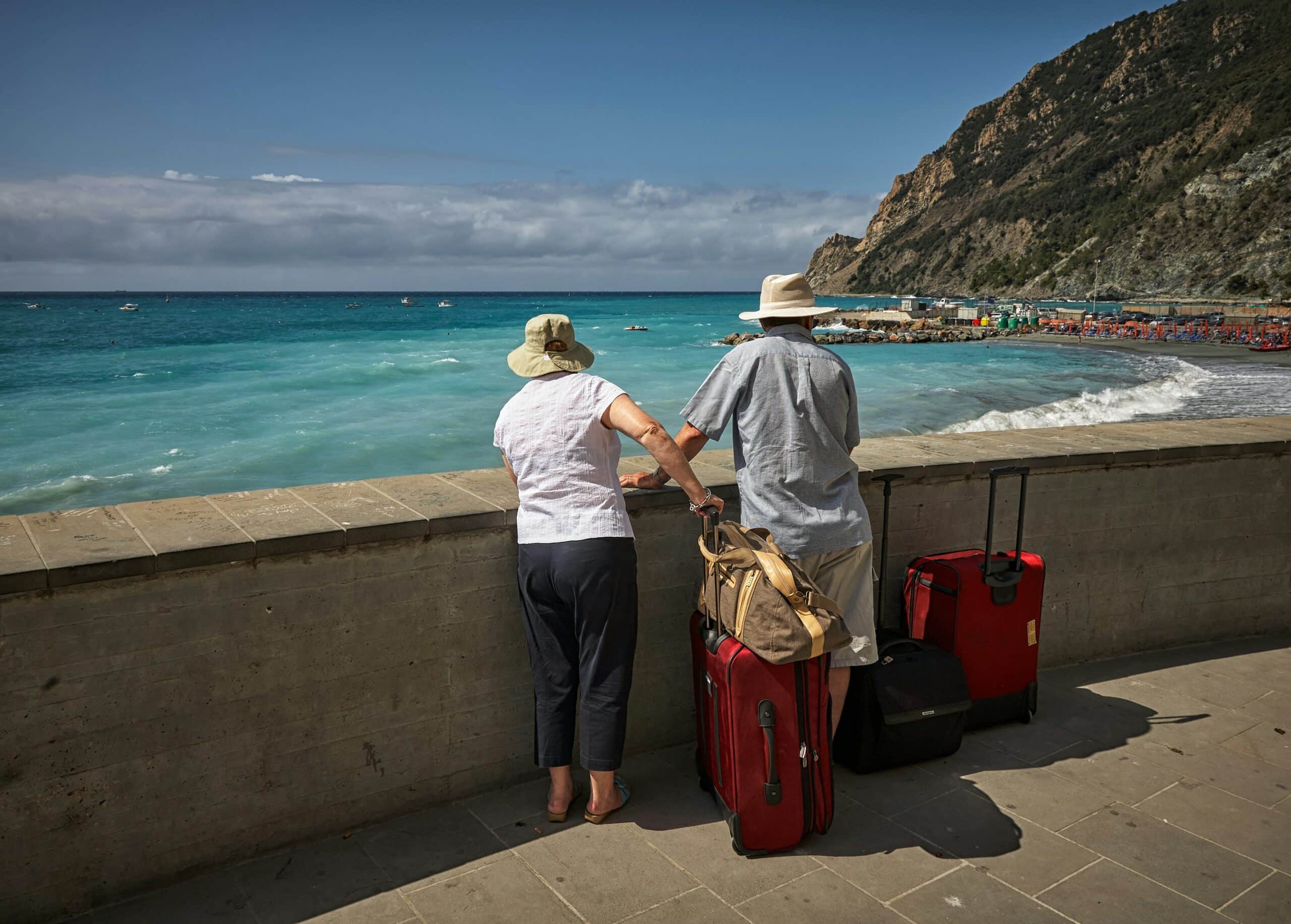
The difference starts before you even choose an outfit. It starts with how clothing functions in daily life.
In the United States, comfort and convenience dominate. Athleisure is everywhere. Gym clothes are socially acceptable at the grocery store, the coffee shop, the airport, dinner with friends. Oversized hoodies, basketball shorts, running shoes, and baseball caps occupy a broad middle ground of American casualness that doesn’t require much thought. We move through our days by car, prioritizing ease over appearance, and our clothing reflects that.
In much of Europe, casual still exists—but casual doesn’t mean careless.
People walk more. They move through public spaces more often. They take trains, navigate stairs, sit in cafés for hours, and transition seamlessly from daytime errands to evening aperitivo without going home to change. Clothing adapts to that reality. A simple black coat, dark jeans, clean sneakers, and a wool scarf might not sound remarkable—but together, they create a kind of unspoken polish that feels native to the environment.
It’s not about formality. It’s about fit, context, and restraint.
The Walking Factor Changes Everything

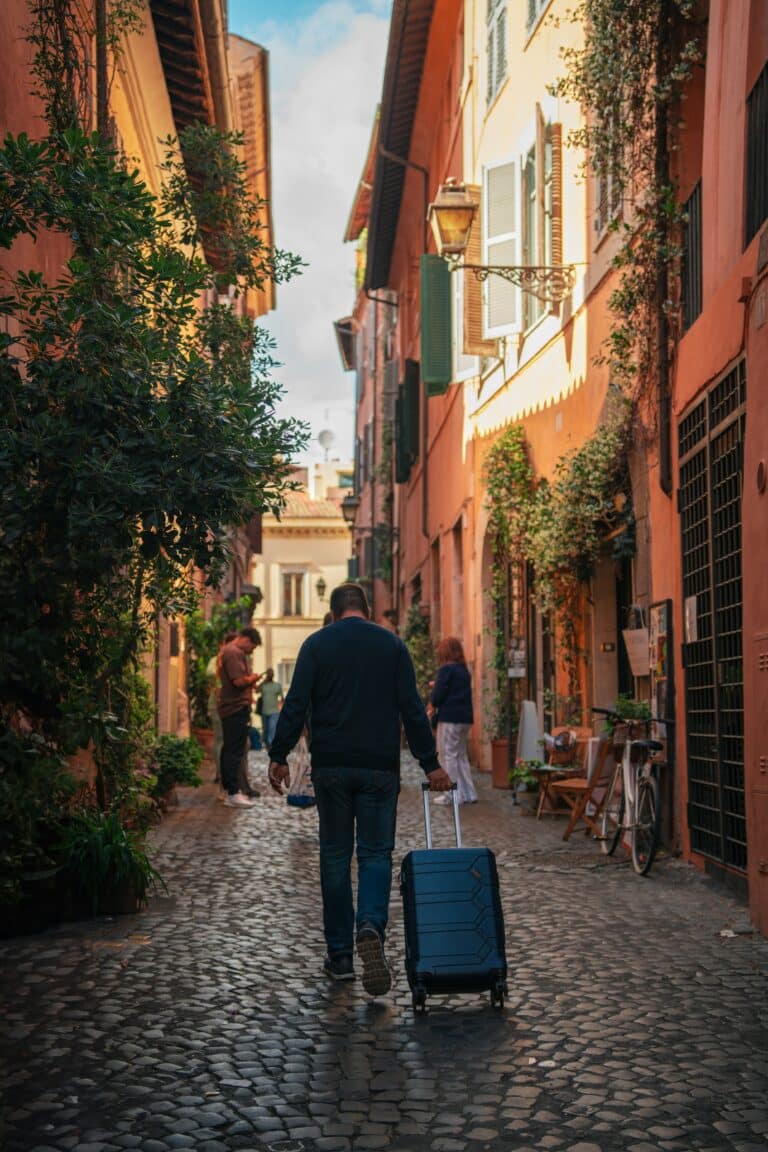
One thing American travelers consistently underestimate is how much walking European travel involves. You’re not hopping in a car between destinations. You’re moving through train stations with uneven platforms, climbing narrow staircases in centuries-old buildings, navigating cobblestone streets that punish bad shoes, standing in museum queues, sitting through long meals, and wandering neighborhoods where the architecture itself demands a slower pace.
The clothing that works for suburban American errands—where you move from car to store and back—doesn’t always translate well to a day spent entirely on foot in Rome or Vienna. Europeans have adapted to this reality for generations. Travelers often haven’t.
That’s why you see locals in cities like Lyon or Copenhagen wearing simple, durable clothing that works for 12-hour days without looking sloppy. It’s not about impressing anyone. It’s about moving comfortably through a place that requires endurance.
Do Europeans Really Dress More Formally?
Not exactly—but the myth persists because travelers misread what they’re seeing.
Most Europeans aren’t walking around in tailored blazers and designer handbags on a random Tuesday. They’re wearing jeans. Sneakers. T-shirts. Casual clothing exists everywhere.
The difference is in the details:
- Fewer logos and graphics
- More neutral, muted color palettes
- Better-fitting clothing
- Simpler layering without visual noise
- Cleaner, more intentional footwear
- Athletic wear mostly reserved for actual athletic activity
You don’t need expensive brands to achieve this. In fact, flashy luxury logos can make tourists stand out even more. A plain sweater that fits well, dark jeans, and minimal leather sneakers will almost always look more natural in a European city than head-to-toe branded athleisure.
The overall aesthetic leans understated rather than loud. Quiet rather than performative. Practical rather than trend-driven.
That restraint is what reads as “dressed up” to American eyes—but it’s really just a different baseline for casual.
What Clothes Should You Pack for Europe?
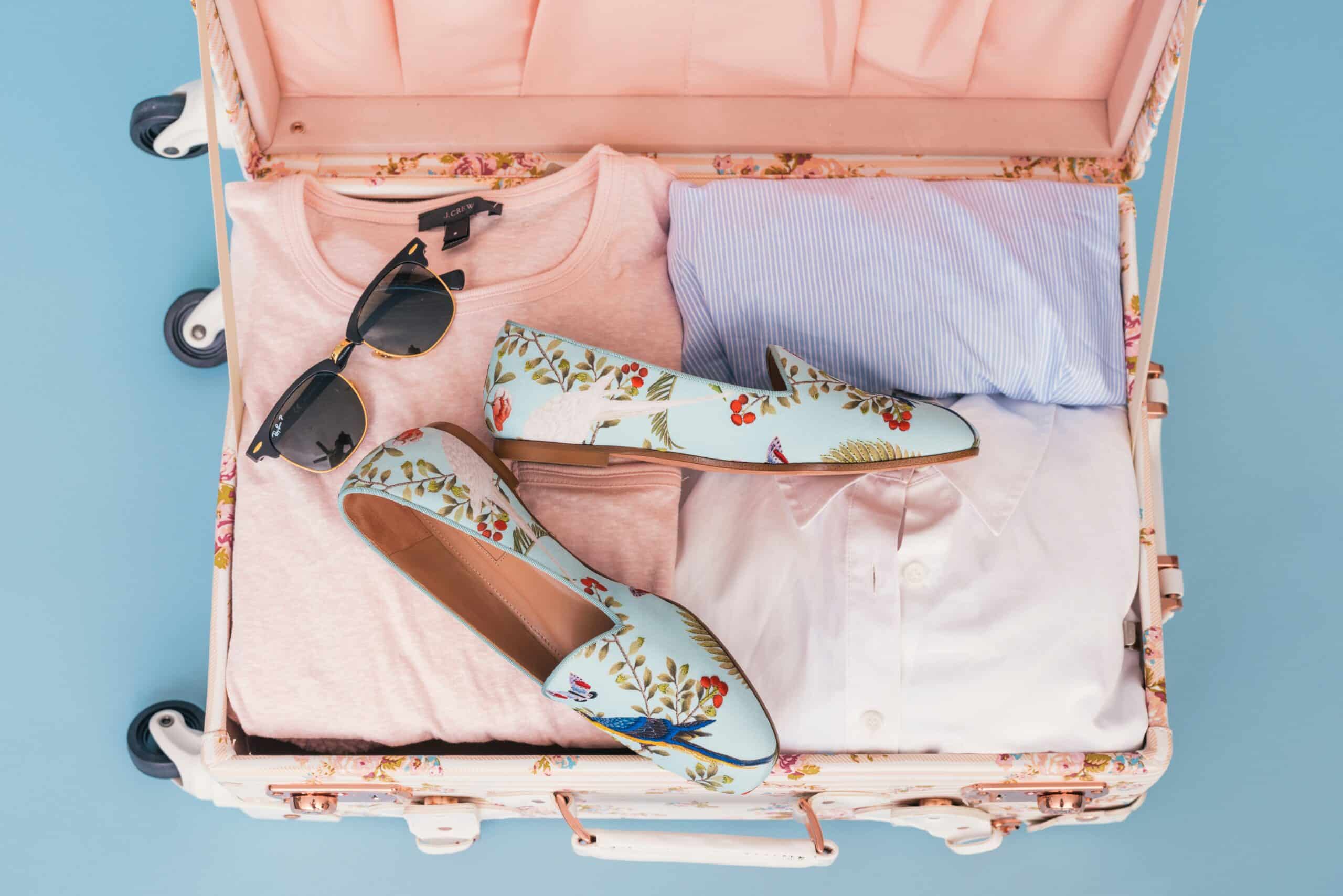
Packing for Europe becomes dramatically easier when you stop thinking in outfits and start thinking in systems.
Most travelers pack a different outfit for every day, which leads to overstuffed suitcases, decision fatigue, and clothing that doesn’t actually work together. A better approach: build a small, flexible wardrobe where everything layers and repeats without looking repetitive.
Packing for Europe? For a more complete packing breakdown, read Mastering European Travel Packing before finalizing your suitcase.
Neutral Layers Work Best

Neutral colors—black, navy, charcoal, olive, beige, cream, soft gray—form the backbone of European street style for a reason. They’re practical. They hide travel wear. They layer endlessly. They photograph well. And they blend into the muted palettes of European architecture in a way that neon athletic wear simply doesn’t.
This doesn’t mean you can’t bring color. But your foundational pieces should be neutral enough to remix throughout your trip.
Layering matters more than bulk, especially if you’re moving between cities or traveling during shoulder seasons. A lightweight merino sweater, a breathable button-down, a versatile jacket, and a good scarf will serve you better than one heavy coat that only works in one temperature range.
Spring mornings in Paris can feel surprisingly cold. By 2 PM, you’re warm. By evening, you need layers again. European weather is moody. Your clothing should be adaptable
Choose Comfortable Walking Shoes That Don’t Scream Tourist
Footwear will make or break your trip. Full stop.
You’ll walk miles every day—often without realizing it. Train stations. Museums. Cobblestones. Uneven streets. Hills in Lisbon. Stairs in Prague. Your feet will be tested in ways a typical American day doesn’t require.
The best shoes for Europe are:
- Comfortable and broken in
- Supportive for long days on foot
- Versatile enough for both sightseeing and dinner
- Clean and intentional-looking rather than purely athletic
Clean white sneakers, minimal leather sneakers, supportive ankle boots, loafers, or sleek walking shoes often work beautifully. What tends to stand out most: bulky running shoes with thick soles, bright colors, and aggressive treads paired with every single outfit.
No one expects you to suffer through cobblestones in uncomfortable fashion shoes. But many travelers find that European-style walking shoes—sleek, minimal, comfortable—strike the perfect balance between function and form.
In cities like Lisbon or Lyon, where steep hills and uneven surfaces are part of daily life, your shoes become the single most important item you pack.
Footwear will make or break your trip. Full stop.
European cities weren’t designed around cars. They were built for walking, often centuries before modern footwear existed. A single day can mean train stations, museums, cobblestones, uneven streets, hills in Lisbon, stairs in Prague, and long dinners after hours on your feet.
The best shoes for Europe are:
- Comfortable and already broken in
- Supportive enough for long walking days
- Clean and intentional-looking rather than purely athletic
- Versatile enough for sightseeing, dinner, churches, and museums
Clean white sneakers, minimal leather sneakers, supportive ankle boots, loafers, or sleek walking shoes often work beautifully. What tends to stand out most are bulky running shoes with thick soles, bright colors, and aggressive treads paired with every single outfit.
No one expects you to suffer through cobblestones in uncomfortable fashion shoes. But many travelers find that European-style walking shoes — sleek, minimal, and comfortable — strike the right balance between function and form.
A Word About Flip-Flops
Flip-flops have their place on European beaches, by hotel pools, and in casual resort areas. They are not a good choice for city sightseeing, and they can become a problem at churches, religious sites, and some major cultural attractions.
Many churches throughout Europe expect visitors to dress respectfully, and overly casual beachwear, including flip-flops, may keep you from being allowed inside. Even when they are technically permitted, flip-flops rarely work well on cobblestones, marble floors, long museum corridors, or crowded city streets.
Save them for the beach portion of your trip. For city days, choose supportive sandals, clean sneakers, or closed-toe shoes that can handle hours of walking.
The Biggest Shoe Mistake
Bringing brand-new shoes.
Europe is not the place to break in footwear. If your shoes aren’t already comfortable for eight or more hours of walking, leave them home. Blisters will ruin your trip faster than almost anything else you pack.

Skip the Gym Clothes Outside the Gym
Athletic wear is practical for flights, hikes, and actual workouts. But wearing full gym kits—leggings, performance tees, running shoes—everywhere in European cities is one of the fastest ways to visually announce “tourist,” especially in places like Milan, Paris, or Vienna.
That doesn’t mean leggings are forbidden. Context matters.
Leggings styled with a long sweater, a structured jacket, and clean sneakers can look perfectly appropriate. But head-to-toe athleisure in a restaurant, museum, or evening setting tends to feel out of sync with the environment.
The same goes for:
- Basketball shorts and oversized jerseys
- Bright performance fabrics designed for marathons
- Clothing covered in college logos or sports team branding
- Oversized hoodies as everyday outerwear
Simple, understated clothing reads more naturally in most European contexts. Save the athletic gear for when you’re actually being athletic.
The Baseball Cap Question
Baseball caps are deeply woven into American casual culture. They are practical for bad hair days, sun protection, and showing team loyalty. There is nothing inherently wrong with wearing one while traveling, especially during long outdoor sightseeing days.
But travelers should know that baseball caps make them instantly recognizable as tourists in many European cities, especially when worn backward. Europeans do wear caps, but not with the same frequency or casualness that Americans do. In many urban settings, they are more closely associated with sports, errands, or casual weekends than polished everyday city style.
The bigger issue is etiquette. Hats should come off indoors, especially in restaurants, churches, museums, and other formal or sacred spaces. Even when no one says anything, keeping a hat on inside can read as careless or disrespectful. If you bring a baseball cap, use it outdoors when it serves a purpose, then remove it when you step inside.
Bring One Slightly Elevated Outfit
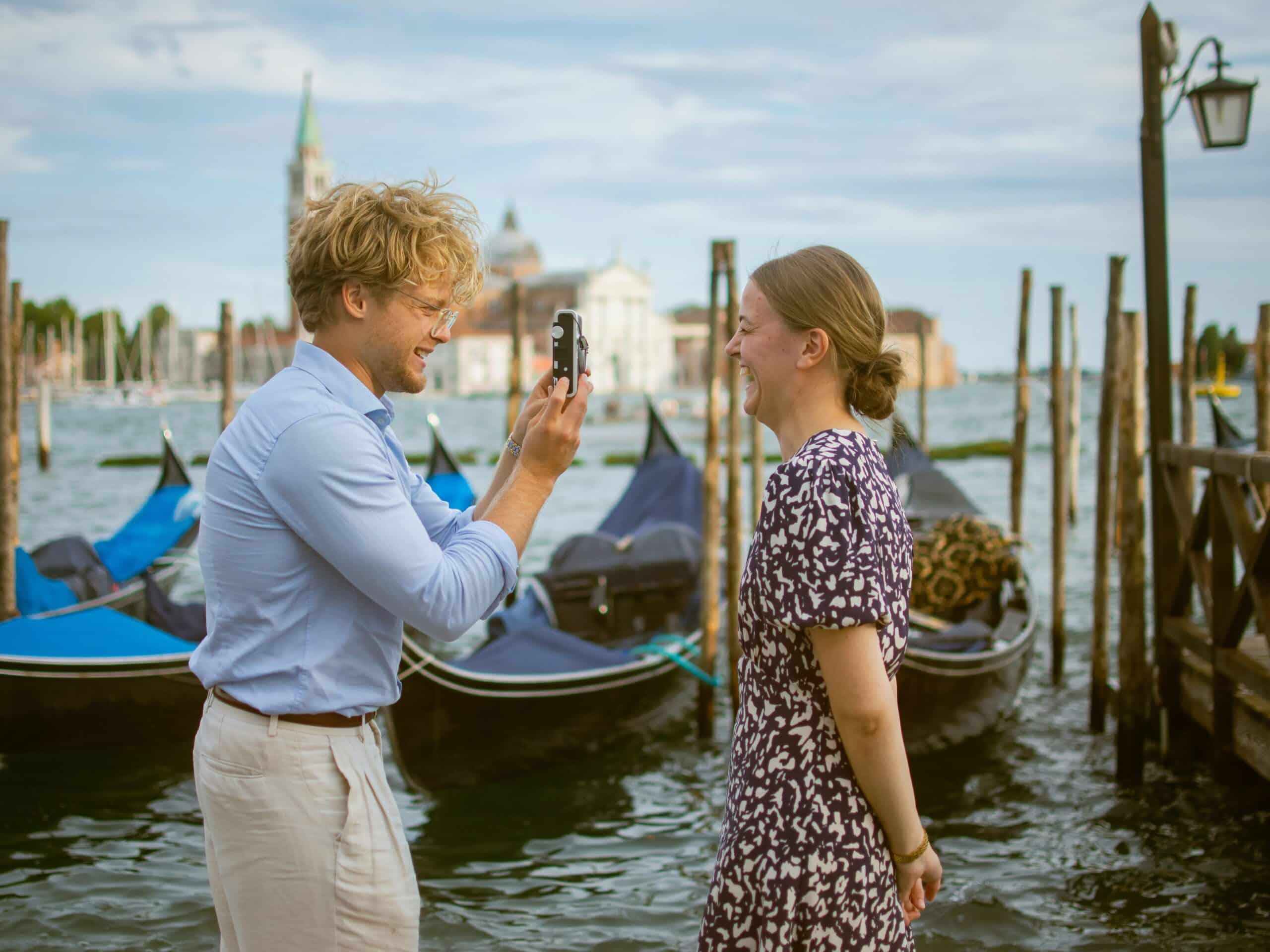
Europeans often shift gears in the evening. Dinners last longer. Rooftop bars feel more intentional. Theater, wine bars, and even casual bistros carry a subtle expectation that you’ve thought about what you’re wearing.
You don’t need formalwear. You don’t need heels or a suit. But having one polished outfit can make you feel significantly more comfortable in certain settings—and help you access experiences that might otherwise feel awkward in hiking pants and trail runners.
For men:
- Dark jeans or chinos
- A clean button-down or elevated sweater
- Leather shoes or minimal boots
For women:
- A simple, versatile dress
- Tailored trousers with a blouse
- Stylish flats, loafers, or low boots
Many travelers are surprised by how often they reach for this outfit. After days of sightseeing in casual layers, there’s something deeply satisfying about sitting down to a long dinner in clothing that feels intentional.
What Instantly Makes Tourists Stand Out?
Most tourists do not stand out because of one single item. They stand out because several small choices add up: bulky backpacks in city restaurants, athletic shoes with every outfit, baseball caps worn backward, flip-flops in places that call for more respectful dress, or clothing covered in loud logos.
But clothing is only part of the picture. Behavior matters just as much.
In many European cafés, trains, museums, and restaurants, the atmosphere is quieter and more measured. Conversations are softer. Meals last longer. People linger instead of rushing. Travelers who observe before reacting, lower their volume, and move through public spaces with awareness often blend in more naturally.
The real goal is not to erase yourself. It is to match the rhythm of the place you are visiting.
Want to understand more than what to wear? Clothing is only one part of adjusting to the rhythm of European travel. For more cultural differences travelers often notice, read 11 Things That Shock Americans in Europe.
Does Style Change Across Europe?
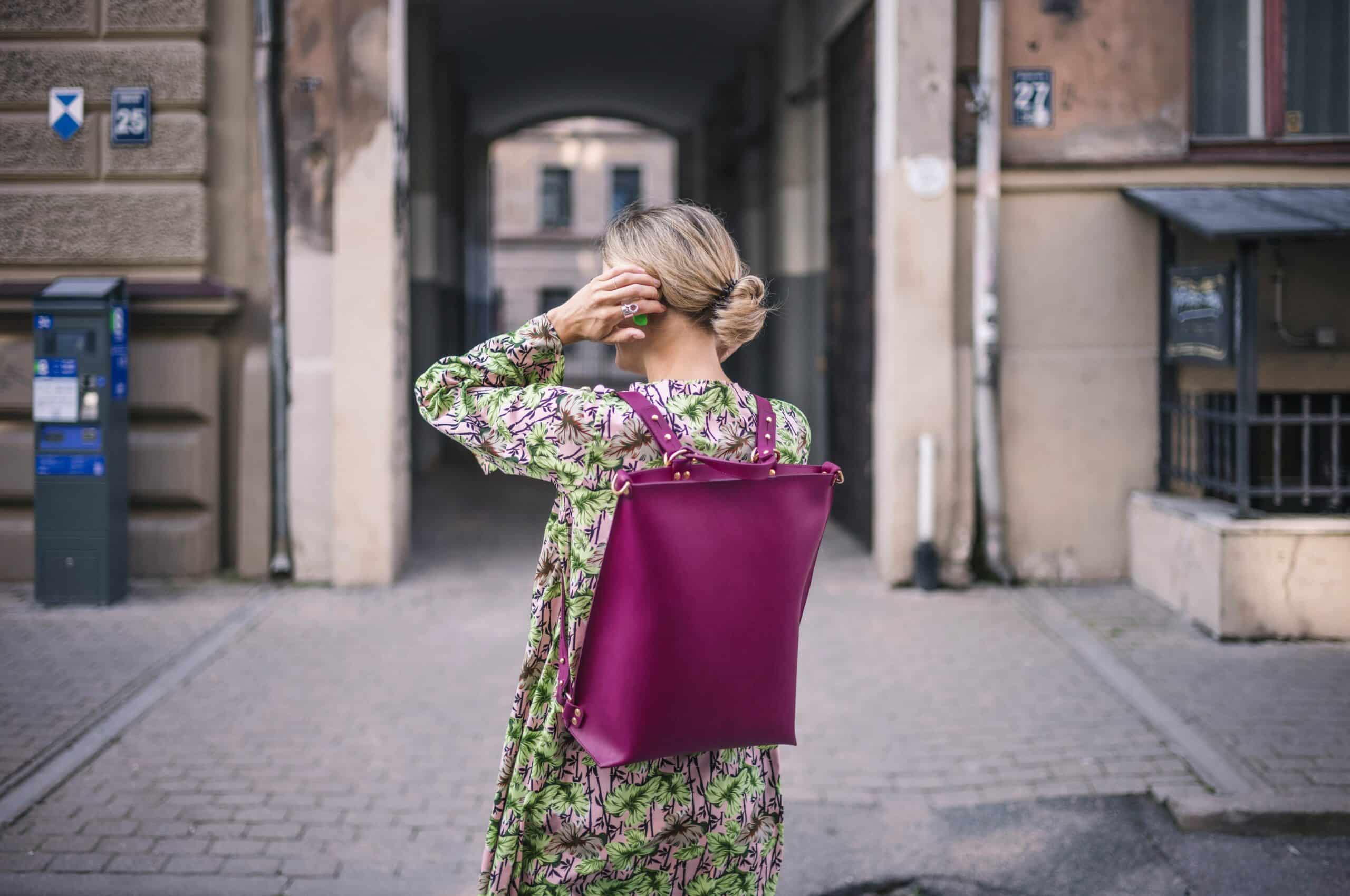
Absolutely. Europe isn’t a monolith, and style varies dramatically by region, climate, and culture.
Italy
In cities like Florence, Rome, and especially Milan, polish matters. Tailored pieces, quality shoes, and understated elegance dominate, particularly in the evening. Italians often dress with a kind of effortless intention—nothing over-the-top, but everything considered. Dressing too casually, especially for dinner, can feel out of sync with the environment.
Scandinavia
Stockholm, Copenhagen, and Oslo lean heavily into minimalism and function. Neutral tones, clean lines, layered knitwear, and practical outerwear define the aesthetic. The style is less about ornamentation and more about quality, durability, and simplicity. Flashy logos or overly trendy pieces tend to feel out of place.
France
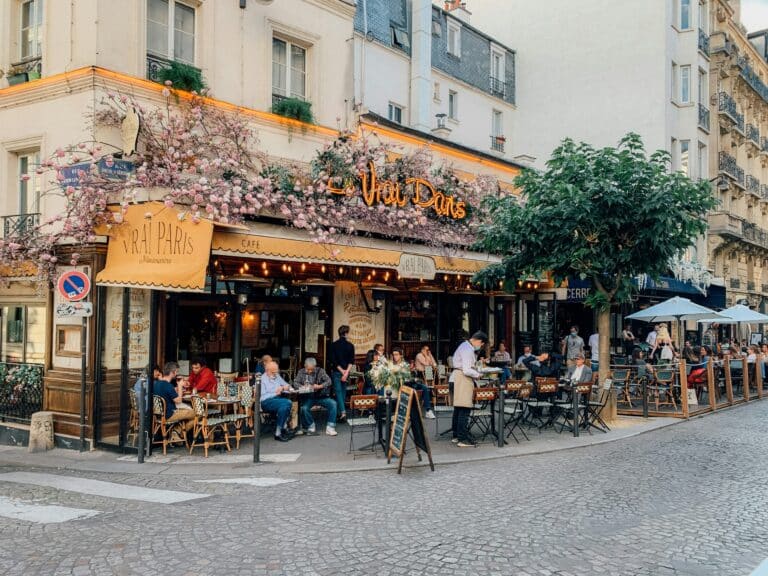
French style, especially in Paris, favors restraint over excess. The goal isn’t to impress; it’s to avoid looking like you’re trying too hard. Effortless basics, well-fitted denim, classic coats, and minimal accessories create a kind of intentional ease.
Central Europe
Cities like Vienna, Budapest, and Prague require serious layering during winter. Practicality becomes paramount when temperatures drop and weather turns unpredictable. Quality outerwear, scarves, gloves, and boots aren’t just stylish—they’re essential.
Understanding these regional differences doesn’t mean you need separate wardrobes for each destination. But it does mean paying attention to where you are and adjusting accordingly.
What Should Women Wear in Europe?

Women traveling in Europe often face an avalanche of conflicting online advice—much of it focused on achieving some idealized “European wardrobe” that exists more in Instagram aesthetics than real life.
The truth is simpler: comfort and confidence matter more than chasing trends.
Versatile Staples That Actually Work
- Comfortable dresses that layer and transition from day to evening
- Dark jeans or tailored trousers in neutral tones
- Layering tops, such as tees, blouses, and lightweight knits
- A quality lightweight sweater or cardigan
- Comfortable sneakers or ankle boots you can walk in for hours
- A crossbody bag that keeps your hands free and doesn’t scream “tourist”
A scarf is surprisingly practical—not just for style, but for unpredictable weather, chilly evening trains, air-conditioned museums, and churches that require covered shoulders.
The key is versatility. Packing fewer, better-coordinated pieces creates a more effortless travel experience than overpacking trendy outfits you’ll wear once.
What to Avoid
- Overly revealing clothing in cities; save beachwear for the beach
- Full athleisure outfits in restaurants and cultural sites
- Uncomfortable shoes you think look good but haven’t worn for more than an hour
- Flip-flops for city sightseeing, churches, and major cultural sites
- Overpacking “just in case” outfits that add weight without adding value
What Should Men Wear in Europe?

For men, the shift is often simpler than expected. Small upgrades make a significant difference.
Instead of:
- Oversized graphic T-shirts
- Basketball shorts
- Bulky running shoes with every outfit
- Cargo shorts in urban settings
- Baseball caps as all-day everyday accessories
Consider:
- Dark jeans or chinos in versatile neutrals
- Well-fitted T-shirts or polos without loud graphics
- A neutral sweater or casual button-down
- Clean sneakers, leather shoes, or boots
European menswear tends to lean classic rather than flashy. Simplicity and fit matter more than branding or trends. A well-fitted dark sweater, clean jeans, and minimal sneakers will carry you comfortably through almost any European city without looking out of place.
What Should You Wear in Europe by Season?
Summer
European summers can be surprisingly hot—and air conditioning is far less ubiquitous than in the United States. Restaurants, trains, and even hotels often rely on open windows and fans rather than central cooling.
What works:
- Lightweight, breathable fabrics, such as linen, cotton, and merino blends
- Layers for over-air-conditioned museums and evening temperature drops
- Comfortable walking shoes or supportive sandals suitable for city streets
- Sun protection, such as sunglasses, lightweight scarves, and hats worn outdoors
What to avoid:
- Beachwear in city centers; save it for actual beaches
- Flip-flops in major churches, religious sites, and cultural attractions
- Overly revealing clothing in churches and cultural sites
- Synthetic fabrics that trap heat
Winter
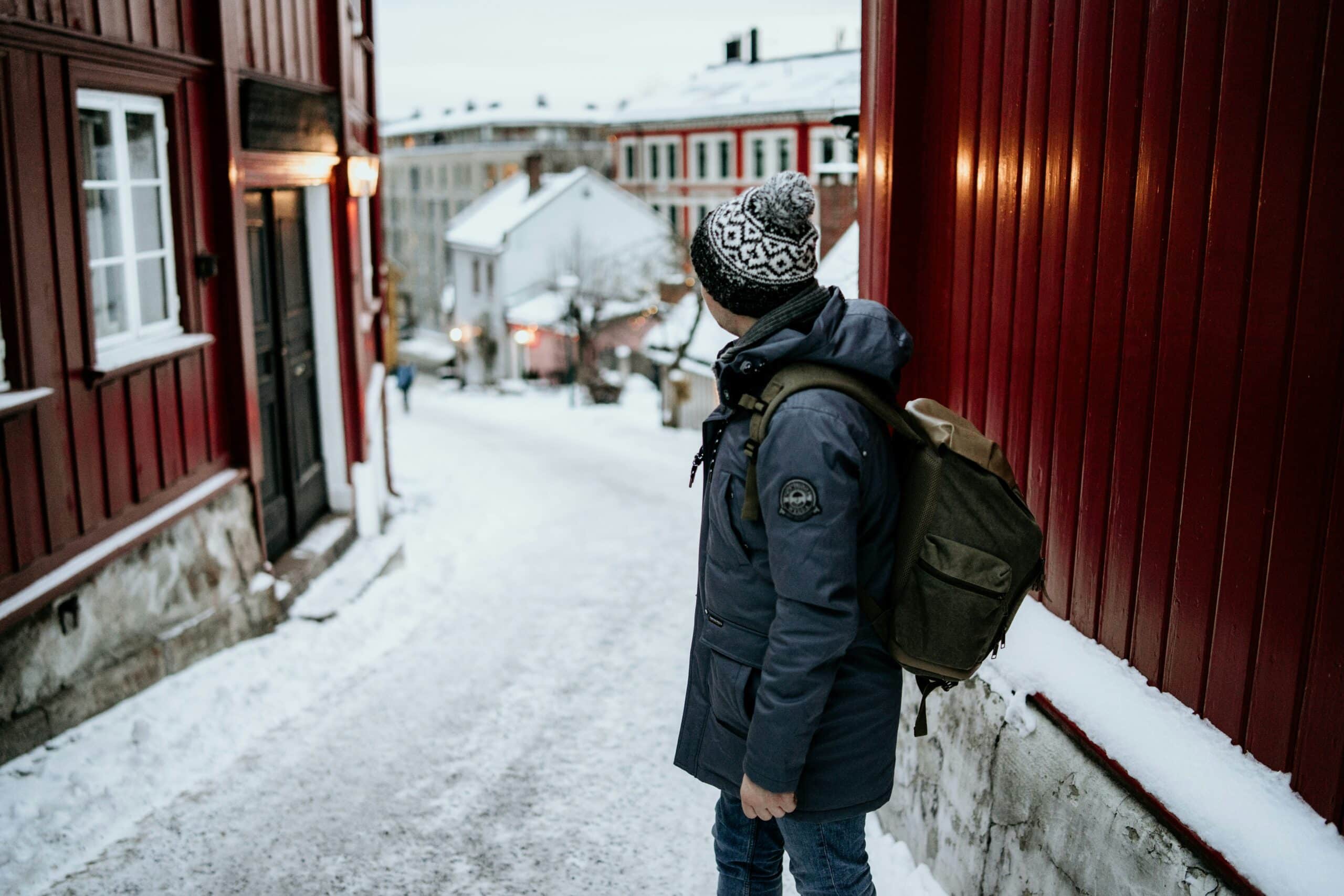
Winter in Europe is no joke, especially in Central and Northern regions. Cities like Prague, Vienna, Munich, and Berlin can become sharply cold, with wind that cuts through inadequate layers.
What works:
- A quality insulated coat, such as down or wool
- Warm base layers
- Waterproof boots with traction
- Scarves, gloves, and hats
- Layers that allow you to adjust to heated indoor spaces
What to avoid:
- Fashion-over-function outerwear that doesn’t actually keep you warm
- Shoes without grip on icy or snowy streets
- Underestimating how cold “cold” actually is
Shoulder Season
Spring and fall are ideal for European travel—fewer crowds, milder weather, beautiful light—but temperatures can fluctuate wildly throughout a single day.
What works:
- A base layer, a sweater, and a light jacket
- Versatile shoes that handle both dry cobblestones and sudden rain
- A packable rain jacket or water-resistant shell
- Scarves and lightweight accessories that add warmth without bulk
What to avoid:
- Packing for only one temperature extreme
- Shoes that can’t handle wet streets
- Bringing too many “just in case” layers instead of truly versatile ones
Dressing for Europe Is Really About Awareness
One of the most persistent misconceptions about European style is that it requires money, designer labels, or some kind of fashion expertise. It doesn’t.
Most Europeans are simply dressing appropriately for their environment—for a lifestyle that involves more walking, more public spaces, more time spent in transit between activities, and a general cultural expectation that appearance reflects a baseline level of intention.
That means:
- Comfortable but thoughtful—not careless
- Practical without looking overly sporty, unless you’re actually doing something athletic
- Simple instead of flashy—quiet confidence over loud branding
- Adaptable instead of excessive—fewer pieces that work harder
You don’t need to “look European” to travel well in Europe. You just need to understand the rhythm of where you are and pack in a way that matches it.
At Guidester, we’ve spent years watching how preparation shapes the travel experience. The travelers who move most comfortably through Europe aren’t the ones with the fanciest gear or the trendiest outfits. They’re the ones who’ve thought about how they’ll actually spend their days—and who’ve packed accordingly.
From understanding cultural expectations to choosing the right destinations, pacing your itinerary, and timing your travel to match your goals, thoughtful planning creates the kind of trip that feels effortless rather than exhausting.
That philosophy extends to everything we do—from curated itineraries to expert guides who understand the difference between seeing a place and actually experiencing it.
FAQ: What to Wear in Europe
Do Europeans really not wear sneakers?
Europeans absolutely wear sneakers—constantly. The difference is that they’re often cleaner, simpler, and more minimal than the chunky athletic running shoes many American tourists default to. Think leather low-tops or streamlined trainers rather than neon performance footwear designed for marathons.
Can I wear leggings in Europe?
Yes. Leggings are common throughout Europe, especially when styled intentionally with layers, tunics, or casual dresses. What tends to stand out more: full gym outfits worn in non-athletic settings like restaurants or museums.
Can I wear a baseball cap in Europe?
Yes, you can wear a baseball cap in Europe, especially outdoors for sun protection. Just know that it may make you stand out as an American tourist, especially if worn backward. Hats should also be removed indoors, particularly in restaurants, churches, museums, and other formal or sacred spaces.
Can I wear flip-flops in Europe?
Flip-flops are fine for beaches, pools, and casual resort areas, but they are not a good choice for city sightseeing, churches, museums, or historic sites. Some churches and major attractions may deny entry if your clothing or footwear is considered too casual. Supportive sandals or clean walking shoes are a better option.
How do I avoid looking like an American tourist?
Focus on versatile basics in neutral colors, well-fitted clothing, clean and intentional footwear, and avoiding logo-heavy or overly athletic outfits. But also: observe local behavior. Move at a slower pace. Linger instead of rushing. Blend in through presence as much as clothing.
Can I wear jeans in Europe?
Absolutely. Dark jeans are a staple throughout Europe and are often considered more versatile and appropriate than athletic wear in most settings. They work for sightseeing, casual dinners, trains, museums—nearly everything.
What should I not wear in Europe?
There are very few strict rules, but certain choices make travelers stand out: oversized athletic clothing in non-athletic settings, loud logos, cargo shorts in upscale areas, bulky backpacks at dinner, flip-flops in city centers or religious sites, baseball caps worn indoors, and brand-new uncomfortable shoes. Beyond that, it’s less about specific items and more about overall context and fit.
Do people dress differently in Italy versus Scandinavia?
Yes—dramatically. Italy, especially Milan and Florence, leans more polished and tailored, with an emphasis on quality and evening elegance. Scandinavian countries favor minimalism, function, and neutral palettes. France prizes restraint and effortless basics. Central Europe prioritizes layering and weather-appropriate practicality. Every region has its own rhythm.