
Quick Answer: How Many Days Do You Need in Europe’s Most Popular Cities?
Use these recommended stays as a starting point for planning your Europe itinerary. Larger cities usually need more time, while smaller cities can often be experienced in one or two days.
| City | Recommended Stay |
|---|---|
| Rome | 4-6 nights |
| Paris | 3-4 nights |
| London | 4-5 nights |
| Florence | 2-3 days |
| Venice | 2 nights |
| Naples | 2-3 days |
| Amsterdam | 2-3 days |
| Prague | 2-3 days |
| Vienna | 2-3 days |
| Budapest | 2-3 days |
| Barcelona | 2-3 days |
| Lisbon | 3-4 days |
| Munich | 2-3 days |
| Aix-en-Provence | 2-3 days |
| Dublin | 2 days |
| Salzburg | 1-2 days |
| Bruges | 1-2 days |
Of course, every traveler is different. A history buff may happily spend a week in Rome. A foodie might linger in Tuscany longer than planned. Someone who loves museums could spend days exploring London’s collections.
Still, these recommendations provide a realistic starting point for most travelers planning a first or second trip to Europe.
How Many Days Do You Need in Europe Overall?
How many days you need in Europe depends heavily on the size of the cities you choose, how far apart they are, and how you personally like to travel. Some travelers want a fast-paced trip with a new city every couple of days. Others would rather slow down, settle in, and feel like they actually experienced a place.
In most cases, I recommend going deep rather than broad. Europe is much more rewarding when you give each destination enough time to unfold. That does not mean you need a week in every city, but it does mean you should be careful about adding stops just because they look close on a map.
As a general rule:
Quick Planning Rule
Use this as a realistic starting point when deciding how many destinations to include in your Europe itinerary.
| Trip Length | Recommended Number of Destinations |
|---|---|
| 7 days | 1-2 destinations |
| 10 days | 2-3 destinations |
| 14 days | 3-4 destinations |
| 21 days | 4-6 destinations |
This pace gives you enough time for the major sights while still leaving room for the moments that make travel memorable: a long dinner, an unexpected neighborhood, a slower morning, or a day that does not feel scheduled down to the minute.
The more often you change cities, the more time you lose to packing, transfers, train stations, airport security, hotel check-ins, and getting oriented all over again. A trip that looks efficient on paper can feel exhausting once you are actually there. For most travelers, fewer destinations and better pacing lead to a much better Europe trip.
The Biggest Mistake Americans Make in Europe

If there’s one mistake I see more than any other, it’s trying to do too much in too little time.
A lot of first-time visitors approach Europe like a checklist. They want to see London, Paris, Amsterdam, Rome, Florence, Venice, and Barcelona in ten days.
Technically, you can do that. You can also spend most of your vacation packing, unpacking, sitting on trains, standing in airport security lines, and checking into hotels.
Europe rewards travelers who slow down. The best memories rarely come from rushing between landmarks. They come from wandering a neighborhood after dinner, lingering in a café, or stumbling across a small square that wasn’t listed in any guidebook.
The travelers who enjoy Europe the most aren’t necessarily the ones who see the most places. They’re usually the ones who give themselves enough time to experience the places they chose.
Related Read: A slower itinerary also makes Europe’s everyday differences easier to enjoy, from later dinners and limited ice to smaller hotel rooms and a more relaxed service style. Read No Ice, No A/C, No Rush: 11 Things That Shock Americans in Europe before you go.
Every Destination Has a Time Cost

This is something many travelers underestimate when planning.
A two-hour train ride isn’t really a two-hour train ride. You have to get to the station. Arrive early. Board the train. Travel. Get from the station to your hotel. Check in. Drop your luggage. Get oriented. What looked like a two-hour transfer on paper can easily consume half a day.
The same applies to flights. Even a short flight between European cities often turns into a half-day commitment once airport transfers, security, and waiting times are factored in. Every destination you add has a time cost. That’s why itinerary pacing matters so much.
Count Nights, Not Days
Another common planning mistake is counting sightseeing days instead of nights. Many travelers say they have “three days in Paris.” What they actually have is two nights and one full day.
A better way to think about your itinerary is this:
Count Nights, Not Days
A better way to think about your itinerary is by nights, since arrival and departure days rarely give you full sightseeing time.
| Nights | Realistic Sightseeing Time |
|---|---|
| 1 night | Very little |
| 2 nights | About 1 full day |
| 3 nights | About 2 full days |
| 4 nights | About 3 full days |
| 5 nights | About 4 full days |
Once you start thinking this way, itinerary decisions become much easier.
How Many Days Do You Need in London?
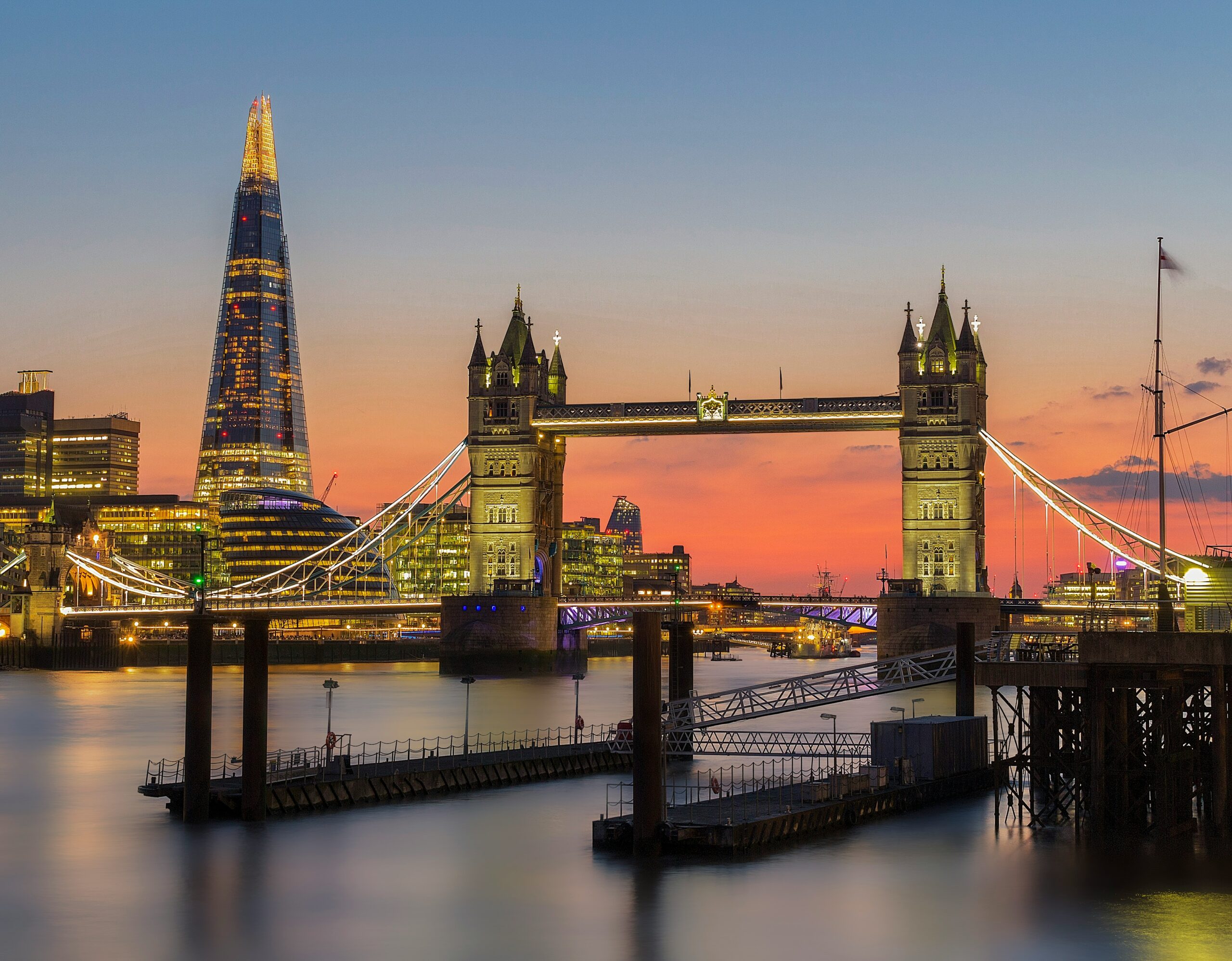
Recommended stay: 4-5 nights
London is one of the few cities in Europe where I almost never hear people say they stayed too long. Most cities have a particular strength. Rome has ancient history. Paris has art and atmosphere. Venice has romance and character. London somehow manages to have a little bit of everything.
World-class museums, royal palaces, historic landmarks, incredible food, beautiful parks, and neighborhoods that feel like entirely different cities all sit within one enormous, layered capital.
What makes London especially interesting is that it feels less like one city and more like dozens of smaller cities stitched together. Westminster, Mayfair, Covent Garden, Notting Hill, and Kensington each have their own personality, which is why London takes more time than people expect.
Four to five nights gives you enough time to experience major highlights like the Tower of London, Westminster Abbey, Buckingham Palace, the British Museum, and St. Paul’s Cathedral without constantly racing from one attraction to the next.
If you have a sixth day, consider adding a day trip to Oxford, Bath, Stonehenge, the Cotswolds, or Highclere Castle. Anything less than four nights starts to feel rushed.

How Many Days Do You Need in Paris?

Recommended stay: 3-4 nights
Paris is one of those cities that looks easy to do quickly. Many travelers arrive with a list of famous landmarks and assume they can see everything in a couple of days, but Paris is at its best when you give yourself a little room to slow down.
Three to four nights is a good balance for most first-time visitors. That gives you enough time for major sights like the Eiffel Tower, the Louvre, Notre-Dame, and Montmartre without feeling like you’re spending the entire trip rushing from one reservation to the next.
What surprises many people is how compact much of central Paris actually is. Once you learn the Metro system, getting around is remarkably easy, and several of the city’s most famous neighborhoods are closer together than they appear on a map.
The mistake many visitors make is focusing entirely on the landmarks. The Eiffel Tower and Louvre deserve their reputation, but some of the best moments in Paris happen between the attractions. Sitting at a café, wandering the Latin Quarter, exploring the side streets of Montmartre, or simply walking along the Seine often becomes just as memorable as the places people came to see.
If Versailles is on your list, consider adding another day. While it’s possible to squeeze it into an already busy itinerary, most travelers appreciate having extra time rather than trying to fit one of France’s most impressive sites into a rushed afternoon.
Related Read: If the Louvre is high on your list, read our Louvre Museum Travel Guide before you go so you can plan your visit without losing half your day to confusion.
How Many Days Do You Need in Aix-en-Provence?

Recommended stay: 2-3 days
Aix-en-Provence is best enjoyed slowly. This is not a city built around a long checklist of major monuments. Its appeal comes from shaded boulevards, market squares, fountains, cafés, elegant architecture, and the relaxed rhythm of Provence.
Two days gives you time to explore the historic center, stroll Cours Mirabeau, visit local markets, enjoy the cafés, and take in the city’s refined Provençal atmosphere. A third day allows room for nearby wine country, lavender routes in season, or a deeper look at the landscapes connected to Paul Cézanne.
Aix is a strong choice for travelers who want a softer pause in the middle of a busy Europe itinerary. It pairs especially well with Provence, Avignon, Marseille, or the hill towns of southern France.
How Many Days Do You Need in Rome?
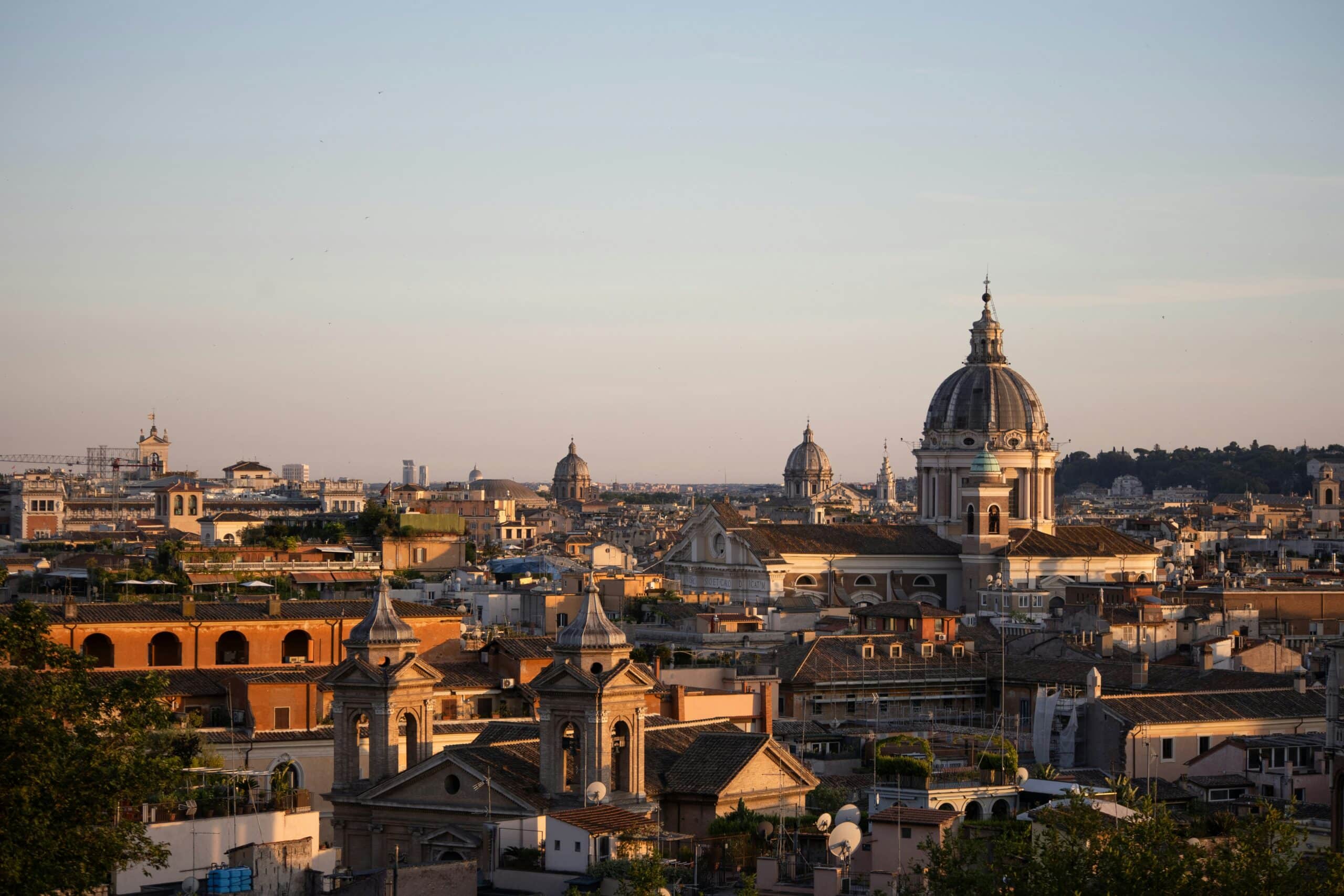
Recommended stay: 4-6 nights
Rome is the city that most travelers underestimate.
Part of the reason is that Rome is really two destinations wrapped into one. There’s the Rome everyone comes to see: the Colosseum, the Vatican, the Pantheon, the Trevi Fountain, and the Spanish Steps. Then there’s the Rome you discover once you have enough time to wander. That’s where you’ll find quiet piazzas, neighborhood restaurants, hidden churches, and side streets that feel a world away from the crowds.
The challenge is that Rome’s major attractions require real time. The Vatican alone can easily consume half a day, while the Colosseum and Roman Forum deserve several hours of their own. Trying to squeeze everything into two or three days often leaves visitors exhausted rather than inspired.
For a first visit, four nights should be considered the minimum. Five or six nights allows you to experience the major landmarks while still leaving room to enjoy the city itself. For many travelers, those slower moments end up being the most memorable part of the trip.
Related Read: If Rome is part of your itinerary, read our Ancient Colosseum & Roman Forum Visitors Guide before you go so you can understand the site beyond the surface and make the most of your time there.
How Many Days Do You Need in Florence?
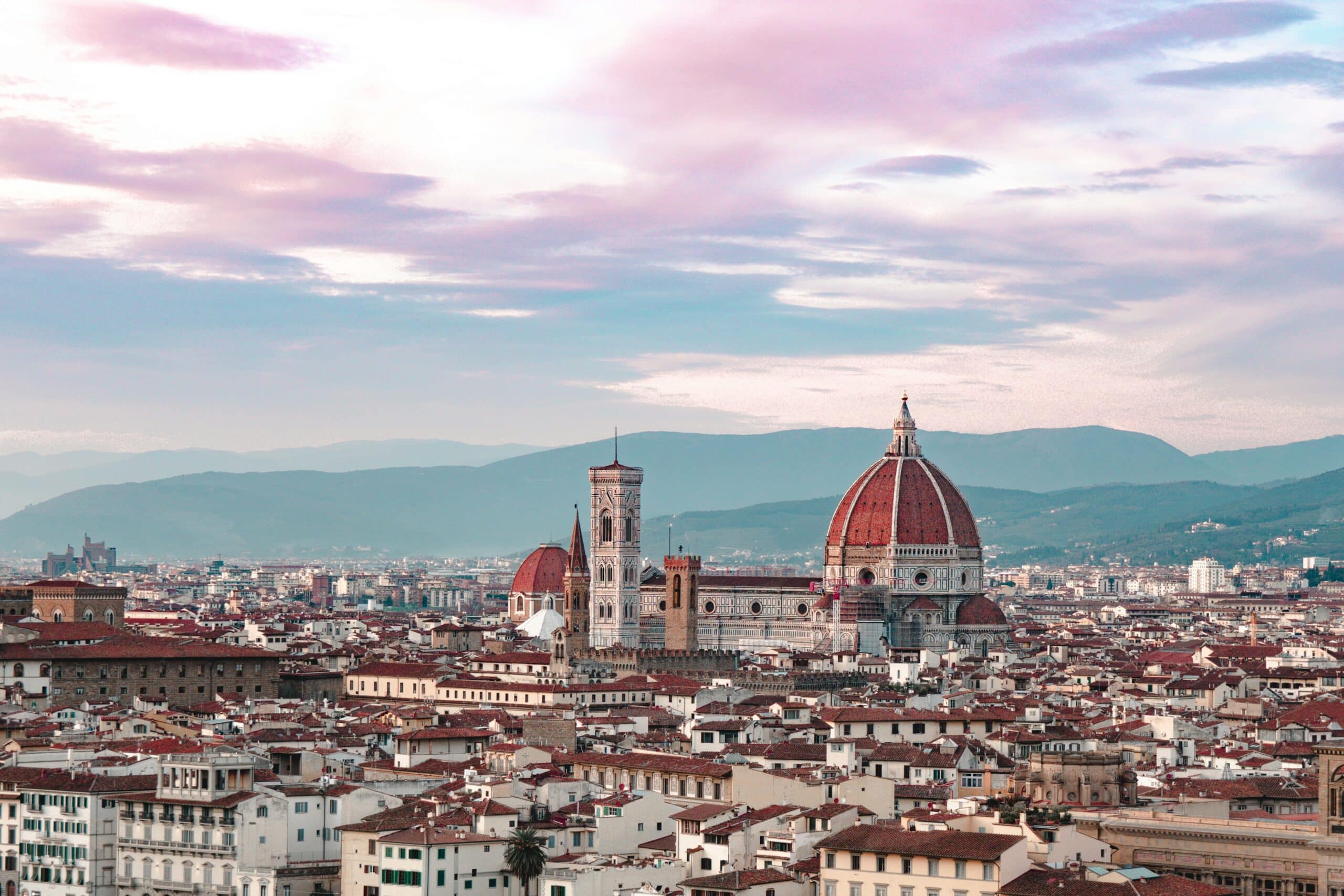
Recommended stay: 2-3 days
Florence is much more compact than Rome, which makes it easier to experience in a shorter amount of time. Two to three days is enough for the Duomo, the Accademia Gallery, the Uffizi Gallery, Ponte Vecchio, and the panoramic views from Piazzale Michelangelo.
While Florence is famous for its Renaissance art and architecture, many travelers find it works best as part of a broader Tuscany experience. One of Jack’s favorite recommendations is using Siena as a base instead. Siena sits closer to many of Tuscany’s hill towns and wine regions, making day trips easier while offering a more traditional Tuscan atmosphere.
Whether you choose Florence or Siena as your home base, two to three days is generally enough to experience Florence’s major highlights without feeling rushed.
How Many Days Do You Need in Venice?
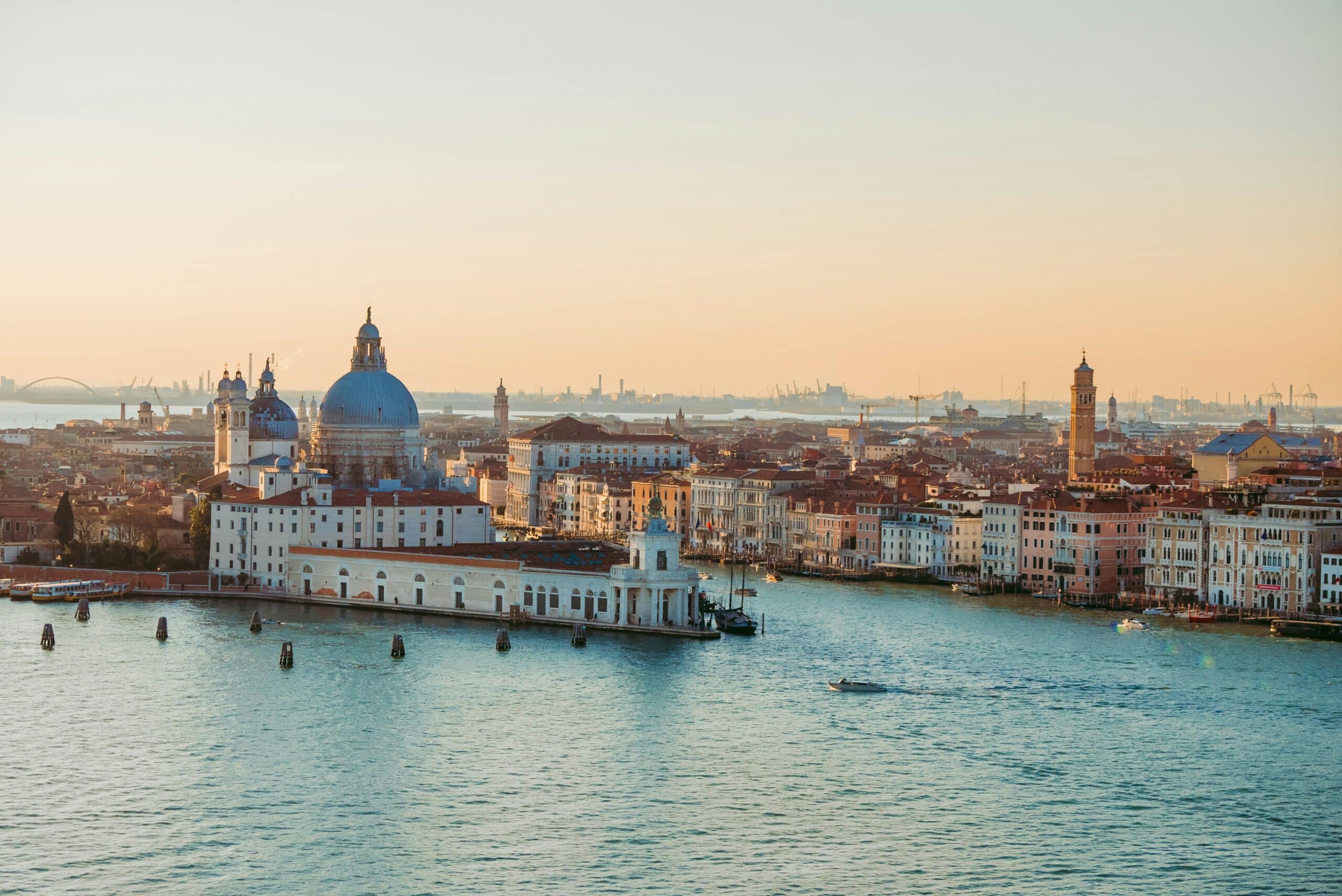
Recommended stay: 2 nights
Few destinations divide opinion quite like Venice. Travelers tend to either fall completely in love with it or wonder what all the fuss is about.
The key is understanding what Venice does best. This isn’t a city built around checking off attractions. It’s a city built around atmosphere. Yes, you’ll want to see St. Mark’s Basilica and Doge’s Palace, but the real charm comes from wandering the canals, crossing small bridges, and getting pleasantly lost among the narrow streets.
Because Venice is relatively compact, two nights is enough for most travelers. One day can be devoted to the major sights, while the second allows you to slow down and enjoy the city at its own pace. If you’d like to visit Murano and Burano, add a third day. Those islands are worth the extra time.
How Many Days Do You Need in Naples?
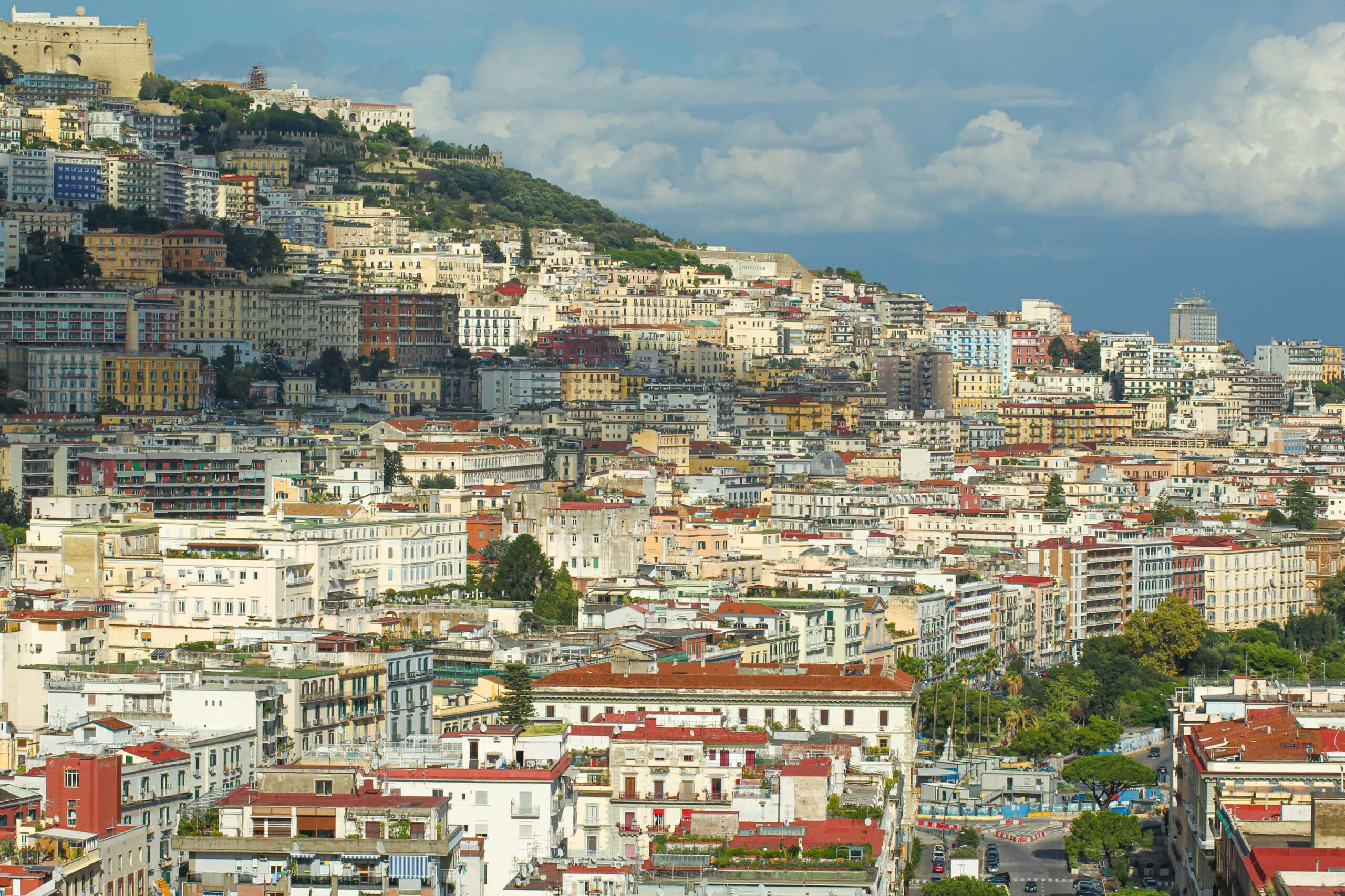
Recommended stay: 2-3 days
Naples is one of Italy’s most intense and rewarding cities, but it is not a place most travelers fully understand in a few rushed hours. It has incredible food, layered history, chaotic street life, underground ruins, grand churches, and a personality that feels completely different from Rome, Florence, or Venice.
Two days gives you enough time to explore the historic center, visit the Naples National Archaeological Museum, walk Spaccanapoli, see the city’s churches and underground sites, and eat some of the best pizza in the world. A third day is ideal if you want to use Naples as a base for Pompeii, Herculaneum, or the Amalfi Coast.
Naples works best for travelers who enjoy cities with grit, energy, and authenticity. It is not polished in the way some Italian destinations are, but that is exactly what makes it memorable.
How Many Days Do You Need in Amsterdam?
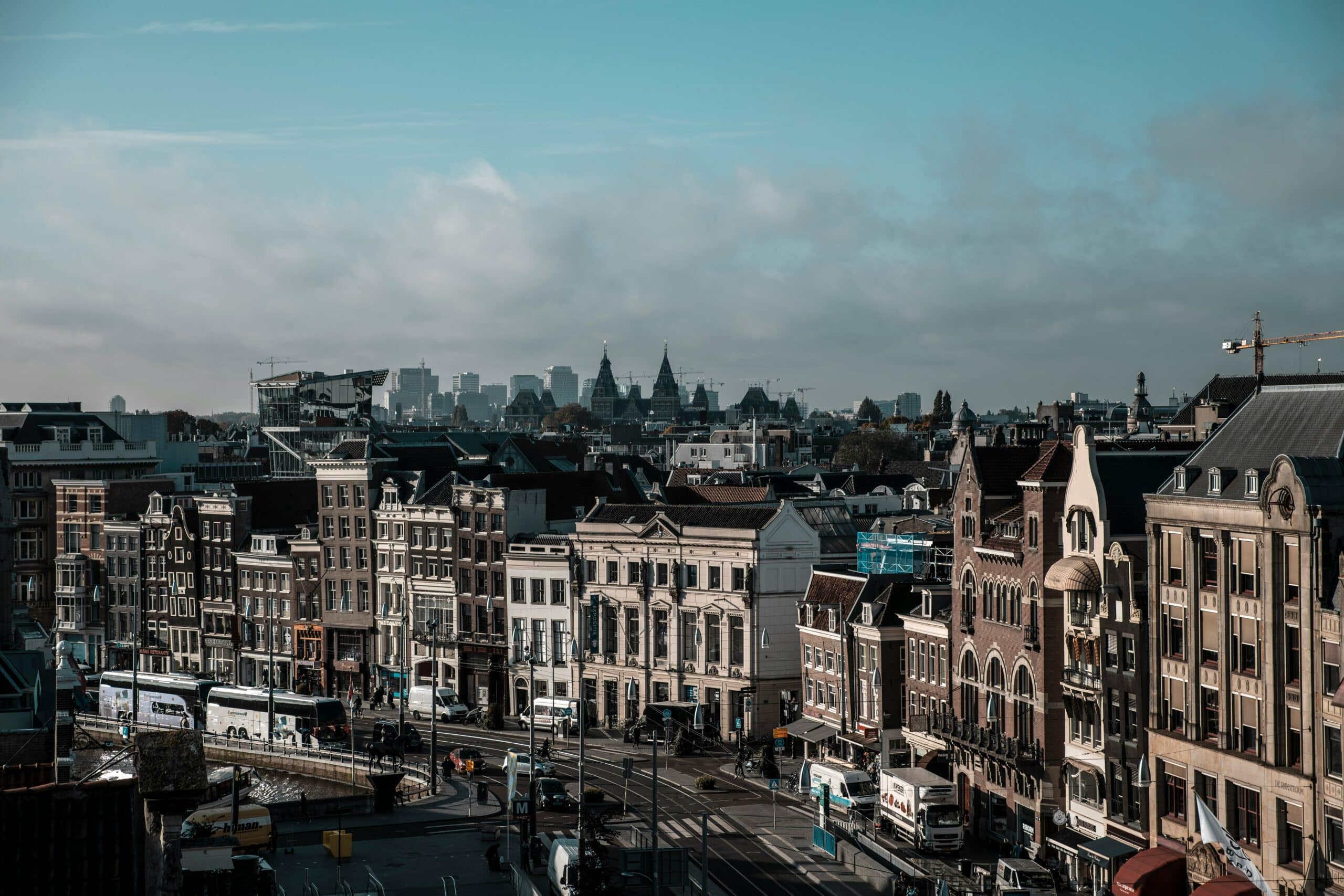
Recommended stay: 2-3 days
Amsterdam is one of the easiest cities in Europe to navigate. Once you understand the canal layout, the city begins to make sense, and many visitors find themselves walking or cycling almost everywhere.
Two days is enough to cover the major attractions, including the Rijksmuseum, the Van Gogh Museum, the Anne Frank House, Dam Square, Vondelpark, and a canal cruise. The city is compact, but it packs an impressive amount of culture into a relatively small area.
A third day gives you room to slow down, explore neighborhoods beyond the center, or take a day trip to places like Haarlem or Zaanse Schans. For most travelers, two to three days strikes the right balance between sightseeing and enjoying the city’s relaxed atmosphere.
Related Read: For a focused short-stay itinerary, read Amsterdam in 48 Hours.
How Many Days Do You Need in Vienna?
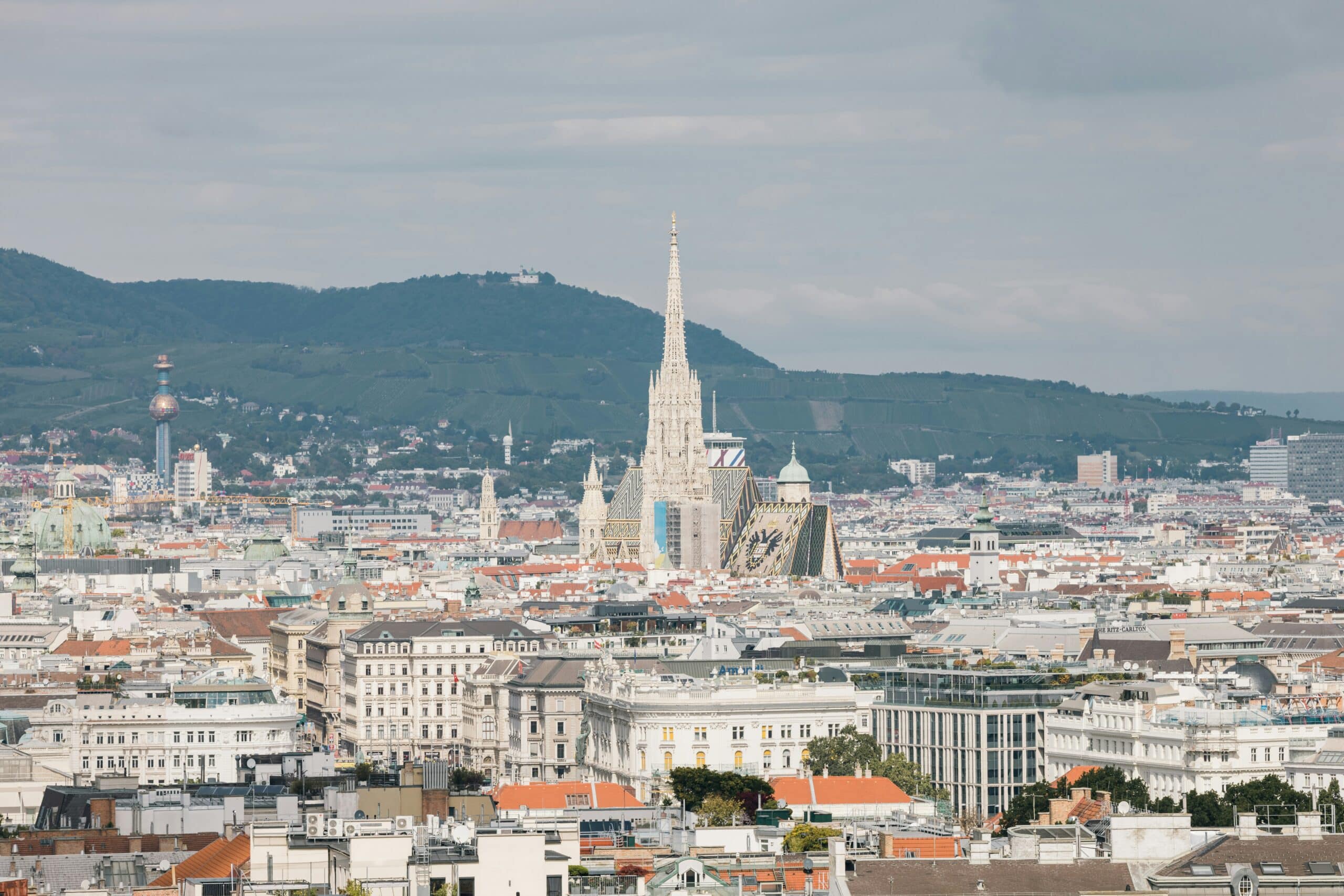
Recommended stay: 2-3 days
Vienna has a reputation for elegance, and it earns it. Imperial palaces, grand boulevards, historic coffeehouses, and world-class museums all contribute to a city that feels both refined and approachable.
Two days is enough to visit many of the major sights, including Schönbrunn Palace, St. Stephen’s Cathedral, and the historic center. Three days feels more comfortable and allows time to experience the slower side of Vienna.
Unlike some cities where visitors feel pressured to constantly move from attraction to attraction, Vienna rewards those who slow down. Spending an hour in a traditional coffeehouse can be just as memorable as touring one of the city’s famous palaces.
How Many Days Do You Need in Budapest?
Recommended stay: 2-3 days
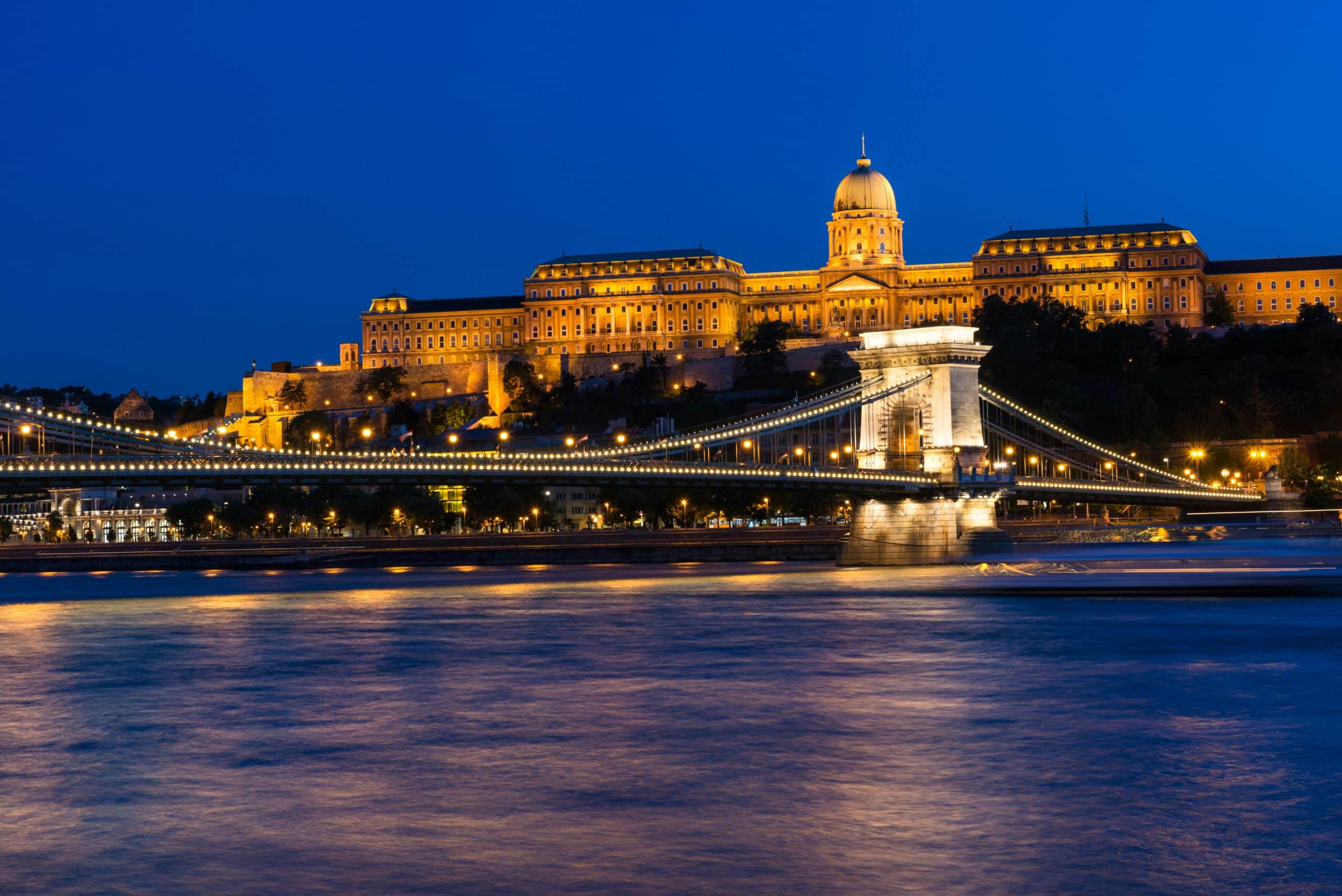
Budapest often ends up being one of the biggest surprises of a European trip. The city combines dramatic architecture, fascinating history, thermal baths, excellent food, and one of the most beautiful riverfront settings on the continent.
It helps to think of Budapest as two cities connected by the Danube. Buda sits on the hills and is home to landmarks like Buda Castle and Fisherman’s Bastion, while Pest is flatter, busier, and home to Parliament, shopping districts, restaurants, and nightlife.
Two days is enough to experience the highlights of both sides of the city. A third day allows time for a Danube cruise, a thermal bath visit, or simply enjoying Budapest at a more relaxed pace.
Related Read: If Budapest is part of your itinerary, read 11 Best Things To Do in Budapest before you go so you can plan your time on both sides of the Danube.
How Many Days Do You Need in Lisbon?
Recommended stay: 3-4 days
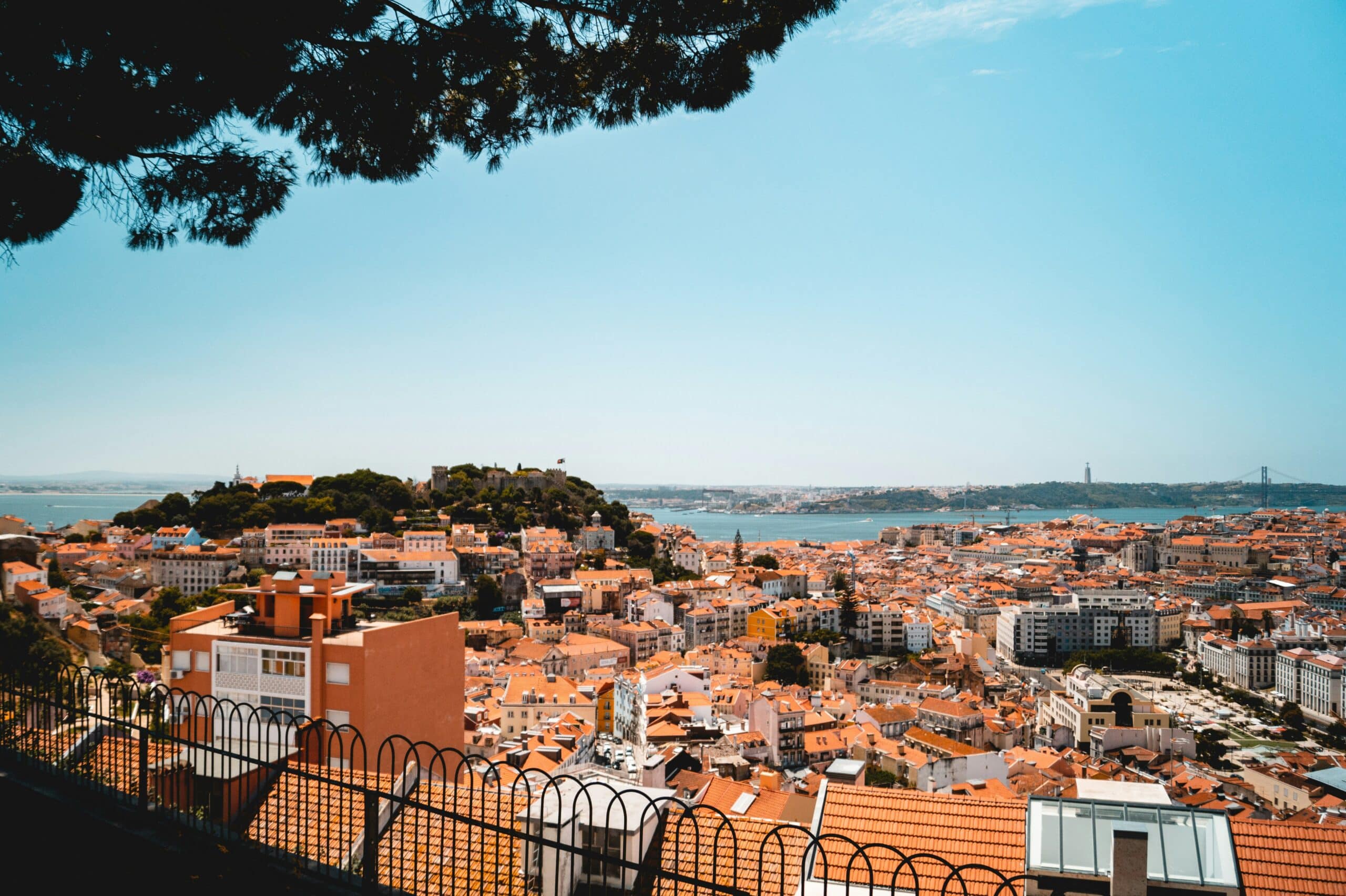
Lisbon deserves more time than many travelers expect. The city is beautiful, affordable compared to many Western European capitals, and full of neighborhoods that each offer a different version of Portugal’s capital.
Three days gives you enough time for Alfama, Baixa, Chiado, Belém, a ride on the historic trams, several viewpoints, and plenty of time for seafood, pastries, and wandering. Four days is even better if you want to add a day trip to Sintra, Cascais, or the coast without sacrificing time in Lisbon itself.
Part of Lisbon’s charm is its pace. The hills slow you down, the viewpoints invite you to linger, and the neighborhoods reward unplanned exploring. Trying to rush through Lisbon in a day or two misses much of what makes the city special.
How Many Days Do You Need in Barcelona?
Recommended stay: 2-3 days
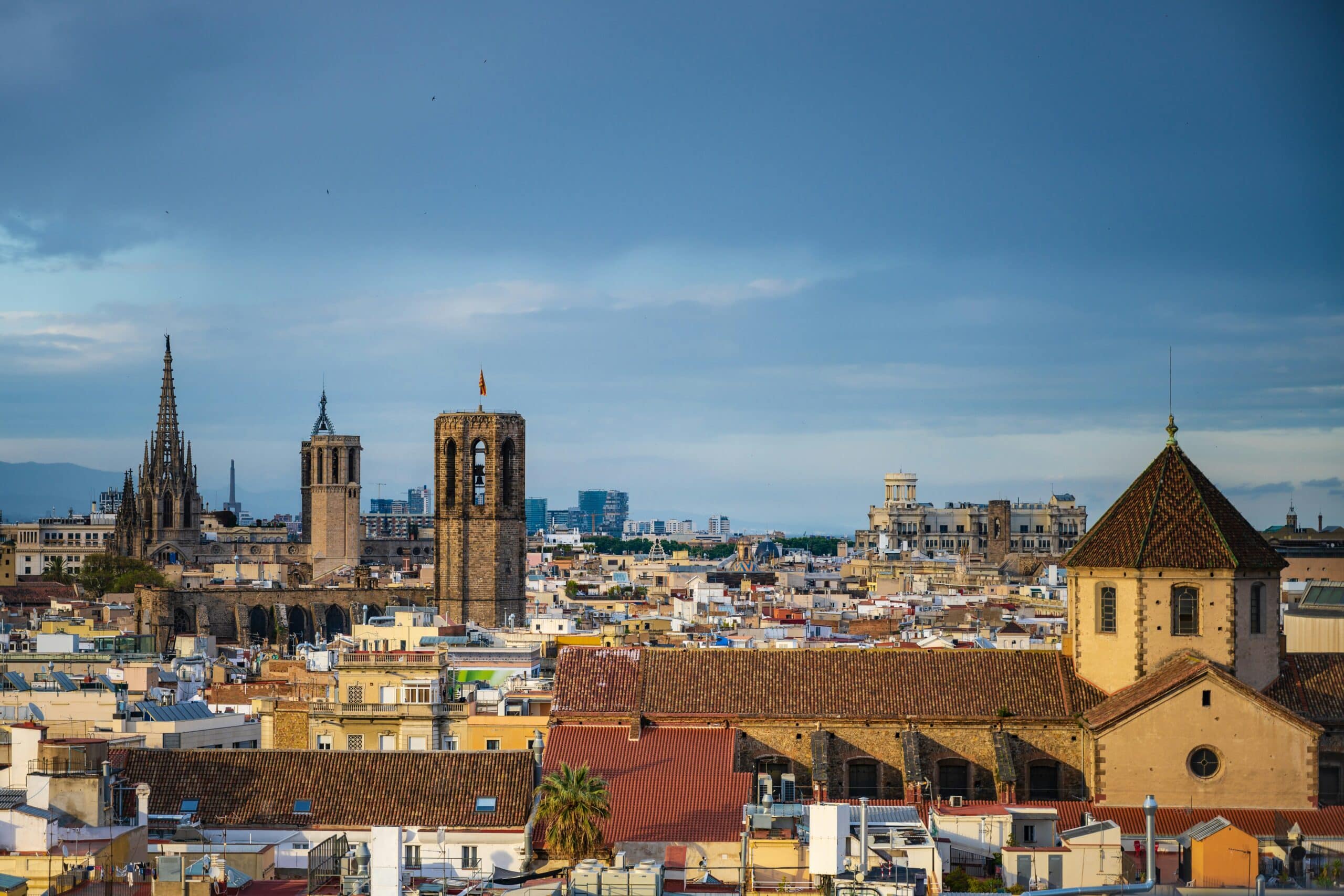
Barcelona offers an appealing mix of architecture, beaches, food, history, and nightlife that makes it one of Europe’s most popular city breaks.
Two to three days is enough for most visitors to experience the highlights, including the Sagrada Família, Park Güell, the Gothic Quarter, La Boqueria Market, and the waterfront. The city is energetic and easy to enjoy, with enough variety to appeal to almost every type of traveler.
While Barcelona certainly rewards a longer stay, it doesn’t require as much time as larger capitals like London or Rome. For most itineraries, two or three days provides the right balance between seeing the major attractions and soaking up the city’s atmosphere.
How Many Days Do You Need in Dublin?
Recommended stay: 2 days
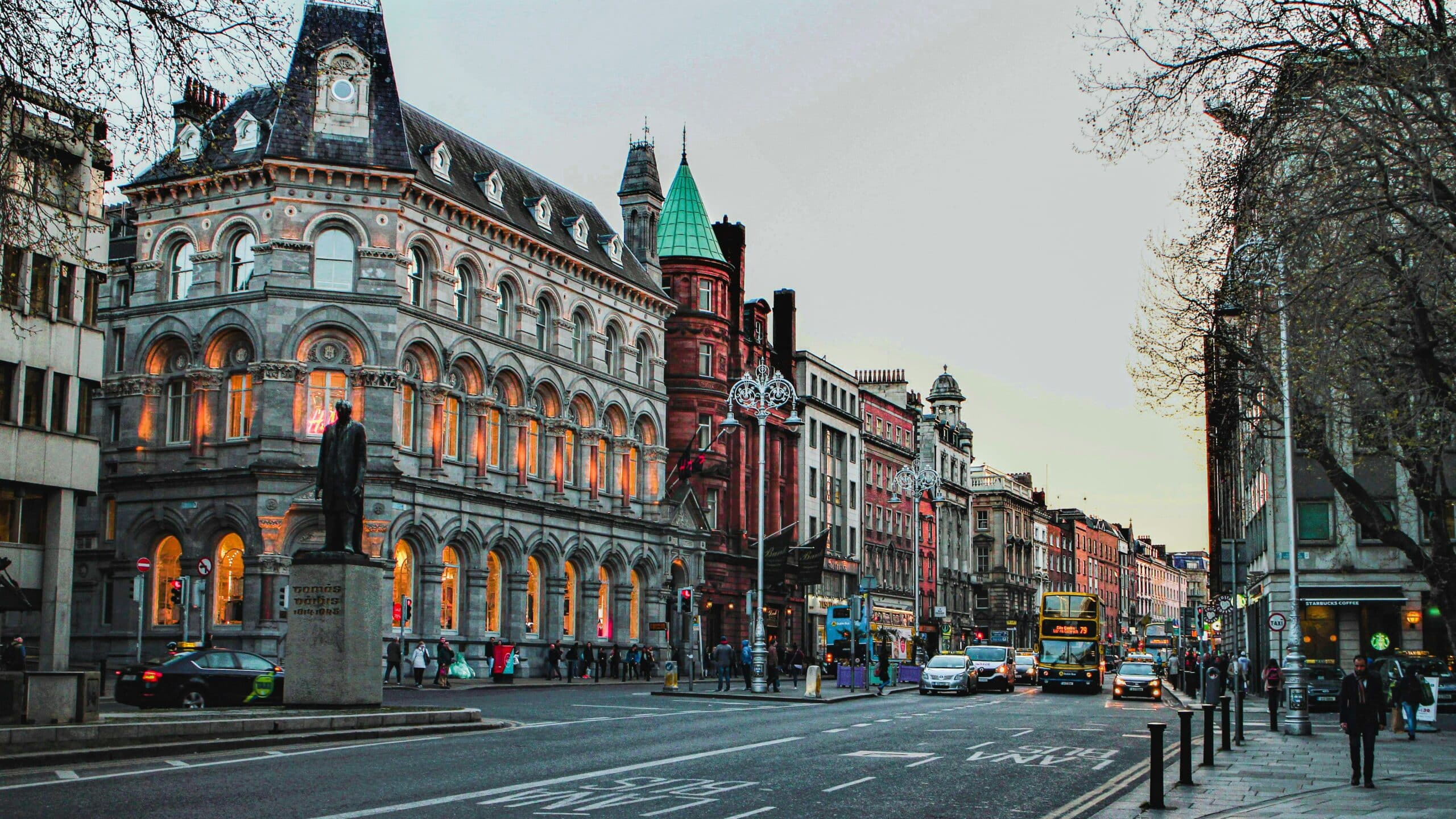
Dublin works well as a shorter city stay because the historic center is compact and easy to navigate. In two days, most travelers can get a strong sense of the city without feeling like they need to rush from one end to the other.
Use that time for Trinity College and the Book of Kells, Kilmainham Gaol, Dublin Castle, the Guinness Storehouse, and an evening enjoying the pub culture that gives the city so much of its personality. Longer stays can be worthwhile, especially if you want to use Dublin as a base for nearby day trips, but for most first-time visitors, two days in the city itself is a good balance.
Related Read: If Dublin is part of your itinerary, read our Trinity College Travel Guide: Home of the Book of Kells before you go so you can plan one of the city’s most important historic and literary stops.
How Many Days Do You Need in Salzburg?
Recommended stay: 1-2 days
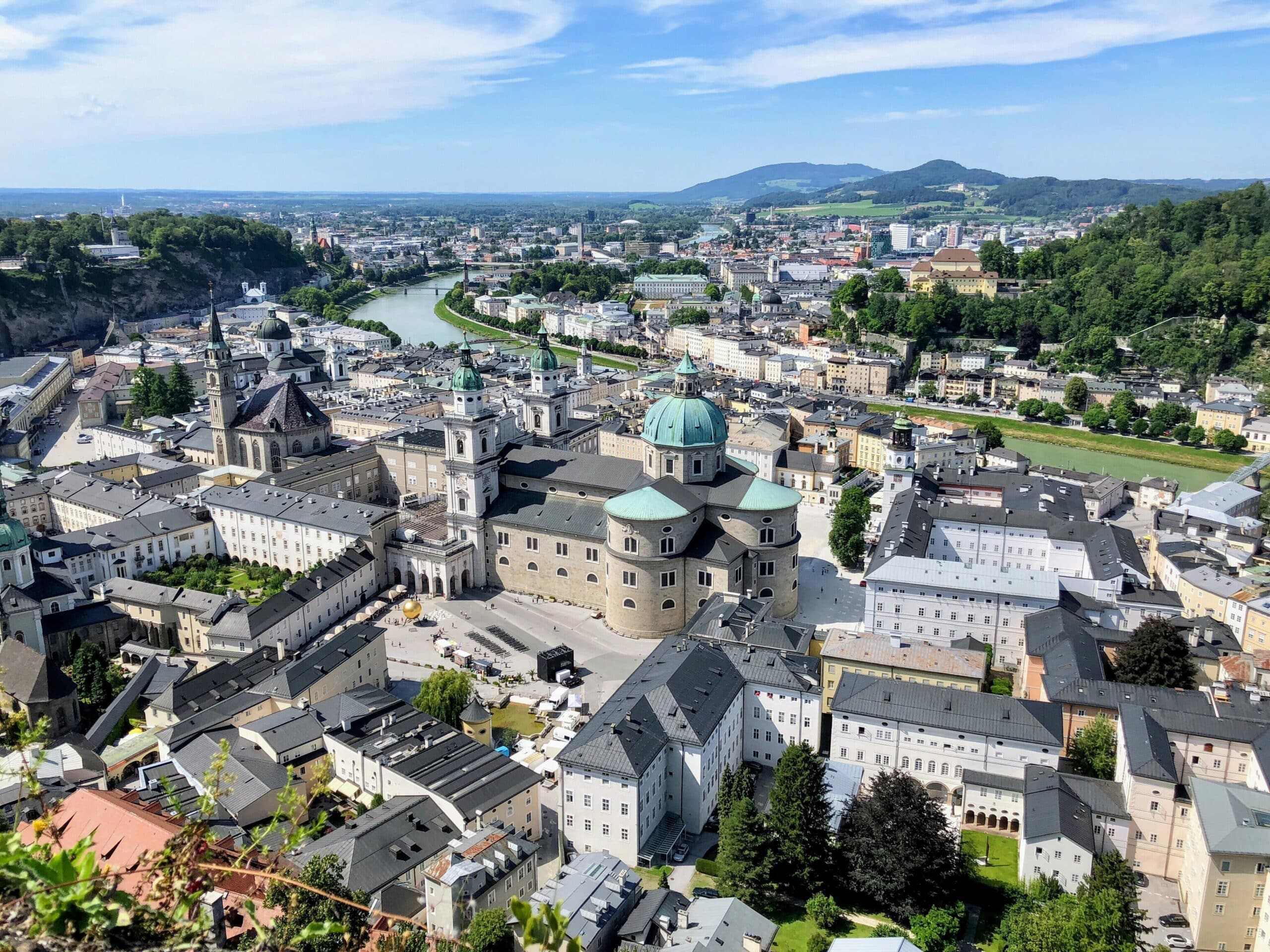
Salzburg is one of those smaller European cities that can make a big impression quickly. The setting is beautiful, the historic center is easy to explore, and the city’s connection to Mozart gives it a cultural weight that feels larger than its size.
In one or two days, you can visit Hohensalzburg Fortress, Mirabell Palace and Gardens, Mozart’s Birthplace, and Salzburg Cathedral while still leaving time to enjoy the atmosphere. Salzburg can absolutely be a destination in its own right, especially for travelers who love music, Alpine scenery, or nearby day trips, but it also works beautifully as a shorter stop between Vienna, Bavaria, or Austria’s mountain regions.
How Many Days Do You Need in Munich?
Recommended stay: 2-3 days
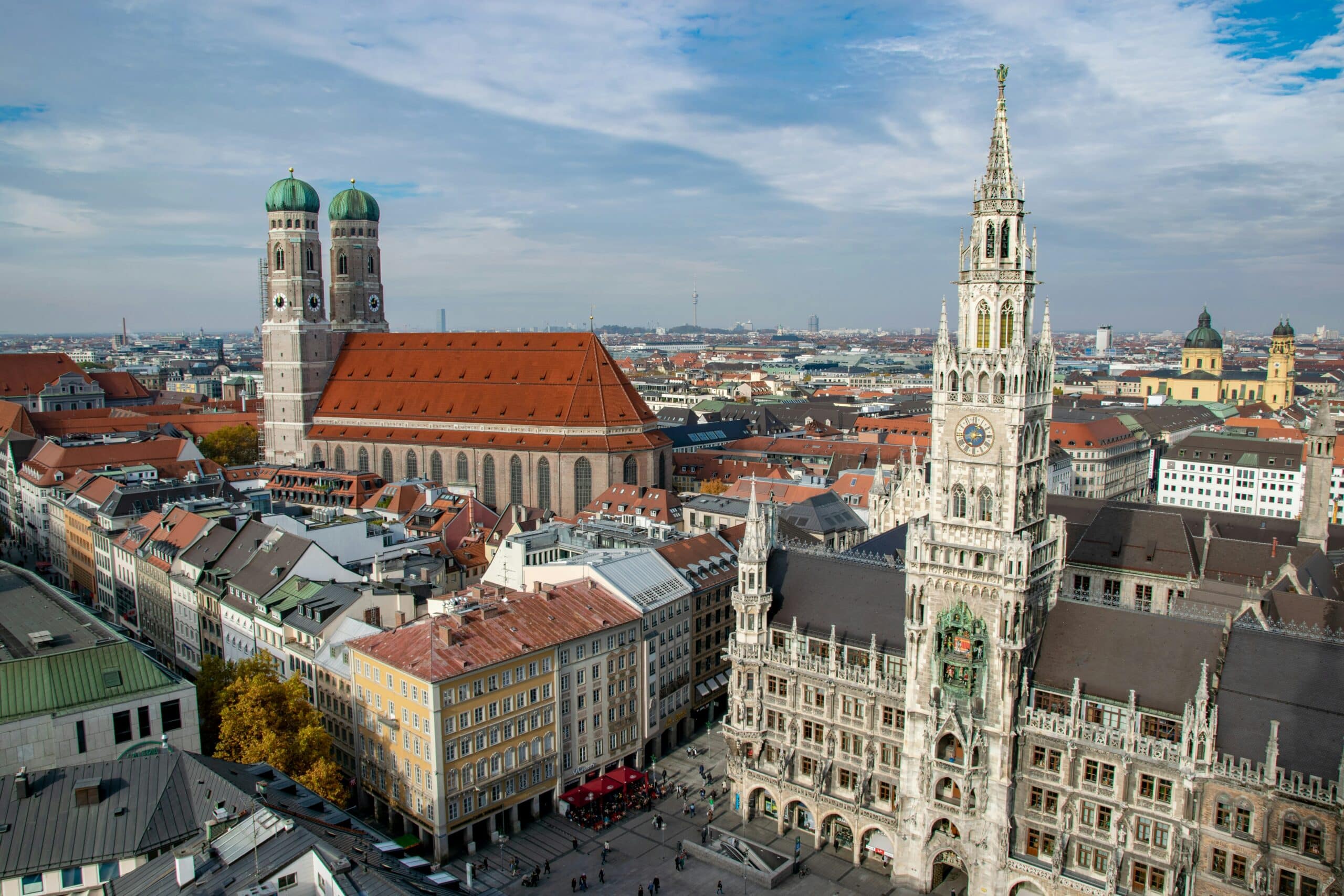
Munich is often treated as a quick stop on the way to Bavaria’s castles or the Alps, but the city deserves time of its own. It combines grand architecture, excellent museums, beer halls, gardens, markets, and easy access to some of southern Germany’s most memorable day trips.
Two days gives you time for Marienplatz, the Viktualienmarkt, the English Garden, the Residenz, and a classic beer hall experience. A third day is useful if you want to visit Nymphenburg Palace, explore more museums, or take a day trip to Neuschwanstein, Dachau, or nearby Bavarian towns.
Munich is larger and more layered than many travelers realize. It works well as both a city stay and a practical base for exploring Bavaria.
How Many Days Do You Need in Bruges?
Recommended stay: 1-2 days
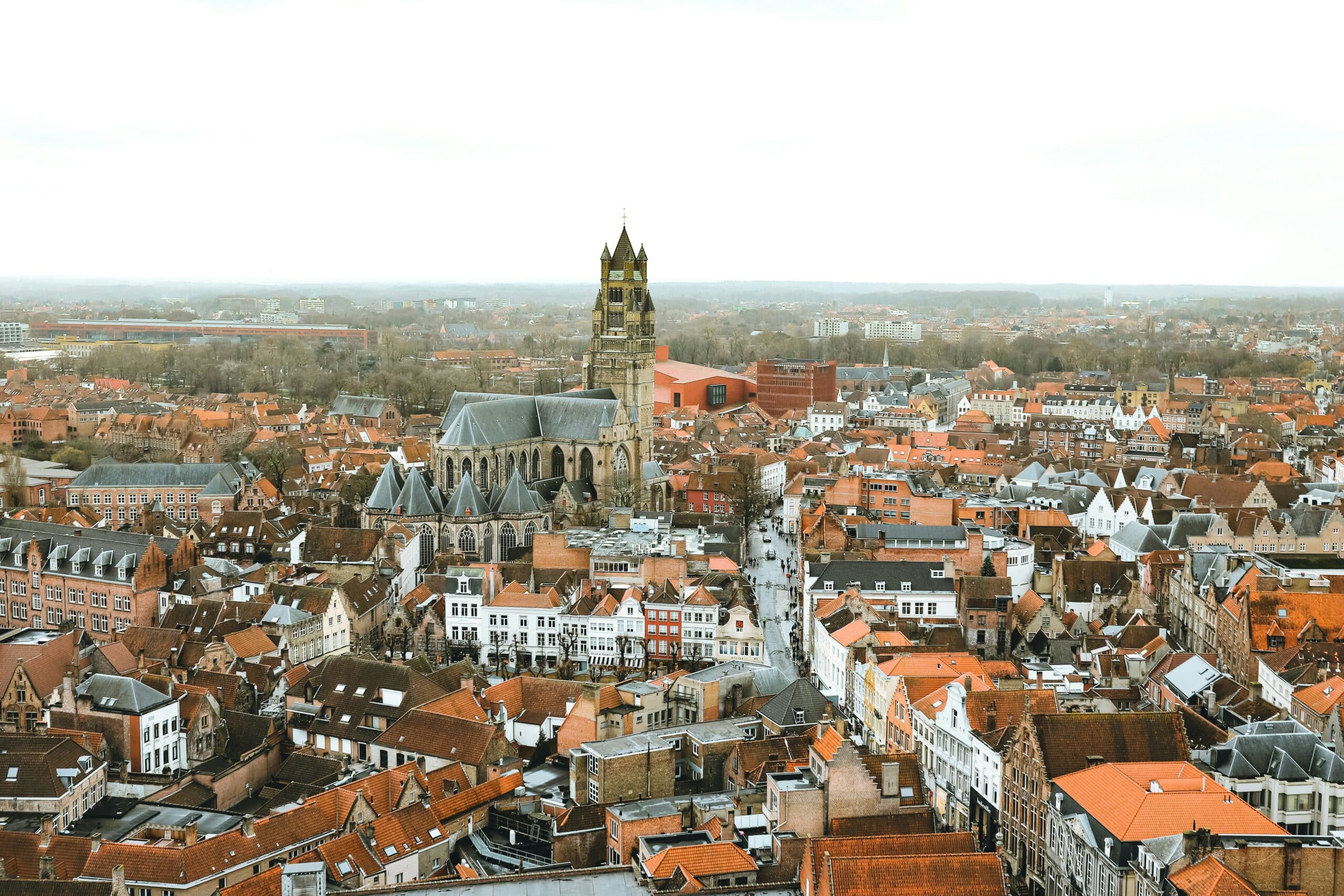
Bruges is almost impossibly charming, but it does not need to be stretched into a long stay for most travelers. The magic is in the atmosphere: canals, medieval buildings, cobblestone streets, market squares, chocolate shops, and quiet lanes that feel especially beautiful once the day-trippers leave.
One night gives you time to enjoy the historic center at a slower pace, while two nights lets you settle in without feeling rushed. Bruges is best treated as a short, memorable stop rather than a major base, unless you are using it to explore more of Belgium.
Related Read: For a deeper look at what makes the city so memorable, read Exploring Bruges: A Journey Through Time and Beauty.
Sample Europe Itineraries That Actually Work
One of the biggest lessons from years of planning Europe trips is simple: fewer destinations usually create a better experience. The goal is not to see how many cities you can technically fit into the calendar. The goal is to build a trip that still feels good while you are actually taking it.
A Realistic 7-Day Europe Trip
For a one-week Europe trip, choose one or two destinations. A week goes quickly, and one strong base with a day trip is usually better than three hotel changes.
| Itinerary | Why It Works |
|---|---|
| Paris and Versailles | Classic first trip with one major base and one easy day trip |
| Rome and Florence | Strong Italy pairing without overcomplicating the route |
| Lisbon and Sintra | Portugal at a slower, more affordable pace |
| Munich and Bavaria | City culture with room for castles, Alpine scenery, or historic day trips |
| Amsterdam and Bruges | Two compact, atmospheric cities that pair well by train |
| London only, with a day trip | Ideal if you want a major city without constant transfers |
A Realistic 10-Day Europe Trip
For a 10-day Europe trip, choose two or three destinations. This is often the sweet spot for a first or second Europe trip because you can experience more than one place without turning the entire trip into a transfer schedule.
| Itinerary | Why It Works |
|---|---|
| London and Paris | Two major capitals with excellent rail connection |
| Rome, Naples, and the Amalfi Coast | Ancient history, southern Italian energy, and coastal scenery |
| Paris and Aix-en-Provence | Big-city culture followed by a slower Provençal stay |
| Lisbon, Porto, and Sintra | A strong Portugal itinerary with variety and manageable distances |
| Prague, Vienna, and Budapest | A classic Central Europe route with efficient train connections |
| Munich, Salzburg, and Vienna | Bavaria and Austria with culture, music, and mountain scenery |
A Realistic 14-Day Europe Trip
For a two-week Europe trip, choose three or four destinations. Four destinations in fourteen days is usually the upper limit before the trip starts feeling rushed, but it can work beautifully when the route is logical and travel times are reasonable.
| Itinerary | Why It Works |
|---|---|
| London, Paris, and Amsterdam | Three major cities with strong train connections |
| Rome, Naples, Florence, and Venice | A fuller Italy itinerary with ancient history, food, art, and atmosphere |
| Lisbon, Porto, Madrid, and Barcelona | A strong Iberian route with culture, food, and city variety |
| Paris, Aix-en-Provence, and the French Riviera | France with a balance of city, countryside, and coast |
| Prague, Vienna, Budapest, and Salzburg | Central Europe at a realistic pace |
| Munich, Salzburg, Vienna, and Prague | A strong route through Bavaria, Austria, and the Czech Republic |
A Realistic 21-Day Europe Trip
For a three-week Europe trip, choose four to six destinations. With three weeks, you have more room to move, but the same rule still applies: more time does not mean you should add every city you have ever wanted to see.
| Itinerary | Why It Works |
|---|---|
| London, Paris, Amsterdam, Munich, and Vienna | Major cultural capitals with strong rail connections |
| Lisbon, Porto, Madrid, Barcelona, and Aix-en-Provence | A varied western Europe route with food, coast, and city culture |
| Rome, Naples, Florence, Venice, and Munich | Italy-focused with a northern extension into Bavaria |
| Paris, Aix-en-Provence, Nice, Florence, and Rome | France and Italy with a strong mix of city, countryside, coast, and history |
| Prague, Vienna, Budapest, Salzburg, and Munich | Central Europe and Bavaria without rushing the route |
With three weeks, you have more room to move, but the same rule still applies. More time does not mean you should add every city you have ever wanted to see. It means you can travel deeper, build in slower days, and still come home feeling like you experienced each place instead of simply passing through.
Notice what’s missing: six countries in fourteen days, or eight cities in three weeks. Europe is much more enjoyable when you allow yourself time to experience each destination instead of simply checking it off a list.
Related Read: For help building a slower, more rewarding itinerary, read Slow Travel Europe before you start adding more cities to your route.
Give Yourself Time to Actually Be There
A good Europe itinerary is not just a list of places. It is a rhythm.
You need time for the major sights, of course. You also need time for the parts of travel you cannot schedule: the wrong turn that leads to a quiet square, the long lunch that becomes the best meal of the trip, the neighborhood you only discover because you stayed long enough to wander.
This is where many travelers get it wrong. They build an itinerary around what is technically possible instead of what will actually feel good once they are there.
Four cities in ten days may look efficient on paper. In reality, it often means constant packing, early departures, train stations, hotel check-ins, and very little breathing room.
Europe opens up when you stop treating it like a checklist. Give each place enough time to reveal itself, and the trip becomes more than a collection of landmarks. It becomes an experience you actually remember.
FAQ
How many days do you need in Paris?
Most travelers should plan for 3-4 nights in Paris. This provides enough time for the major attractions while still allowing time to enjoy the city’s neighborhoods, cafés, and atmosphere.
Is 2 days enough in Rome?
Not really. Two days allows you to see some highlights, but most first-time visitors should plan at least 4 nights in Rome to properly experience the city.
How many cities should you visit in 10 days in Europe?
For most travelers, two or three destinations is ideal. Trying to fit more into a 10-day trip often creates a rushed experience.
Is it better to visit more cities or stay longer in fewer places?
In most cases, staying longer in fewer places creates a more enjoyable trip. Less time spent in transit means more time actually experiencing your destination.
What is the best pace for a Europe itinerary?
A good rule is to prioritize depth over breadth. Allow enough time in each destination to see the major sights while leaving room for slower, unplanned moments.