
Trying to See Too Many Places in One Trip

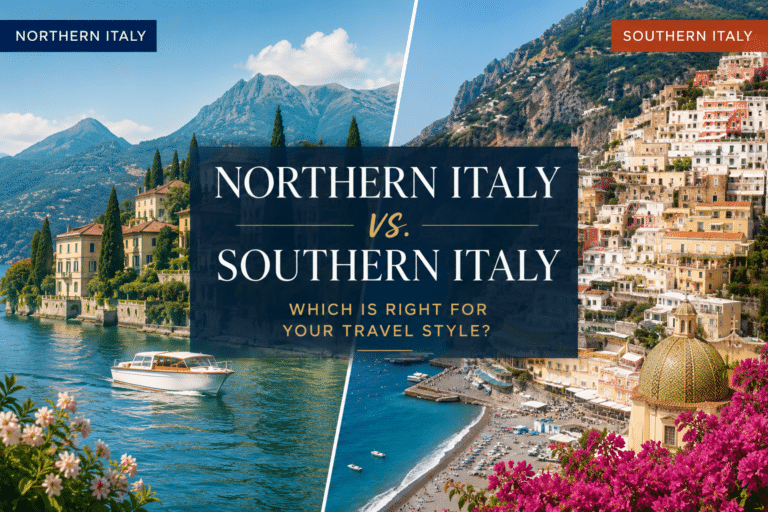
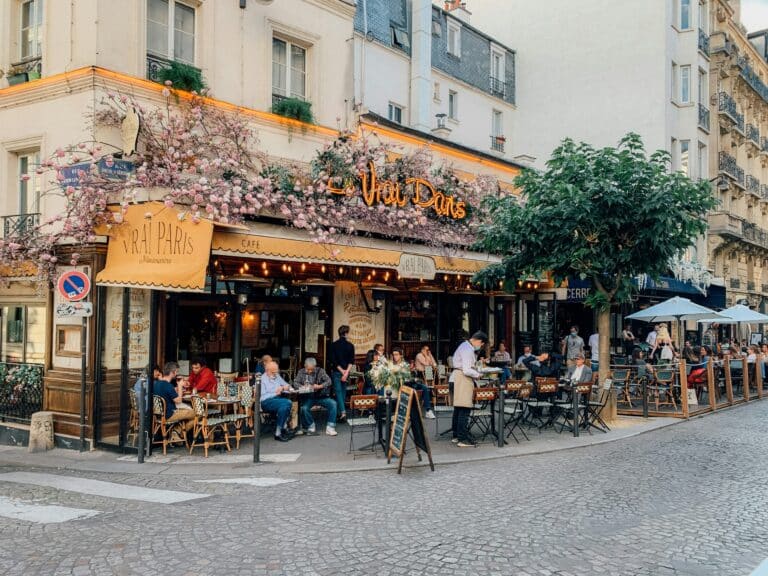
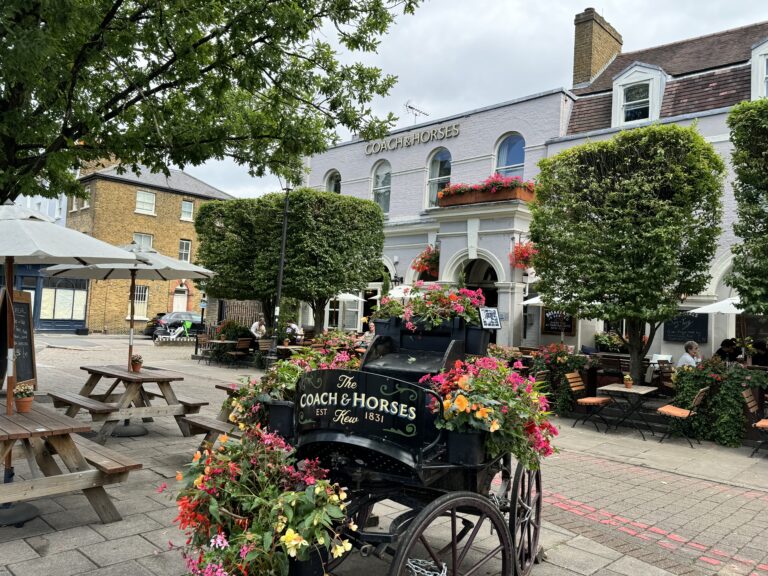
This is one of the biggest Europe travel mistakes Americans make. The itinerary looks exciting on paper: London, Paris, Amsterdam, Rome, Florence, and Venice in ten days. In reality, it often becomes a blur of train stations, airport transfers, luggage storage, hotel check-ins, and rushed meals.
Europe is compact compared to the United States, but that does not mean every destination can be squeezed into one trip without consequences. A two-hour train ride can easily turn into half a day once you factor in packing, getting to the station, waiting, arriving, navigating to your hotel, checking in, and getting oriented again.
The result? You technically “see” more places, but experience less of each one.
A better approach is to slow down. Spend three nights in fewer places instead of one night in many. Give yourself time to wander, revisit a favorite café, explore a neighborhood, and enjoy the moments that never make it onto a checklist.
A Europe trip should not feel like a race with a passport.
Want help deciding how long to stay in each city?
Listen to Episode 15 of the Europe Travel 101 podcast, where Travelin’ Jack breaks down how many days you really need in Europe’s most popular destinations.
Underestimating Travel Time Between Cities
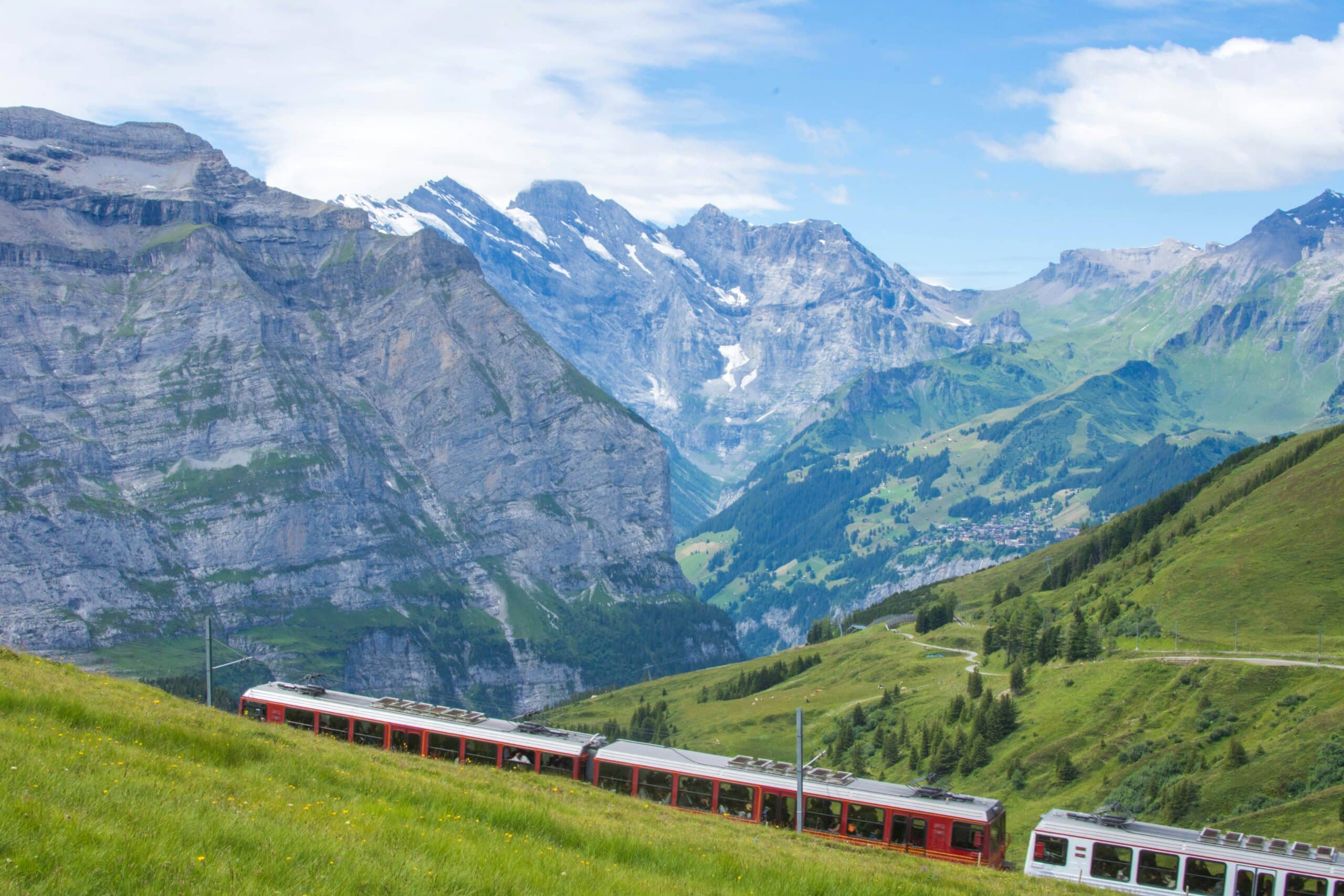
One of the most common planning mistakes is confusing transportation time with total travel time. A traveler may see that Rome to Florence takes about 90 minutes by high-speed train and assume the journey only costs 90 minutes. It does not.
You still have to pack, check out, reach the station, find your platform, board the train, arrive, get to your hotel, store your luggage if your room is not ready, and reorient yourself in a new city. Even short travel days can eat into your best sightseeing hours.
This matters even more when travelers book early morning departures after late nights, schedule major attractions right after arrival, or plan multiple city changes back-to-back.
The smarter move is to treat travel days as partial sightseeing days. Keep expectations realistic. Plan something lighter after arrival, such as a neighborhood walk, dinner reservation, scenic viewpoint, or casual museum visit. That way, a delay or luggage issue does not throw off the entire day.
Waiting Too Long to Book Major Attractions
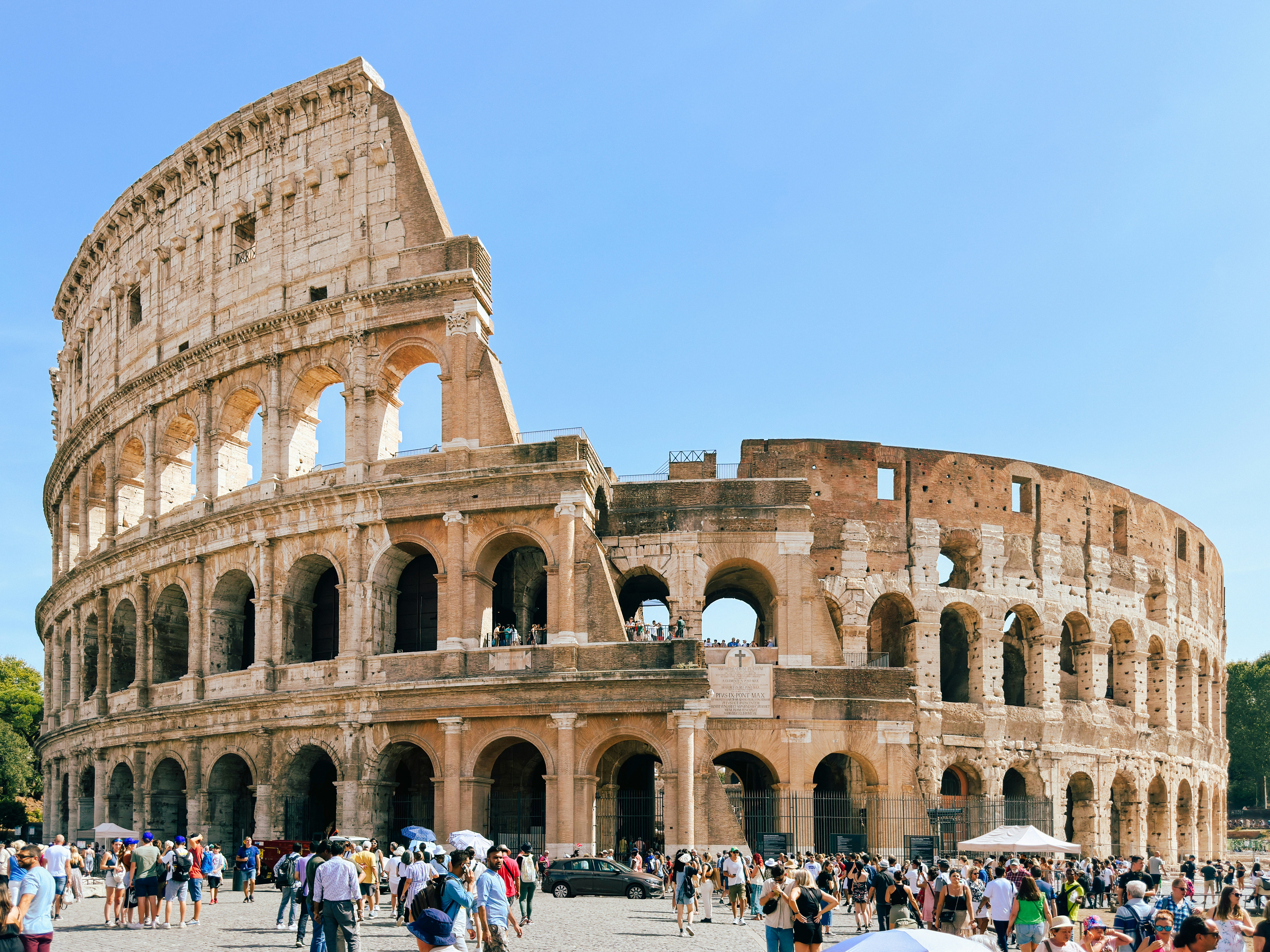
Europe has changed. Many famous attractions now rely on timed entry, advance reservations, crowd control systems, or limited daily ticket releases. Assuming you can simply show up and buy tickets at the door is a risky mistake.
This is especially true for high-demand sites such as the Colosseum, Vatican Museums, Anne Frank House, Alhambra, Eiffel Tower, Louvre, Sagrada Família, and other major landmarks. Some destinations also have new or changing visitor rules due to overtourism, preservation concerns, or crowd management.
The shift is not limited to museums. Certain hiking areas, historic centers, churches, palaces, and scenic routes may also require more advance planning than travelers expect.
If there is one thing to book early, it is anything you would be deeply disappointed to miss.
That does not mean your whole trip needs to be rigid. It means anchoring your itinerary around the experiences that matter most, then leaving flexible space around them.
If Italy is on your itinerary, our article on Italy Travel Changes in 2026 explains the new rules, reservation systems, and visitor limits travelers should know before they go.
Ignoring Passport and Entry Rules Until the Last Minute
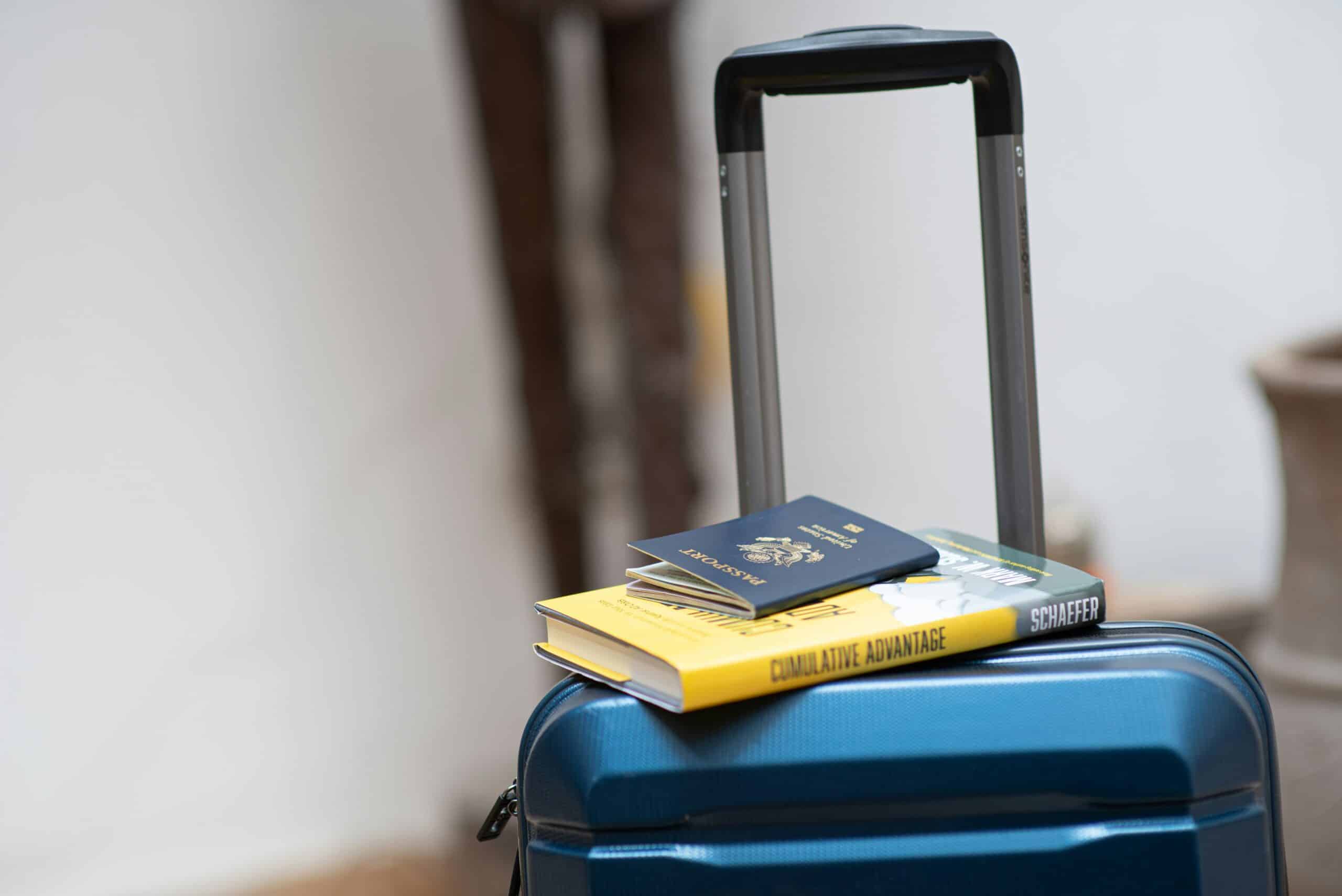
Passport and entry rules are not exciting, but they can stop a trip before it begins.
For travel to the Schengen Area, U.S. travelers should make sure their passport is valid for at least three months beyond their planned departure date from the Schengen Area. Many Schengen countries also require that passports be issued within the last 10 years.
Still, cutting it close is asking for stress. Some airlines, destinations, or travel advisors may recommend having six months of validity to avoid confusion or last-minute problems. The safest move is simple: check your passport early and renew before your trip if the expiration date is anywhere near the limit.
Travelers should also understand the 90-days-in-any-180-days rule for short stays in the Schengen Area. It is not 90 days per country. It is generally 90 days total across the Schengen Area within a rolling 180-day period.
There are also new systems travelers need to know about. The EU’s Entry/Exit System, known as EES, began rolling out on October 12, 2025, and became fully operational on April 10, 2026. The system digitally registers many non-EU travelers entering and leaving participating European countries.
ETIAS is another major change. It is not a visa, but it will be a required travel authorization for visa-exempt travelers entering 30 European countries once it begins. The official EU travel site says ETIAS will start operations in the last quarter of 2026.
Don’t let entry rules catch you off guard. For a deeper breakdown of upcoming entry requirements, read Europe’s NEW Entry Requirement: Everything Travelers Need To Know! before finalizing your travel plans.
Before booking, make sure your name matches your passport exactly on airline tickets, train reservations, and official travel documents. Small errors can become expensive problems.

Assuming Europe Works Like the U.S.
Many Europe travel mistakes come from one simple assumption: expecting things to work the same way they do at home.
They often do not.
Hotel rooms may be smaller. Elevators may be tiny or nonexistent. Air conditioning may be weaker, seasonal, or unavailable. Stores may close earlier than expected. In some places, Sunday closures are still common. Public bathrooms may cost money. Refills may not be free. Ice may be limited. Service may feel less rushed and less performative than what Americans are used to.
None of this means Europe is doing things wrong. It means the rhythm is different.
Travelers who expect constant convenience can quickly become frustrated. Travelers who expect differences are much more likely to enjoy the experience.
Before you go, look up the specific norms of the countries and cities you are visiting. A hotel in London, a guesthouse in the Alps, an apartment in Florence, and a boutique stay in Paris can all come with very different expectations.
The goal is not to lower your standards. It is to know what matters most to you and plan accordingly.
For more everyday surprises, from limited ice to smaller hotel rooms and different service expectations, read 11 Things That Shock Americans in Europe.
Not Understanding European Dining Culture
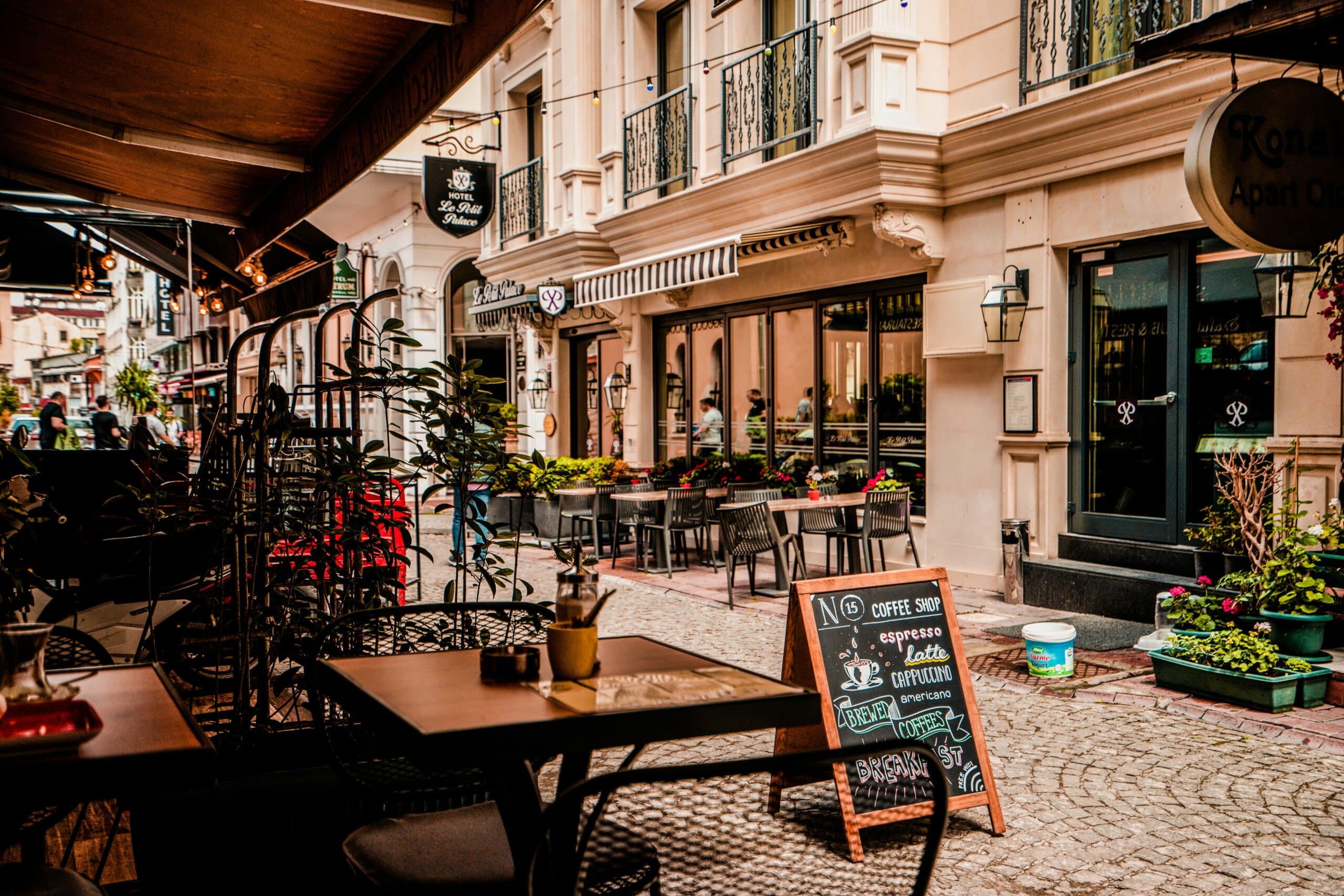
Dining in Europe can be one of the best parts of the trip, but only if you understand the rhythm.
In many places, restaurants do not operate on an all-day American schedule. Lunch may happen during a set window. Kitchens may close between lunch and dinner. Dinner may start later than Americans expect. Popular restaurants may require reservations, especially in major cities or during peak season.
The pace at the table is also different. In much of Europe, slower service is not necessarily bad service. Often, it means the table is yours until you ask to leave. The server may not bring the check automatically because rushing you out would be considered rude.
Water can also surprise travelers. Tap water may be available in some countries, but bottled still or sparkling water is common in many restaurants. Free refills are not standard. Tipping customs vary by country, and American-style tipping is not always expected.
Another mistake? Eating every meal beside a famous landmark. Restaurants with the best view of a major attraction often have the least impressive food and the highest prices. Walk a few blocks away, look for places filled with locals, and choose restaurants that specialize in regional dishes.
A little dining awareness can turn meals from a source of confusion into one of the most memorable parts of the trip.
Packing Like You Are Preparing for Every Possible Scenario
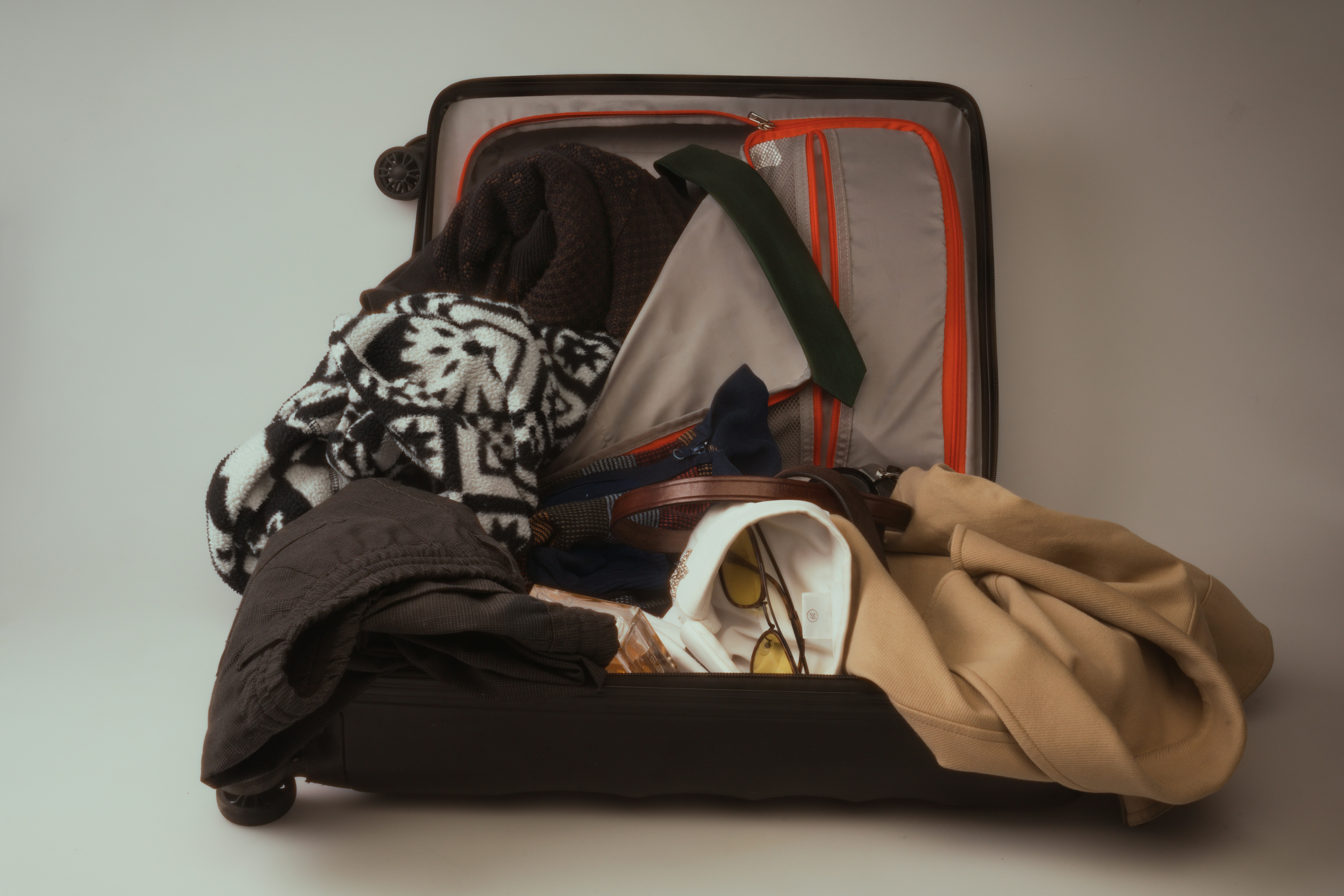
Overpacking makes Europe harder.
It makes train travel harder. It makes cobblestones harder. It makes small hotel rooms harder. It makes stairs harder. It makes taxis, elevators, and luggage storage harder.
Many Americans pack as if they need an outfit for every possible situation. In reality, Europe rewards smart packing. A smaller suitcase, comfortable walking shoes, layers, and versatile clothing will serve you better than a giant bag stuffed with “just in case” items.
Shoes matter more than almost anything else. Europe often means long walking days, uneven pavement, old staircases, train platforms, and historic streets that were not designed for modern luggage or flimsy footwear.
The best packing strategy is simple: bring fewer things that work harder.
Choose clothing that can mix and match. Pack layers instead of bulky items. Bring shoes that are comfortable enough for miles of walking but polished enough for restaurants and city settings. And remember that laundry is easier than dragging an overstuffed suitcase across half a continent.
For help packing outfits that are comfortable, practical, and polished, read What to Wear in Europe So You Don’t Look Like a Tourist.
Choosing Hotels Based Only on Price

A cheap hotel is not always a good deal.
If it is far from the center, poorly connected to transit, in an inconvenient neighborhood, or missing key amenities, it can cost you more in time, taxis, stress, and missed experiences.
Location matters. A hotel near a train station may be convenient in one city and unpleasant in another. A property that looks close on a map may involve steep hills, awkward transit connections, or long walks at night. A budget hotel without air conditioning may be fine in spring but miserable during a summer heat wave.
Before booking, look beyond the nightly rate. Check walking distances, transit access, elevator availability, breakfast options, luggage storage, air conditioning, neighborhood feel, and cancellation policies.
The best hotel is not always the cheapest one. It is the one that makes the trip easier.
Relying Too Much on Taxis & Rideshares
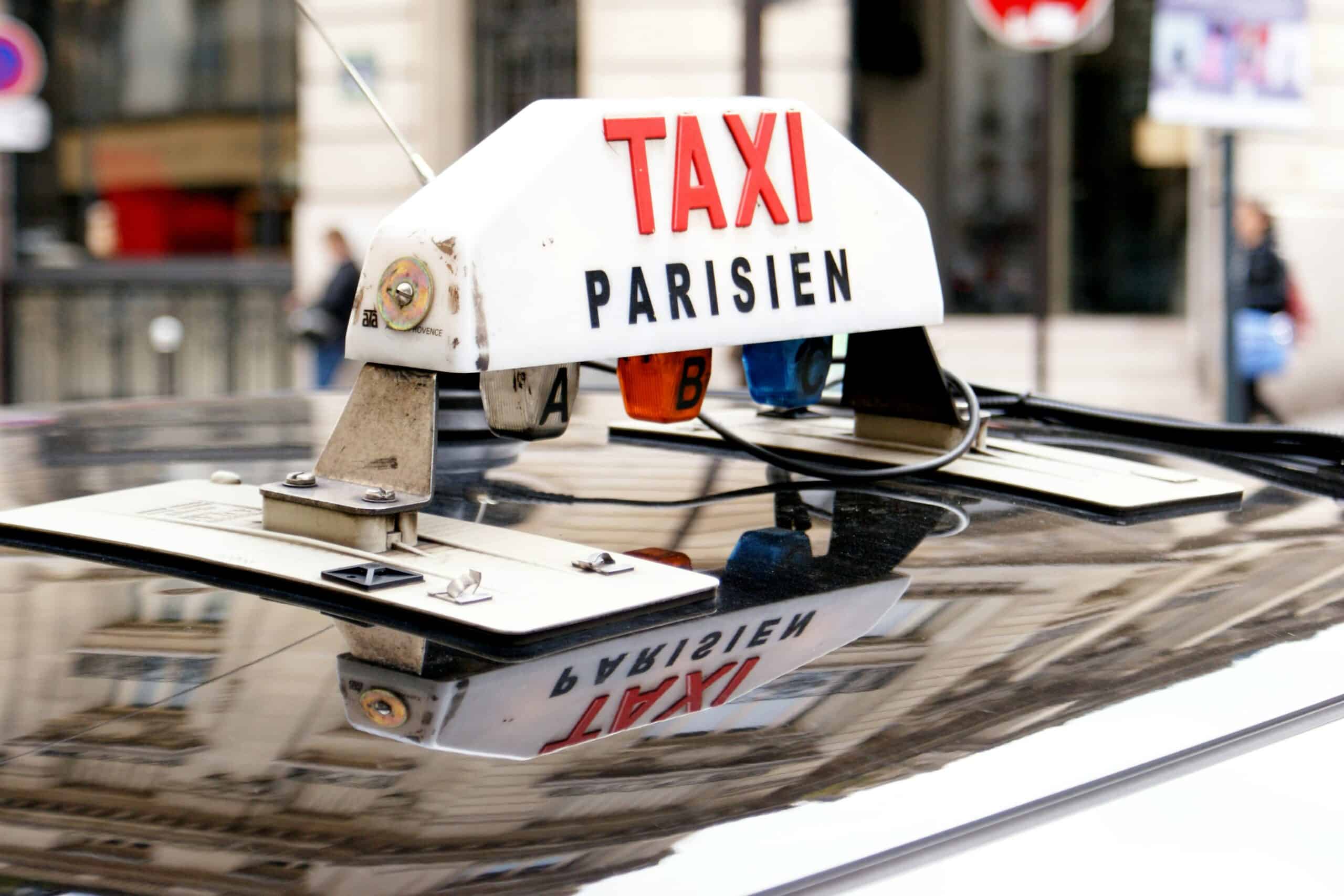
Americans often default to taxis or rideshares because that is what feels familiar. In many European cities, that is not always the best choice.
Public transportation is often faster, cheaper, and more efficient. Metro systems, trams, buses, ferries, and regional trains can connect neighborhoods and major sights better than cars can. In historic city centers, cars may be restricted, slow, expensive, or simply unnecessary.
There are also practical issues. Rideshare availability varies by country and city. Taxis can be costly. Tourist areas sometimes attract inflated fares or confusing pickup situations. Airport transfers can eat into your budget quickly.
Before you arrive, learn the basic public transportation system for each destination. Download the local transit app, understand whether tickets need to be validated, and know the best route from the airport or train station to your hotel.
You do not need to master the entire system before you go. But knowing the basics can save you a lot of money and frustration.
Forgetting That “Free Time” Needs a Plan Too

Free time is valuable. But completely unplanned free time in an unfamiliar city can quickly become wasted time.
This does not mean every minute should be scheduled. In fact, overplanning is another mistake. But it helps to have a short list of flexible options ready.
Save a few cafés, shops, viewpoints, markets, parks, museums, or neighborhoods before you arrive. Know what is near your hotel. Keep a few rainy-day ideas. Mark one or two restaurants that do not require a major detour. Give yourself options that match your energy level.
That way, when you suddenly have three open hours in Paris, Rome, Vienna, or Barcelona, you are not standing on a sidewalk scrolling your phone while everyone gets tired and hungry.
The best free time is not empty. It is flexible.
Traveling in Peak Season Without a Crowd Strategy
Europe in peak season can still be wonderful, but travelers need a strategy.
Summer brings long days, open attractions, outdoor dining, festivals, and beautiful weather in many regions. It also brings crowds, heat, higher prices, sold-out hotels, and fully booked attractions.
The mistake is not traveling in summer. The mistake is pretending summer travel does not require extra planning.
Start early in the day. Book major sights in advance. Stay central when possible. Mix famous landmarks with quieter neighborhoods. Plan indoor or shaded activities during the hottest part of the afternoon. Choose hotels carefully, especially if air conditioning matters to you. Consider shoulder season when possible.
Crowds are not just annoying. They change how a day feels. A poorly timed visit to a major sight can leave you hot, rushed, and frustrated. A well-timed visit can completely change the experience.
Not Budgeting for the Little Extras
Europe is not always expensive because of one big cost. It becomes expensive when the small ones surprise you every day.
Travelers often budget for flights and hotels but forget about city taxes, museum tickets, seat reservations, airport transfers, public bathrooms, bottled water, baggage fees, tips, data plans, foreign transaction fees, and transportation between neighborhoods.
These costs may seem minor on their own, but they add up quickly.
Build a buffer into your budget. Check whether your credit card charges foreign transaction fees. Know your baggage limits before flying budget airlines. Look up city taxes before hotel check-in. Decide when a taxi is worth it and when public transit makes more sense.
A realistic budget helps you spend with less guilt and fewer surprises.
Not Building in Rest

Europe can be physically demanding. Many trips involve more walking, stairs, standing, heat, crowds, and sensory overload than travelers expect.
One mistake Americans make is treating rest like wasted time. It is not. Rest is what allows you to enjoy the rest of the trip.
A slower lunch, a quiet afternoon, a scenic train ride, a park break, or an early night can save the next day. This is especially true for families, older travelers, multi-country itineraries, and summer trips.
You do not have to see everything. You have to enjoy what you came to see.
Planning a Europe Trip With Fewer Mistakes
The best Europe trips are not necessarily the most packed. They are the ones that feel balanced, realistic, and thoughtfully planned.
That means knowing which attractions need advance reservations, which hotels will actually make your trip easier, how much time to allow between cities, what local customs to expect, and where to leave room for discovery.
Plan smarter, travel easier, and spend more of your trip actually enjoying Europe.
FAQ: Europe Travel Mistakes Americans Make
What is the biggest mistake Americans make when traveling to Europe?
The biggest mistake is trying to see too many places in too little time. A packed itinerary may look exciting, but it often leads to rushed sightseeing, long travel days, and very little time to actually enjoy each destination.
How far in advance should I plan a Europe trip?
For peak season, major cities, and famous attractions, it is best to start planning several months ahead. Hotels, timed-entry tickets, train routes, private guides, and popular restaurants can book up quickly.
Do Americans need ETIAS to travel to Europe?
Not yet. ETIAS is scheduled to start in the last quarter of 2026. Once active, visa-exempt travelers, including Americans, will need ETIAS authorization to enter 30 European countries for short stays.
How many countries should I visit on a first Europe trip?
Usually fewer than you think. One or two well-planned countries often create a better first trip than rushing through four or five. You will spend less time in transit and more time actually experiencing each place.
Is it better to travel Europe by train or plane?
It depends on the route. For shorter regional trips, trains are often easier because they usually avoid airport transfers, long security lines, and baggage delays. For longer distances, flights may make sense, but travelers should compare total travel time, not just flight time.
What should Americans know before dining in Europe?
Dining hours, tipping customs, water service, and table pacing vary by country. In many places, dinner is later, reservations matter, the check comes when you ask for it, and slower service does not mean poor service.
How can I avoid wasting money in Europe?
Avoid overpacking, booking hotels only by price, relying too much on taxis, eating every meal beside major landmarks, and waiting too long to reserve major attractions. The biggest savings often come from better planning, not cutting corners.